
Hear from Our Customers
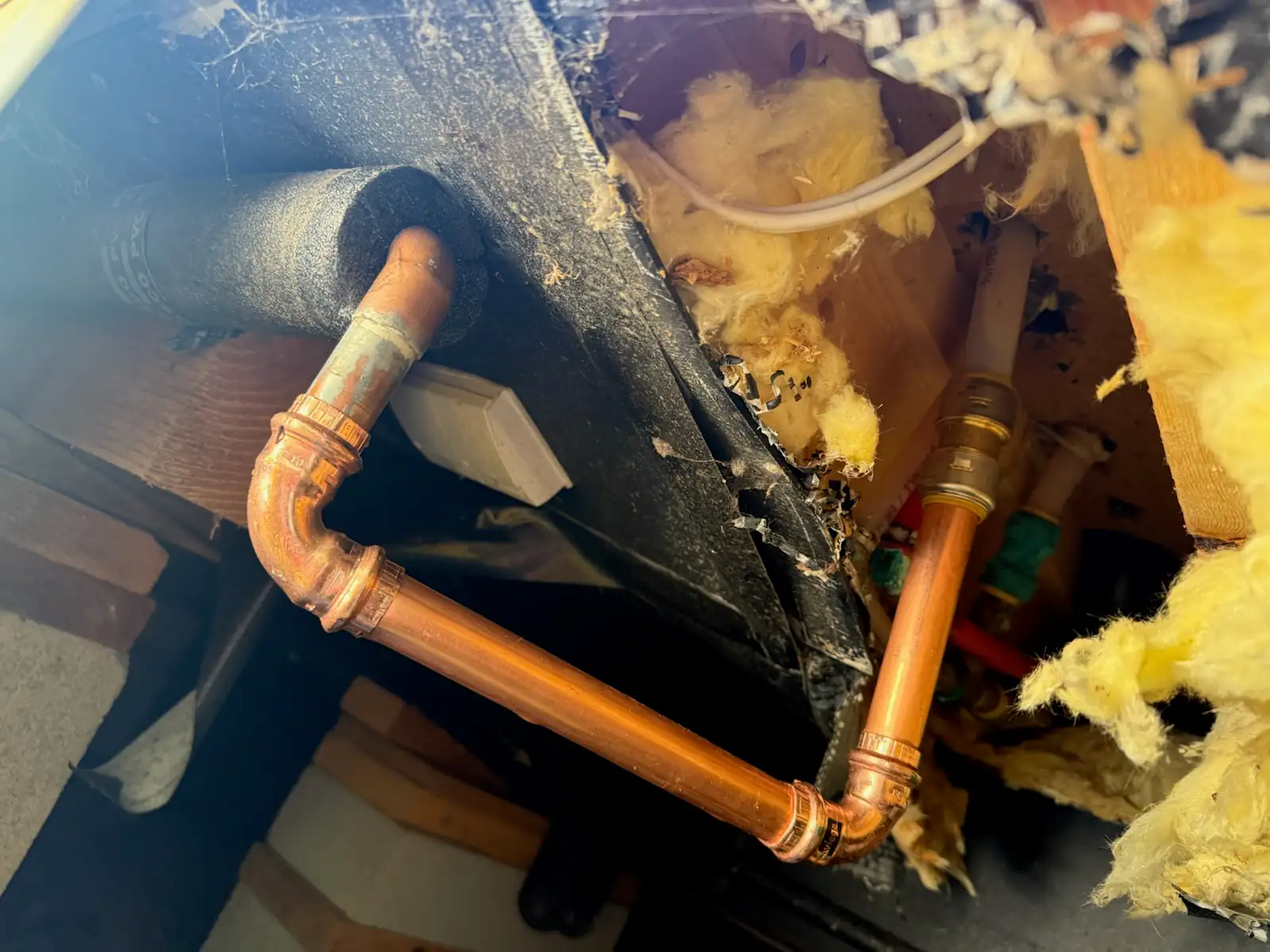
Most water damage doesn’t announce itself. It starts behind a wall, under a floor, or in a crawl space and by the time you notice, the damage is already done. The average insurance claim for water damage runs close to $14,000.
A professionally installed water leak detection system changes that equation entirely. The moment flow goes abnormal whether it’s a slow drip from a corroded pipe or a full burst the system detects it and shuts the water off automatically. You get an alert on your phone. The water stops. The damage doesn’t compound for hours while you’re at work in Auburn or away for the weekend.
For homes in Buckeye and across the Georgetown Divide, that automatic response matters more than it does in most places. At this elevation, freeze-thaw cycles through winter put real stress on pipes especially in older rural homes where copper has been sitting in El Dorado County’s acidic soil for decades. Add in the reality that many homes out here are on private wells, and an undetected leak isn’t just a flooring problem it’s a risk to your pump, your water supply, and your whole system. A whole house leak detection system installation gives you a layer of protection that works whether you’re home or not.
We’ve been serving El Dorado County since 2009 including Buckeye and the foothill communities along CA-193 and throughout the Georgetown Divide. This isn’t a Sacramento-area company trying to stretch its service map. Placerville is home base, and the specific conditions of life at elevation acidic soil, freeze risk, older rural housing stock, private well systems are conditions we know from real experience, not a website description.
Our California Contractor’s License #916322 (C-36) covers all plumbing work in unincorporated El Dorado County, including Buckeye. You can verify that license directly at CSLB.ca.gov. Our rating is 4.7 out of 5 across 93 Google reviews, and the pattern in those reviews is consistent: showed up on time, explained the work clearly, final cost came in at or below the estimate. No estimate fees. No surprise charges. That’s our standard.
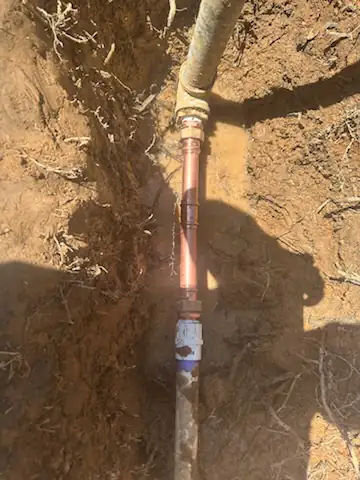
The first step is a walkthrough of your home’s plumbing layout not a sales pitch, just an honest assessment of where your highest-risk points are. For most Buckeye-area homes, that means the water heater, washing machine connections, under-sink supply lines, and any exposed pipe runs that see freeze exposure through winter. Homes on private wells also need evaluation at the pressure tank and supply entry point, which adds a step that municipal-water homes don’t require.
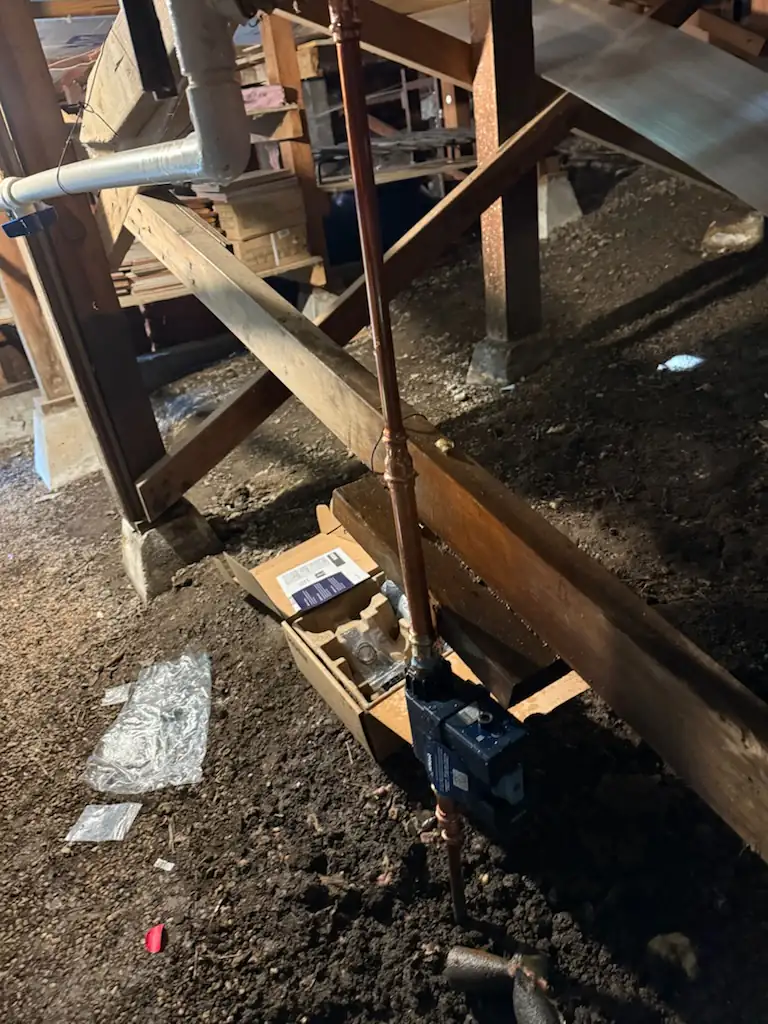
From there, we select and size the right device to your main water line. The whole-home shutoff system installs on the main supply line after the meter and pressure regulating valve in compliance with California state plumbing code and El Dorado County building standards. Because Buckeye is unincorporated county territory, all work falls under county jurisdiction, and a valid C-36 license is required. We hold that license.
Once the hardware is in, we set up the Moen Smart Water App on your phone, configure alert thresholds, and test the full system before we leave. You’ll walk away knowing how to read an alert, how to trigger a remote shutoff from your phone, and what a normal usage pattern looks like versus something worth investigating. The goal is that you actually use the system not just that it’s installed.
Ready to get started?
A water leak detector installation from us isn’t just a device dropped on a pipe and a handshake goodbye. Our service covers device selection and sizing for your specific water line, full installation on the main supply, app setup, alert configuration, system testing, and hands-on walkthrough so you know exactly what you have and how to use it. If your home needs additional point-of-use sensors under the kitchen sink, near the water heater, in a crawl space we address those as part of a complete coverage plan, not as an afterthought upsell.
For Buckeye-area homes specifically, we account for conditions that don’t come up in suburban Sacramento jobs. Homes along the Georgetown Divide frequently have older plumbing, tighter access points in rural construction, and supply line configurations that differ from newer tract homes. The 48-inch extension cable included with Moen systems handles most tight or unconventional installs without modification. For homes on private wells, the placement and configuration discussion is different from a GDPUD-connected home and we have that conversation upfront, not after the device is already in.
One more thing worth knowing: a professionally installed smart water leak detection system may qualify your home for a 5% to 10% discount on your annual homeowners insurance premium. In a rural area where insurance rates already reflect fire risk and distance from fire stations, that’s a real number. Ask your carrier what documentation they need we can provide it.
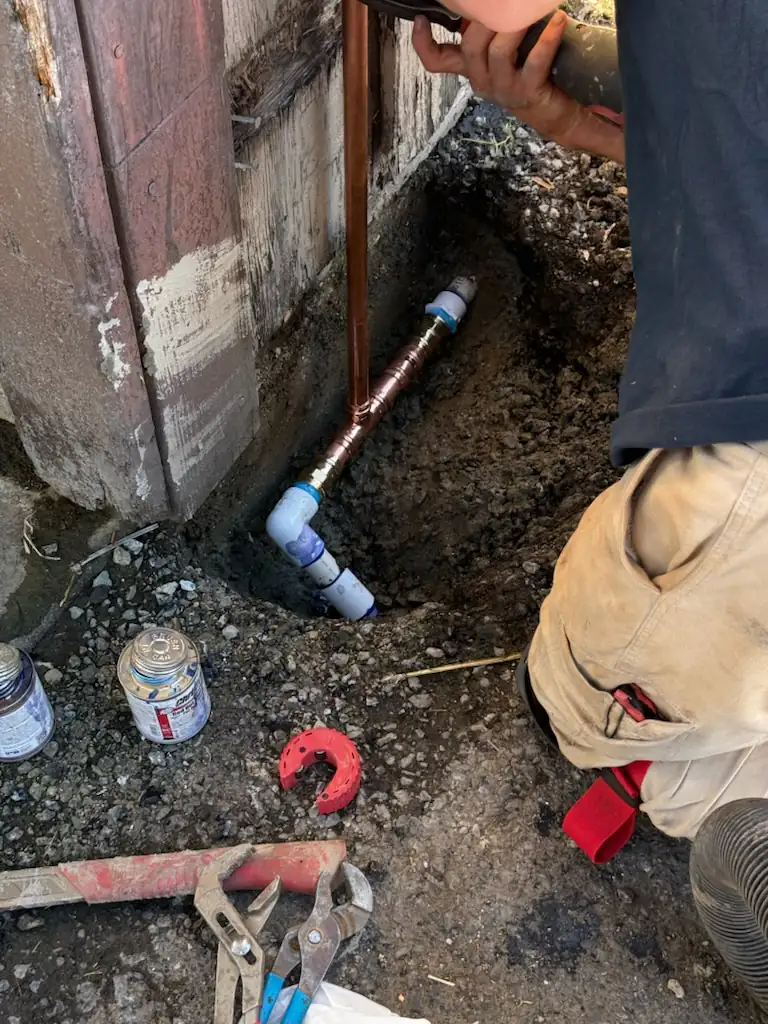
Yes and that automatic shutoff is the most important feature for homes in a rural area like Buckeye. The whole-home systems we install include a motorized valve on your main supply line. When the system detects an abnormal flow pattern a slow drip, a running toilet that won’t stop, or a burst pipe it closes that valve automatically and sends an alert to your phone through the Moen Smart Water App.
For a homeowner who commutes to Auburn or Sacramento and is away from the property for 10 or more hours a day, that automatic response is the difference between catching a problem early and coming home to a flooded floor. You can also trigger the shutoff manually from your phone, which is useful when you’re traveling and want to cut the water entirely while the house sits empty. The system works on both GDPUD-supplied water and private well systems, though the installation configuration differs slightly between the two.
It will, but we handle the installation differently than a standard municipal water connection. On a private well system, the flow monitor and shutoff valve get installed on the supply line after the pressure tank and any filtration equipment not at a street-side meter, since there isn’t one. The goal is the same: monitor everything flowing into the home and shut it off automatically if something goes wrong.
This matters more for well-dependent homes than most people realize. An undetected leak on a private well system doesn’t just damage your floors and walls it can run your well pump continuously until it burns out. Pump replacement is a significant expense, and it leaves you without water entirely until it’s resolved. A water leak alarm installation that catches the problem early protects the pump, the pressure system, and the home simultaneously. We’ve worked with rural El Dorado County properties long enough to know how these systems are configured out here, and our installation process accounts for that from the start.
Buckeye sits at just under 3,000 feet, which puts it in regular freeze territory through the winter months. That’s a different situation from lower-elevation foothill communities and it creates a specific type of plumbing risk that compounds over time. Pipes that freeze and thaw repeatedly develop micro-fractures and weakened joints that may hold for years before they fail completely, often without any visible warning signs.
The failure, when it comes, tends to happen fast. A joint that’s been stressed by multiple freeze-thaw cycles can give way during a cold snap overnight, and if you’re not home or if it happens in a wall or crawl space it can run for hours before anyone notices. A smart home leak detector installation with automatic shutoff is the most direct response to that risk. The system doesn’t care what caused the leak or when it happened. The moment flow goes abnormal, it shuts the water off and sends you an alert.
For a whole-home system with a main line shutoff valve, yes. Any plumbing work in California that exceeds $500 in combined labor and materials requires a C-36 Plumbing Contractor License. Installing a motorized shutoff valve on your main supply line qualifies this isn’t a plug-in sensor you set on the floor under your sink. It involves cutting into the main water line, fitting a valve, and making sure everything is sealed and pressure-tested correctly.
Buckeye is an unincorporated community under El Dorado County jurisdiction, which means all work follows California state plumbing code and county building standards. A DIY installation on the main line risks a code violation, a failed inspection if you ever sell the home, and potentially voiding the device warranty. We hold California Contractor’s License #916322 (C-36) you can verify that at CSLB.ca.gov. The work gets done to code, documented properly, and tested before the job is closed out.
A single point-of-use sensor sits in one spot under the kitchen sink, near the water heater, behind the washing machine and alerts you if it detects moisture at that location. It’s better than nothing, but it only covers the spot it’s sitting in. If the leak starts somewhere else, you won’t know until you find it yourself.
A whole house leak detection system works differently. It monitors the flow of water through your entire main supply line, continuously, and can detect anomalies anywhere in the home not just at the sensor location. It catches slow leaks that wouldn’t trigger a moisture sensor for weeks, and it can shut the water off automatically the moment something goes wrong. For a home in a rural area like Buckeye where you may be away for long stretches and the nearest emergency plumbing response is a real drive away a whole-home system is the more complete answer. That said, pairing a main line system with a few point-of-use sensors in high-risk spots like the water heater or washing machine gives you the most comprehensive coverage.
Many insurance carriers offer premium discounts for homes with professionally installed water leak detection systems typically in the range of 5% to 10% annually. Whether your specific carrier offers this depends on the policy and the provider, so it’s worth a direct conversation with your insurance agent before or after the installation.
For homeowners in Buckeye and the broader Georgetown Divide area, this discount carries more weight than it might in a suburban Sacramento zip code. Rural properties in El Dorado County often carry higher premiums to begin with fire risk, distance from fire stations, and property size all factor in. A percentage reduction on a higher baseline number adds up to real savings over time. We can provide documentation of the installation, the system model, and the scope of work, which is typically what carriers ask for when processing a discount request. It’s a straightforward process once the system is in.
Other Services we provide in Buckeye