
Placerville
Open 24/7- 4330 Panorama Dr, Unit 36
Placerville, CA 95667 - (530) 499-2223
- Open 24 hours, 7 days a week
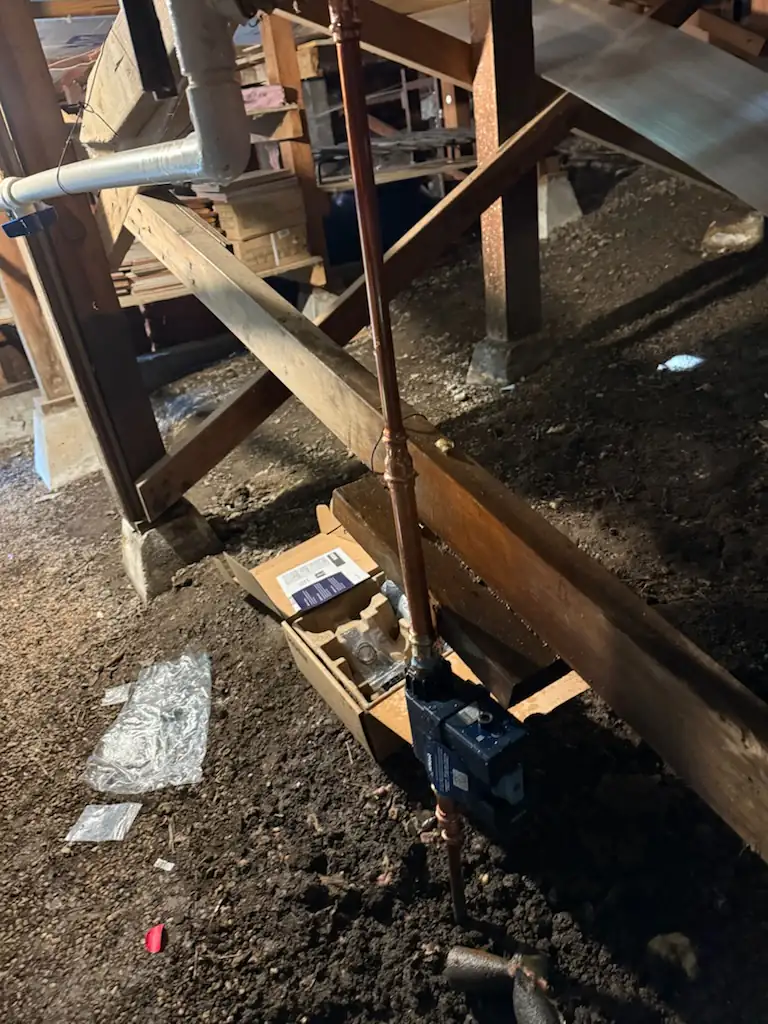
Water Leak Detector Installation
Get a free quote for water leak detector installation from your local plumbing team.
We’ll contact you about your water leak detector installation request. Privacy policy
Hear from Our Customers
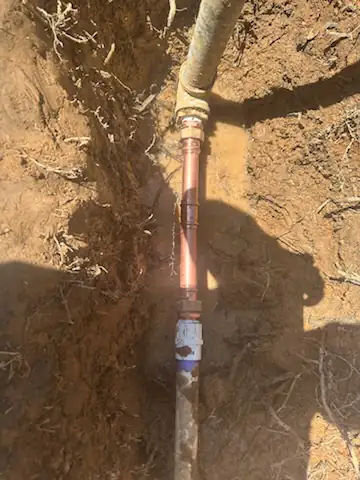
Most water damage doesn’t announce itself. It builds quietly behind walls, under floors, and inside slabs sometimes for weeks before you notice a spike on your water bill or a soft spot in the floor. By then, you’re not dealing with a leak anymore. You’re dealing with a restoration project.
Freeport’s housing stock skews older, and that matters. Copper pipes installed in homes built between the 1960s and 1990s are well-documented in Sacramento County for developing pinhole leaks a product of the region’s expansive clay soils shifting seasonally and putting constant stress on buried plumbing. Those leaks don’t make noise. They just move water somewhere it doesn’t belong, slowly and invisibly, until the damage is done.
A professionally installed whole-home detection system changes that entirely. The moment flow or moisture reads outside normal range, the system responds shutting off your main water supply automatically. If you’re out on the Sacramento River Bike Trail, at the Freeport Marina, or traveling out of state, it doesn’t matter. Your home handled it. That’s the difference between a $400 service call and a $14,000 insurance claim.
We’ve been serving Sacramento County homeowners since 2009 not as a call center operation, but as a licensed, owner-operated plumbing contractor who actually shows up, does the work, and stands behind it. Our California Contractor’s License #916322 (C-36) is on record with the CSLB and verifiable before you ever make a call.
Freeport sits at the northern edge of the Delta, and the plumbing challenges here reflect that. Saturated soils in winter, aging copper lines, and homes that have been standing for decades these aren’t abstract risk factors. They’re what our team sees regularly throughout the south Sacramento corridor, from Freeport Manor to the Pocket area and beyond. That familiarity shapes how we do the work.
Our Google rating sits at 4.7 out of 5 across 93 verified reviews. Customers consistently mention honest pricing, same-day availability, and final invoices that came in at or under the original estimate. No estimate fees, no surprises just straight answers and work that holds up.
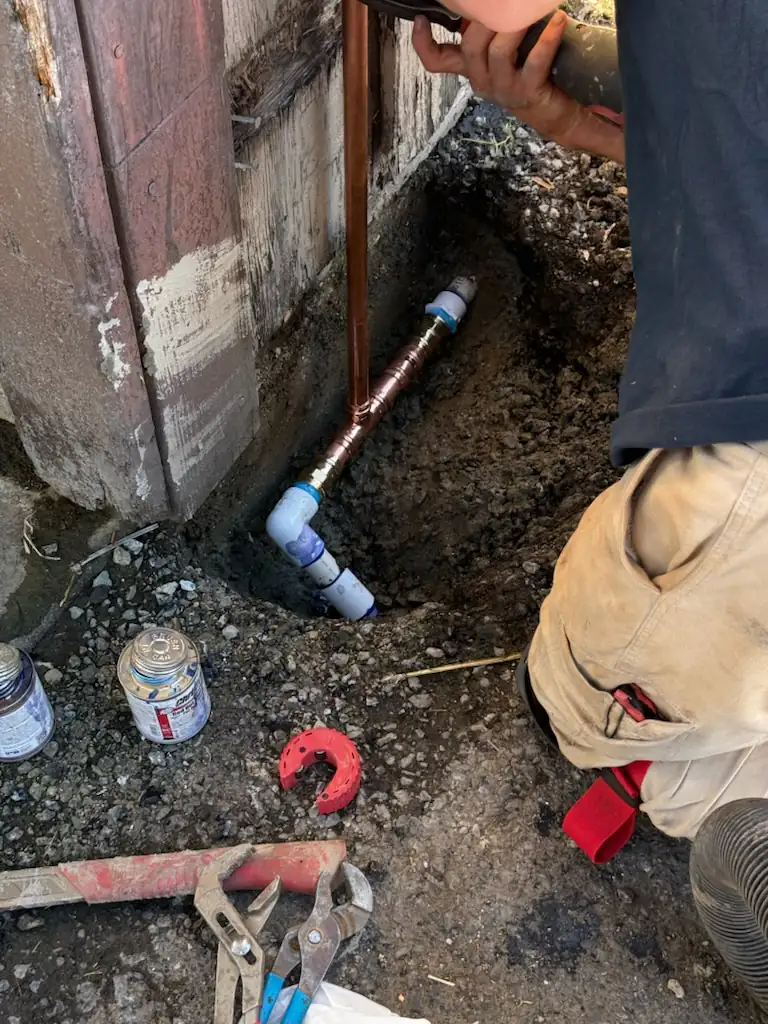
It starts with a call or booking. We come to your Freeport home, assess your main water supply line, and confirm the right system size for your specific pipe diameter. Sizing isn’t a preference it’s a code requirement under California’s plumbing standards, and getting it wrong means the system won’t perform accurately. This step alone is why a licensed installer matters more than a DIY setup.
Installation happens on your main line, positioned after the water meter and pressure regulating valve exactly where it needs to be to monitor your entire home’s water supply. For homes in Sacramento County’s unincorporated areas like Freeport, the work follows California Plumbing Code (Title 24, Part 5), and we handle compliance as part of the job. If an existing leak is found during installation, it gets addressed on the same visit no second contractor, no second appointment.
Once the device is in place, the Moen Smart Water App gets set up on your phone, alert thresholds get configured for your household’s usage patterns, and the system is tested before we leave. You’ll know how to trigger a remote shutoff, read your daily water usage, and what to do if an alert fires. That walkthrough is part of every installation not an add-on.
Ready to get started?
Our water leak detector installation in Freeport, CA covers the full scope: device sizing, main line installation, pressure regulating valve placement compliance, app configuration, alert setup, system testing, and a hands-on walkthrough before the job is closed out. The goal is that you leave the appointment knowing the system is working not hoping it is.
For Freeport and the surrounding south Sacramento corridor, that means accounting for conditions specific to this area. Older homes along Freeport Boulevard and throughout Freeport Manor often have supply lines that require careful assessment before installation. Sacramento County’s clay-heavy soils create seasonal pipe stress that accelerates wear on aging plumbing and a system installed without accounting for existing pressure irregularities won’t give you accurate readings. We check for those variables before the device goes in.
The system also integrates with your smartphone for remote monitoring and shutoff useful year-round, but especially during Freeport’s wet winters when the Sacramento River runs high and soil saturation around foundations increases the risk of moisture intrusion. Service calls start at $175, and estimates on major repairs are always free. If your homeowners insurance carrier offers a smart water sensor discount and many now do, typically in the 5% to 10% range annually the installation cost can pay for itself faster than most people expect.
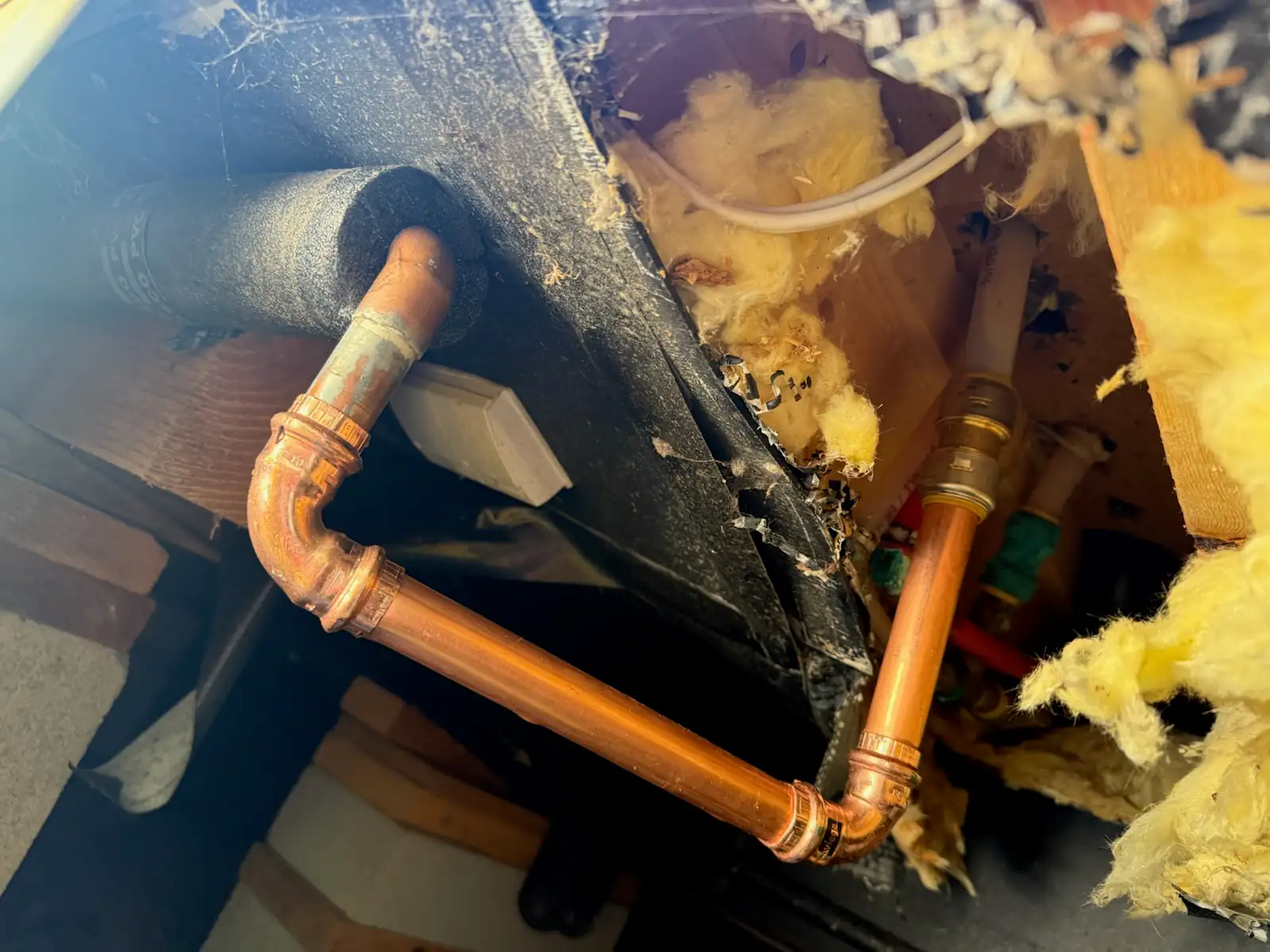
For a basic point-of-use sensor that sits on the floor near your water heater, no you can place that yourself. But that type of sensor only sends an alert. It doesn’t stop the water. A whole-home automatic shutoff system is a different installation entirely: it connects directly to your main water supply line, requires correct sizing for your pipe diameter, and must be positioned in compliance with California Plumbing Code (Title 24, Part 5). In Sacramento County’s unincorporated areas like Freeport, that work falls under state plumbing code, and doing it incorrectly can affect both system accuracy and your insurance coverage.
Beyond code compliance, there’s a practical reason to use a licensed installer. Homes in the Freeport area particularly older construction along Freeport Boulevard and in Freeport Manor often have aging supply lines with pressure irregularities that need to be assessed before a monitoring device goes in. We catch those issues before they become a problem. Our California Contractor’s License #916322 (C-36) is verifiable directly at CSLB.ca.gov before you book.
A standalone leak detector the kind you buy at a hardware store for $20 to $40 is a point-of-use sensor. It monitors one specific spot, like under your kitchen sink or near your water heater, and sends an alert if it detects moisture. That’s useful, but it only covers the area where it’s placed, and it doesn’t do anything to stop the water from flowing.
A whole-home water leak detection system works differently. It installs on your main supply line and monitors your entire home’s water flow continuously. If it detects an abnormal flow pattern a slow leak, a burst pipe, or an unusual overnight draw it can shut off the water supply automatically, without any action on your part. For Freeport homeowners who spend time on the river, at the marina, or traveling, that automatic response is the critical difference. An alert you might miss after a day on the Sacramento River is not the same as a system that already handled the problem before you got home.
Proximity to the Sacramento River affects your Freeport home’s water risk in a few specific ways. The Delta region has a naturally elevated water table, and during winter rain events and spring snowmelt, the soil around foundations in this part of Sacramento County becomes heavily saturated. That moisture puts pressure on slab foundations and buried plumbing, and it accelerates corrosion on older copper pipes which is exactly the type of pipe found in most of Freeport’s older housing stock.
There’s also the seasonal pattern to consider. Sacramento’s clay soils shrink during the dry summer months and expand again when the rains return. That repeated movement stresses buried pipes year after year, and hairline fractures that develop during the dry season can open up when the soil re-saturates in fall and winter. A whole-home detection system running continuously catches those slow leaks in real time before the damage accumulates behind a wall or under a floor where you’d never see it coming.
It can, and it’s worth asking your carrier directly before assuming the answer is no. Many major homeowners insurance providers have added smart water sensor discount programs in recent years, typically offering annual premium reductions in the 5% to 10% range for homes with professionally installed whole-home detection systems. The logic from the insurer’s side is straightforward a home with automatic shutoff capability is significantly less likely to generate a large water damage claim.
For Freeport homeowners, the math is worth running. The average water damage insurance claim nationally runs between $13,954 and $15,400. Water damage is the second most common homeowners insurance claim type six times more likely than fire and ten times more likely than theft. If your annual premium savings from a smart water sensor discount covers the installation cost within one to two years, you’re essentially getting ongoing protection for free after that point. We can’t quote your insurance discount that’s between you and your carrier but a licensed installation with documented equipment is the type of setup most carriers require to qualify.
Yes, but the installation process needs to account for what’s already there. Older homes throughout the Freeport corridor particularly those built in the 1960s through the 1990s commonly have copper supply lines that have experienced years of stress from Sacramento County’s clay soils and seasonal ground movement. Before a whole-home detection device goes on the main line, we assess the existing supply line condition, check for pressure irregularities, and confirm the correct device size for your pipe diameter.
In some cases, an existing slow leak or pressure issue gets discovered during that assessment. When that happens, it gets addressed on the same visit there’s no need to schedule a separate repair appointment. That matters in older homes where a pre-existing problem, left unaddressed, would cause a newly installed detection system to read inaccurately or trigger false alerts. The goal is a system that works correctly from day one, sized and installed for your specific home’s plumbing not a generic setup dropped in without looking at what’s behind the walls.
For most Freeport homes, a complete whole-home water leak detector installation takes between one and three hours from start to finish. That includes the supply line assessment, device installation, app setup, alert configuration, system testing, and the walkthrough where we show you how to use the remote shutoff and read your water usage data. The timeline can shift slightly depending on the age and condition of your plumbing older homes in Freeport Manor or along the Freeport Boulevard corridor sometimes have supply line configurations that take a bit more time to work with correctly.
What doesn’t change is the scope. Every installation includes the full process: sizing confirmation, code-compliant placement after the water meter and pressure regulating valve, smartphone app configuration, and a live system test before we leave. You’re not handed a device and a manual. By the time the job is done, the system is running, your phone is connected, and you know exactly what to do if an alert comes through. Service calls start at $175, and estimates on major repairs are always free no charge just to find out what you’re dealing with.
Other Services we provide in Freeport
Our Locations
From the foothills to the valley, Murray Plumbing has a licensed team close by. Find the office nearest you — we’re open 24 hours a day, 7 days a week.