That drain you've had cleared twice already? It might be trying to tell you something bigger is going on underground.
Share:
Summary:
You’ve had the drain cleared. Maybe twice. It runs fine for a few months, then slows down again — or backs up entirely. At some point, the obvious question becomes hard to ignore: why does this keep happening?
The short answer is that a recurring clog is rarely just a clog. It’s usually a symptom of something further down the line — sometimes literally. For homeowners in El Dorado County, where a lot of the housing stock is 40 to 60 years old and mature trees are everywhere, the underlying causes tend to follow a predictable pattern. Understanding what that pattern looks like is the first step toward actually fixing it.
A one-time clog can happen to anyone. Grease builds up, something gets flushed that shouldn’t, hair accumulates in a shower drain. Those are isolated problems with straightforward fixes. But when the same drain clogs again within weeks or months of being cleared, that’s a different conversation.
What you’re likely dealing with is a partial obstruction that never fully went away, or a structural issue in the pipe itself that keeps creating the same problem. Snaking a drain punches through the blockage, but it doesn’t remove what’s coating the pipe walls, and it does nothing for roots, cracks, or a pipe that’s slowly collapsing. The clog comes back because the cause was never addressed.
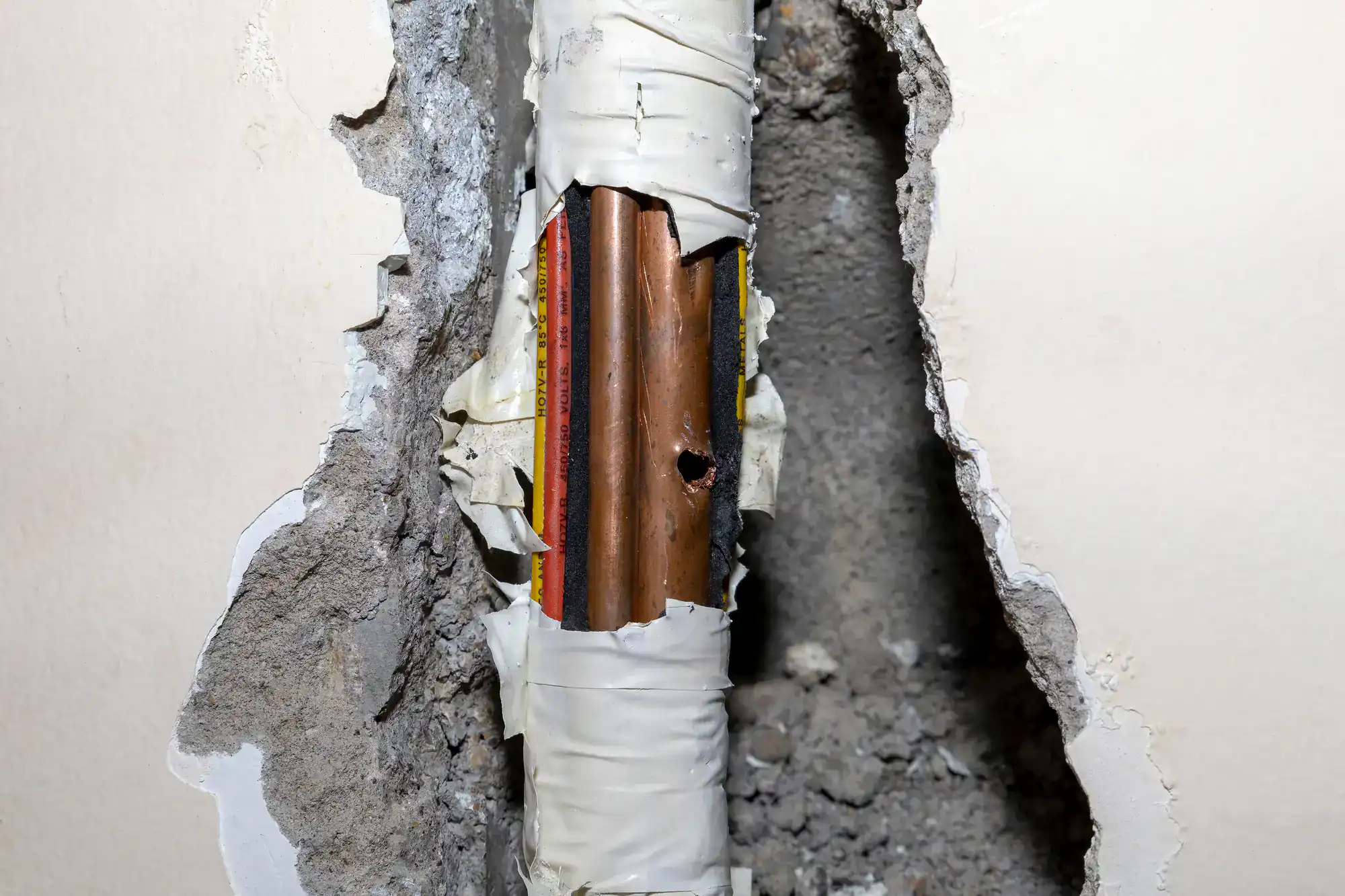
If you live in Placerville, Cameron Park, El Dorado Hills, or Shingle Springs and your home was built before the mid-1980s, tree root intrusion is one of the most likely culprits behind a recurring drain problem. This is just the reality of where you live.
El Dorado County’s foothill communities are defined by mature oaks, ponderosa pines, and gray pines. These are deep-rooted trees, and their root systems extend 20 to 30 feet or more in every direction. Older sewer lines — particularly clay and cast iron pipes common in homes built between the 1960s and 1980s — develop hairline cracks over time. Roots find those cracks, grow into them, and eventually create a partial or complete blockage.
Here’s what makes this tricky: root intrusion is quiet. The first signs are easy to dismiss — a slow drain here, a mild gurgle there. By the time it becomes an obvious backup, the roots may have been growing inside the pipe for a year or more. And because root systems don’t stop growing, clearing the line without addressing the underlying cause only buys you time. Most homeowners see the same problem return within one to three years.
There’s also a seasonal pattern worth knowing. Tree roots grow most aggressively in spring. If your drain problems tend to flare up around March or April and ease off in the fall, that’s a clear diagnostic signal. When we inspect a line and hear that pattern from a homeowner, we know exactly what we’re looking for.
A camera inspection is the only way to confirm root intrusion without guessing. Once we can see inside the line, we know exactly what we’re dealing with — and we can recommend the right fix rather than just clearing the line again and sending you on your way.
Tree roots aren’t the only thing that causes recurring drain problems in older homes. The pipes themselves deteriorate over time, and most sewer lines have a lifespan of 30 to 50 years depending on the material and conditions. A lot of homes in El Dorado County — particularly in established neighborhoods in Placerville and the older sections of El Dorado Hills — are sitting on original sewer infrastructure that’s now well past that range.
Clay pipes crack. Cast iron corrodes. Both materials develop rough interior surfaces over time that catch debris more easily, which means clogs form faster and more frequently than they would in newer PVC pipe. In some cases, a section of pipe has shifted or settled — what’s called a bellied pipe — creating a low spot where water and waste pool instead of flowing freely. That’s a structural problem that no amount of drain cleaning will fix.
There’s also the matter of joint failure. Older pipes were often connected with mortar or rubber gaskets that break down over decades. When joints separate or crack, two things happen: roots get in, and sewage leaks out into the surrounding soil. That second part matters more than most homeowners realize. A leaking sewer line doesn’t just create a recurring clog — it can saturate the soil around your foundation, introduce bacteria into your yard, and create conditions that get significantly more expensive to remediate the longer they go unaddressed.
One sign homeowners sometimes notice: an unusually green or lush strip of grass running from the house toward the street. That’s not good luck with your lawn — that’s sewage acting as fertilizer, which means your sewer line is already leaking. If you’ve seen that in your yard, a sewer inspection should be the next call you make, not something to wait on.
The good news is that catching pipe deterioration early — before a full collapse — opens up repair options that are far less disruptive and far less expensive than emergency replacement. That’s exactly why professional diagnostics exist.
Want live answers?
Connect with a Murray Plumbing expert for fast, friendly support.
The impulse to clear a clog and move on is understandable. It’s faster, it’s cheaper in the short term, and it works — for a while. But if you’ve already had a drain cleared once or twice and the problem keeps coming back, you’re not dealing with a simple clog anymore. You’re dealing with a symptom, and treating the symptom without finding the cause is how a $300 problem eventually becomes a $10,000 one.
Professional sewer diagnostics — specifically waterproof camera inspection — let us see exactly what’s happening inside the line before recommending any work. That means no guessing, no unnecessary repairs, and no one asking you to approve a major job based on a hunch. You see what we see, and we go from there.
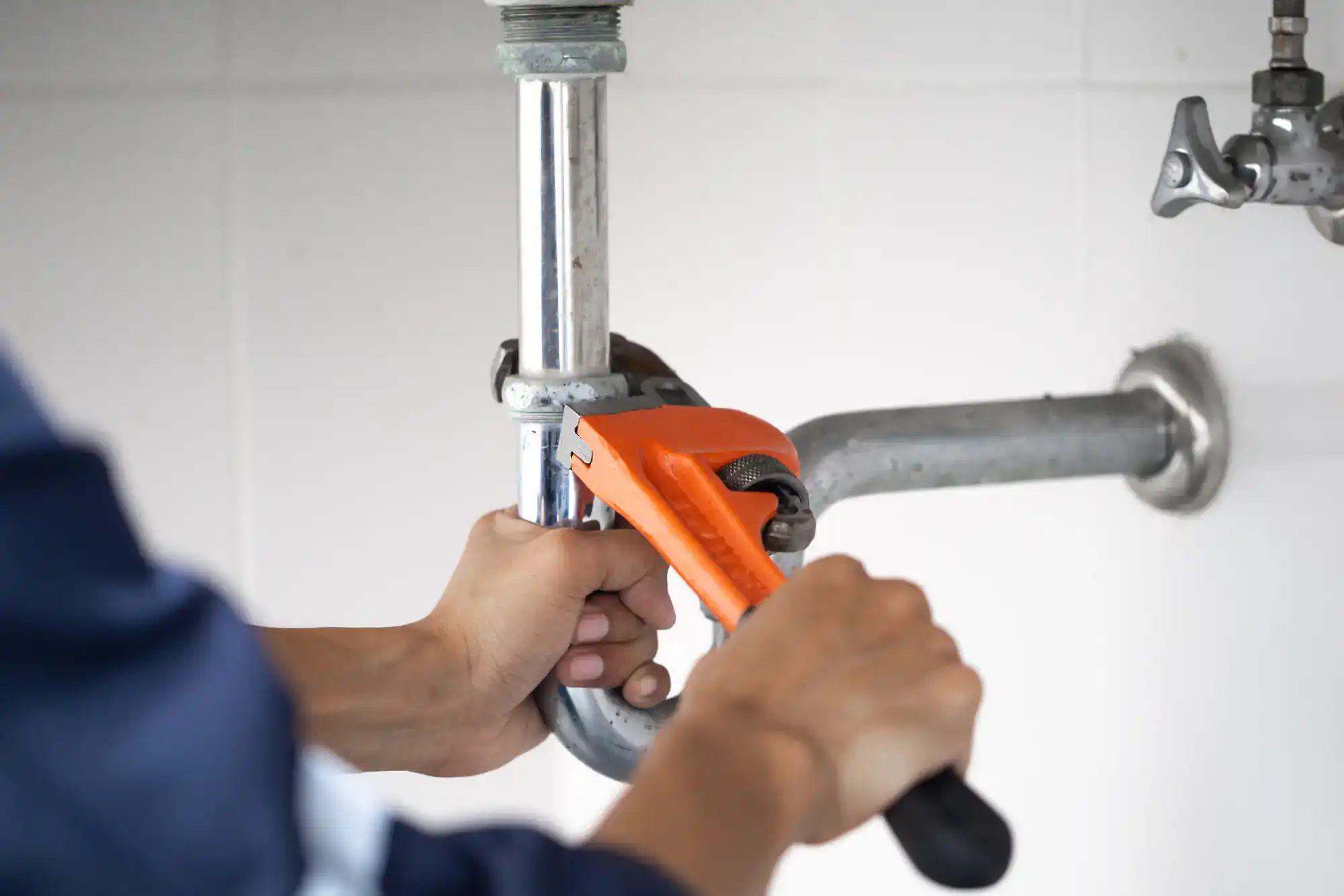
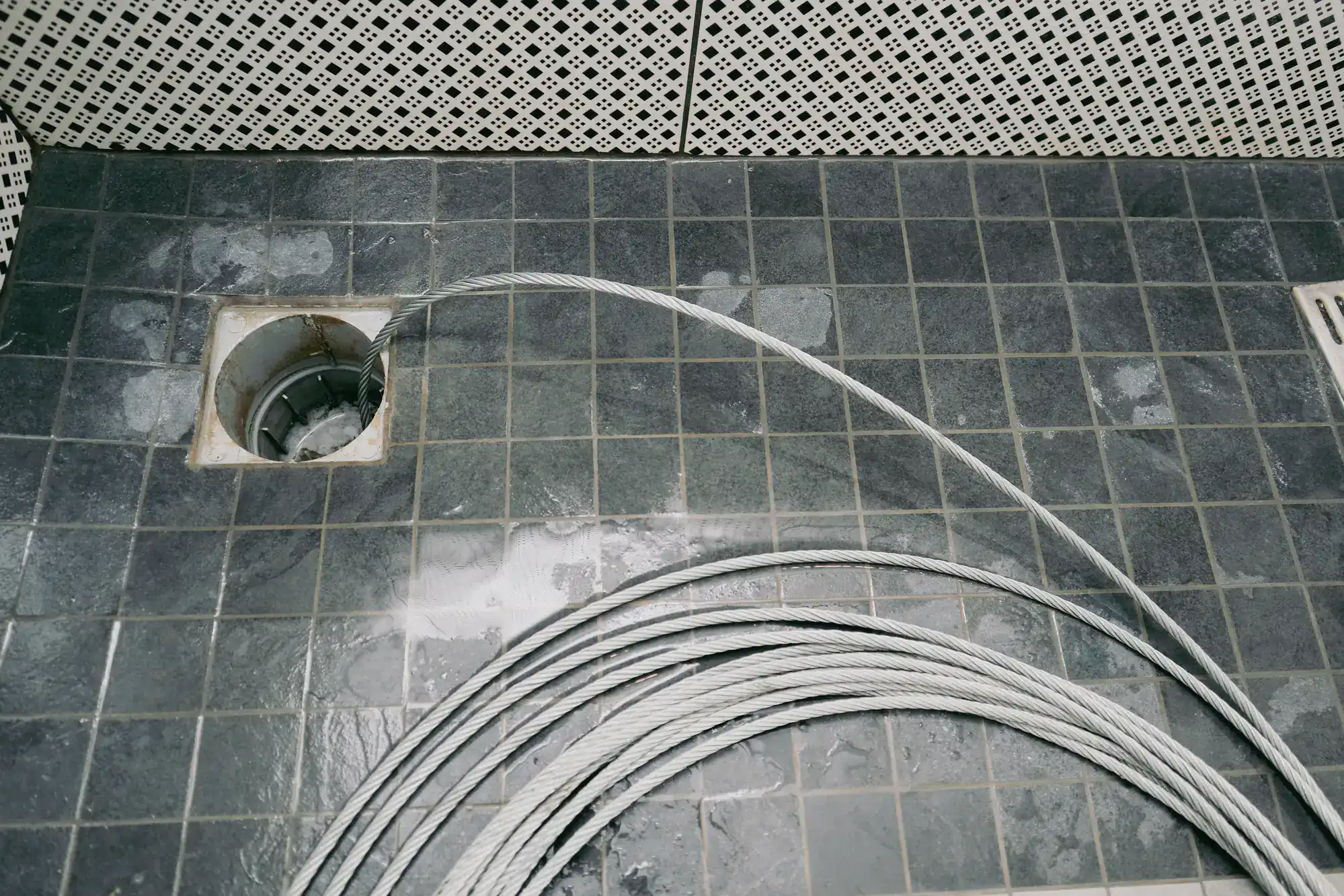
Snaking a drain — also called rodding — works by physically breaking through a blockage. It’s the right tool for a simple, isolated clog, and it does the job quickly. But it has a real limitation: it punches a hole through the obstruction without removing what’s built up on the pipe walls. Grease, mineral deposits, root fragments, and years of accumulated debris stay right where they are, and the next clog forms faster because the pipe is already partially coated.
Hydro jetting works differently. It uses high-pressure water — typically in the range of 3,000 to 4,000 PSI — to scour the entire interior surface of the pipe clean. Not just the blockage, but everything clinging to the walls. When we’re done, the pipe looks and flows like it should. The results last dramatically longer than a standard snake job, especially for homes dealing with grease buildup or partial root intrusion.
That said, hydro jetting isn’t always the right call. If a pipe is already significantly deteriorated, high-pressure water can cause more harm than good. That’s one more reason a camera inspection matters before any cleaning method is chosen — we need to know what condition the pipe is actually in before we decide how to treat it. Recommending the right tool for the specific problem in front of us is part of the job.
For homeowners in El Dorado County who’ve been through the cycle of clearing the same drain every six to twelve months, hydro jetting is often the answer they haven’t tried yet. It doesn’t just buy time — it actually resets the pipe.
This is one of the most common questions we hear, and the honest answer is simpler than most people expect. If your drain has clogged more than once in the past year, a camera inspection is worth doing. That’s the threshold. One clog can be coincidence. Two or more in the same line is a pattern, and patterns have causes.
There are a few other signals that point toward a sewer inspection rather than a simple drain cleaning. If multiple drains in your home are slow at the same time — the kitchen sink, a bathroom drain, and a toilet all sluggish within the same week — that’s rarely about individual fixture clogs. It points to a problem in the main sewer line, where everything converges. Similarly, if you hear gurgling sounds from a toilet when you run the washing machine, or water backs up into the tub when the toilet is flushed, those are signs of a main line issue.
For El Dorado County homeowners specifically, the age of your home matters a lot here. If your house was built before 1985 and you haven’t had your sewer line inspected in the last several years, it’s worth doing even without a specific symptom. The original sewer infrastructure in many Placerville neighborhoods, older Cameron Park homes, and the earliest sections of El Dorado Hills is now past the expected lifespan for clay and cast iron pipe. An inspection isn’t an alarm bell — it’s just good information to have.
We use waterproof camera technology to run a visual inspection of the line from the cleanout to the street connection. The whole process is non-invasive, and you’ll know exactly what condition your pipes are in before any repair conversation starts. If everything looks fine, that’s genuinely good news and we’ll tell you so. If there’s a problem, you’ll see it on the screen alongside us — and we’ll explain what it means in plain language before discussing any next steps.
Recurring drain clogs are one of the most overlooked warning signs in home maintenance. They’re easy to dismiss because the fix — clearing the line — is quick and the problem temporarily goes away. But if the same drain keeps backing up, the pipe is telling you something, and it’s worth listening before the repair bill gets much larger.
The underlying causes — root intrusion, pipe deterioration, bellied or cracked sewer lines — don’t resolve on their own. They get worse, slowly and quietly, until they don’t. Catching them early with a proper inspection is almost always the cheaper path.
If you’re dealing with a recurring drain problem anywhere in El Dorado County, we can take a look the same day in most cases. We’ll show you exactly what’s going on before recommending anything, and the price we quote is the price you pay. No diagnostic fees just to show up, no pressure, no guessing.
Article details:
Share:
Continue learning: