

Gas Line Repair
Get a free quote for gas line repair from your local plumbing team.
We’ll contact you about your gas line repair request. Privacy policy
Hear from Our Customers
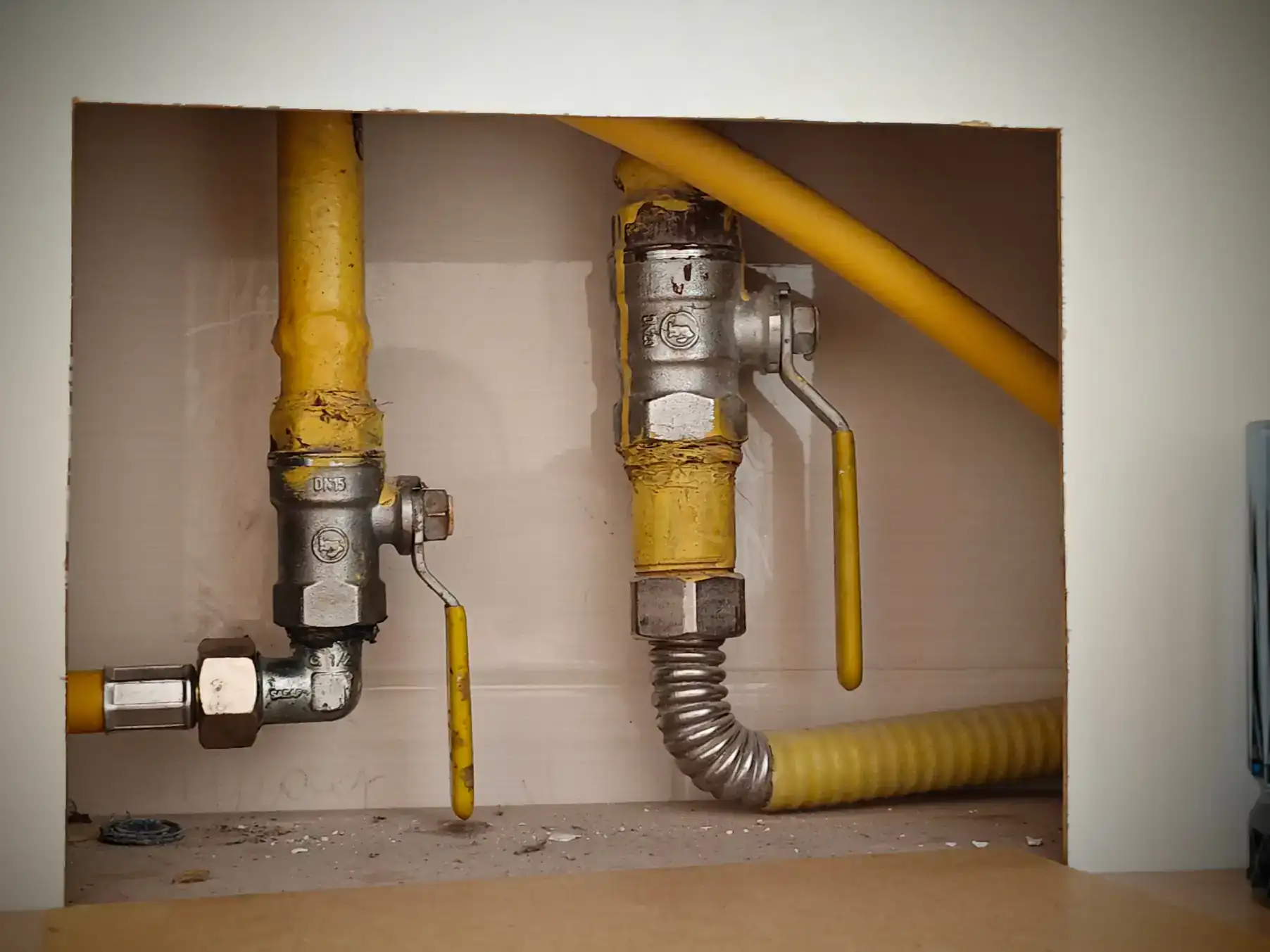
When your gas line is repaired correctly, you stop wondering. No more catching a faint smell near the stove and telling yourself it’s probably nothing. No more turning the furnace on in October and holding your breath. You get your house back and in Rio Linda, where the median home was built in 1971 and a significant share of homes date back to the 1940s and 1950s, that peace of mind is not a small thing. These are houses with original steel gas lines that have been in the ground for 60, 70, sometimes 80 years.
The soil here compounds the problem. Rio Linda sits on hardpan a dense, silted clay that swells when the winter rains arrive and contracts again through the dry Sacramento Valley summer. That cycle repeats every year, and every year it puts a little more stress on buried fittings and joints that were installed when Eisenhower was president. A repair that addresses the root cause not just the visible leak means you’re not calling a plumber again in six months for the same line.
Getting the gas back on also means your household functions again. Hot water, cooking, heat all of it tied to a system that most people don’t think about until it stops working. When it’s done right, you don’t have to think about it again.
We’ve been working in Sacramento County for over 24 years, which means we’ve been inside homes along Elkhorn Boulevard, off Dry Creek Road, and throughout the unincorporated communities north of Sacramento long enough to know exactly what aging infrastructure looks like out here and what it actually takes to fix it.
We hold a C-36 CSLB plumbing contractor license, carry a 4.7 out of 5 rating across 93 verified Google reviews, and operate with one straightforward policy: you get the exact price before any work begins. No adjustments when the job is done, no fees that appear on the final invoice that weren’t on the estimate. Some customers have actually come in under the original quote.
Because Rio Linda is unincorporated Sacramento County, all gas line permits and inspections run through the Sacramento County Building Permits and Inspection Division not a city building department. We handle that process as a standard part of every replacement job, so you’re not left navigating county paperwork on your own.
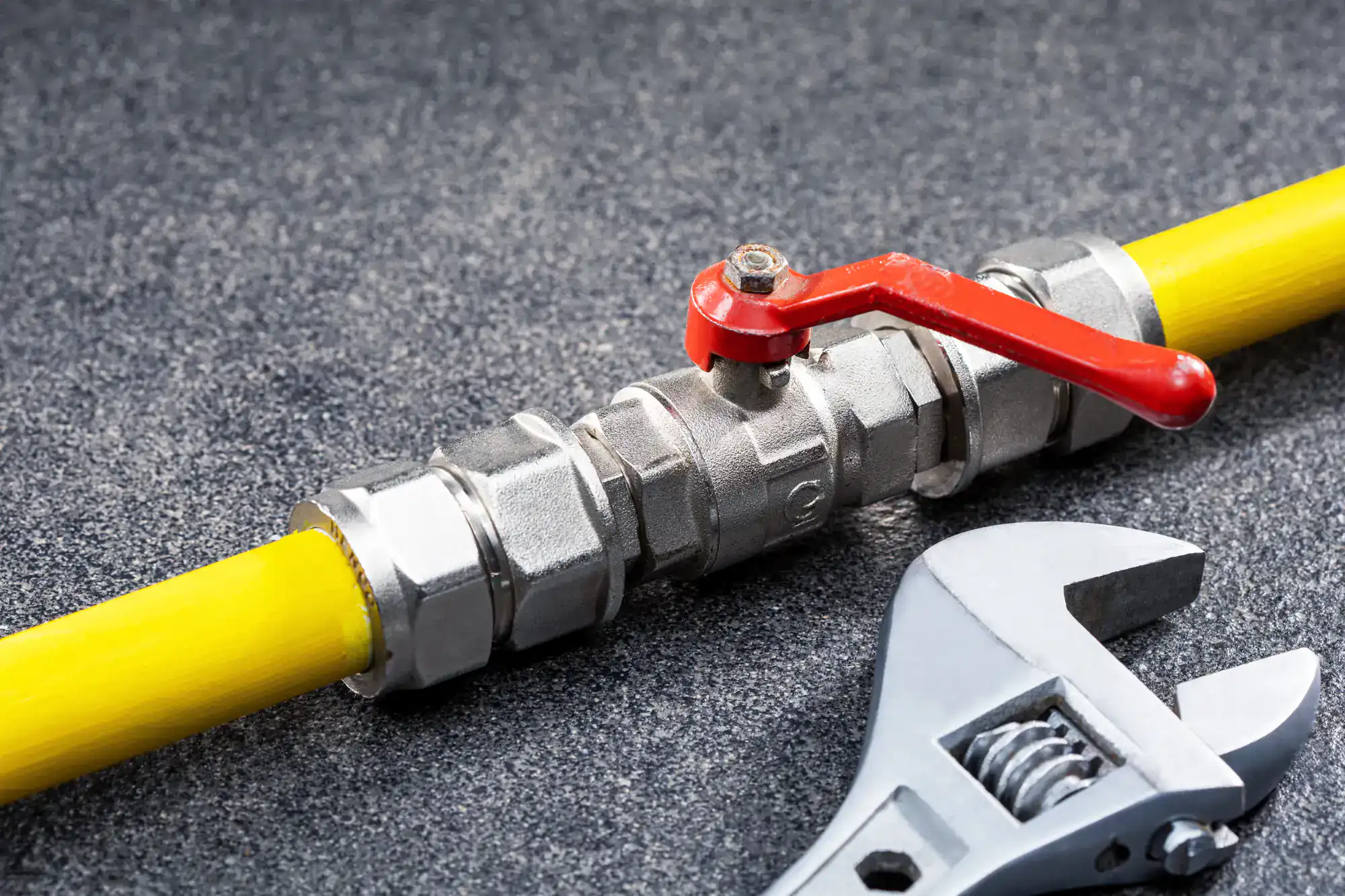
It starts with a call. If you’re smelling gas, hearing something unusual near your meter, or your appliances are behaving strangely, that call can happen at 2 in the morning on a Saturday and the rate doesn’t change because it’s the weekend. We offer 24/7 emergency response with no after-hours surcharges, which matters in a community where most residents work during the week and gas problems have a way of showing up when it’s least convenient.
When our technician arrives, the first step is a thorough diagnostic. For Rio Linda homes many of which were built in the 1950s and 1960s with original steel gas piping that means looking beyond the visible issue to assess the overall condition of the line. A small leak at a fitting is sometimes a symptom of a longer section of pipe that has been corroding from the inside out for years. The diagnostic tells you what you’re actually dealing with before any repair decision is made.
From there, you get a written estimate with the full cost laid out. Once you approve it, the work gets done. If a permit is required through Sacramento County and for most significant repairs or replacements, it is we file the application and schedule the inspection. The job isn’t finished until the work passes county inspection and your gas is safely back on.
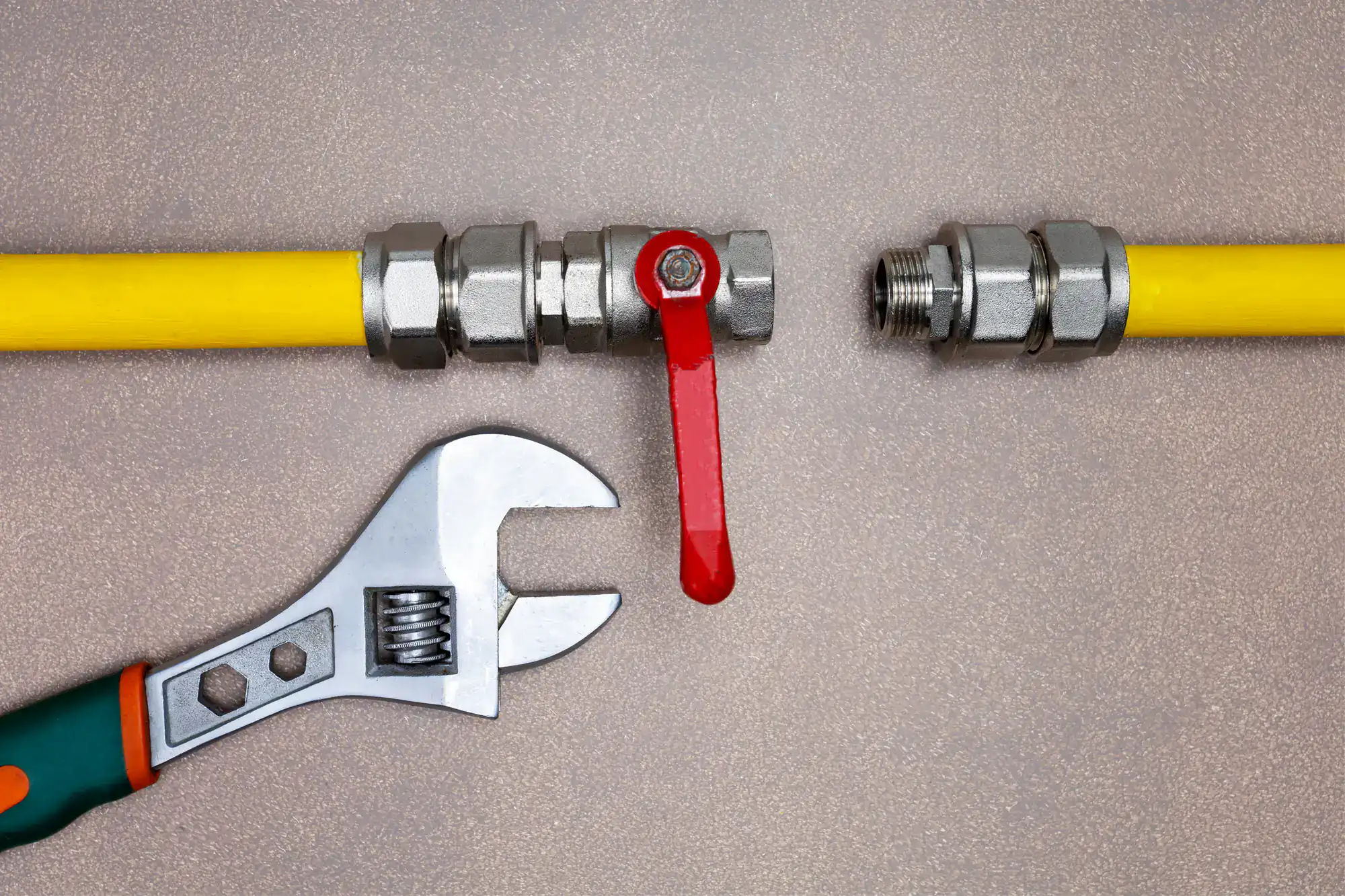
Ready to get started?
Gas line repair in Rio Linda covers a wider range of situations than most homeowners expect when they first call. It includes locating and repairing active leaks, replacing sections of corroded or failing steel pipe, upgrading aging gas lines to modern materials, and connecting new appliances whether that’s a gas range in the kitchen or an outdoor fire pit on a large lot. Rio Linda’s rural character means many properties here have outbuildings, detached garages, or outdoor living setups with longer underground gas runs, and those lines are subject to the same hardpan soil movement that affects everything buried in this area.
We handle residential gas line work across the full scope: from the meter connection to every appliance in the house. That includes furnaces and water heaters that get turned back on every October after sitting idle through the Sacramento Valley summer a transition point when dormant leaks tend to show up as well as new gas line installations for appliances being added to the home.
All work is performed by a C-36 licensed contractor, which California law requires for any gas line job over $500 in combined labor and materials. Permits are pulled through the Sacramento County Building Permits and Inspection Division when required, and no job is considered complete until the county inspection is passed and the system is confirmed safe.
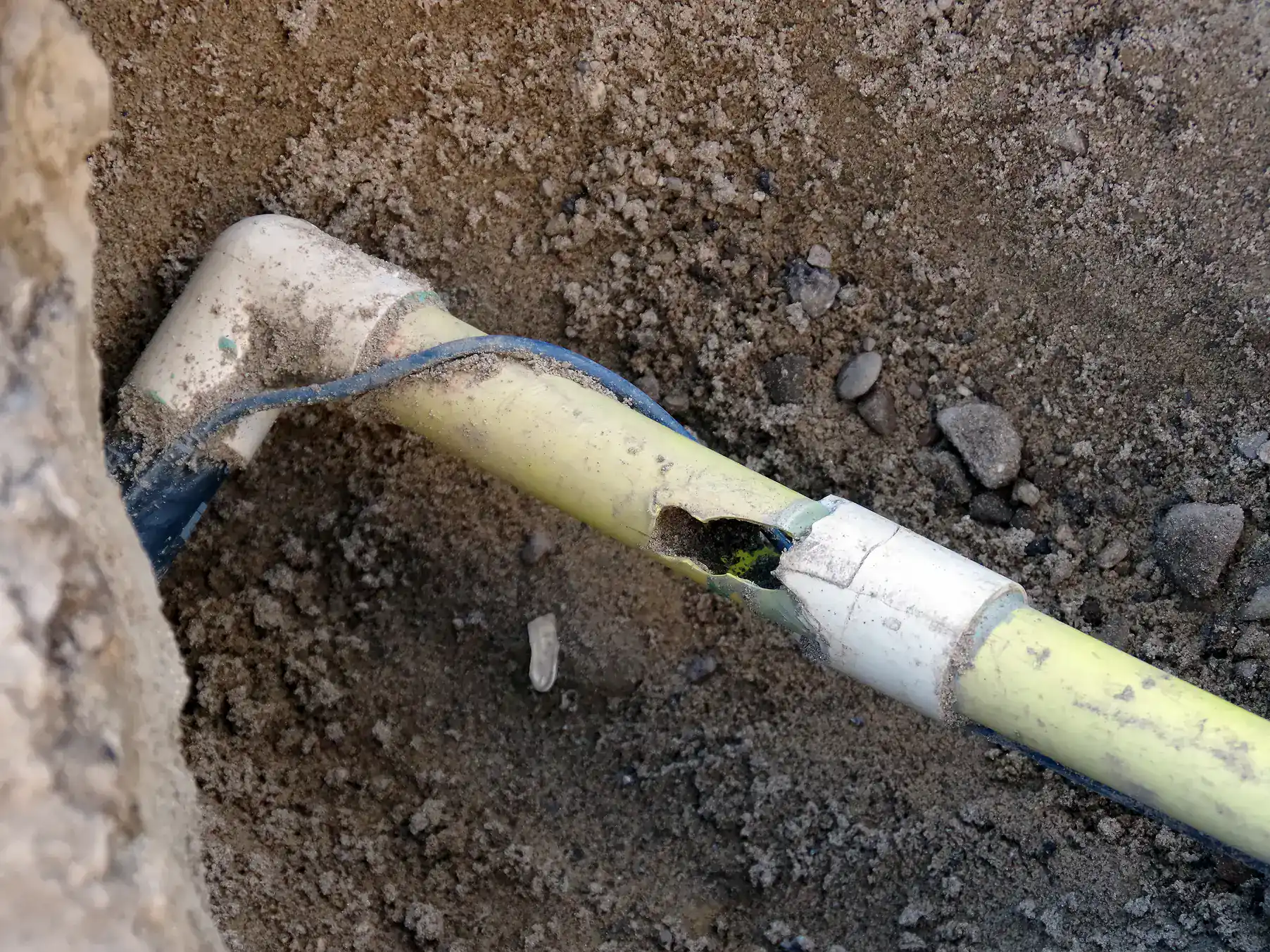
Because Rio Linda is an unincorporated community in Sacramento County not an incorporated city all permits and inspections for gas line work go through the Sacramento County Building Permits and Inspection Division, not a city building department. That distinction trips up a lot of homeowners who aren’t sure which agency to contact.
For most significant gas line repairs, replacements, or new installations, a permit is required. Sacramento County’s plumbing code is clear that no gas utility connection will be authorized until a county building official has inspected and approved the work. Skipping that step doesn’t just create a code violation it can void your homeowner’s insurance coverage if a gas-related incident occurs, and it creates real problems when you sell the home and a buyer’s inspector or title company flags unpermitted work. We handle the permit application and inspection scheduling as a standard part of every job, so you don’t have to figure out the county process on your own.
For most homeowners in Rio Linda, common gas line repairs fall somewhere in the $260 to $820 range. A full gas line replacement or new installation tends to run higher averaging around $600 depending on the length of the run, the materials involved, and whether permit fees apply. Those are ballpark figures, and the actual cost for your home depends on what the diagnostic finds.
What matters more than the range is knowing the exact number before anyone starts working. We provide a written estimate upfront the price on that estimate is the price on the invoice. There are no adjustments after the fact. For Rio Linda homeowners, many of whom work in the construction trades and have a clear sense of what labor and materials actually cost, that transparency isn’t a marketing point it’s just the baseline for doing business honestly. Some customers have ended up paying less than the original estimate when the job came in simpler than expected.
It’s a fair question, and the honest answer is: it depends on what’s in there. Homes built in the 1950s and 1960s in Rio Linda were typically plumbed with steel or galvanized gas pipe. That material corrodes from the inside out over time, which means the outside of the pipe can look fine while the interior has been degrading for years. By the time a visible leak or a sulfur smell appears, the pipe may already be in poor condition across a longer section of the run.
Rio Linda’s soil adds another factor. The hardpan beneath this area dense silted clay expands when the winter rains come in and contracts again through the dry summer. Over 60-plus years, that movement puts real mechanical stress on buried fittings and joints. A professional inspection can tell you whether your lines are holding up or whether a section needs to be replaced before it becomes an emergency. That’s a much better position to be in than discovering the problem at 9 PM when the smell is already strong enough to evacuate the house.
The most obvious sign is a sulfur or rotten egg smell that odor is added to natural gas intentionally so you can detect it. A hissing sound near a gas appliance, meter, or buried line is worth taking seriously. If your gas bill has climbed without a change in your usage habits, that can indicate a slow leak somewhere in the system. Appliances that are harder to light than they used to be, or that produce a yellow or orange flame instead of a clean blue one, can point to a pressure or supply issue upstream.
In Rio Linda’s older housing stock, it’s also worth paying attention after a long dry summer ends and the wet season begins. Furnaces and water heaters that have sat mostly idle through the Sacramento Valley heat get turned back on in October and November, and that’s when a fitting that was barely holding under low-use conditions can fail under normal operating pressure. If something feels off when you fire up the heat for the first time each fall, don’t wait to have it checked.
For most straightforward repairs a failing fitting, a short section of corroded pipe, a leaking connection at an appliance the work itself is typically completed in a few hours. The diagnostic comes first, which takes time to do properly, especially in an older Rio Linda home where the gas system may not have been professionally inspected in years. Once the scope of work is clear and the estimate is approved, most repairs move quickly.
Replacements that involve longer pipe runs, underground sections, or multiple appliances take longer potentially a full day for a more involved job. If a Sacramento County permit is required, the inspection scheduling adds time to the overall timeline, though we coordinate that process directly so it doesn’t create unnecessary delays. The goal is always to get your gas back on as fast as the job can be done correctly not as fast as it can be done, period. A rushed repair on a 1960s gas line is not a repair you want to be calling about again in three months.
Yes, and it’s a more common request in Rio Linda than in most Sacramento-area communities. The area’s semi-rural character larger lots, equestrian properties, detached outbuildings, outdoor living spaces means a lot of homes here have gas infrastructure that extends well beyond the main house. Outdoor fire pits, BBQ connections, pool and spa heaters, and gas lines running to detached garages or workshops all fall within the scope of what we handle.
Longer underground gas runs come with their own considerations. The more footage of pipe buried in Rio Linda’s hardpan soil, the more exposure that line has to the seasonal expansion and contraction cycle that stresses fittings over time. An outdoor gas line that was installed 20 or 30 years ago and has never been inspected is worth having looked at not because something is necessarily wrong, but because the conditions here are genuinely harder on buried lines than they are in denser suburban areas with different soil profiles. We assess the full run, not just the connection point at the appliance, so you know the condition of everything between the meter and the end use.