Small plumbing problems rarely stay small. Here's how El Dorado County homeowners can stay ahead of expensive repairs before they happen.
Share:
Summary:
Most homeowners don’t think about their plumbing until something goes wrong. That’s understandable — when everything’s working, there’s no reason to look twice at a faucet or wonder what’s happening inside your sewer line. But that’s also exactly how a slow drip becomes water damage, or a minor root intrusion becomes a collapsed sewer line that costs more to fix than most people spend on a used car.
If you own a home in El Dorado County, this is worth paying attention to. The combination of older housing stock, foothill weather swings, and heavy winter rains creates conditions that are genuinely hard on plumbing systems. The good news is that most of the worst outcomes are preventable — and that’s what this guide is about.
The median home in El Dorado County was built in 1982. That means the average house in Placerville, Shingle Springs, or Cameron Park is over 40 years old — and in many cases, the plumbing inside it has never been touched since it was installed. Galvanized steel pipes from that era corrode from the inside out, slowly restricting water flow and eventually failing without much warning. Cast iron sewer lines crack, shift, and become targets for tree roots over decades of use.
Layer on top of that the climate. Placerville sits at nearly 1,900 feet. Pollock Pines is closer to 3,600. Winter temperatures drop below freezing regularly, and the foothills average around 40 inches of rain per year — most of it falling between October and March. That combination of freeze risk and heavy seasonal rain puts real stress on pipes, sewer lines, and water heaters in ways that flat Sacramento Valley homes simply don’t experience.

The EPA estimates that the average home leaks around 10,000 gallons of water per year. That’s not from burst pipes or dramatic failures — that’s from dripping faucets, running toilets, and worn-out supply line connections that most homeowners have learned to tune out. A faucet dripping once per second wastes more than 3,000 gallons annually. A running toilet can burn through 200 gallons a day. These aren’t catastrophic problems, but they’re not free either, and they tend to get worse, not better, on their own.
The bigger concern is what you can’t see. Slow leaks behind walls or under slabs don’t announce themselves. They work quietly, saturating insulation, rotting subfloor, and creating the conditions for mold growth long before any visible sign appears. By the time a homeowner notices a soft spot in the floor or a stain on the ceiling, the damage has usually been accumulating for months. Water damage claims in the U.S. average between $12,000 and $15,000 per incident — and that figure doesn’t account for the disruption of living through a remediation project.
This is the core argument for preventative plumbing maintenance: it’s not about being overly cautious. It’s about catching the $300 problem before it becomes the $12,000 problem. A routine inspection costs a fraction of what emergency repairs run, and it gives you a clear picture of where your home’s plumbing actually stands — no guessing, no surprises.
For older homes throughout El Dorado County, that picture matters more than most homeowners realize. A plumber who knows what galvanized pipe looks like at 45 years old, or what early-stage root intrusion looks like on a sewer camera, can tell you whether you have six months or six years before something needs to be addressed. That information is genuinely valuable.
El Dorado County’s seasons are hard on plumbing in ways that are easy to overlook until you’ve dealt with the consequences. Fall is the best time to get ahead of winter, and the checklist is straightforward: check the insulation on any pipes in your crawl space, garage, or exterior walls; have your water heater inspected and flushed to clear sediment buildup; and if you haven’t had a sewer camera inspection in the last few years, this is the right time to schedule one before the heavy rains arrive.
Winter is when freeze risk becomes real. Homes in Pollock Pines, Camino, and higher-elevation parts of the county are most exposed, but even Placerville-area homes can experience frozen pipes during a hard cold snap. A burst pipe from freezing can release 250 gallons of water in a single day. The fix is usually inexpensive if you catch it early — and catastrophic if you don’t.
Spring tends to reveal what winter did. After the wet season, it’s worth having a plumber take a look at your sewer line if you’ve noticed any slow drains or gurgling sounds. Heavy rain saturates the soil and accelerates root intrusion into older clay or cast iron sewer lines. What starts as a partial blockage can progress to a complete backup if it’s not cleared. We see this pattern repeat every year in El Dorado County, and it’s almost always more manageable when it’s caught before the line is fully compromised.
Summer brings its own considerations. Water heaters work harder during periods of high household use, and outdoor plumbing — hose bibs, irrigation connections, any exposed supply lines — takes more wear. If your home is one of the vacation properties in the higher elevations of El Dorado County that sits empty for stretches at a time, a pre-season check before you leave is worth the hour it takes. Slow leaks don’t pause while you’re away.
Want live answers?
Connect with a Murray Plumbing expert for fast, friendly support.
Not all maintenance carries the same return. Some inspections and services consistently prevent the most costly outcomes — and for El Dorado County homeowners with significant equity in their properties, knowing which ones to prioritize makes a real difference.
Sewer camera inspections, water heater maintenance, and leak detection are the three areas where a modest investment in routine service most reliably prevents five-figure repair bills. They’re also the areas where most homeowners have the least visibility into what’s actually happening inside their home’s systems.
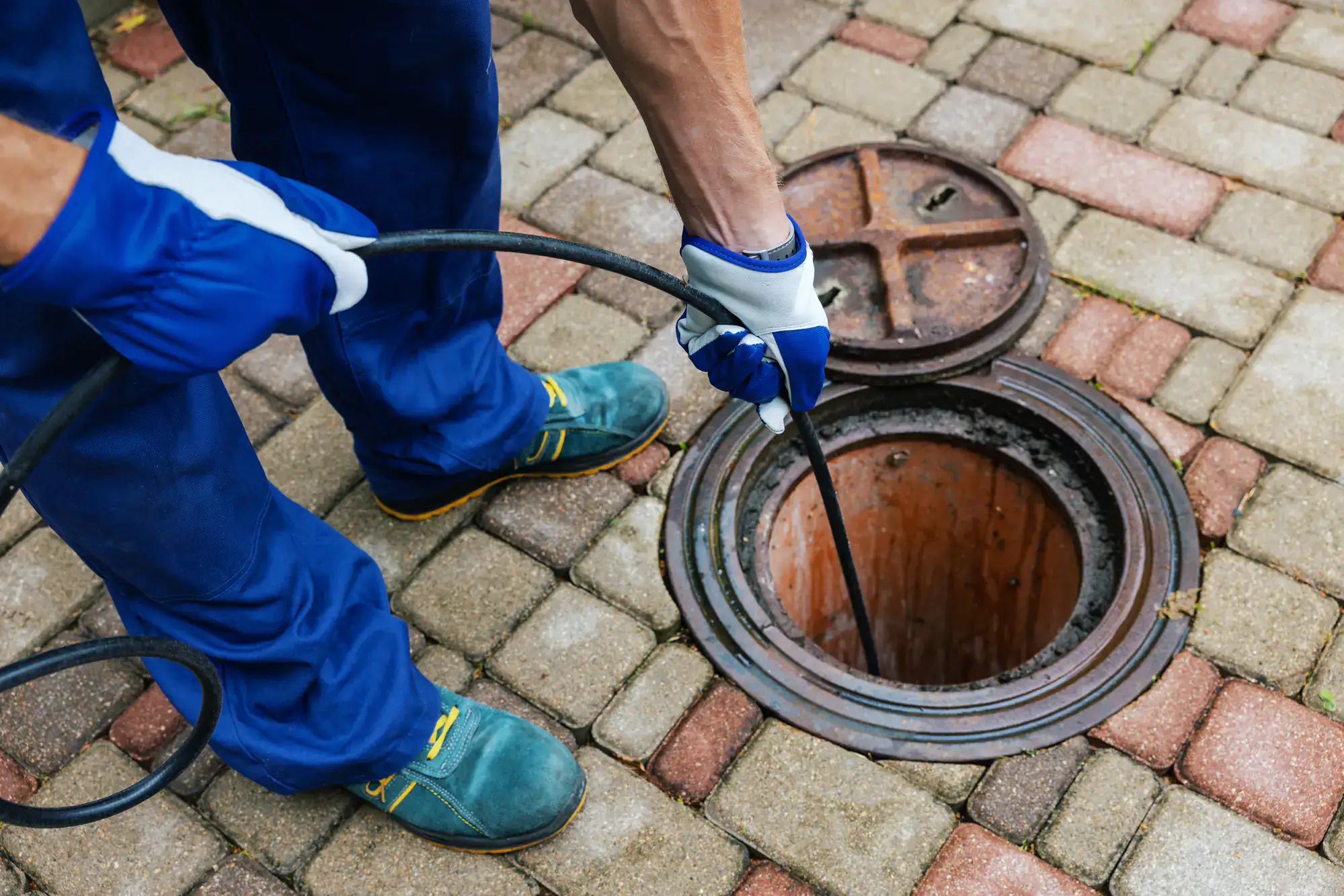
A sewer camera inspection is exactly what it sounds like: a waterproof camera fed through your sewer line to show, in real time, what’s happening inside the pipe. It can reach underground lines, pipes running under your foundation, and sections buried beneath concrete — places that are completely inaccessible without excavation. What it reveals is often surprising to homeowners who assumed everything was fine because they hadn’t had a backup yet.
Root intrusion is the most common finding in El Dorado County’s older neighborhoods. Tree roots follow moisture, and a small crack in an aging clay or cast iron sewer line is an open invitation. Early-stage intrusion looks like thin tendrils reaching into the pipe — manageable with hydro jetting and a plan to monitor the line. Left alone for another season or two, those same roots can fill the pipe entirely, causing backups and eventually collapsing the line. A full sewer line replacement runs anywhere from $5,000 to $15,000 depending on depth, length, and access. A camera inspection and hydro jetting service costs a fraction of that.
The other value of a camera inspection is that it takes the guesswork out of the conversation entirely. We can show you exactly what we found, explain what it means, and give you an honest assessment of the timeline before it becomes urgent. There’s no pressure to approve work you can’t see or verify — the footage speaks for itself. For homeowners in Placerville and the surrounding foothill communities who’ve been in their homes for decades, that kind of transparency tends to be genuinely reassuring, especially when the alternative is wondering whether something expensive is quietly building underground.
If your home was built before 1990 and you’ve never had a sewer inspection, it’s worth scheduling one. Not because something is definitely wrong, but because knowing either way is worth more than not knowing.
Tank water heaters have a typical lifespan of 8 to 12 years. Tankless units last longer — closer to 15 to 20 years with proper maintenance. But in both cases, lifespan is heavily influenced by how well the unit has been maintained, and most homeowners have never had their water heater serviced at all. Sediment accumulates at the bottom of tank units over time, reducing efficiency, increasing energy costs, and accelerating corrosion from the inside. An annual flush clears that buildup and extends the life of the unit meaningfully.
The warning signs of a water heater that’s approaching the end of its life are usually there if you know what to look for: inconsistent water temperature, a rumbling or popping sound when the unit heats up, rust-colored water at the hot tap, or visible corrosion around the base. Any of these is worth a professional look. A water heater that fails unexpectedly doesn’t just mean cold showers — it can flood a garage or utility room quickly, and water damage from an appliance failure runs between $3,500 and $25,000 depending on how long it goes undetected.
Leak prevention more broadly comes down to a few high-value habits. Checking the supply lines under sinks and behind toilets takes about five minutes and can catch a slow leak before it damages cabinetry or subfloor. Having your pressure-reducing valve tested periodically is worth doing in older El Dorado County homes — high water pressure accelerates wear on every fixture and fitting in the house. And if your home has galvanized steel pipes, getting a professional assessment of their current condition is genuinely important. Galvanized pipe corrodes from the inside out, and by the time flow restriction becomes noticeable, the pipe is often near the end of its usable life. Repiping is a significant project, but it’s far less disruptive when it’s planned than when it’s forced by a failure.
We’ve worked on homes throughout El Dorado County — from historic properties in downtown Placerville to newer construction in El Dorado Hills — and the pattern is consistent: the homeowners who invest in routine maintenance deal with far fewer emergencies, and when something does come up, it tends to be smaller and less expensive because it was caught early.
Preventative plumbing maintenance isn’t complicated, but it does require someone who knows what they’re looking at — and who will tell you the truth about what they find. In a semi-rural county where the nearest large plumbing company is in Sacramento, that combination of local knowledge and honest service matters more than it might in a denser market.
The homes in El Dorado County are varied and, in many cases, aging. The climate is genuinely demanding. And the cost of a major plumbing failure — water damage, sewer line replacement, emergency repairs — is high enough that a routine inspection pays for itself many times over if it catches one serious problem early.
If you’ve been putting off a plumbing inspection, or you’re not sure what shape your pipes, water heater, or sewer line are actually in, that’s exactly the kind of question we’re here to answer. We’ve been serving El Dorado County homeowners for over 24 years, and we’re happy to give you a straight answer about what we find — no pressure, no hidden charges, just an honest assessment of where things stand.
Article details:
Share:
Continue learning: