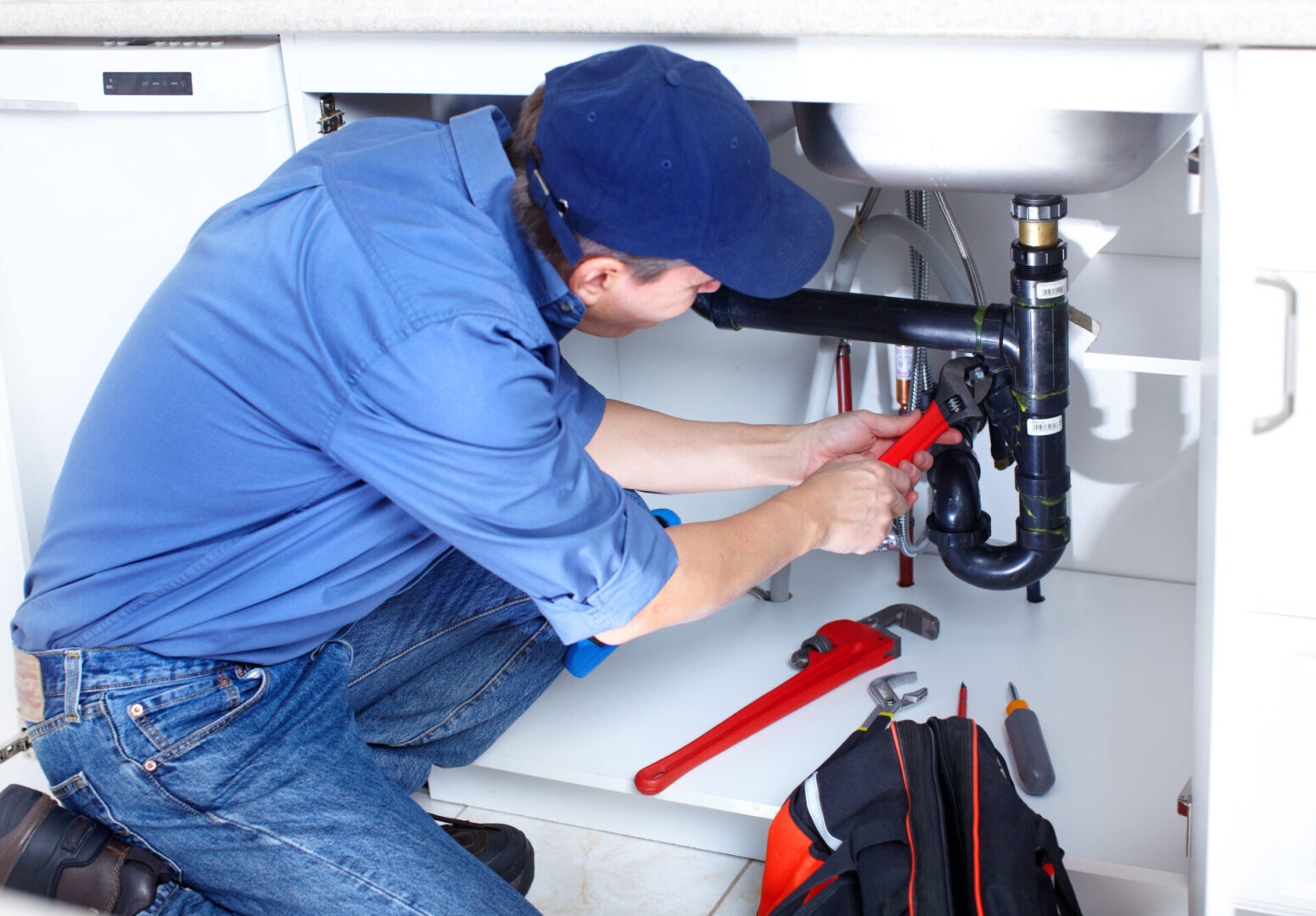
El Dorado County's oak-covered landscape is stunning. It's also one of the main reasons so many homeowners here deal with recurring sewer blockages.
Share:
Summary:
There’s a reason Sacramento earned the nickname “City of Trees.” And there’s a reason El Dorado County’s foothill communities feel so different from the rest of the region — the mature oaks, the native landscaping, the canopy that makes neighborhoods like El Dorado Hills and Cameron Park genuinely beautiful places to live. But that same landscape comes with a hidden cost most homeowners don’t think about until their drains start backing up. Tree roots are responsible for more than half of all sewer blockages nationwide, and in a region with this much tree coverage and this many aging pipes, the odds aren’t in your favor if you’re not paying attention.
The short answer is geography. El Dorado County sits in the Sierra Nevada foothills, where native blue oaks and valley oaks have root systems that can extend two and a half to seven times the height of the tree. A 40-foot oak near your property line could have roots reaching well over 100 feet in any direction. Pair that with California’s long, dry summers — when roots travel aggressively toward any available moisture — and a sewer line full of warm, nutrient-rich water starts to look like exactly what those roots are searching for.
Sacramento County adds another layer to this. The city’s urban forest of roughly 500,000 trees includes elms, sycamores, and willows — all species known for fast-growing, wide-spreading root systems. Many homes in East Sacramento, Land Park, Curtis Park, and Carmichael still have the original clay tile sewer laterals installed during the postwar building boom of the 1940s and 1950s. Those pipes are now 70 to 80 years old, and clay doesn’t age gracefully. It cracks. It shifts. And once there’s even a hairline gap at a joint, roots find it.
Placer County properties face similar challenges. Older neighborhoods in Roseville, Folsom, and Fair Oaks often carry the same aging infrastructure, combined with the region’s native tree species and seasonal moisture cycles that stress root systems year after year.
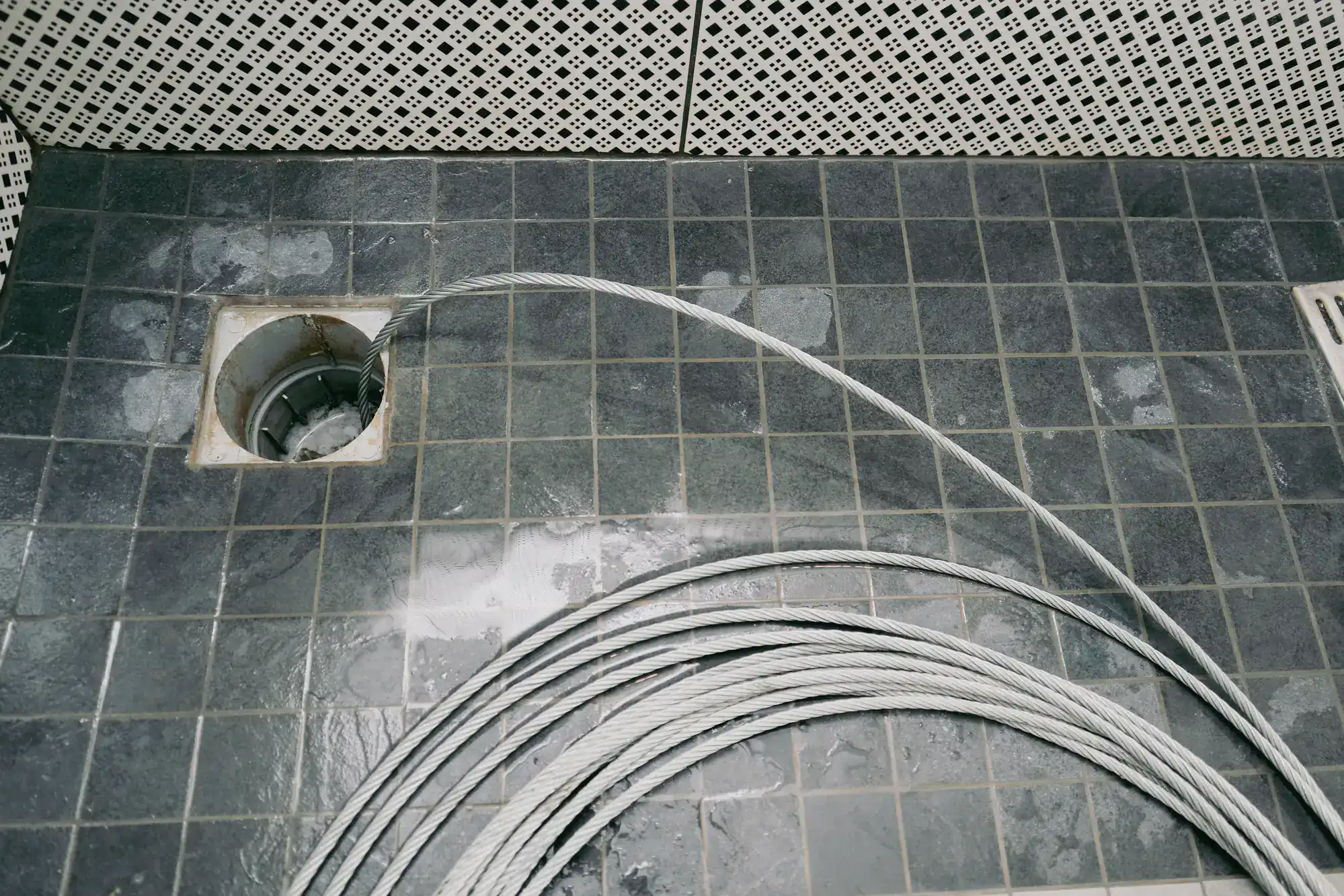
This is one of the most common misconceptions we run into. A lot of homeowners assume roots are strong enough to punch through an intact pipe — and that’s actually not how it works. Tree roots cannot create cracks in a sewer pipe. What they can do is exploit cracks, gaps, and loose joints that already exist. So if you have roots inside your sewer line, it means you had a vulnerable pipe before the roots ever arrived.
That distinction matters because it changes how you think about the problem. Root intrusion is always a symptom of something else — a deteriorating clay joint, a crack from soil movement, a connection that’s shifted over decades of seasonal expansion and contraction. The roots didn’t cause the damage. They found it.
Once roots enter through a small gap, they don’t stay small. Inside the pipe, they encounter a warm, humid environment with a steady supply of nutrients. They branch out, grow thicker, and eventually form a root mass that catches debris, slows flow, and eventually causes a full blockage. By the time you notice slow drains or a backup, roots may have been growing inside that pipe for a year or more.
California’s Mediterranean climate makes this cycle especially predictable. During the dry season — which runs from roughly May through October in the foothills — trees are under real moisture stress. Their roots extend farther and faster than they would in wetter climates, and sewer pipes become one of the most reliable water sources in the landscape. Then the winter rains arrive, the clay-heavy soils in El Dorado and Sacramento Counties swell and shift, and any existing cracks get a little wider. It’s a cycle that repeats every year, and older pipes get a little more vulnerable with each one.
This is also why properties near the American River Parkway corridor deal with particularly aggressive root problems. Willows and cottonwoods — both native to riparian areas — are among the most water-hungry species in the region, and their roots travel remarkable distances toward moisture sources like sewer lines.
Pipe age is the single biggest risk factor. Research from the USDA Forest Service found that pipes installed before 1970 experience root intrusion at rates three to five times higher than pipes installed after 1970. The reason is simple: older clay tile and cast iron pipes have more joints, more potential failure points, and decades of soil movement working against them. Newer PVC systems have tighter, more resilient connections that are far less likely to develop the gaps roots need to enter.
If your home was built before 1970 and you’ve never had a sewer camera inspection, you genuinely don’t know what’s inside your pipes. Many homeowners in Carmichael, Fair Oaks, Rancho Cordova, and the older sections of Sacramento proper have lived in their homes for years without a single drain problem, and still have significant root intrusion that hasn’t caused a noticeable symptom yet.
Properties in El Dorado Hills, Cameron Park, and Shingle Springs sit in a different risk category. The foothill terrain means rocky, clay-heavy soils that shift more dramatically with seasonal moisture changes than the valley floor. Even homes built in the 1980s and 1990s in these communities can develop joint failures earlier than their age would suggest, simply because of what the soil is doing around them.
Large trees within 50 feet of your sewer line — especially oaks, willows, elms, or any species known for aggressive root systems — should be treated as a standing risk factor regardless of your pipe age. The combination of an older pipe and a mature tree nearby is the scenario we see most often when a blockage turns into something more serious. Annual camera inspections for properties in that situation aren’t excessive — they’re genuinely the most cost-effective thing you can do, because catching a partial intrusion early is far cheaper than dealing with a full blockage or a collapsed line.
Want live answers?
Connect with a Murray Plumbing expert for fast, friendly support.
The hardware store aisle for drain maintenance is full of products that promise to kill roots and keep your pipes clear. Most of them are a temporary fix at best. Copper sulfate crystals and over-the-counter foaming root killers drain through the pipe too quickly to have meaningful contact with established root masses. They might slow regrowth slightly, but they don’t address the roots already inside the pipe, and they do nothing about the cracked joint that let the roots in to begin with.
Effective tree root prevention works on two levels: removing what’s already there and addressing the vulnerability that allowed it to happen. Skipping the second step is why so many homeowners end up calling a plumber every year for the same problem.
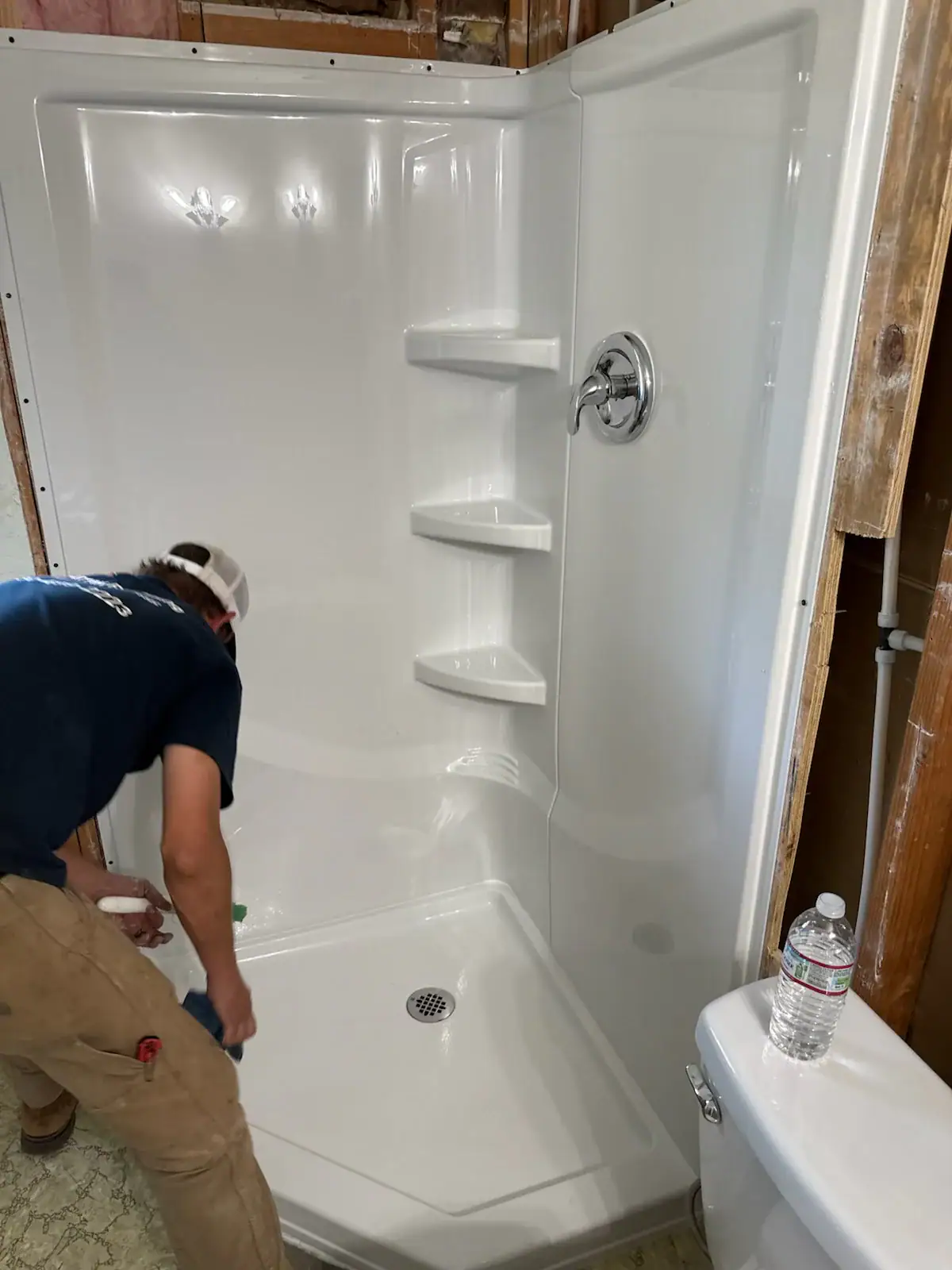
The standard approach for most plumbing companies is to snake the line — run a mechanical auger through the pipe to punch a hole through the root mass and restore flow. It works, in the sense that water moves again. But it leaves the root structure attached to the pipe walls, and within weeks to months, those remaining roots regrow and the blockage returns. Snaking treats the symptom. It doesn’t treat the problem.
Hydro jetting is a different approach. High-pressure water — typically in the range of 3,000 to 4,000 PSI — is pushed through the pipe in a way that cleans the full pipe diameter, not just a channel through the middle. It removes root material from the walls, clears mineral deposits, and leaves the pipe in genuinely better condition than a snake job does. For properties in Placerville and the El Dorado County foothills, where mineral-rich water leaves deposits that compound over time, this matters more than it might in other regions.
After mechanical clearing or hydro jetting, we apply professional-grade foaming treatments like RootX directly to the pipe walls. Unlike the products you’d buy at a hardware store, RootX is an EPA-registered herbicide that coats the interior of the pipe and inhibits root regrowth at the point of entry. We use it as part of our root treatment process because it extends the time between service calls and addresses regrowth in a way that mechanical clearing alone can’t.
The third piece — and the one most homeowners don’t hear about until something goes seriously wrong — is addressing the pipe itself. If the joint or crack that allowed root entry isn’t repaired, the cycle continues indefinitely. Trenchless pipe lining, also called CIPP (cured-in-place pipe) lining, creates a new pipe surface inside the existing one without requiring excavation. It seals cracks, eliminates the gaps roots exploit, and creates a smooth interior that resists future intrusion. For homeowners in El Dorado Hills or Granite Bay who have mature landscaping they’d rather not tear up, trenchless options are worth understanding before assuming the worst.
One of the questions we hear most often is whether homeowner’s insurance covers root intrusion damage. The straightforward answer is that most standard policies don’t. Insurers typically classify gradual root intrusion as a maintenance issue — meaning it’s the homeowner’s responsibility to prevent it, not the insurance company’s responsibility to pay for it after the fact. That’s one of the more practical arguments for proactive maintenance: the cost of a camera inspection and periodic cleaning is substantially less than an out-of-pocket sewer repair that your policy won’t touch.
Another common question is how often to have the sewer line inspected. For most homes without a history of root problems, every few years is reasonable. For properties in El Dorado County near mature oaks or willows — or any Sacramento-area home with pre-1970 clay or cast iron pipes — annual inspections are a better benchmark. If you’ve had root intrusion once, it will come back unless the underlying pipe vulnerability is addressed. Inspecting every six to twelve months after a root removal job is a reasonable cadence until the pipe condition is stabilized or repaired.
People also ask whether they need to remove the trees causing the problem. In most cases, no. Tree removal is expensive, disruptive, and often unnecessary. The more targeted solution is to address the pipe — either through repair, lining, or replacement — so that the root’s entry point no longer exists. You can keep the oak in your front yard in Cameron Park and still have a sewer line that functions reliably, as long as the pipe itself isn’t giving roots a way in.
Finally, a lot of buyers and sellers in the Placer County and Sacramento real estate market are now requesting sewer scope reports before closing. If you’re buying a home in Roseville, Folsom, or El Dorado Hills, a camera inspection of the sewer lateral is one of the most useful things you can add to your due diligence. It tells you exactly what you’re inheriting — and if there’s a root problem, you know about it before it becomes your problem.
Living in one of California’s most beautiful tree-covered regions comes with a specific, preventable plumbing responsibility. The trees around your home are doing what trees do — growing toward moisture — and your sewer line is one of the most reliable sources they can find. That’s not a reason to panic. It’s a reason to know what’s actually inside your pipes.
A camera inspection is the only way to answer that question with certainty. If there’s a problem, you’ll see it. If there isn’t, you’ll know that too. From there, the right combination of cleaning method, preventive treatment, and pipe repair — if needed — can break the cycle of recurring blockages and give you a sewer line that works reliably year after year.
If you’re in El Dorado County, Placer County, or Sacramento County and you’d like to know where you actually stand, Murray Plumbing is ready to help. We’ve been working in these communities for over 24 years, and we start every sewer job with a camera inspection so you know exactly what you’re dealing with before any work begins.
Article details:
Share:
Continue learning: