
Placerville
Open 24/7- 4330 Panorama Dr, Unit 36
Placerville, CA 95667 - (530) 499-2223
- Open 24 hours, 7 days a week
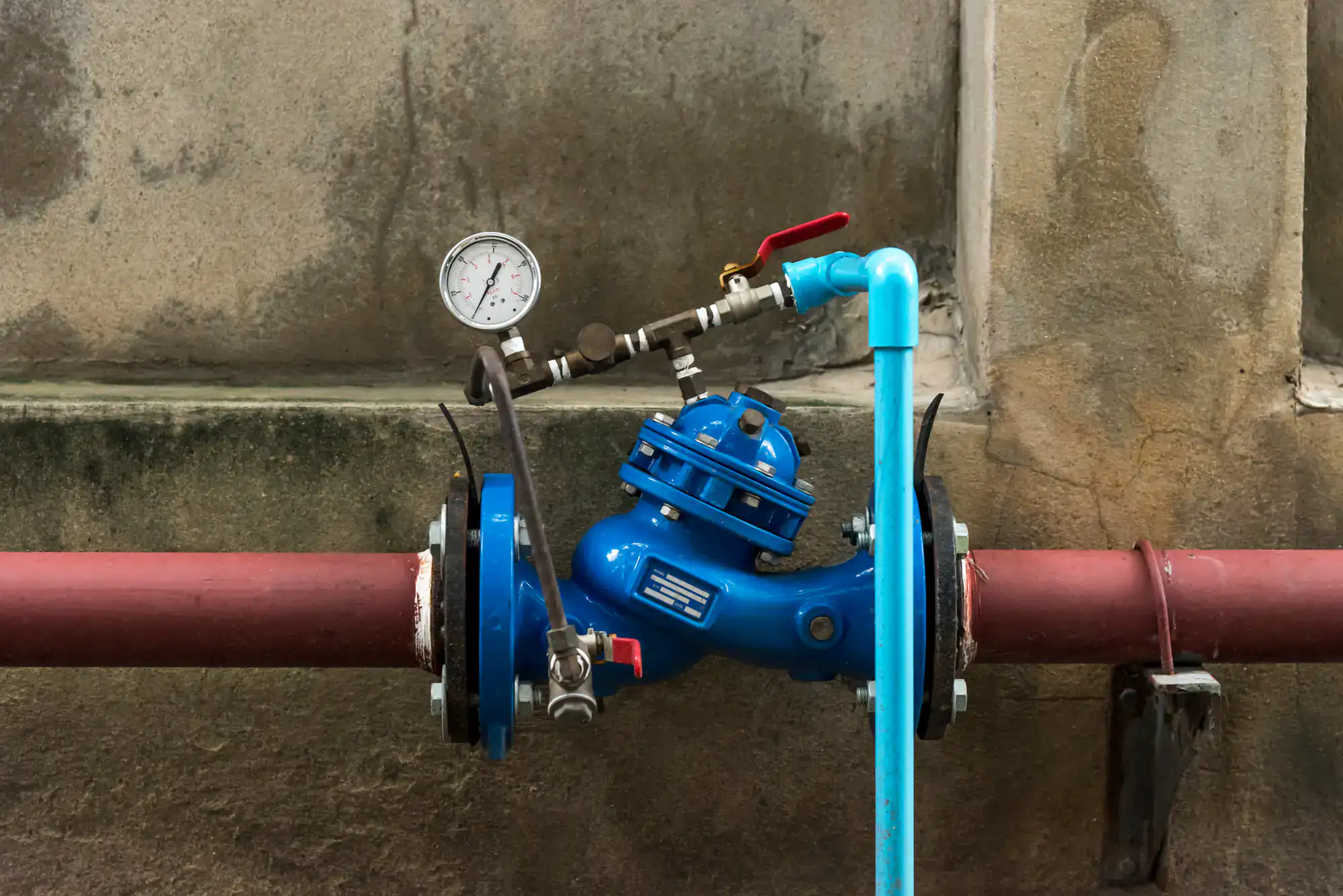
Earthquake Valve Installation
Get a free quote for earthquake valve installation from your local plumbing team.
We’ll contact you about your earthquake valve installation request. Privacy policy
Hear from Our Customers
Land Park is one of Sacramento’s most established neighborhoods, and that history shows in the homes. Tudor and Colonial houses built in the 1930s, ’40s, and ’50s have gas infrastructure that’s been in the ground for 70 to 90 years cast iron and galvanized steel that was never designed with seismic movement in mind. When the ground shakes, those older joints are exactly where failures happen. An automatic seismic shut-off valve closes the moment it detects that movement, before gas has a chance to migrate toward an ignition source.
In May 2025, the California Geological Survey released its first-ever Seismic Hazard Zone Maps for Sacramento and the results weren’t subtle. Land Park sits within the Sacramento River corridor, where saturated soils are susceptible to liquefaction during a seismic event. That’s not a theoretical risk. It’s a formally mapped one, and it’s now part of the public record. Homeowners in Land Park who’ve been meaning to get this done now have a state agency confirming what the ground beneath their street actually does under stress.
Beyond the safety piece, there’s a practical financial reality here. With Sacramento’s insurance market tightening and home values in Land Park sitting near $1,000,000, a properly installed and documented valve isn’t just protection it’s leverage. It satisfies insurer requirements, creates a legal record with the City of Sacramento Building Division, and shows up as a disclosed improvement when it’s time to sell. That’s a lot of return on a two-hour installation.
We founded Murray Plumbing in 2009 and have been serving Sacramento-area homeowners, including Land Park, for over 15 years. We hold California C-36 License #916322 the specific plumbing contractor classification required by state law for gas line and seismic valve work. You can verify it at cslb.ca.gov in under a minute. That kind of transparency isn’t common in this industry, and it matters when someone is working on the gas lines of a home that’s been standing since the Truman administration.
This isn’t a franchise or a call center dispatching whoever’s available. It’s an owner-operated business where the person who built the company’s reputation is still accountable for every job. For homeowners in Land Park a neighborhood where people take their properties seriously and expect to deal with real professionals that accountability is the baseline, not a bonus. We carry a 4.7-star Google rating built on consistent reviews about showing up on time, explaining the work clearly, and delivering a final invoice that matches or comes in under the estimate.
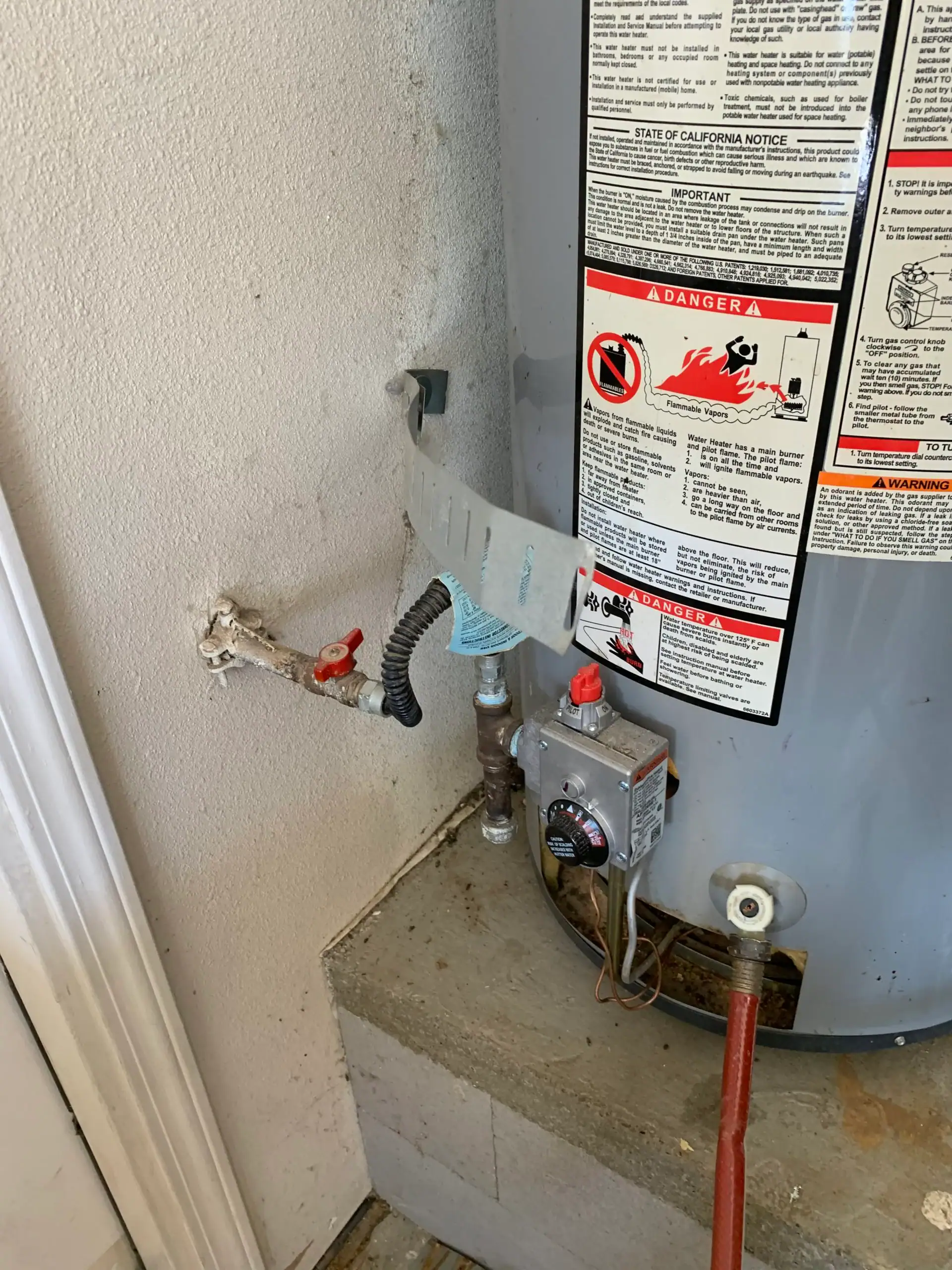
It starts with a free pre-installation assessment. One of our licensed technicians comes out, inspects your gas meter, checks the pipe configuration, confirms the right valve size, and gives you an exact price before anything is scheduled. This step matters more in Land Park than in newer neighborhoods because older meter setups common in pre-war homes along streets like Riverside Boulevard don’t always match the standard configurations you’d find in a 2005 Elk Grove build. Knowing what you’re working with before the job starts is how we avoid surprises.
Once you approve the quote, we pull the required permit through the City of Sacramento Building Division. That’s not optional, and it’s not an add-on it’s part of every installation. The valve itself is DSA-certified, which is the California standard required to satisfy permit requirements and insurance documentation. Installation typically takes around two hours. When the work is complete, a city inspection is scheduled to close out the permit, and you receive written documentation of the valve brand, model, and installation date for your insurance file.
The last thing that happens before the technician leaves is a walkthrough. You’ll know exactly what to do if the valve trips why you shouldn’t reset it yourself until a plumber confirms the lines are intact, how to notify PG&E, and what the reset sequence involves. That part gets skipped by a lot of installers. It shouldn’t be.
Ready to get started?
Our residential earthquake valve installation is all-in priced between $400 and $650 for most homes. That covers the DSA-certified valve, licensed labor, City of Sacramento permit fees, and written documentation you can hand directly to your insurer or real estate agent. There’s no separate line item for the permit, no fee for the documentation, and no invoice that looks different from the quote you approved.
The valve installed at your home is selected specifically for your meter size and configuration not pulled off a shelf and assumed to fit. For Land Park’s older housing stock, that specificity matters. A valve that isn’t matched to your meter’s pressure and diameter isn’t just a compliance issue it’s a safety issue. Every installation uses only DSA-certified equipment, which is the standard the City of Sacramento requires for permitted work and the standard most insurers reference when they ask for documentation.
If your home is in the middle of a real estate transaction and a home inspector has flagged the absence of a seismic valve, our 24/7 availability means you can get this resolved without blowing your escrow timeline. Land Park’s median home value sits near $1,000,000 the cost of a delayed closing is real. A two-hour installation with same-week scheduling is a straightforward fix for what can otherwise become a serious transaction complication.

If your home was built before 2000, it was never required to have one under California law and virtually every home in Land Park falls into that category. The neighborhood’s housing stock is predominantly from the 1930s through the 1950s, which means the gas infrastructure serving Land Park homes predates modern seismic safety standards by several decades.
Whether you’re required to install one now depends on your specific situation. Insurance companies are increasingly flagging the absence of seismic valves during policy renewals, and home inspectors routinely call them out during real estate transactions. If you’ve received a notice from your insurer or a line item on an inspection report, that’s your answer. If neither has happened yet, the May 2025 California Geological Survey maps formally identifying Sacramento’s liquefaction zones including the river corridor that runs through Land Park give you a clear picture of what the ground beneath your home is actually capable of during a seismic event. The valve doesn’t prevent an earthquake. It prevents what happens to your gas line after one.
For most residential installations in the Sacramento area, our all-in pricing runs between $400 and $650. That number covers the DSA-certified valve, licensed labor, City of Sacramento permit fees, and written documentation of the installation for your insurance file. There’s no separate charge for the permit and no documentation fee tacked on at the end.
Where installations land within that range depends on your meter size, pipe configuration, and access conditions. Older homes which describes most of Land Park occasionally have meter setups that require a different valve size or additional prep work. That’s exactly why we offer a free pre-installation assessment before anything is scheduled. You get an exact price based on your actual setup, not a ballpark that shifts once the technician is already on-site. The final invoice matches the approved quote. That’s not a marketing promise it’s a pattern that shows up consistently in customer reviews.
It depends on the valve and whether the installation was properly permitted. Insurance companies that require seismic shut-off valves as a condition of coverage or as a prerequisite for a premium discount typically ask for documentation that specifies the valve brand, model, and certification standard and many reference DSA certification specifically. A valve purchased at a home improvement store and installed without a permit may not satisfy those requirements, even if it physically works.
We install only DSA-certified valves and pull the required City of Sacramento Building Division permit for every job. At the end of the installation, you receive written documentation that includes the valve brand, model number, and installation date the exact format most insurers request. If your insurance company has sent you a notice about seismic valve requirements, bring that letter to your free assessment appointment. Our technician can confirm whether the installation will satisfy the specific language in the notice before any work is scheduled.
The risk in Sacramento isn’t primarily from fault rupture it’s from liquefaction. The California Geological Survey’s 2025 Seismic Hazard Zone Maps, the first ever released for Sacramento, formally identified the areas where saturated soils near the Sacramento River can temporarily lose structural strength during shaking and behave more like liquid than solid ground. Land Park sits within that river corridor. When soil liquefies, it moves and buried gas lines move with it, or don’t move when the soil does, which is how joints fail and lines rupture.
For homes in Land Park with gas piping that’s been in the ground since the 1940s, that’s a meaningful vulnerability. Cast iron and galvanized steel don’t flex the way modern flexible gas connectors do. A seismic shut-off valve doesn’t prevent a line from rupturing, but it does stop gas flow the moment it detects the seismic movement that causes the rupture before gas has time to accumulate near a heat source or open flame. That automatic response is what makes the valve worth having, particularly in a neighborhood where the housing stock and the soil conditions both carry older risk profiles.
Technically, some homeowners attempt DIY installation, but it creates problems that tend to show up later at the worst possible time. In Sacramento, earthquake valve installation requires a building permit from the City of Sacramento Building Division, and permits are only issued to licensed contractors. If you install the valve yourself without a permit, you have no legal record of the installation which means your insurer can’t verify it, your real estate agent can’t disclose it as a permitted improvement, and you’ve potentially created an undisclosed defect that complicates a future sale.
Beyond the permit issue, the physical installation requires working directly on your gas line at the meter. California law requires a C-36 plumbing contractor license for that work. We hold C-36 License #916322, which you can verify at cslb.ca.gov. The license exists for a reason gas line work on a home where the piping may be 70 or 80 years old requires someone who knows what they’re looking at and what to do when the configuration doesn’t match the textbook. A two-hour professional installation with a pulled permit is a straightforward process. The DIY version creates liability that doesn’t go away.
For standard residential installations in Land Park, scheduling is typically available within the same week. If you’re in an active real estate transaction and working against an escrow deadline which is one of the most common reasons Land Park homeowners call on short notice our 24/7 availability means you can reach a real person outside of business hours and get a timeline confirmed without waiting until Monday morning.
Post-earthquake demand is the other scenario worth knowing about. After any felt seismic event in the Sacramento area, call volume to local plumbers spikes fast. Homeowners who’ve been thinking about getting a valve installed for months suddenly want it done this week, and scheduling windows compress quickly. The homeowners who call first get the earliest appointments. If a recent news story about Sacramento’s liquefaction maps or a letter from your insurance company is what finally moved this up your list, acting sooner rather than later is the practical move not because of any artificial urgency, but because real demand in this market is real and it moves fast when something shakes the region’s attention.
Other Services we provide in Land Park
Our Locations
From the foothills to the valley, Murray Plumbing has a licensed team close by. Find the office nearest you — we’re open 24 hours a day, 7 days a week.