
Hear from Our Customers
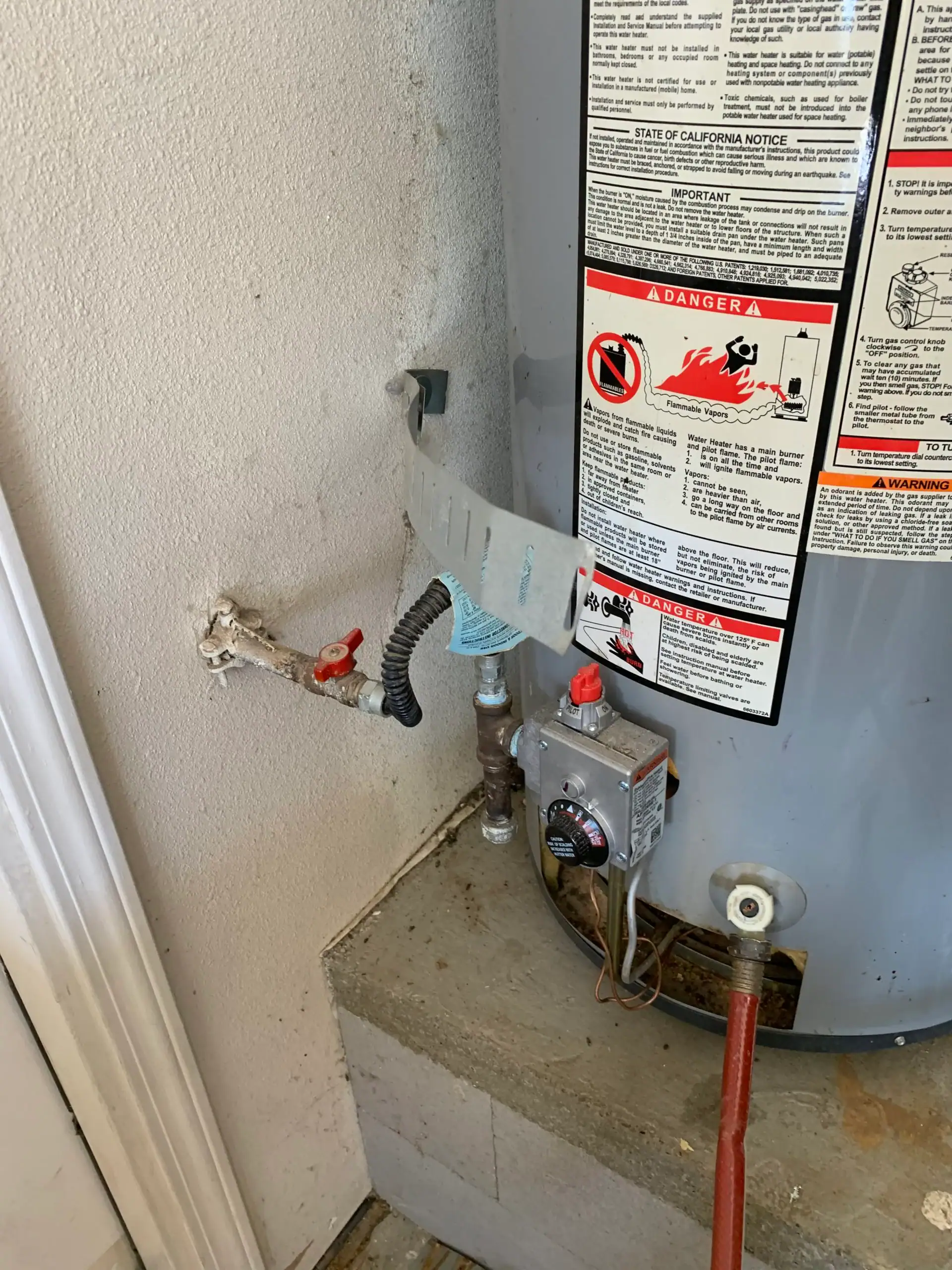
When ground shaking hits, your gas line doesn’t know the difference between a 4.0 felt from the foothills and a major event on the Hayward Fault 80 miles away. What matters is whether something shuts the flow off automatically before a leak becomes a fire. That’s the whole job of a seismic shut-off valve and it either works, or it doesn’t.
For North Highlands specifically, the housing stock makes this more urgent than it sounds. Homes built in the 1940s and 1950s weren’t designed with flexible gas connectors or modern fittings. The original piping in those walls and under those slabs has been in place for 60 to 80 years. A seismic event that would cause minimal damage to a 2005 build in Antelope can stress aging connections in a 1952 ranch home in Larchmont Village in ways you won’t see until it’s too late.
After installation, you have documentation. You have a DSA-certified valve that satisfies Sacramento County permit requirements. You have something to show your insurer, your title company, and yourself. That’s not a small thing in a community where homes change hands, insurance requirements are tightening, and older infrastructure doesn’t give you a second warning.
We hold California C-36 License #916322 the specific plumbing contractor classification required by state law for gas line and seismic valve work. Not a general contractor license. Not a handyman registration. The exact credential for this exact work. You can verify it yourself at cslb.ca.gov in under a minute, and we’d encourage you to do exactly that.
Ryan Murray founded this company in 2009, and it has operated as an owner-run business ever since. That means someone accountable is attached to every job not a dispatch center, not a franchise territory manager. We already serve North Highlands residents through our gas line installation and repair work, so this isn’t a company expanding into unfamiliar territory. The unincorporated Sacramento County permit process, the housing stock along Watt Avenue and Elkhorn Boulevard, the mid-century neighborhoods throughout North Highlands none of that is new to us.
Our 4.7-star Google rating from 93 reviews reflects one pattern more than anything else: the final price matched or came in under the original estimate. In North Highlands, that matters.
It starts with a free pre-installation assessment. We come out, look at your gas meter configuration, check access conditions, confirm the right valve for your home, and give you an exact price before any work is scheduled. No commitment required. For most North Highlands residential installations, that price lands between $400 and $650 all-in valve, labor, permit fees, and written documentation included.
Once you’re ready to move forward, we pull the permit through Sacramento County’s Department of Community Development. Because North Highlands is unincorporated county territory, there’s no city building department in the middle of this it goes through the county, and we handle that process entirely. We install only DSA-certified valves, which is the California standard required for permit compliance and the documentation your insurer will ask for.
The installation itself typically takes about two hours. When it’s done, we walk you through how the valve works, what it looks like when it trips, and critically why you should not reset it yourself until a licensed plumber has confirmed your gas lines are undamaged. In an older North Highlands home, a seismic event strong enough to trip the valve may have also stressed aging connections elsewhere in the system. Resetting before checking line integrity is the mistake most homeowners don’t know they’re at risk of making. We make sure you know.

Ready to get started?
Every earthquake valve installation through our company includes the DSA-certified valve, all labor, permit filing with Sacramento County, a scheduled inspection, and written documentation of the valve brand, model, certification number, and installation date. That last piece matters more than most people realize. It’s what you hand to your insurance carrier when they ask for proof. It’s what a title company needs when your home goes into escrow. It’s the record that confirms the work was done right, by a licensed contractor, to code.
For homes in North Highlands particularly the mid-century stock throughout Hillsdale, Haggin Park, and the neighborhoods surrounding the former McClellan Air Force Base footprint the free assessment step is especially important. Meter access, original gas line routing, and foundation type vary significantly in homes built across the 1940s through 1960s. The assessment confirms the right valve and the right installation approach before anything is quoted or scheduled.
The all-in price range for most residential installations is $400 to $650. If your situation is more complex unusual meter placement, limited access, or additional line work needed you’ll know that before we start, not after. That’s not a policy we invented to sound good. It’s just how the job should be done.
Yes, and this is one of the most important things to understand before hiring anyone for this work. Gas line modifications in North Highlands including seismic shut-off valve installation require a permit and inspection under the California Plumbing Code. Because North Highlands is unincorporated Sacramento County territory, that permit goes through Sacramento County’s Department of Community Development, not a city building department. There is no city of North Highlands the county is the authority having jurisdiction here.
An unpermitted installation creates real problems. If your home goes into escrow, a title search or buyer’s inspection can surface unpermitted work, which can delay or kill a sale. If you file an insurance claim and the valve installation has no permit record, the documentation loses its credibility. We pull the permit, schedule the inspection, and hand you a compliant record of installation. That’s what protects you long-term not just the valve itself.
For most residential installations in North Highlands, the all-in cost runs between $400 and $650. That includes the DSA-certified valve, labor, Sacramento County permit fees, and written documentation. The variation within that range comes down to your meter configuration and how accessible it is some meters are straightforward, others require more work to reach safely.
Before any money changes hands, we offer a free pre-installation assessment. We come out, evaluate your specific setup, and give you an exact number. What you’re quoted is what you pay and based on our track record, the final invoice has often come in at or below the original estimate. In a community where contractor pricing surprises are common, that’s worth saying plainly. You won’t get a low number to get the job and a higher number when it’s done.
Many California homeowner’s insurance carriers offer premium discounts for earthquake shut-off valve installation, and some are now making it a condition of policy renewal rather than just an optional upgrade. The discount typically ranges from 5% to 15% depending on your carrier and policy type. To qualify, most insurers require written documentation showing the valve is DSA-certified and that the installation was permitted and inspected not just a receipt from a hardware store.
California’s homeowner insurance market is under significant pressure right now, with carriers tightening underwriting standards across the state. If you’ve received a renewal notice with new requirements or a premium increase, a permitted seismic valve installation with proper documentation is one of the few upgrades that directly addresses what insurers are looking for. We provide the written documentation you need valve brand, model, DSA certification number, installation date, and permit record in a format that satisfies standard carrier requirements.
No. PG&E is the gas utility serving North Highlands, but installing seismic shut-off valves is not a service they offer. If you contact them about it, they’ll direct you to hire a licensed plumbing contractor. The valve sits on your side of the meter it’s your equipment, on your property, and it requires a licensed C-36 plumbing contractor to install it correctly and pull the required permit through Sacramento County.
This is one of the most common misconceptions that delays people from getting this done. Homeowners assume the utility handles it, wait for a call back that never comes, and the home goes another year without protection. We hold C-36 License #916322 and handle everything from the assessment through the county inspection. You don’t need to coordinate with PG&E, the county building department, or anyone else that’s our job, and it’s included in the price.
You can physically reset most seismic shut-off valves yourself, but you should not do it without first having a licensed plumber inspect your gas lines for damage. This is especially important in North Highlands, where a significant portion of the housing stock dates from the 1940s through 1960s. Original gas line connections in homes that age are more vulnerable to stress from ground shaking than modern flexible connectors. A seismic event strong enough to trip the valve may have also compromised aging fittings or joints elsewhere in the system damage that isn’t visible from the outside.
If you reset the valve before confirming line integrity, you’re potentially introducing gas into a damaged system. That’s the scenario the valve was installed to prevent in the first place. After any event that trips your valve, call a licensed plumber first. We’re available 24/7 for exactly this situation post-event response is one of the most time-sensitive calls we get, and we maintain the capacity to respond when it matters most.
The easiest way is to look at your gas meter. A seismic shut-off valve is typically installed on the gas line just downstream of the meter it’s a small cylindrical or rectangular device, usually a few inches long, with a visible indicator that shows whether it’s in the open or tripped position. If you don’t see anything like that near your meter, your home almost certainly doesn’t have one.
In North Highlands, this is worth checking carefully if your home was built before 1980. Homes in the mid-century neighborhoods throughout this community including areas near Larchmont Village, Hillsdale, and Haggin Park were built long before seismic valves existed, and many have never had one added. Even homes that have changed hands multiple times may not have had this upgrade completed, particularly if prior work was done without permits. If you’re not sure what you’re looking at, the free pre-installation assessment we offer is the right starting point we’ll tell you exactly what’s there, what’s needed, and what it will cost before anything else happens.
Other Services we provide in North Highlands