

Hear from Our Customers
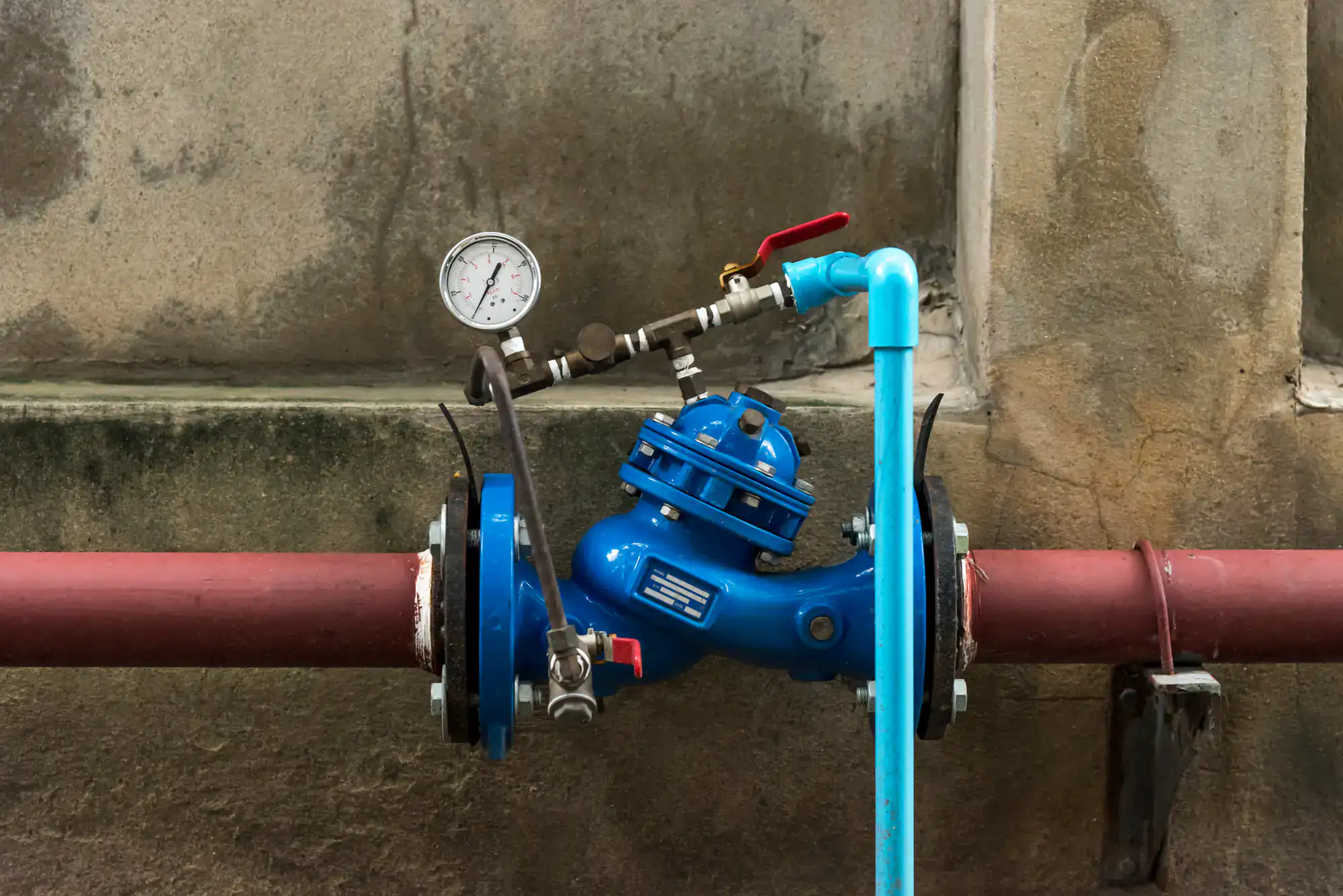
When a significant earthquake hits, your gas line doesn’t know the difference between a small tremor and a serious rupture event. A seismic shut-off valve closes automatically the moment ground movement crosses a set threshold before gas has a chance to escape, accumulate, or ignite. The 1994 Northridge earthquake triggered roughly 14,000 gas leaks and more than 50 structure fires across California. Ordinary homes. Ordinary gas lines. No pre-existing problems.
Rancho Cordova sits in a region that logs around 246 seismic events per year on average. Most go unfelt but the risk isn’t zero, and the homes most exposed are the ones built before modern safety standards existed. A large share of Rancho Cordova’s housing stock falls squarely in that window, particularly in established neighborhoods near Folsom Boulevard and the older streets that grew up around Aerojet and Mather Air Force Base in the 50s and 60s.
The practical outcomes are straightforward. You get a valve that responds faster than any human could. You get documentation your insurer will accept. You get a permitted installation on record with the City of Rancho Cordova which has real value when you sell. And you get the kind of peace of mind that doesn’t require a disaster to feel worth it.
We’ve been serving the Sacramento metro since 2009. Owner Ryan Murray holds California C-36 License #916322 the specific classification required by state law for gas line and seismic valve work. You can verify it at cslb.ca.gov in under a minute. That’s not a credential buried in fine print. It’s the thing that separates licensed gas work from a handyman with a valve from the hardware store.
We maintain a 4.7/5 Google rating across 93 reviews, and the comments that come up most often aren’t about flashy marketing they’re about showing up on time, giving a straight price, and finishing the job without surprises. More than a few customers have noted their final invoice came in at or below the original estimate. In a trade where that almost never happens, it’s worth paying attention to.
Rancho Cordova is part of our regular service area. We know the city’s building department, we pull permits for every installation, and we’re familiar with the meter configurations common in the older housing stock throughout the city including the neighborhoods east of Sunrise Boulevard and out toward the Mather area.
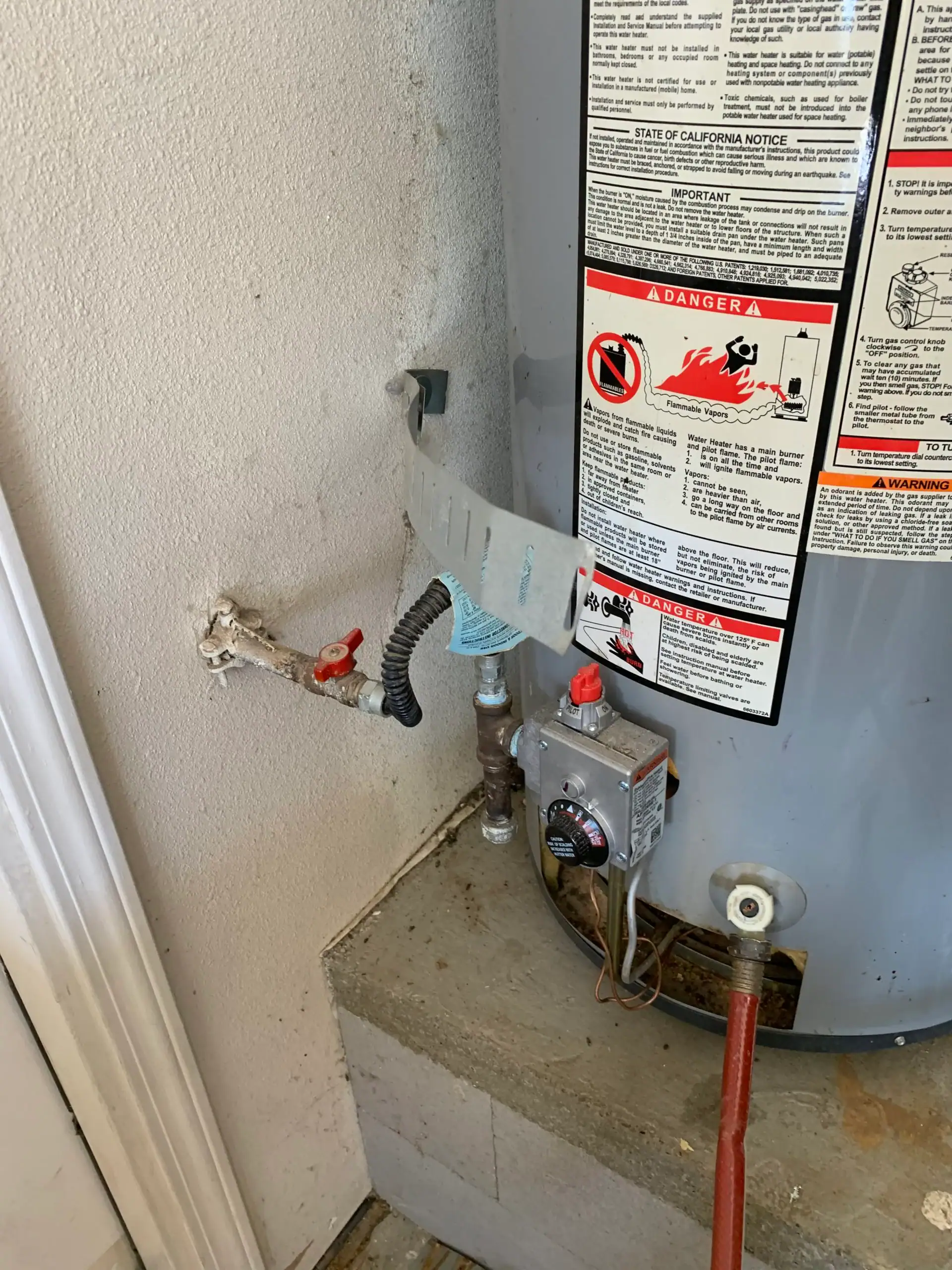
It starts with a free on-site assessment. Before any money changes hands, a licensed plumber comes to your Rancho Cordova home, inspects your gas meter configuration, confirms the right valve size, and gives you a firm price. This step matters because meter setups vary across Rancho Cordova a 1960s home near Cordova Meadows can look very different from a newer build out in Anatolia, and the valve selection and labor involved aren’t always the same.
Once you approve the price, the installation itself typically takes around two hours. The DSA-certified valve is fitted to your gas meter’s inlet, calibrated to shut off automatically at a 0.2g horizontal ground acceleration threshold the level that signals genuine seismic risk, not a passing truck or a slammed door. We pull the permit with the City of Rancho Cordova Building Department before work begins, and a final inspection is scheduled as part of the process not as an afterthought.
After installation, you’ll get a walkthrough of what to do if the valve trips. The short version: don’t reset it yourself. A licensed plumber needs to inspect your gas lines first to confirm there’s no damage before gas is restored. That protocol exists for a reason, and understanding it before you need it is part of what you’re paying for.
Ready to get started?
Most residential earthquake valve installations in Rancho Cordova fall in the $400–$650 range, all in. That covers the DSA-certified valve, labor, permit fees, and written documentation you can hand to your insurer, your real estate agent, or the City of Rancho Cordova if it’s ever requested. If your installation falls outside that range confined meter access, additional line work, something unusual about the setup you’ll know before the job starts, not after.
The DSA certification isn’t a marketing label. It’s the standard set by California Health and Safety Code Sections 19180–19183, and it’s what the City of Rancho Cordova requires for a permitted installation. A non-certified valve even one that looks identical won’t satisfy permit requirements, won’t satisfy most insurers, and won’t hold up in a real estate disclosure. Rancho Cordova’s active market, where homes are trading at roughly $540K and inspection reports are increasingly flagging seismic safety gaps, makes this distinction more than academic.
PG&E serves Rancho Cordova for natural gas, and one of the most common questions is whether PG&E handles this installation. They don’t. If you call them, they’ll refer you to a licensed plumber. We’re available 24/7, including for urgent installs when escrow timelines are tight or a felt seismic event has moved this from the back burner to the front.
Yes and this is one of the most important things to confirm before hiring anyone for this job. The City of Rancho Cordova, which has operated its own building department since incorporation in 2003, requires a building permit for seismic gas shut-off valve installations on properties within city limits. That permit triggers a final inspection by the city, and the completed record is filed with Rancho Cordova’s building department.
Why does this matter beyond compliance? Because that permit record has real value. When you sell your home, the installation shows up as a properly permitted modification not an undisclosed alteration that could complicate escrow or require remediation. If your insurer asks for documentation, you have it. If a buyer’s inspector flags the valve, you can show the permit. We pull the permit as part of every installation it’s included in the quoted price, not an add-on you have to ask for.
For most single-family homes in Rancho Cordova, the all-in cost runs $400–$650. That includes the DSA-certified valve, labor, permit fees, and written documentation. The range exists because meter configurations vary a home built in the 1960s near Folsom Boulevard may have a different setup than a newer home in Sunridge Park or Anatolia, and the valve size and labor involved can differ accordingly.
The free pre-installation assessment exists specifically to remove pricing uncertainty. Before any work begins, a licensed plumber visits your home, reviews your meter setup, and gives you a firm number. If something unusual comes up confined access, additional line work, a non-standard configuration you’ll hear about it before the job starts. The price you’re quoted is the price on the invoice. Rancho Cordova homeowners comparing quotes should be cautious of estimates well below this range, as they often reflect non-permitted work, non-certified valves, or unlicensed labor none of which will satisfy city permit requirements or insurance documentation requests.
DSA stands for the Division of the State Architect, the California agency responsible for certifying seismic gas shut-off valves for use in the state. Under California Health and Safety Code Sections 19180–19183, only DSA-certified valves meet the legal standard for permitted installation. That certification means the valve has been independently tested and verified to shut off gas automatically when horizontal ground acceleration reaches 0.2g a threshold that reflects genuine seismic movement, not everyday vibration from traffic or a nearby construction site.
The reason this matters practically is that not all valves marketed as “earthquake valves” carry DSA certification. A non-certified valve may look similar, cost less, and even function similarly but it won’t satisfy the City of Rancho Cordova’s permit requirements, it won’t satisfy most homeowner’s insurance documentation requests, and it creates a disclosure problem in real estate transactions. In California’s tightening insurance market, where carriers are increasingly requiring seismic safety documentation as a condition of coverage, installing the wrong valve can mean doing the job twice.
This is one of the most time-sensitive situations in the earthquake valve category, and it comes up regularly in Rancho Cordova’s active real estate market. When an inspector flags the absence of a seismic shut-off valve, the buyer or seller depending on how the purchase agreement is written typically has a short window to address it before closing. The good news is that the installation itself is a two-hour job in most cases.
The key is making sure the installation is done right the first time. That means a DSA-certified valve, a permit pulled with the City of Rancho Cordova, and written documentation the permit record, the valve certification, and a workmanship warranty that you can hand to your real estate agent before the close of escrow. We’re available 24/7 and handle escrow-driven installs regularly in Rancho Cordova. If your timeline is tight, that’s exactly the kind of situation where 24/7 availability and a same-week permit process make a real difference.
It’s a fair concern, especially in Rancho Cordova where Highway 50 runs directly through the city and heavy truck traffic is a daily reality. The short answer is no a properly installed DSA-certified valve is calibrated to a 0.2g horizontal ground acceleration threshold. That’s a level of ground movement that everyday traffic, nearby construction, or even a minor tremor well below a damaging earthquake won’t reach.
The 0.2g threshold was specifically designed to filter out false triggers while still responding fast enough to matter in a genuine seismic event. If your valve does trip, it’s worth taking seriously rather than assuming it was a false alarm a licensed plumber should inspect your gas lines before you reset it, regardless of whether you felt a notable earthquake. That inspection step isn’t bureaucratic caution. It’s the protocol that prevents restoring gas flow to a line that may have been compromised without obvious signs.
Rancho Cordova isn’t on the same fault line as San Francisco or Los Angeles, but the Sacramento Valley isn’t seismically quiet either. The area logs roughly 246 seismic events per year on average, and at least five earthquakes above magnitude 5.0 have been recorded near Rancho Cordova since 1970. The USGS puts the probability of a magnitude 6.7 or greater earthquake somewhere in California within the next 30 years at 99.7% and the fault systems that drive that number, including the Hayward and Calaveras faults, are regional threats that don’t stop at the Sacramento County line.
Beyond the seismic risk itself, there are two practical reasons Rancho Cordova homeowners are installing these valves right now. First, California’s homeowner insurance market is tightening carriers are reducing coverage offerings statewide, and seismic safety features are increasingly showing up as conditions of renewal, not just optional discounts. Second, Rancho Cordova’s housing stock is old. The median home in the city was built in 1979, and a large share of the established neighborhoods particularly those built in the 1950s and 60s for Aerojet and Mather AFB workers have gas infrastructure that has never been updated for seismic safety. The valve costs less than a single month’s homeowner’s insurance premium and takes about two hours to install.
Other Services we provide in Rancho Cordova