
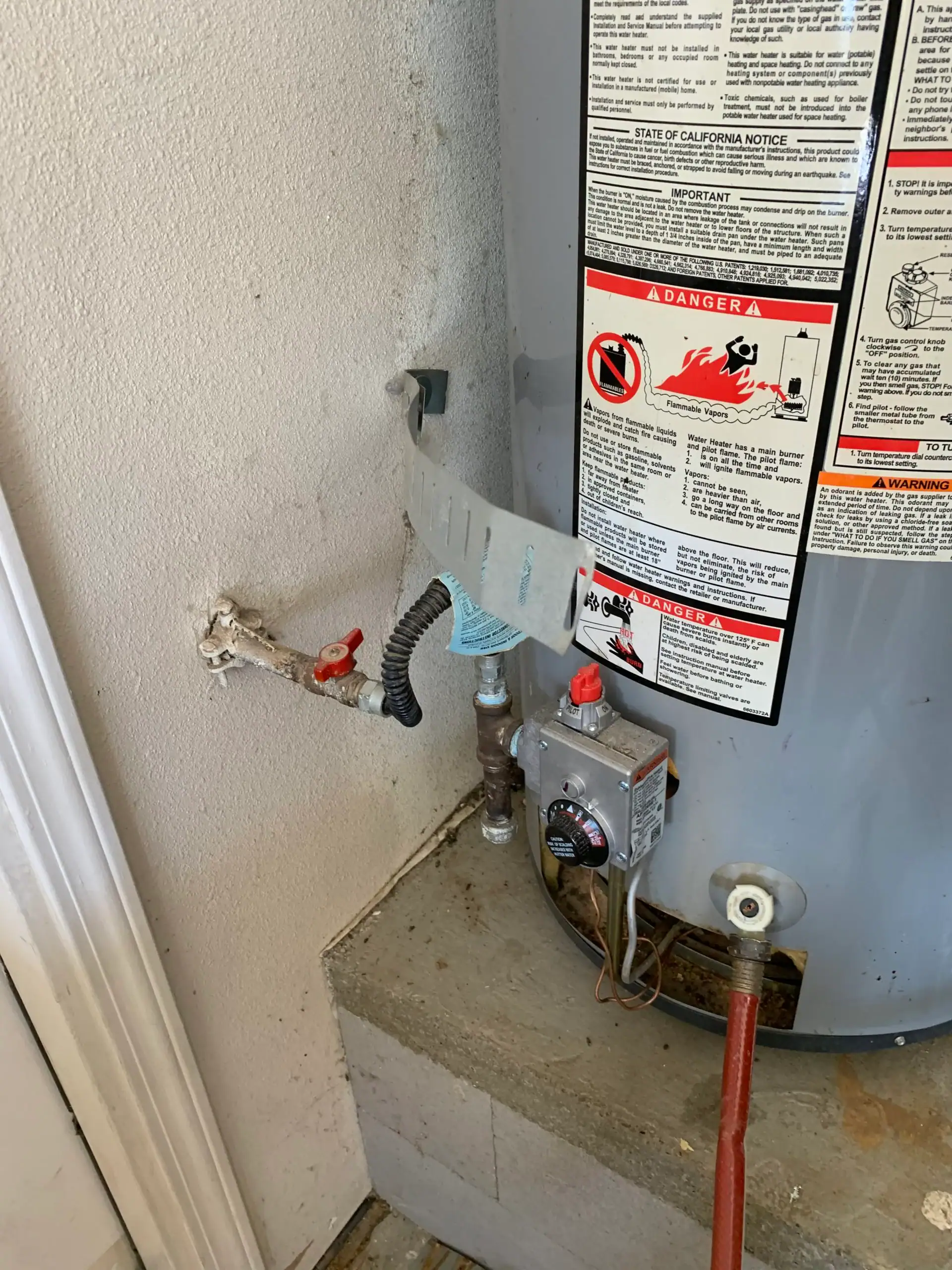
Earthquake Valve Installation
Get a free quote for earthquake valve installation from your local plumbing team.
We’ll contact you about your earthquake valve installation request. Privacy policy
Hear from Our Customers
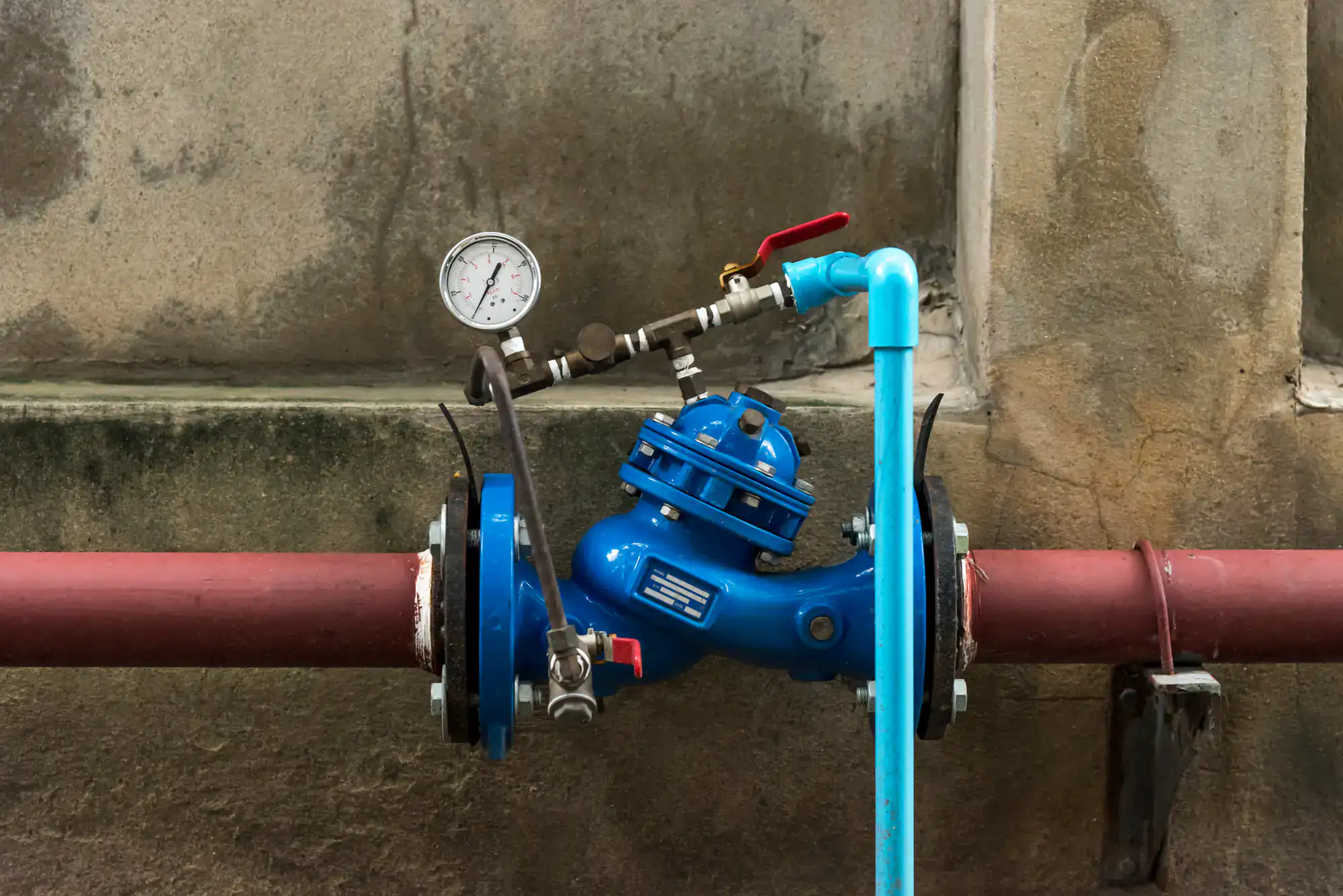
When a seismic event hits, the window between shaking and a gas-related fire is short. An automatic shut-off valve closes that window. The moment ground movement reaches the trigger threshold, your gas supply cuts off before you’ve had time to process what just happened, before you’ve checked for damage, and long before a utility crew has any chance of reaching your street.
That last part matters more in River Park than most neighborhoods. The area has two entry points off H Street. That’s it. In a post-earthquake scenario where roads are congested or compromised, emergency response to your block could be significantly delayed. A valve that acts automatically doesn’t need a crew to show up first.
There’s also the soil to consider. River Park sits in alluvial terrain along the American River bend the kind of saturated, sandy ground that seismic engineers flag for liquefaction risk. Your home could look completely fine after an earthquake and still have a ruptured gas line below grade if the surrounding soil shifted. An automatic seismic shut-off valve is the only layer of protection that responds to that specific scenario, and in a neighborhood where nearly half the homes predate 1950, it’s a scenario worth taking seriously.
We’ve been serving the Sacramento area since 2009, including River Park and the surrounding neighborhoods. That’s over 15 years of gas line work, seismic valve installations, and showing up on time for homeowners who have real things on the line. Ryan Murray founded this company and still runs it which means the person responsible for your installation is the same person who built the reputation behind it.
For earthquake valve work specifically, the credential that matters is the California C-36 license. That’s the classification required by state law for gas line and seismic valve installations. We hold C-36 License #916322. You can verify it yourself at cslb.ca.gov in about 30 seconds and the fact that we’re telling you to check is the point.
We’ve worked on mid-century ranch homes throughout the 95819 ZIP code, including the kind of original gas setups you find in River Park’s older Orchard Terrace-era homes near Glenn Hall Park and Caleb Greenwood. We know what we’re looking at when we get there, and we’ll tell you exactly what’s needed before any work begins.
It starts with a free assessment. Before any money changes hands, we come out to your River Park home, look at your gas meter setup, evaluate the existing configuration, and give you a straight answer on what’s needed and what it will cost. The all-in price for most installations falls between $400 and $650 that covers the DSA-certified valve, labor, permit fees, and written documentation. What we quote is what you pay.
Once you’re ready to move forward, we pull the required City of Sacramento building permit through the Community Development Department. This isn’t optional, and it’s not something we do as an upsell it’s the only compliant path for this type of work in Sacramento. We then schedule and complete the installation, which typically takes one to two hours depending on your meter location and existing gas line configuration.
After installation, we walk you through the post-trip protocol before we leave. That means explaining what it looks like when the valve has activated, why you should not attempt to reset it yourself until a licensed plumber has confirmed your gas lines are undamaged, and how to contact PG&E if needed. The City of Sacramento inspection closes the permit, and you receive written documentation of the completed, compliant installation a record that matters when you sell your home or file an insurance claim.

Ready to get started?
Every earthquake valve installation we complete in River Park includes the DSA-certified valve itself, licensed C-36 labor, the City of Sacramento building permit, the final inspection, and written documentation of the completed work. DSA certification issued by California’s Division of the State Architect is the specific standard required by California Health and Safety Code and recognized by Sacramento City building inspectors, insurance underwriters, and real estate transaction attorneys. A valve without that certification doesn’t satisfy permit requirements, regardless of how well it functions mechanically.
This matters in River Park because homes here are high-value assets. The median home in this neighborhood sells between $700,000 and $800,000. An unpermitted installation on a home at that price point is a disclosure obligation in any future sale and a potential basis for an insurance claim denial. The permit record we create isn’t paperwork for its own sake it’s a documented asset attached to your property.
We also install only valves calibrated to trigger at approximately 0.2g horizontal ground acceleration the threshold that filters out normal vibration and minor tremors while responding reliably to genuine seismic events. ZIP code 95819 has been specifically identified in seismic engineering research as a high-priority zone for this type of upgrade due to the density of pre-1980 housing stock. If your home is in River Park, that research is talking about your neighborhood.
The honest answer is that it depends on your home but in River Park, the case is stronger than most neighborhoods. Nearly half of all homes here were built before 1950, and a significant portion of those still have original or near-original gas infrastructure. That piping was installed under building codes that never contemplated seismic shut-off requirements, flexible connector standards, or the kind of ground movement analysis we’ve developed since the 1994 Northridge earthquake.
Beyond the age of the housing stock, River Park sits in alluvial terrain along the American River the type of saturated soil most associated with liquefaction risk during seismic events. That means your gas lines face potential ground-level stress even in earthquakes that leave your home structurally intact. Add in the neighborhood’s two-entry-point geography off H Street, which limits how quickly emergency crews can reach your street, and the case for an automatic shut-off valve becomes straightforward. It’s not a luxury upgrade for River Park homeowners. For most homes here, it’s overdue.
For most River Park homes, the all-in cost falls between $400 and $650. That range covers the DSA-certified valve, licensed C-36 labor, City of Sacramento permit fees, the final inspection, and written documentation. There are no add-ons waiting at the end of the job. What we quote during the free pre-installation assessment is what you pay.
The main variable that affects where you land in that range is the configuration of your gas meter and the existing piping setup. Older homes in River Park particularly those built in the 1940s and 1950s occasionally have meter setups that require additional fittings or minor adjustments before the valve can be properly seated. We identify all of that during the free assessment, so you have a firm number before any work begins.
Yes a building permit is required for seismic gas shut-off valve installations in Sacramento. The City of Sacramento Community Development Department administers these permits, and the installation must use a DSA-certified valve to pass inspection. This requirement exists under California Health and Safety Code Sections 19180–19183, which govern seismic valve standards statewide.
Skipping the permit is a real problem, not just a technical violation. An unpermitted installation on a River Park home where median values run $700,000 to $800,000 creates a disclosure obligation in any future real estate transaction and can complicate insurance claims if a gas-related incident occurs after an earthquake. We pull the permit and schedule the City of Sacramento inspection as a standard part of every installation. The permit record we create stays with your property and protects you long after the job is done.
A DSA-certified valve carries a label or documentation referencing approval by the California Division of the State Architect, which is headquartered at 1102 Q Street in Sacramento. The DSA maintains a list of approved seismic shut-off valves, and any valve on that list has been tested and confirmed to meet California’s performance standards including triggering at approximately 0.2g horizontal ground acceleration, which is the threshold that filters out everyday vibration while responding reliably to genuine seismic events.
If you’ve had a valve installed previously and aren’t sure whether it’s DSA-certified, the easiest way to check is to look for the certification marking on the valve body itself or pull the permit record from the City of Sacramento CDD. If no permit was pulled, that’s a strong signal the installation may not have used a compliant valve. We can assess an existing installation during a free visit and tell you exactly what you have and whether it satisfies current Sacramento permit and insurance documentation standards.
The most important thing is to not reset the valve yourself until a licensed plumber has inspected your gas lines for damage. This is the step that most installers skip explaining, and it’s the one that matters most. A seismic valve trips because the ground moved past a specific threshold and in River Park’s alluvial soil environment, that movement can damage buried gas lines even in homes that appear structurally sound. Resetting the valve and restoring gas flow before confirming line integrity can introduce gas into a compromised system.
Once the valve has tripped, turn off individual gas appliances inside the home, leave the main valve in its current state, and contact PG&E to report the event and request a line inspection. After PG&E clears the lines, a licensed C-36 plumber resets the valve this is not a homeowner DIY step. We walk every River Park customer through this protocol at the end of every installation, because knowing what to do after the event is just as important as having the valve in place before it.
It can, and increasingly it does. California’s homeowner insurance market has tightened significantly over the past few years, with major carriers reducing new policy offerings and tightening underwriting standards across the state. As part of that shift, seismic safety features including earthquake shut-off valves are appearing more frequently as requirements or documented preferences in policy renewals, particularly for older homes.
For River Park homeowners, a DSA-certified valve installed with a City of Sacramento permit and documented in writing is the kind of concrete, verifiable safety upgrade that satisfies insurer requirements and, in some cases, supports a premium reduction. Some California insurers offer discounts in the 5–15% range for documented seismic safety improvements. The key word is “documented” a verbal assurance or an unpermitted installation doesn’t carry the same weight as a permit record and written certification. If your insurer has flagged seismic safety in a recent renewal, the permit record we create is exactly the documentation they’re looking for.
Other Services we provide in River Park