
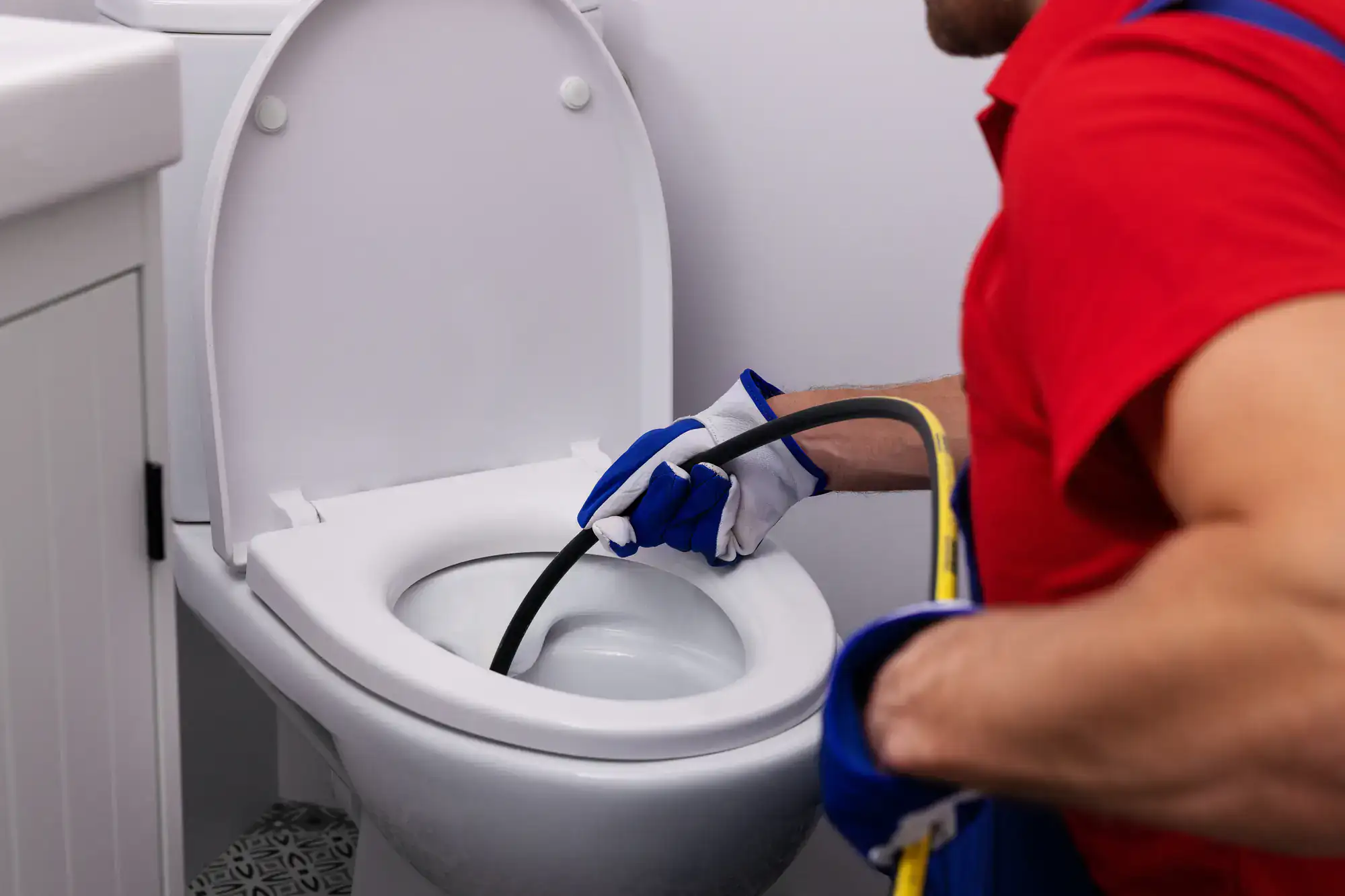
Hydro Jetting
Get a free quote for hydro jetting from your local plumbing team.
We’ll contact you about your hydro jetting request. Privacy policy
Hear from Our Customers
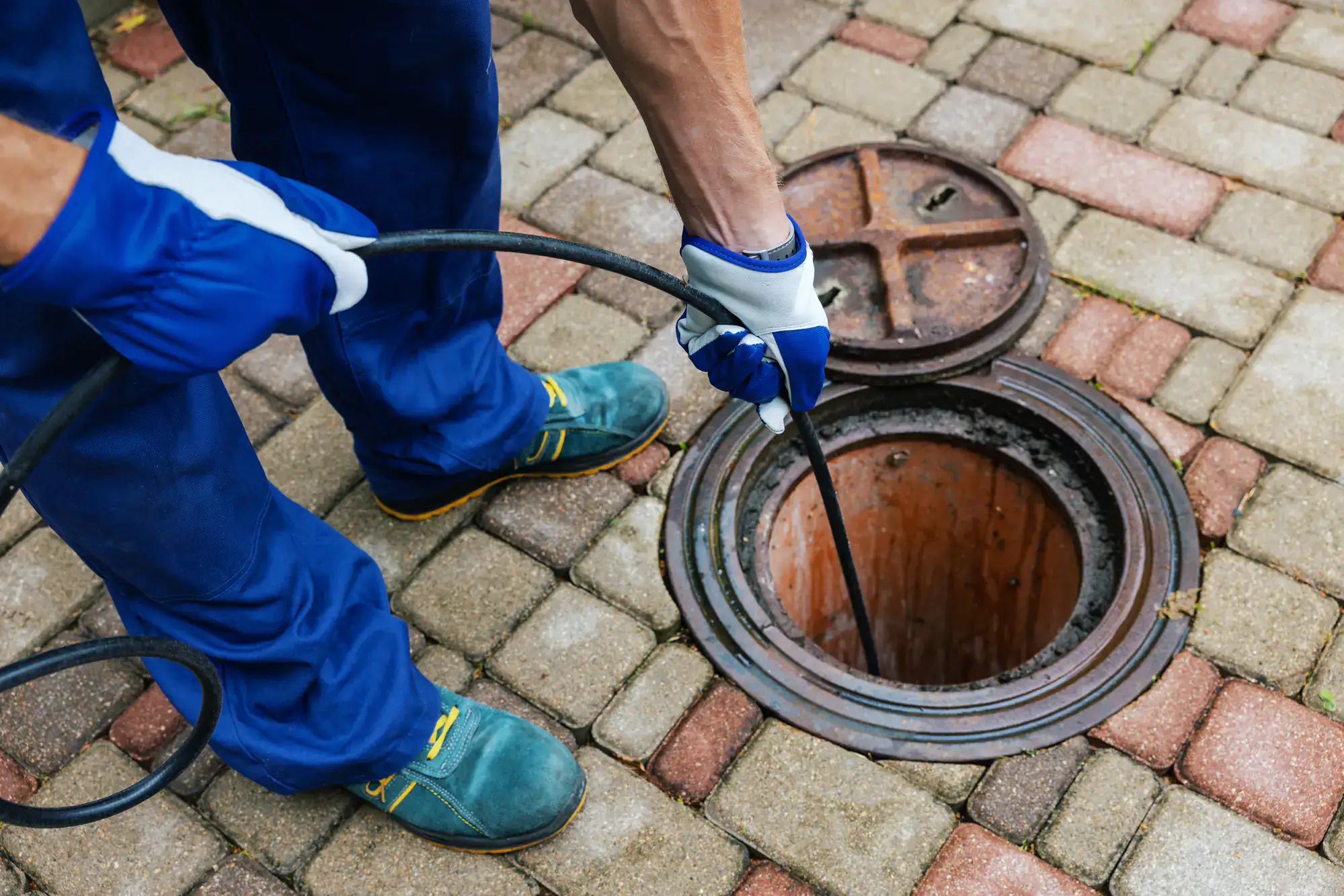
If your drain has been snaked two or three times in the past year and it keeps backing up, the snake isn’t the answer. It never was. Snaking punches a hole through whatever is blocking the pipe — but it leaves the grease coating, the root fragments, and the mineral scale right there on the walls. The clog rebuilds itself in weeks. That cycle ends with hydro jetting.
At up to 4,000 PSI, a hydro jet doesn’t just clear the path — it scours the entire interior of the pipe. Grease, tree roots, mineral deposits from Georgetown’s hard water supply, years of accumulated silt — all of it gets removed, not pushed aside. What you get after the job is a pipe that flows the way it’s supposed to, not a pipe that’s been temporarily unplugged.
Georgetown homes sit in some of the densest tree canopy in El Dorado County. Ponderosa pines, black oaks, native conifers — they’re everywhere, and their roots are constantly working their way toward moisture. If your home was built before the 1980s, there’s a real chance your sewer lateral is clay or cast iron, which is exactly the pipe material roots find easiest to penetrate over time. Hydro jetting addresses that specific combination — older pipes, aggressive root pressure, and a climate that alternates between dry summers that push roots deeper and wet winters that loosen soil around joints. Snaking doesn’t touch any of that. Hydro jetting does.
We’ve been serving El Dorado County since 2009. That’s over 15 years of showing up on time, quoting a fair price, and doing the job right — for homeowners across the Georgetown Divide, Cameron Park, El Dorado Hills, and the surrounding foothill communities. This is not a Sacramento-metro franchise that occasionally ventures up SR 193. We’re a family-owned operation based in Placerville, roughly 25 miles from Georgetown, and we know the roads, the terrain, and the plumbing conditions specific to this part of the county.
Georgetown’s infrastructure is different from what you find in the valley. The Georgetown Divide Public Utility District has roots going back to 1852 canal companies. Many homes in this area are sitting on clay or cast iron laterals that haven’t been professionally cleaned in decades. Our team understands that — and we check your pipe condition before any jetting begins, so nothing gets damaged in the process. The price we quote before work starts is the price you pay. No diagnostic fees, no surprise charges, no pressure to approve work you didn’t ask for. That’s how it works every time.
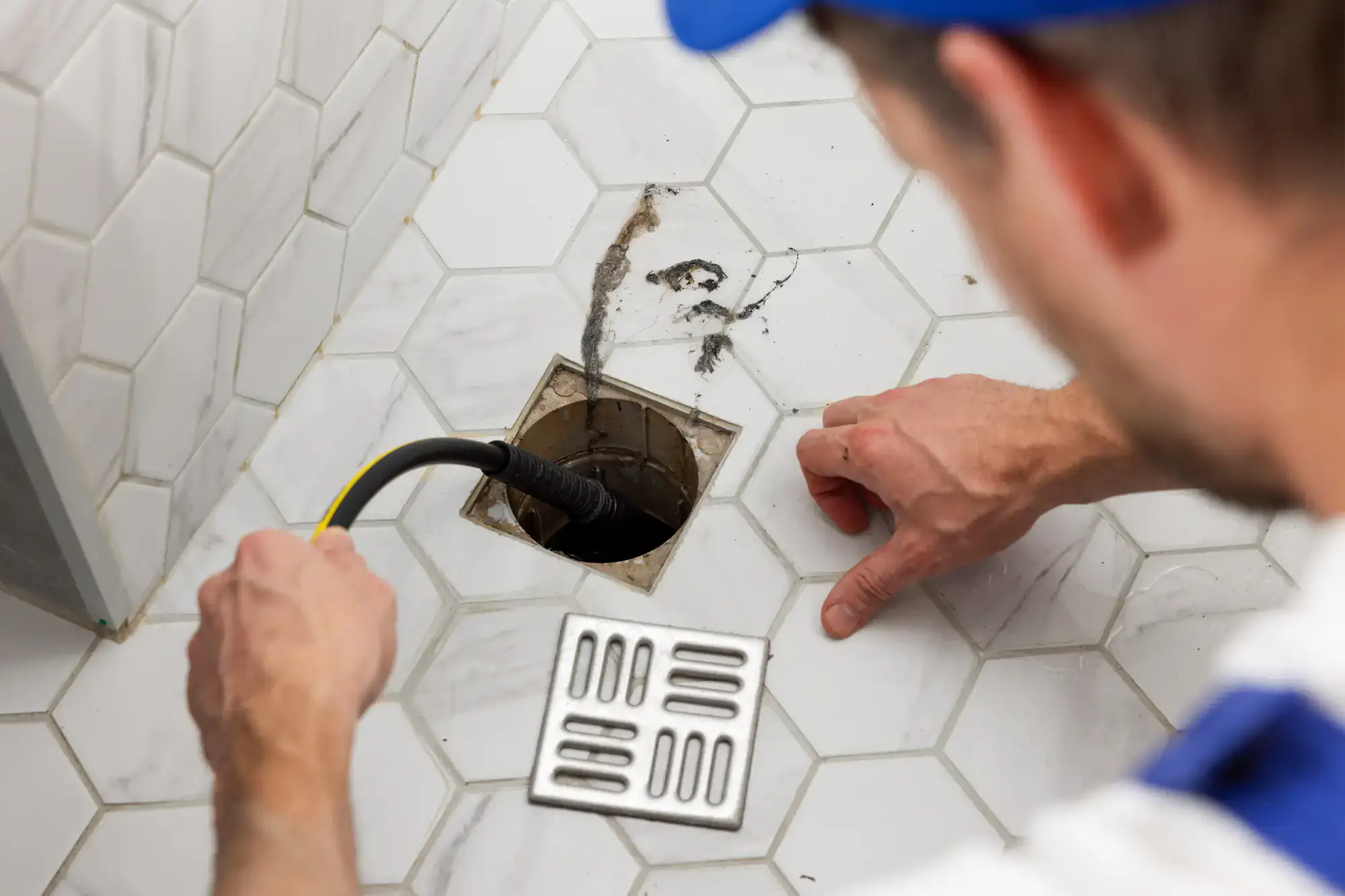
When you call us, the first thing that happens is a real conversation — not a dispatch queue. You describe what’s going on, and based on that, we determine whether hydro jetting is the right tool or whether something else makes more sense first. If hydro jetting is the right call, one of our technicians comes out and runs a camera inspection before any high-pressure water touches your pipes.
That inspection step matters more in Georgetown than it does in newer suburban neighborhoods. Homes in this area — especially those built in the mid-20th century — often have clay or cast iron sewer laterals. Running 4,000 PSI through a pipe that has pre-existing cracks or significant joint deterioration can cause real damage. The camera inspection identifies any compromised sections first, so pressure can be calibrated to what your specific system can safely handle. If the pipe isn’t in a condition to be jetted safely, you’ll know that before any work begins — not after.
Once the inspection confirms the system is ready, the jetting begins. A specialized nozzle is fed through the line, and high-pressure water blasts in all directions — forward to break through the blockage and backward to flush debris out of the pipe entirely. When the run is complete, a second camera inspection documents the result. You can see the before and the after. For Georgetown homeowners dealing with GDPUD property transfer requirements or county septic compliance, that documentation has real practical value beyond just peace of mind. The whole process typically runs one to three hours depending on line length and the extent of the buildup.
Ready to get started?
The combination of conditions in Georgetown is genuinely harder on sewer lines than what most valley homeowners deal with. You have aging pipe materials, aggressive root systems from a heavily forested landscape, hard water mineral buildup from the GDPUD supply system, and a wet/dry climate cycle that works against pipe joints every single year. Our hydro jetting service is built around addressing that specific combination — not a generic drain cleaning call.
The service covers the full spectrum of what accumulates in Georgetown pipes: tree root intrusions, grease buildup from kitchen use, mineral scale from hard water, silt from foothill soils, soap scum, and years of organic debris. For properties on the Auburn Lake Trails Wastewater Zone or those navigating El Dorado County septic requirements, the before-and-after camera documentation that comes with every job gives you a written record of pipe condition — something that matters when a property transfer inspection is on the table.
We offer 24/7 emergency hydro jetting service. Georgetown is served by SR 193, and when a main sewer line backs up at night or on a weekend, your options for after-hours coverage in this area are genuinely limited. A backed-up main line doesn’t wait for Monday morning — and in a community this far from the nearest large-market contractor, that availability is the difference between a manageable problem and a sewage overflow situation. Pricing for residential hydro jetting runs $450 to $900 depending on the severity of the blockage and pipe accessibility, and that range is communicated upfront before any work begins.
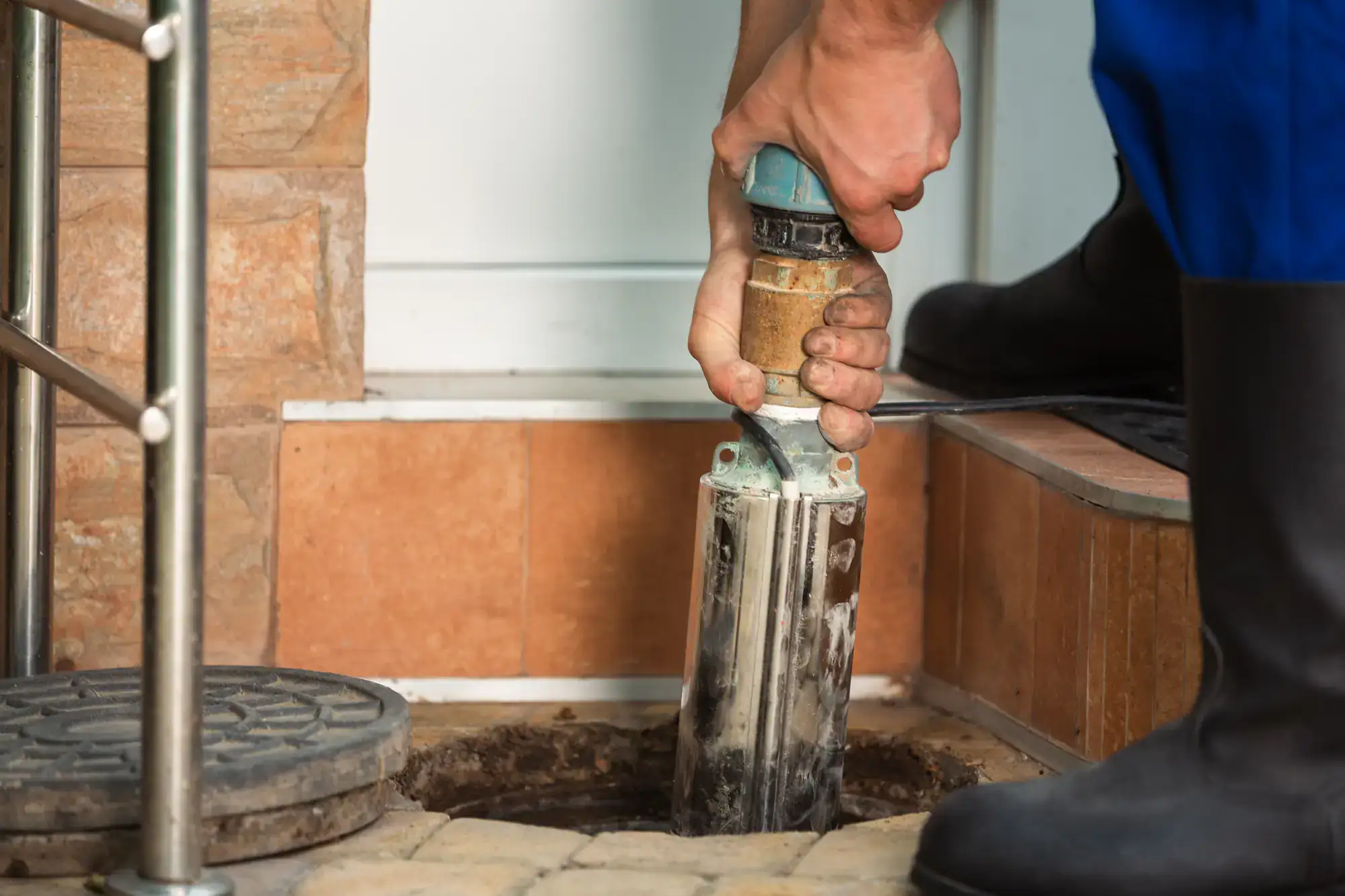
This is the most common concern for Georgetown homeowners, and it’s a fair one. Many homes in this area — particularly those built between the 1940s and 1970s — have clay or cast iron sewer laterals. Those materials can be brittle after decades of root pressure, soil movement, and freeze-thaw cycles at Georgetown’s elevation. Running high-pressure water through a pipe that’s already cracked or significantly deteriorated can make things worse.
That’s exactly why we run a camera inspection before any hydro jetting begins. The camera identifies the condition of the pipe, locates any pre-existing damage, and determines whether the system can safely handle the pressure. If it can, the PSI is calibrated to the pipe material and condition — not set to a one-size-fits-all level. If the pipe isn’t in a condition to be safely jetted, you’ll be told that before any work starts, and the next appropriate step will be discussed. The inspection protects your pipes and protects you from a repair bill that didn’t need to happen.
Snaking is effective for clogs that are close to the drain opening — roughly the first five to ten feet of pipe. It works by poking a hole through the blockage, which restores flow in the short term. The problem is that it doesn’t remove what caused the clog. The grease coating on the pipe walls stays. The root fragments stay. The mineral scale stays. Within weeks or months, the same material rebuilds itself into the same clog.
Hydro jetting operates at up to 4,000 PSI and uses a rotating nozzle that blasts water in every direction — forward to break through the obstruction and backward to flush all of it out of the pipe entirely. The pipe walls get scoured clean, not just punctured. For Georgetown homeowners dealing with recurring slow drains or backups — especially in homes with mature trees overhead — that distinction is the difference between a temporary fix and a result that actually holds. If your drain has been snaked more than once in the past year and the problem keeps coming back, snaking isn’t solving it.
For most residential properties in Georgetown, once every one to three years is a reasonable maintenance window — assuming the system was thoroughly cleaned and the pipe is in good structural condition. That said, a few local factors can push that timeline shorter. If your property has significant tree canopy overhead — which describes most homes in Georgetown given the density of ponderosa pines and black oaks in the area — root intrusion tends to be a recurring issue rather than a one-time event. Annual service may make more sense for those properties.
Georgetown’s climate also plays a role. The wet winters and dry summers create conditions where roots aggressively seek moisture inside sewer lines during the dry season, then find new entry points through loosened soil joints during the rainy season. That cycle doesn’t stop after one cleaning. For homes on private septic systems — which are common in the rural parcels surrounding Georgetown — the drain lines feeding the septic tank are equally susceptible and benefit from the same maintenance schedule. One of our technicians can give you a more specific recommendation after seeing your pipe condition on camera.
For residential hydro jetting, our pricing runs between $450 and $900 depending on the severity of the blockage, the length of the line being cleaned, and how accessible the pipe is. That range is given to you upfront before any work begins — not after the technician has already started. There are no diagnostic fees layered on top, and the price we quote is the price you pay.
It’s worth putting that number in context. If your drain is being snaked two or three times a year at $150 to $350 per visit, you’re spending $300 to over $1,000 annually on a fix that isn’t actually fixing anything. One hydro jetting service that thoroughly clears the pipe and holds for one to three years typically costs less over time than repeated snaking — and it eliminates the disruption of recurring backups. For Georgetown homeowners who have been dealing with the same drain problem for years, the math tends to shift pretty quickly once you look at the full picture.
Yes — we offer 24/7 emergency hydro jetting service, and that availability matters more in Georgetown than it does in most other communities in this service area. Georgetown is accessible by SR 193, and the pool of contractors with true after-hours coverage in this part of El Dorado County is thin. The local plumbing operators in the Georgetown Divide area are small shops, and most don’t have documented emergency dispatch available at night or on weekends.
When a main sewer line backs up — multiple drains failing at once, sewage smell coming from floor drains, gurgling sounds throughout the house — that’s not a problem you wait until Monday to address. We pick up the phone, and one of our technicians familiar with the SR 193 corridor and the Georgetown area heads out. The response is the same whether it’s a Tuesday afternoon or a Saturday night. Emergency calls are handled with the same upfront pricing and camera inspection process as any scheduled service — nothing changes except the timing.
Yes, and it’s actually a common application for properties in Georgetown and the surrounding rural areas of El Dorado County. Many homes outside the GDPUD municipal sewer zones rely on private septic systems governed by El Dorado County Environmental Management. The drain lines that run from your home to the septic tank — the lateral lines — are just as susceptible to root intrusion, grease buildup, and mineral scale as any municipal sewer connection. Hydro jetting those lines clears the buildup and restores proper flow to the tank.
One thing to be clear about: hydro jetting cleans the lateral lines leading to the septic tank, not the tank itself or the leach field. Those components require separate service. But if your issue is slow drains, recurring backups, or a lateral line that hasn’t been professionally cleaned in years, hydro jetting is the right tool regardless of whether you’re on municipal sewer or private septic. For Georgetown homeowners navigating El Dorado County septic inspection requirements — including those in the Auburn Lake Trails Wastewater Zone — the before-and-after camera documentation that comes with every hydro jetting job we do gives you a concrete record of lateral line condition that can support compliance conversations with the county.
Other Services we provide in Georgetown