
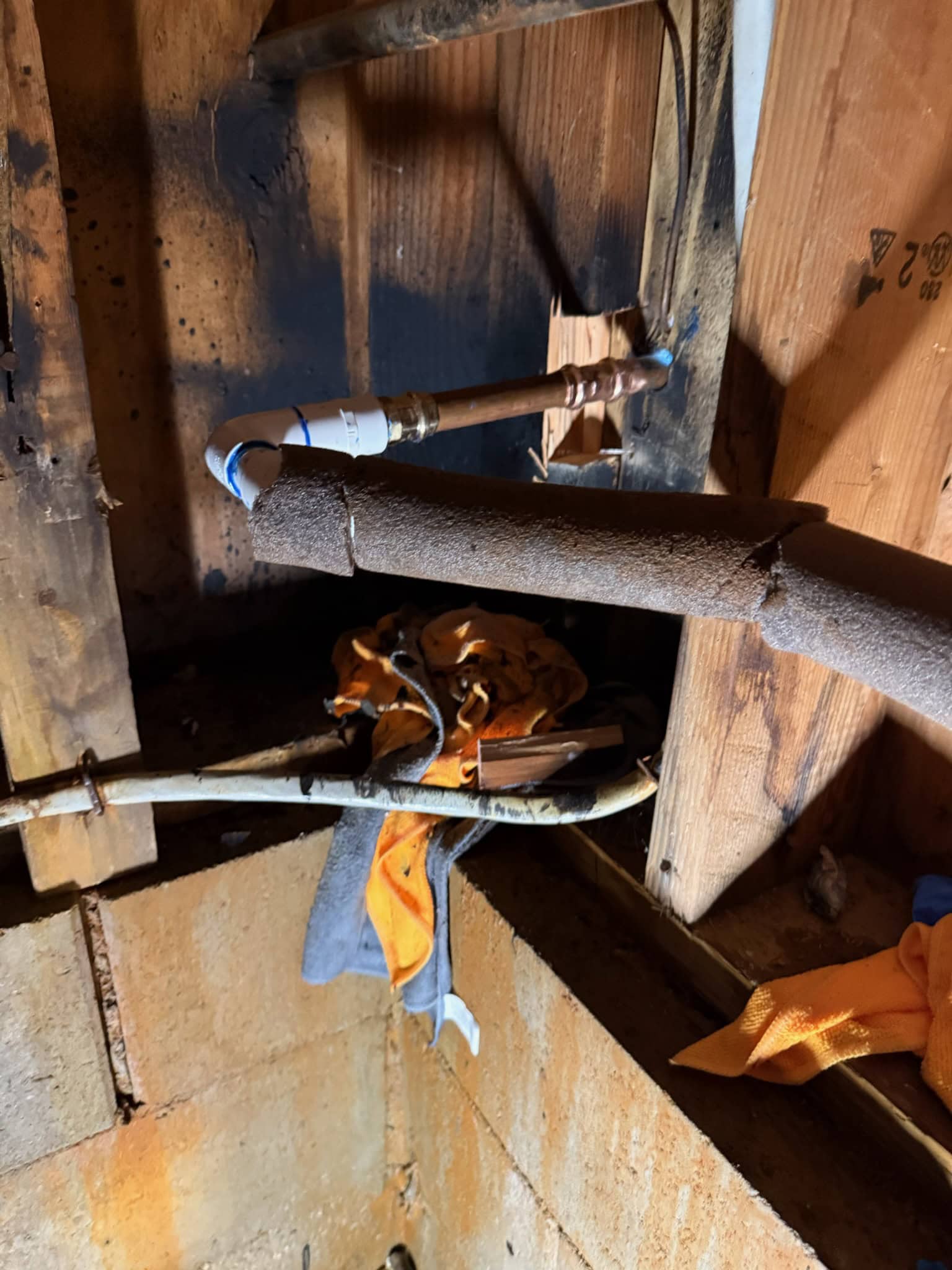
Kitec Repipe
Get a free quote for kitec repipe from your local plumbing team.
We’ll contact you about your kitec repipe request. Privacy policy
Hear from Our Customers
Your insurance company stops treating your home like a liability. You can sell without disclosures scaring off buyers. You sleep better knowing a pipe won’t burst at 2 a.m. and destroy your floors, walls, and belongings.
Kitec was installed in thousands of homes between 1995 and 2007, especially in Georgetown and surrounding El Dorado County areas. It looked fine at first. Then the fittings started failing. The pipes became brittle. Now, most insurance companies either refuse coverage entirely or charge higher deductibles if they find out you still have it.
Replacing it isn’t optional anymore. It’s about protecting what you’ve built. Once it’s out, you’re dealing with copper or PEX—systems that actually last. No more wondering if today’s the day your kitchen floods while you’re at work.
We’ve been handling residential and commercial repiping in Georgetown, CA since day one. We’re not new to Kitec problems. We’ve seen what happens when homeowners wait too long, and we’ve helped dozens of families get ahead of it before the damage happens.
Georgetown’s housing stock includes plenty of homes built during the Kitec era. We know which neighborhoods got hit hardest. We know how these systems were installed and where they typically fail first. That local knowledge matters when you’re planning a full repipe.
We show up when we say we will. We give you a clear estimate upfront. And we don’t leave until the job’s done right and your home is back to normal.
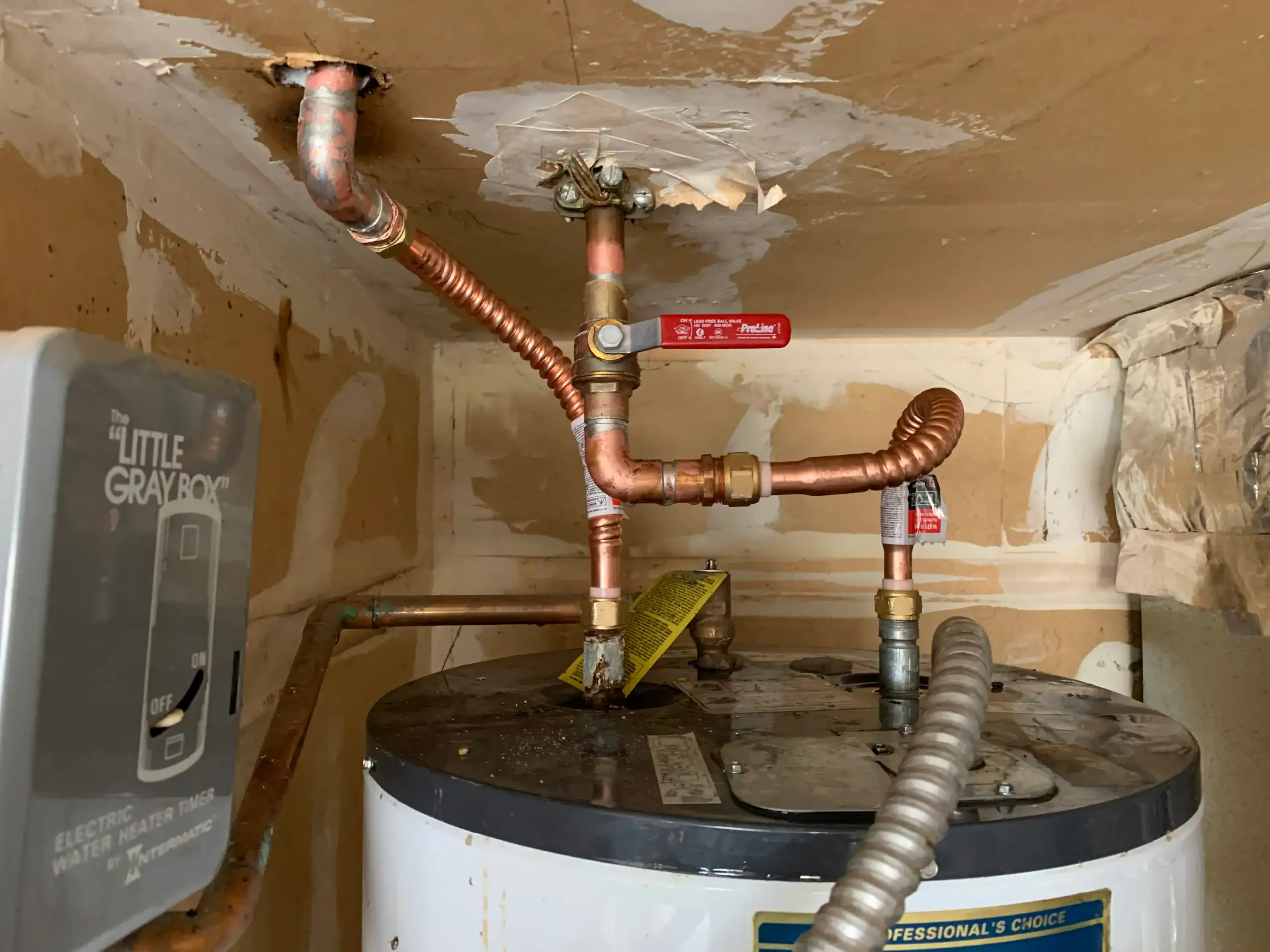
First, we inspect your entire system. We need to see how much Kitec is in your walls, under your floors, and in your ceilings. That tells us the scope and helps us give you an accurate estimate—not a guess.
Once you’re ready to move forward, we schedule the work around your life. We shut off water to specific areas, remove the old Kitec piping and fittings, and install new copper or PEX lines. We’re careful with your walls and floors. If we need to open something up, we patch it back properly.
After installation, we test everything. We check for leaks, verify pressure, and make sure your water flows the way it should. Then we walk you through what we did and answer any questions. The whole process typically takes a few days depending on your home’s size, but you’ll have water access during most of it.
Ready to get started?
A complete Kitec repipe in Georgetown, CA means removing every inch of Kitec from your home. That includes hot and cold water lines, all the brass fittings that are prone to dezincification, and any connectors that could fail later.
We replace it with either copper or PEX, depending on your home’s layout and your preferences. Copper is traditional and durable. PEX is flexible, faster to install, and works well in tighter spaces. Both are infinitely better than Kitec.
Georgetown homes built in the late ’90s and early 2000s often have Kitec running to kitchens, bathrooms, laundry rooms, and water heaters. We handle all of it. We also coordinate any necessary permits and make sure the work meets California plumbing codes. You’re not just getting new pipes—you’re getting a system that’s built to last and won’t cause problems down the road.
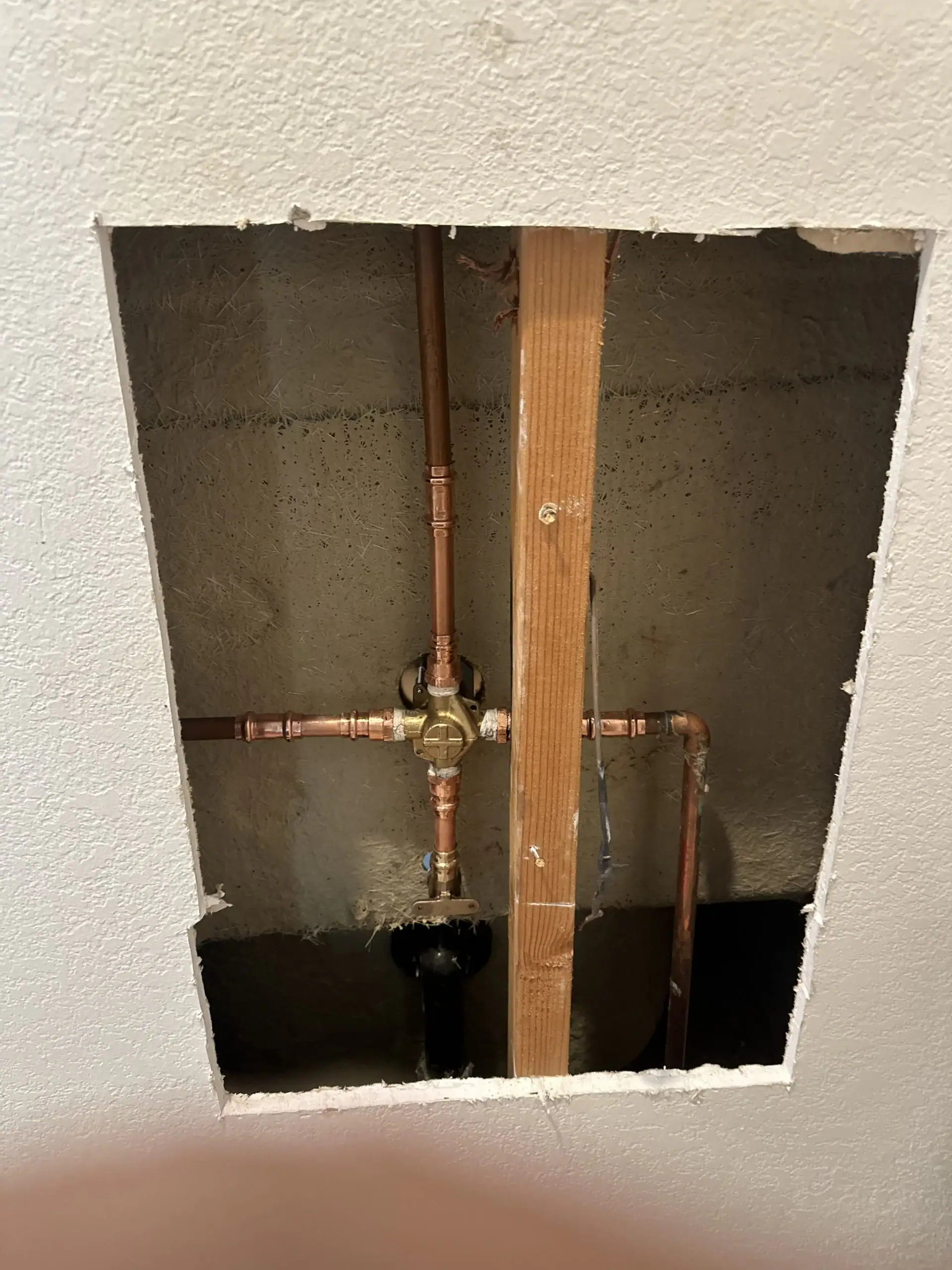
Check your water heater, under sinks, and near your main water shut-off. Kitec pipes are usually orange or blue, though some are gray. The fittings are brass-colored and often stamped with “Kitec” or “KTC.”
If your home was built or renovated between 1995 and 2007 in Georgetown, there’s a decent chance it has Kitec. That’s when it was most commonly installed in Northern California. A lot of builders used it because it was cheap and easy to work with.
If you’re not sure, call us. We can come out, take a look, and tell you exactly what you’re dealing with. It takes about 15 minutes to identify, and there’s no charge for that initial assessment.
Most full Kitec repipes in Georgetown run between $8,000 and $15,000, depending on your home’s size, how much Kitec is installed, and how accessible your plumbing is. Single-story homes with open crawl spaces cost less. Two-story homes with finished ceilings cost more.
We don’t give ballpark numbers over the phone because every home is different. We come out, assess the actual scope, and give you a written estimate that won’t change unless you ask us to do additional work.
Some homeowners try to phase the work or just replace sections. That’s risky. If you leave any Kitec in place, you’re still vulnerable to failure. Insurance companies don’t care if you replaced half of it—they care that it’s still there.
You can’t repair Kitec in any meaningful way. The fittings fail because of a chemical reaction called dezincification. The pipes themselves become brittle over time. Replacing one section doesn’t fix the problem—it just delays it.
Most plumbing supply houses don’t even carry Kitec fittings anymore. If you found them, you’d be patching a failing system with parts that are also going to fail. It’s like putting a band-aid on a broken bone.
The only real solution is a full repipe. That’s not a sales pitch—it’s just the reality of how Kitec works. Once it starts failing in one spot, the rest of the system isn’t far behind. Every plumber who’s dealt with Kitec will tell you the same thing.
Insurance won’t pay to replace Kitec as a preventive measure. They see it as a maintenance issue, not a covered loss. However, if your Kitec bursts and causes water damage, they’ll usually cover the damage—but not the cost to replace the piping itself.
Here’s the bigger problem: many insurance companies in California are now refusing to renew policies or charging much higher premiums if they discover you have Kitec. Some require you to replace it within a certain timeframe or they’ll drop your coverage entirely.
If you’re buying or selling a home in Georgetown with Kitec, it’s going to come up during inspection. Buyers will either ask for a credit, demand replacement before closing, or walk away. Replacing it before listing makes the sale smoother and protects your home’s value.
Most residential Kitec repiping projects in Georgetown take between two and five days. Smaller homes with straightforward layouts are faster. Larger homes with multiple bathrooms, finished basements, or complex plumbing configurations take longer.
You’ll have limited water access during parts of the job, but we don’t shut off your entire house for days at a time. We work in sections so you can still use bathrooms and kitchens when we’re not actively working in those areas.
We schedule around your life as much as possible. If you need us to avoid certain days or work around your schedule, just let us know upfront. We’ve done enough of these projects to know how disruptive they can be, and we try to minimize that.
Both work. Copper is the traditional choice—it’s durable, heat-resistant, and has been used in homes for decades. It’s also more expensive and takes longer to install because every joint has to be soldered.
PEX is flexible, faster to install, and costs less. It’s especially useful in homes where running new lines through tight spaces or finished walls is necessary. It’s been widely used since the 1980s and holds up well in residential applications.
For Georgetown homes, we usually recommend PEX unless you have a strong preference for copper. It gets the job done faster, costs less, and performs just as well for typical residential water systems. Either way, you’re getting a system that’s light-years better than Kitec and won’t put your home at risk.
Other Services we provide in Georgetown