
Kitec Repair
Get a free quote for kitec repair from your local plumbing team.
We’ll contact you about your kitec repair request. Privacy policy
Hear from Our Customers
You already know Kitec is a ticking time bomb. The fittings aren’t made anymore, repairs are basically impossible, and every plumber you’ve talked to has said the same thing: it’s not if your pipes fail, it’s when.
That’s the reality for thousands of homes built in Antelope between 1995 and 2007. You’re living in the failure window right now. And if you’re trying to sell, refinance, or even just get insurance coverage without restrictions, Kitec plumbing problems in Antelope, CA are blocking your path forward.
Here’s what changes when you replace it. Your insurance company stops flagging your policy. Lenders actually approve your buyer’s loan. You stop checking for wet spots on the ceiling every time you hear a noise. And you’re not gambling with thousands in water damage every single day.
The question isn’t whether you need to replace it. It’s whether you do it on your terms or in the middle of an emergency.
We’ve been handling plumbing emergencies and full repiping projects across the Sacramento region since 2001. We’re licensed, insured, and locally based in El Dorado County, which means we understand the housing stock in Antelope and the specific challenges that come with homes built during the Kitec installation era.
We’re not a call center. We’re not a franchise. You’re working with a family-owned company that shows up when we say we will, tells you the cost before we start, and doesn’t surprise you with hidden fees after the work is done.
Our Google rating is 4.7 out of 5 based on 93 reviews, and the reason is simple: we do what we say we’re going to do. When you’re dealing with something as serious as Kitec plumbing services in Antelope, CA, that consistency matters.
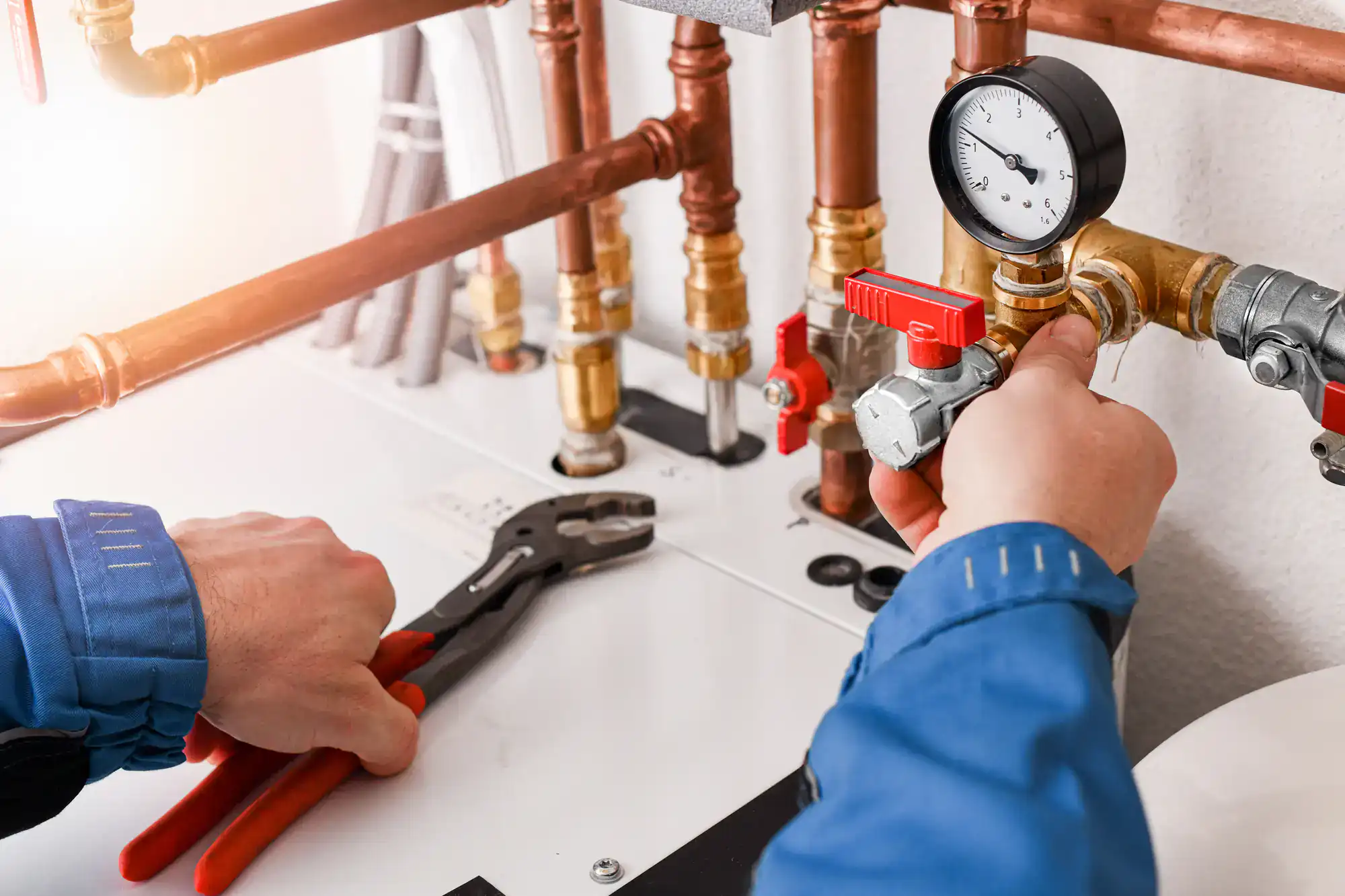
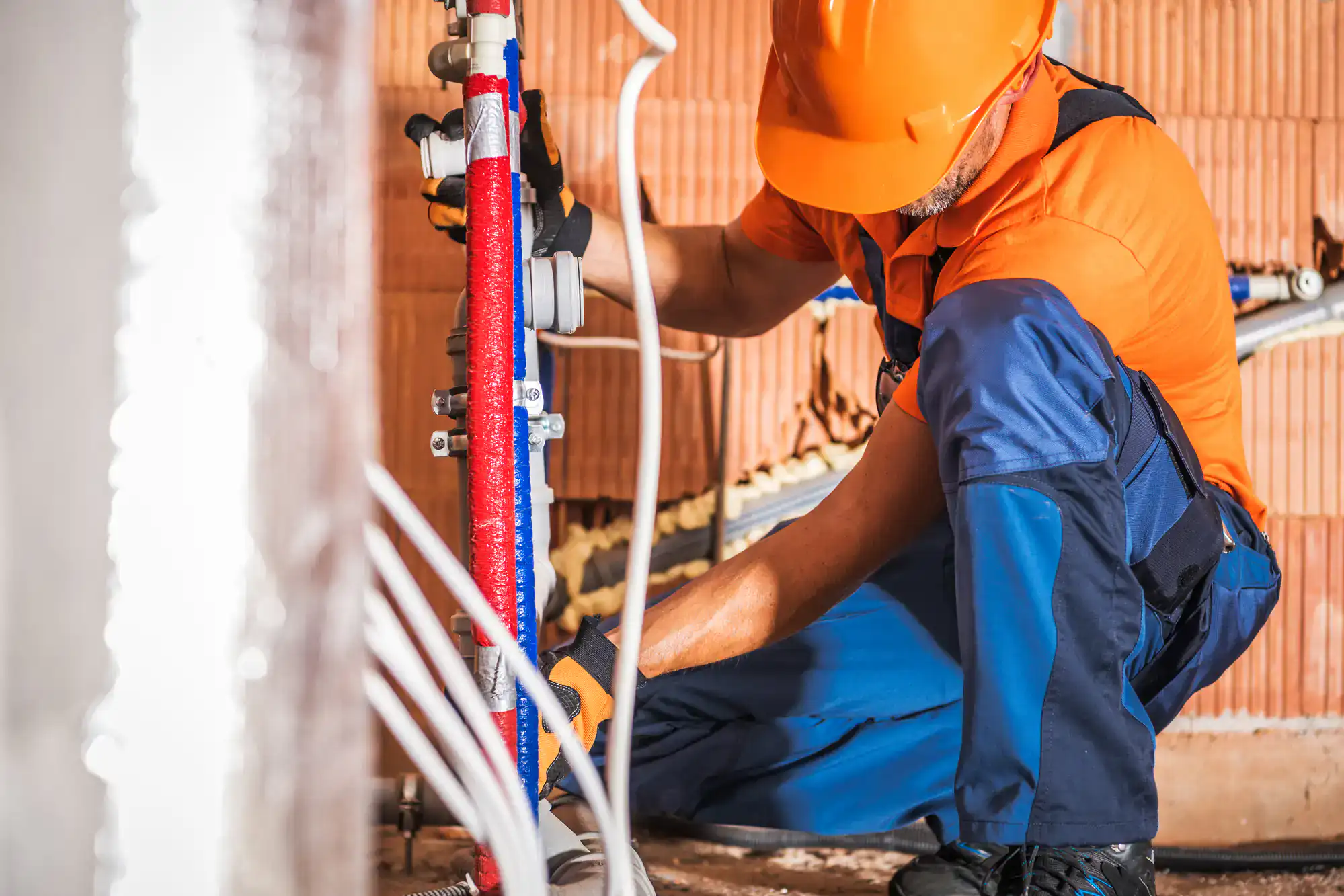
First, we come out and assess your system. We’ll confirm whether you actually have Kitec (the orange and blue pipes are usually the giveaway), check where the lines run, and figure out what’s involved in a full replacement. Then we give you an upfront price—no surprises, no upselling.
If you move forward, we schedule the work around your life. Most repiping jobs take a few days, and you can stay in your home the entire time. We’ll shut off water only when necessary, protect your floors and walls, and keep disruption to a minimum.
We replace your old Kitec lines with either copper or PEX—both are durable, code-compliant, and built to last decades. Once the new system is in, we test everything, clean up, and walk you through what we did. You’ll also get documentation you can share with your insurance company, your lender, or a future buyer.
The whole process is designed to be as straightforward as the problem itself: bad pipes out, good pipes in, problem solved.
Ready to get started?
When we handle Kitec repair in Antelope, CA, you’re not just getting new pipes. You’re getting a system that works with your home’s layout, your water heater, and the local water conditions that made Kitec fail faster here in the first place.
Sacramento County has harder water than a lot of regions, and that sediment wears down pipe interiors over time. Kitec is especially vulnerable to this. That’s why we don’t patch—we replace the whole system with materials that can handle the local water chemistry without breaking down.
You’ll also get peace of mind with your insurance. Many carriers in California have started limiting coverage or raising deductibles on homes with Kitec still installed. Once it’s gone, those restrictions disappear. Same goes for financing—lenders are increasingly hesitant to approve loans on properties with known Kitec systems, which can kill a sale even if you’ve found a buyer.
And if you’re dealing with an active leak or burst pipe, we offer 24/7 emergency response. Kitec failures don’t wait for business hours, and neither do we.
It depends on the size of your home and how many floors the plumbing runs through. For a typical single-story home in Antelope, you’re usually looking at somewhere between $4,000 and $8,000. Two-story homes or larger properties can run higher, sometimes into the low teens, especially if there are complex layouts or limited access to the pipes.
That might sound like a lot, but compare it to the cost of a pipe burst. Water damage from a single failure can easily hit $10,000 to $20,000 once you factor in drywall, flooring, furniture, and mold remediation. And that’s assuming your insurance even covers it—many policies specifically exclude Kitec-related damage now.
We’ll give you an exact number after we assess your home. No guessing, no ranges, just a clear price before any work starts.
Technically, sometimes. But it’s not a real solution. The fittings that connect Kitec pipes aren’t manufactured anymore, and the sizing doesn’t match standard plumbing components. That means even if you patch one section, you’re working with mismatched materials that won’t hold up long-term.
More importantly, the problem with Kitec isn’t just one bad section—it’s the entire system. The brass fittings corrode from the inside out due to a chemical reaction with the water. That’s happening throughout your whole house, not just where the leak showed up. Fixing one spot doesn’t stop the other fittings from failing next month or next year.
If you’re trying to sell your home, a partial repair won’t satisfy buyers or lenders either. They want the system gone, and they’re right to ask for it.
Most full replacements take between two and five days, depending on the size of your home and how accessible the plumbing is. Single-story homes on a slab foundation are usually faster. Two-story homes with plumbing in the walls or attic take a bit longer.
You don’t have to move out. We work around your schedule and keep water shutoffs as brief as possible. You’ll have access to bathrooms and sinks for most of the day—we only need to turn things off when we’re actively connecting new lines.
The timeline also depends on whether we’re replacing everything at once or doing it in phases. Some homeowners prefer to tackle the whole house in one shot. Others want to start with the most critical areas (like near the water heater or main supply lines) and handle the rest later. Either way, we’ll map out a plan before we start so you know exactly what to expect.
Yes. Kitec is one of those red flags that kills deals even when everything else looks good. Buyers see it during the inspection, their lender flags it, and suddenly you’re either dropping your price to cover the replacement or watching them walk away entirely.
Most lenders won’t approve a loan on a property with Kitec still installed. They know the failure rate is too high and the risk of catastrophic damage is real. Even if you find a cash buyer, they’re going to use it as leverage to negotiate your price down—and they’ll probably lowball you by more than the replacement would’ve cost in the first place.
If you replace it before listing, you remove that obstacle completely. Your home appraises cleanly, financing goes through without issues, and you’re not stuck explaining to every buyer why they shouldn’t be worried about pipes that everyone knows are defective. It’s one of the few repairs that directly impacts your ability to close, not just your sale price.
We typically use either copper or PEX, depending on your home’s layout and your preferences. Copper is the traditional standard—it’s durable, heat-resistant, and lasts 50+ years. It’s also what most inspectors and appraisers expect to see, which can be helpful if you’re planning to sell soon.
PEX is newer but just as reliable. It’s flexible, which makes it easier to install in tight spaces or homes where access is limited. It also handles temperature changes well and costs a bit less than copper in most cases. Both materials are code-compliant and built to handle the water conditions here in Sacramento County.
We’ll walk you through the pros and cons of each during your assessment. There’s no wrong choice—it’s more about what makes sense for your home and your budget. Either way, you’re getting a system that’s built to last decades, not years.
Usually not. Most insurance policies cover sudden, accidental damage—like a burst pipe that floods your home—but they don’t cover the cost of replacing a plumbing system that’s known to be defective. That’s considered a maintenance issue, not a covered loss.
There was a class-action settlement years ago that compensated some homeowners for Kitec replacement costs, but the deadline to file a claim passed in January 2020. If you didn’t submit paperwork before then, that option is gone.
The good news is that replacing Kitec can actually improve your insurance situation. A lot of carriers are now limiting coverage, increasing deductibles, or flat-out refusing to insure homes with Kitec still installed. Once you replace it, those restrictions disappear. You might even qualify for better rates, since you’ve eliminated a major risk factor that insurers are actively trying to avoid.
Other Services we provide in Antelope