
Hear from Our Customers
You already know Kitec is a problem. Maybe your home inspector flagged it, or your insurance company sent you a letter. Either way, you’re stuck between the cost of replacing it now and the risk of catastrophic failure later.
Here’s what most homeowners in Meyers don’t realize: the question isn’t if your Kitec will fail. It’s when. And in mountain conditions—with temperature swings, elevation changes, and seasonal freezing—that timeline accelerates.
When Kitec pipes burst, they don’t give you a slow drip to catch early. They flood rooms fast. We’re talking ruined floors, soaked drywall, destroyed belongings, and mold growing in places you can’t see. The average water damage claim from a burst pipe runs $5,000 to $15,000, and that’s before you factor in the cost of actually replacing the plumbing system.
Getting ahead of it means you control the timeline, the budget, and the mess. You’re not scrambling at 2 a.m. with water pouring into your living room. You’re making a smart decision on your terms.
We’ve been handling complex plumbing jobs for over a century. That’s five generations of real-world problem solving, not just textbook training.
We’ve worked in mountain homes throughout the Lake Tahoe area, including Meyers, where elevation and weather create plumbing challenges you won’t find in flat, temperate climates. Frozen pipes, pressure issues, and seasonal property complications—we’ve seen it all.
When you call us for Kitec leak repair in Meyers, CA, you’re getting a team that shows up on time, quotes you a fair price upfront, and finishes the job without surprise charges. Our pricing is transparent. The number we give you is the number you pay. And if we find a way to do it for less, that’s what you’ll see on the final bill.
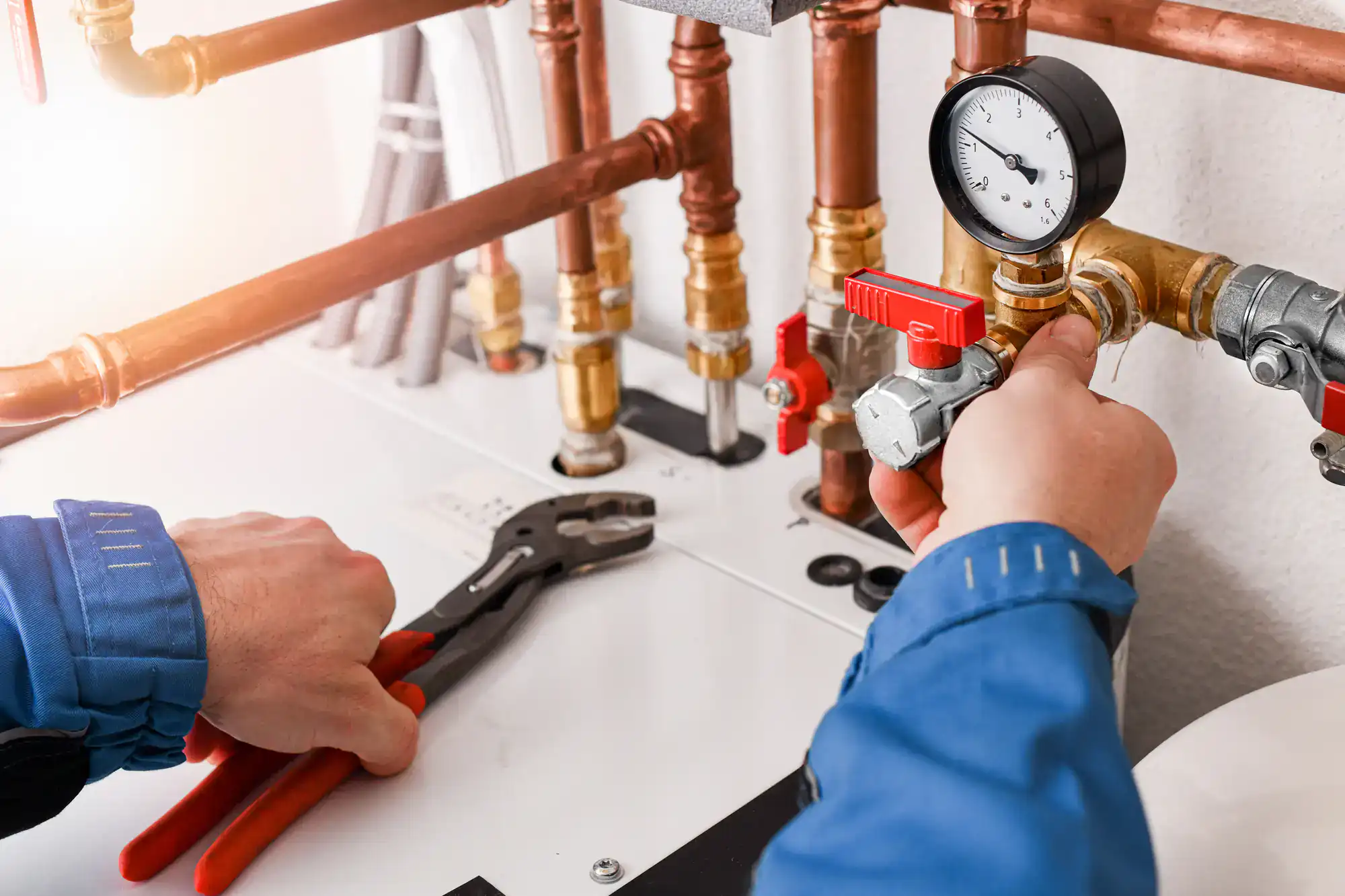
First, we come out and assess your system. We’re looking at how much Kitec you have, where it runs, and what access points we’ll need. Most homes built between 1995 and 2007 have it in hot water lines, but sometimes it’s throughout the whole house.
Once we know the scope, we give you a clear estimate. For smaller homes, you’re typically looking at $4,500 to $8,000. Larger properties can run $10,000 to $15,000 depending on square footage and complexity. If we need to open walls or ceilings, we’ll tell you upfront.
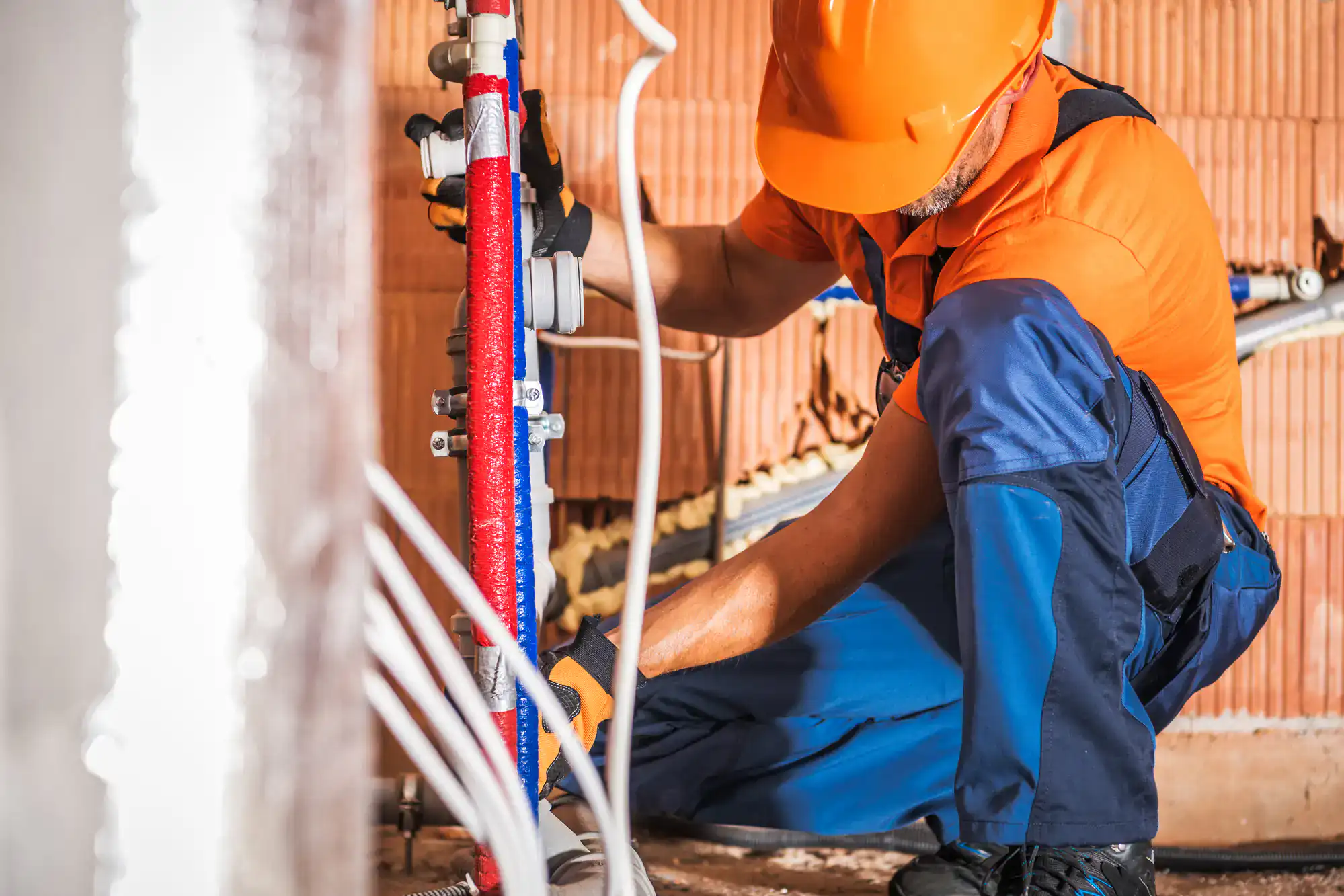
The actual replacement usually takes one to two days. We shut off your water, remove the old Kitec piping, and install new PEX or copper lines—your choice. PEX is faster and less expensive. Copper lasts forever but costs more. We’ll walk you through the pros and cons so you can decide what makes sense for your home and budget.
After the install, we pressure test everything, check for leaks, and make sure your water heater and fixtures are all functioning properly. Then we patch any access holes and clean up. You’re left with a plumbing system you can trust and a lifetime warranty on the work.
Ready to get started?
Kitec was recalled because the brass fittings corrode from the inside out. It’s called dezincification—zinc leaches out of the brass, leaving it brittle and weak. Eventually, the fitting cracks or the pipe bursts under normal water pressure.
In Meyers, you’ve got additional risk factors. Temperature swings between summer heat and winter freezing put extra stress on the pipes. If your home sits empty part of the year, those pipes aren’t getting regular flow, which accelerates corrosion. And if your water has higher acidity—common in some mountain water sources—that speeds up the dezincification process even more.
Insurance companies know this. That’s why many won’t cover homes with Kitec, or they’ll charge you significantly higher premiums with exclusions for plumbing failures. Some mortgage lenders won’t approve loans on properties with Kitec still installed. So even if you’re not planning to sell soon, it’s affecting your home’s value and insurability right now.
The class action settlement that was supposed to help homeowners pay for replacement? That deadline passed in January 2020. If you didn’t file a claim before then, you’re covering the cost yourself. But waiting only increases the chance you’ll be paying for both the replacement and the water damage.
Check your water heater connections, under sinks, and in your basement or crawl space. Kitec pipes are usually orange or blue, though sometimes they’re black or gray. The fittings are brass-colored.
Look for the word “Kitec” printed on the pipe itself. You might also see brand names like PlumbBetter, IPEX AQUA, WarmRite, Kitec XPA, or AmbioComfort. If you’re not sure, take a photo and text it to us. We can usually tell you right away if it’s Kitec.
Most homes with Kitec were built or remodeled between 1995 and 2007. If your home falls in that range and you’ve never had the plumbing replaced, there’s a good chance it’s in there.
If you’re only replacing the Kitec lines connected to your water heater, you’re looking at $800 to $1,500 depending on access and how much pipe needs to be swapped out. That’s a common starting point for homeowners who want to address the highest-risk area first.
But here’s the thing: if you have Kitec at your water heater, you probably have it elsewhere too. Replacing just one section buys you time, but it doesn’t solve the whole problem. Most people end up doing a full repipe eventually.
A complete Kitec replacement in a typical Meyers home runs between $5,000 and $12,000. If your home is larger or has multiple stories, it could be closer to $15,000. We’ll give you an exact number after we assess your property. No guessing, no range-padding—just a real price based on what we see.
Most full repipes take one to two days. Smaller homes or condos can sometimes be done in a single day. Larger properties with complex layouts might take three days, especially if we’re working around finished spaces and trying to minimize wall damage.
We’ll map out the timeline before we start so you know what to expect. You’ll be without water during the work, so plan accordingly—but we’re not talking about a week-long disruption. We move fast, and we clean up after ourselves.
If you need us to work around your schedule—like if you’re only in Meyers on weekends or during certain months—we can coordinate that. We’ve worked with plenty of vacation homeowners who need the job done while they’re in town or while the property is empty.
You can, but it’s like putting a bandaid on a broken bone. If one section of Kitec has failed, the rest of the system is under the same stress and likely to fail soon. You’ll end up paying for multiple emergency repairs, and each one comes with the risk of water damage.
Emergency Kitec leak repair in Meyers, CA will run you $300 to $800 depending on the severity and time of day. Do that two or three times, and you’ve spent a chunk of what a full replacement would’ve cost—without actually solving the problem.
We’ll never push you into a full repipe if you’re not ready. But we’ll be straight with you about what a patch job actually buys you. In most cases, it’s just delaying the inevitable while you roll the dice on another burst.
Probably not. Most insurance policies don’t cover the cost of replacing defective materials—they only cover sudden damage caused by a failure. So if your Kitec bursts and floods your home, they might cover the water damage (minus your deductible), but they won’t pay to replace the plumbing system.
And here’s the harder part: many insurers in California won’t even cover homes with Kitec anymore. Some will insure you but exclude any claims related to plumbing failures. Others will jack up your premiums or require a massive deductible for water damage.
If you’re trying to sell your home, buyers’ lenders might require Kitec to be replaced before they’ll approve the mortgage. That puts you in a position where you’re paying for it anyway—just under pressure and on someone else’s timeline. Getting it done proactively gives you control and eliminates a major obstacle during a sale.
You’ve got two main choices: PEX or copper. PEX is flexible plastic tubing that’s faster to install, less expensive, and handles freezing better than copper. It’s what we recommend for most mountain homes in Meyers because it’s durable, cost-effective, and performs well in cold climates.
Copper is the traditional option. It lasts forever, and some people just prefer it. It costs more upfront and takes longer to install because every joint has to be soldered. But if you’re planning to stay in your home long-term and want the most proven material, copper is a solid choice.
Both options will outlast Kitec by decades. We’ll walk you through the pros and cons based on your home’s layout, your budget, and how long you plan to own the property. There’s no wrong answer—just the right fit for your situation.
Other Services we provide in Meyers