
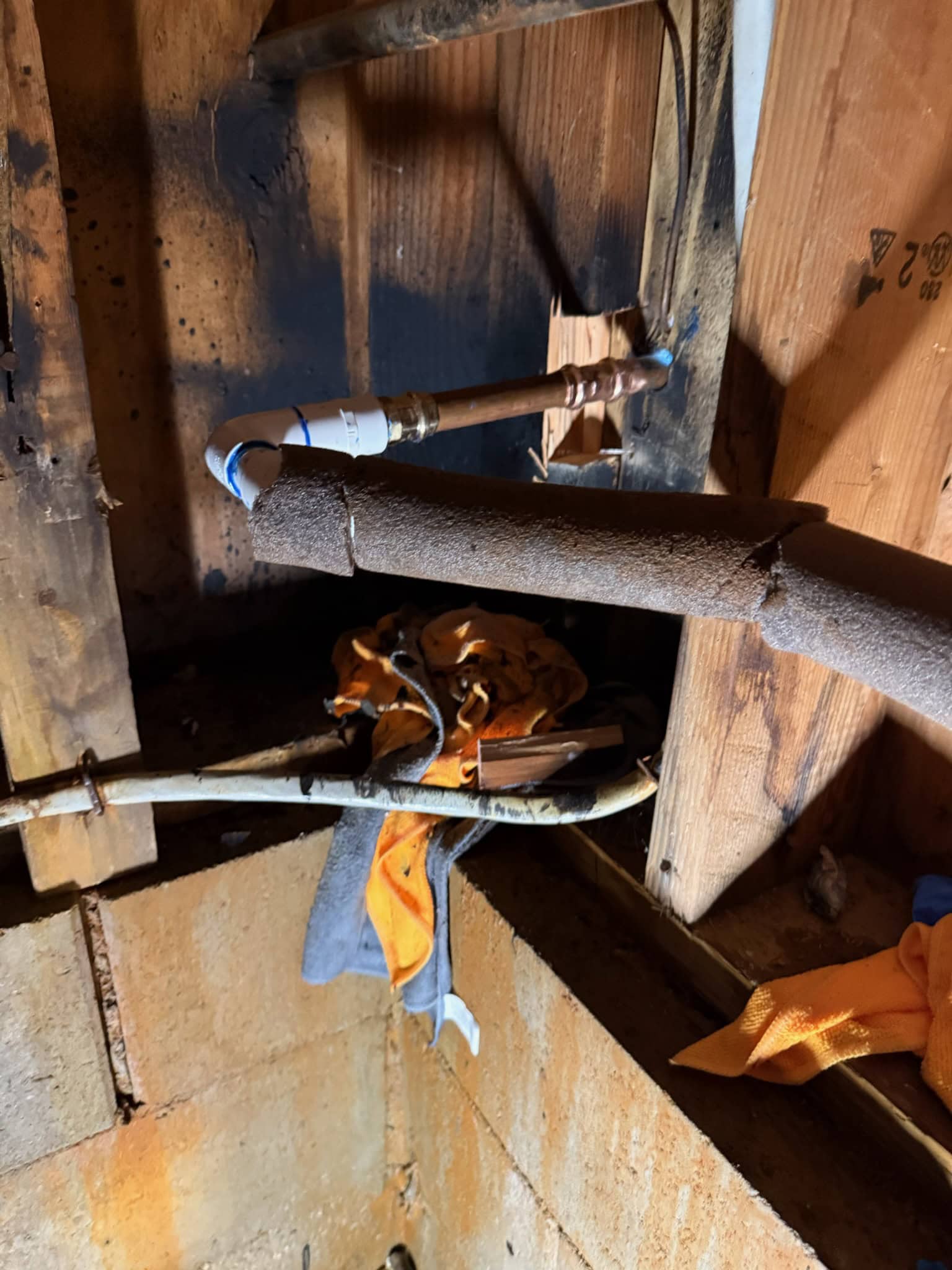
Kitec Repipe
Get a free quote for kitec repipe from your local plumbing team.
We’ll contact you about your kitec repipe request. Privacy policy
Hear from Our Customers
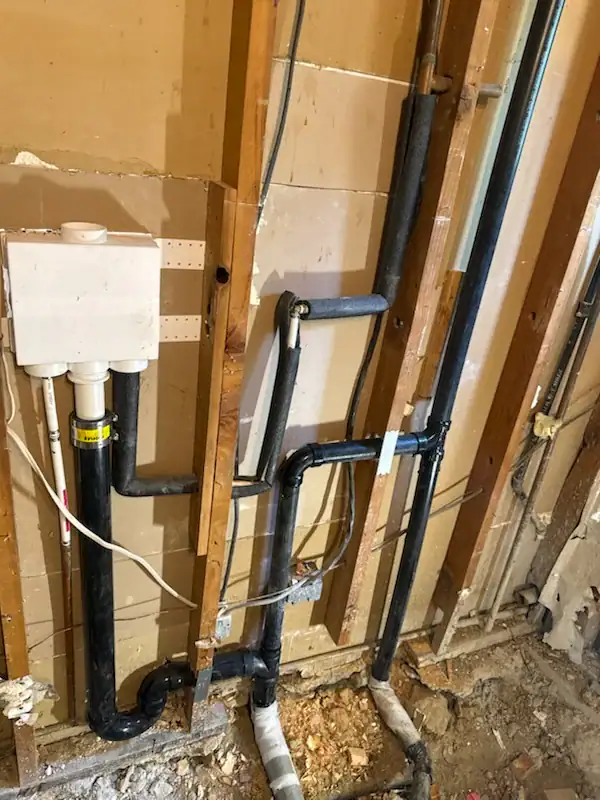
You’ll sleep better knowing your pipes won’t spontaneously burst at 2 a.m. Insurance companies stop treating your home like a liability. Your property value holds steady instead of dropping because buyers see “Kitec” on the inspection report and walk away.
A complete Kitec repipe in Tahoe Park means swapping out every compromised fitting and pipe with materials that actually last—copper or PEX, depending on your home’s layout and your budget. You’re not patching problems. You’re eliminating the root cause.
Most Tahoe Park homes were built between the 1940s and 1960s, but Kitec showed up in remodels and additions from 1995 to 2007. If your bungalow or ranch-style home had plumbing work done during those years, there’s a real chance Kitec is hiding in your walls. The question isn’t if it’ll fail. It’s when.
We’ve spent over two decades handling residential and commercial Kitec repiping across Sacramento. We’re licensed, insured, and we show up when we say we will. Our 4.7-star Google rating comes from 93 reviews written by people who actually hired us—not marketing copy.
Tahoe Park’s housing stock is unique. Homes here sit on smaller lots with tight crawl spaces and concrete slab foundations. That means access is tricky and shortcuts show up fast. We’ve repiped enough mid-century bungalows in this neighborhood to know where Kitec typically hides and how to replace it without tearing apart your entire house.
You’ll get transparent pricing before we start. Most customers tell us the final bill came in lower than the estimate, which isn’t something you hear often in this industry.
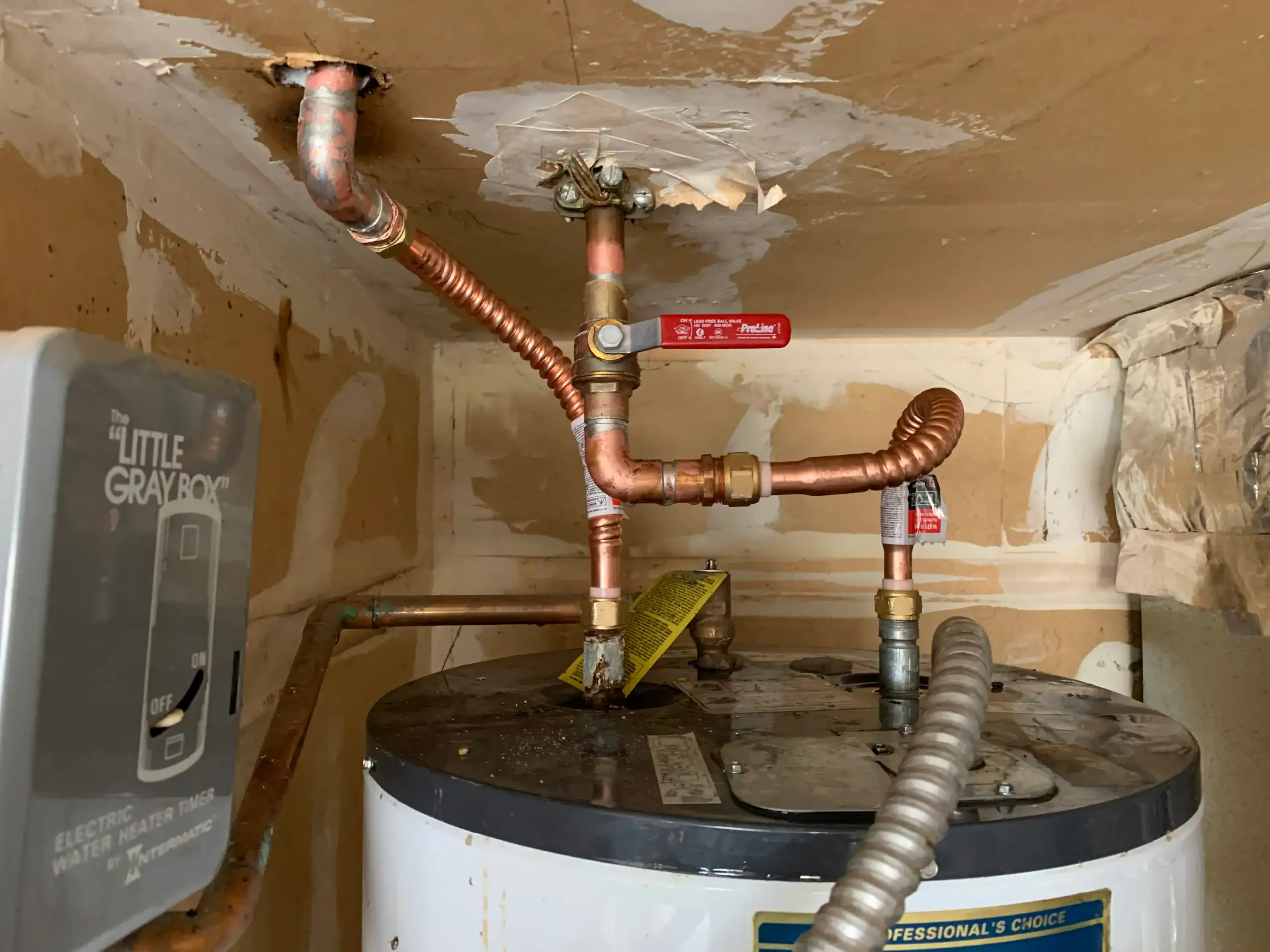
First, we inspect your entire plumbing system to map out where Kitec exists. That includes checking behind walls, under sinks, in the attic, and anywhere remodel work was done between 1995 and 2007. You’ll get a clear breakdown of what needs replacing and what it’ll cost.
Next, we shut off your water and start removing the old Kitec pipes and brass fittings. Depending on your home’s size and layout, this might mean opening up some walls or accessing your crawl space. We install new copper or PEX lines, test everything for leaks, and make sure your water pressure is where it should be.
Finally, we patch any drywall we had to open, haul away the old materials, and walk you through what we did. The whole process typically takes a few days for a standard Tahoe Park home, though larger properties or complicated layouts can take longer. You’ll have reliable plumbing and documentation for your insurance company and future buyers.
Ready to get started?
You’re getting a complete system replacement, not a patch job. That means removing every section of Kitec pipe and every brass fitting that’s prone to corrosion. We replace it with either copper or PEX, depending on what makes sense for your home and budget.
Copper lasts 50-plus years and adds resale value. PEX is flexible, faster to install, and can last up to 75 years with less risk of freezing or bursting. Both options eliminate the Kitec problem entirely. We’ll help you decide which material fits your situation.
In Tahoe Park, most homes range from 1,000 to 1,300 square feet, which typically means a repipe costs between $5,000 and $15,000. Larger homes or properties with complex layouts can run higher. You’ll know the cost upfront, and we don’t pad estimates to make ourselves look good later.
Sacramento’s moderately hard water speeds up mineral buildup, which is another reason to choose materials that handle it well. Copper resists corrosion better than Kitec ever did, and PEX doesn’t corrode at all.
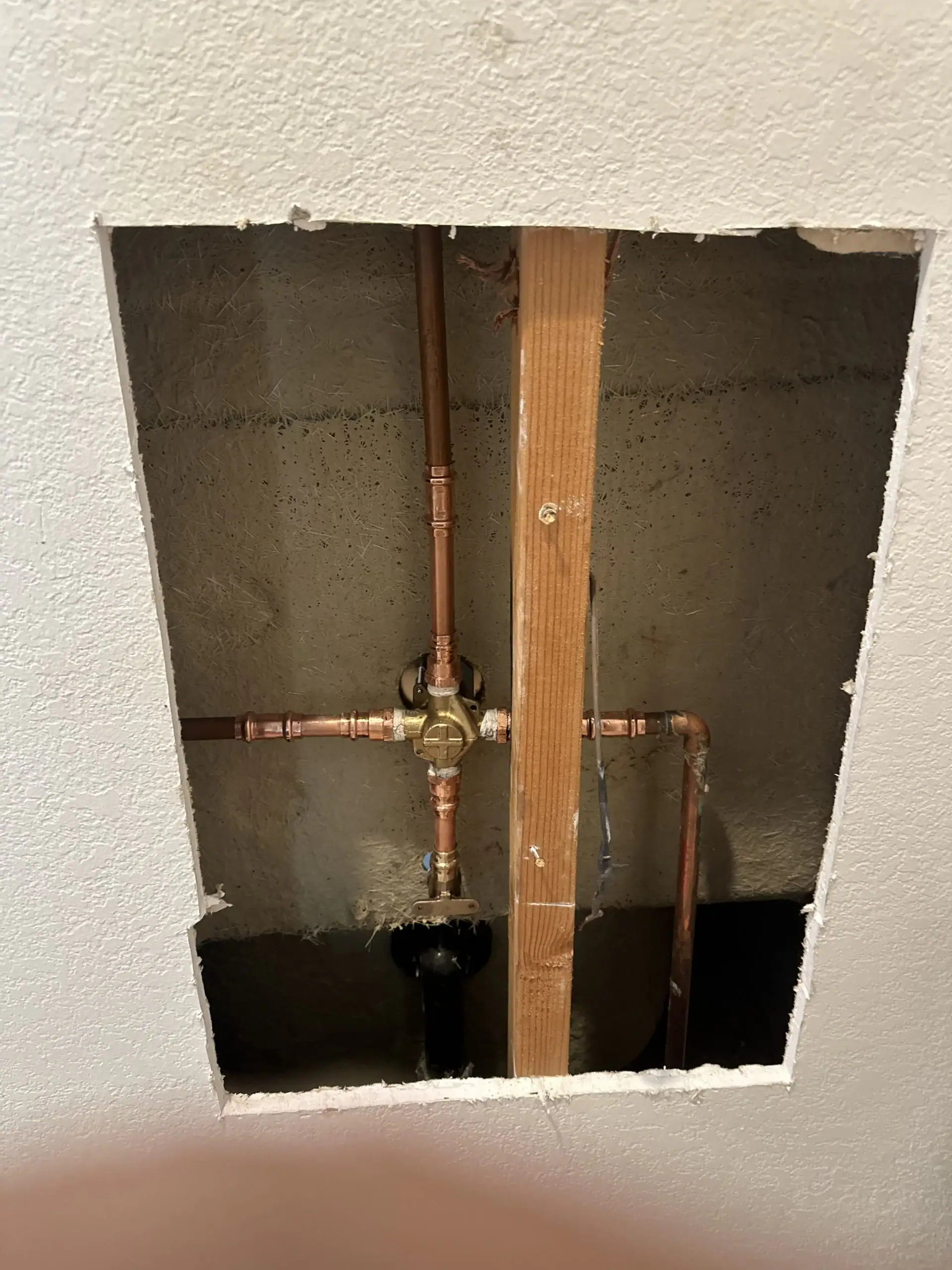
Check anywhere your plumbing is visible—under sinks, in the garage, near your water heater, or in the attic. Kitec pipes are usually blue or orange with “Kitec” or “KTC” printed on the side. The brass fittings connecting the pipes are the real problem, even if the pipe itself looks fine.
If your home was built before 1995, you’re probably in the clear. But if you had any remodeling, additions, or plumbing work done between 1995 and 2007, there’s a chance Kitec was installed. A lot of Tahoe Park homes had updates during that window, especially kitchen and bathroom remodels.
You can also hire us to inspect your system. We’ll check behind walls and in crawl spaces where Kitec often hides. If it’s there, you’ll know exactly where and how much needs replacing.
The brass fittings are the main failure point, but the pipe itself also degrades over time. Replacing just the fittings means you’re leaving compromised pipe in place, and you’ll likely face leaks or bursts down the road. It’s like replacing the tires on a car with a cracked engine block—you’re not solving the real problem.
Insurance companies and home inspectors know this. Even if you patch the fittings, you’ll still struggle to get affordable coverage or sell your home without disclosing the Kitec. Buyers will either walk away or demand a price reduction that’s often more than the cost of a full repipe.
A complete Kitec repipe in Tahoe Park eliminates the risk entirely. You’re not gambling on how much longer the pipes will hold. You’re installing a system that’ll last decades without the constant worry.
Most Tahoe Park homes take two to four days for a full residential Kitec repiping job. Smaller bungalows on the lower end, larger ranch-style homes on the higher end. If your home has a complicated layout, multiple stories, or limited crawl space access, it might take a bit longer.
We’ll shut off your water during the work, but we coordinate with you to minimize disruption. Some homeowners stay in the house during the repipe, others prefer to stay elsewhere for a few days. Either way, we clean up daily and keep the work area as contained as possible.
Once we’re done, you’ll have full water service again, and everything will be tested for leaks and proper pressure. We’ll also provide documentation for your insurance company and any future buyers who want proof the Kitec is gone.
Yes. Insurance companies either refuse to cover homes with Kitec or charge significantly higher premiums because the failure rate is so high. Once you replace the system with copper or PEX, you’re no longer a high-risk property. Most insurers will lower your premium or offer coverage they previously denied.
You’ll need documentation showing the work was done by a licensed plumber and that the Kitec was completely removed. We provide that paperwork as part of the job. Some homeowners see their insurance costs drop by hundreds of dollars a year after a repipe, which offsets part of the replacement cost over time.
If you’re trying to sell your home, having proof of a completed Kitec repipe also makes your property much easier to finance. Mortgage companies are wary of lending on homes with Kitec because of the liability. A clean inspection report with updated plumbing removes that obstacle entirely.
For most Tahoe Park homes—around 1,000 to 1,300 square feet—you’re looking at $5,000 to $15,000 for a complete Kitec repiping job. Larger homes or properties with multiple bathrooms, complex layouts, or difficult access can run closer to $20,000 or more. The material you choose also affects cost. PEX is generally less expensive than copper, but both eliminate the Kitec problem.
The price includes removing all the old Kitec pipes and fittings, installing new lines, testing for leaks, patching drywall, and hauling away debris. We give you a detailed estimate before starting so there are no surprises. Most of our customers say the final bill came in lower than expected, which isn’t common in this industry.
It’s also worth noting that the $125 million Kitec class-action settlement deadline has passed. You can’t file a claim anymore, so replacement costs come out of pocket. But the cost of a repipe is still far less than the damage from a burst pipe—water damage repairs often run $10,000 to $30,000 or more, plus the hassle of dealing with insurance claims and temporary housing.
Both work, and both last decades longer than Kitec ever will. Copper is the traditional choice—it’s durable, handles Sacramento’s moderately hard water well, and adds resale value. It’s been used in plumbing for over a century, so buyers and inspectors trust it. Copper typically lasts 50 years or more.
PEX is newer but equally reliable. It’s flexible, which makes installation faster and less invasive. It doesn’t corrode, resists freezing better than copper, and can last up to 75 years. PEX is also usually less expensive to install because it requires fewer fittings and less labor.
For Tahoe Park’s mid-century homes, either material works well. If you’re planning to sell soon and want maximum buyer confidence, copper might be the better choice. If you’re staying long-term and want a cost-effective, low-maintenance system, PEX is a solid option. We’ll walk you through the pros and cons based on your home’s layout and your priorities.
Other Services we provide in Tahoe Park