
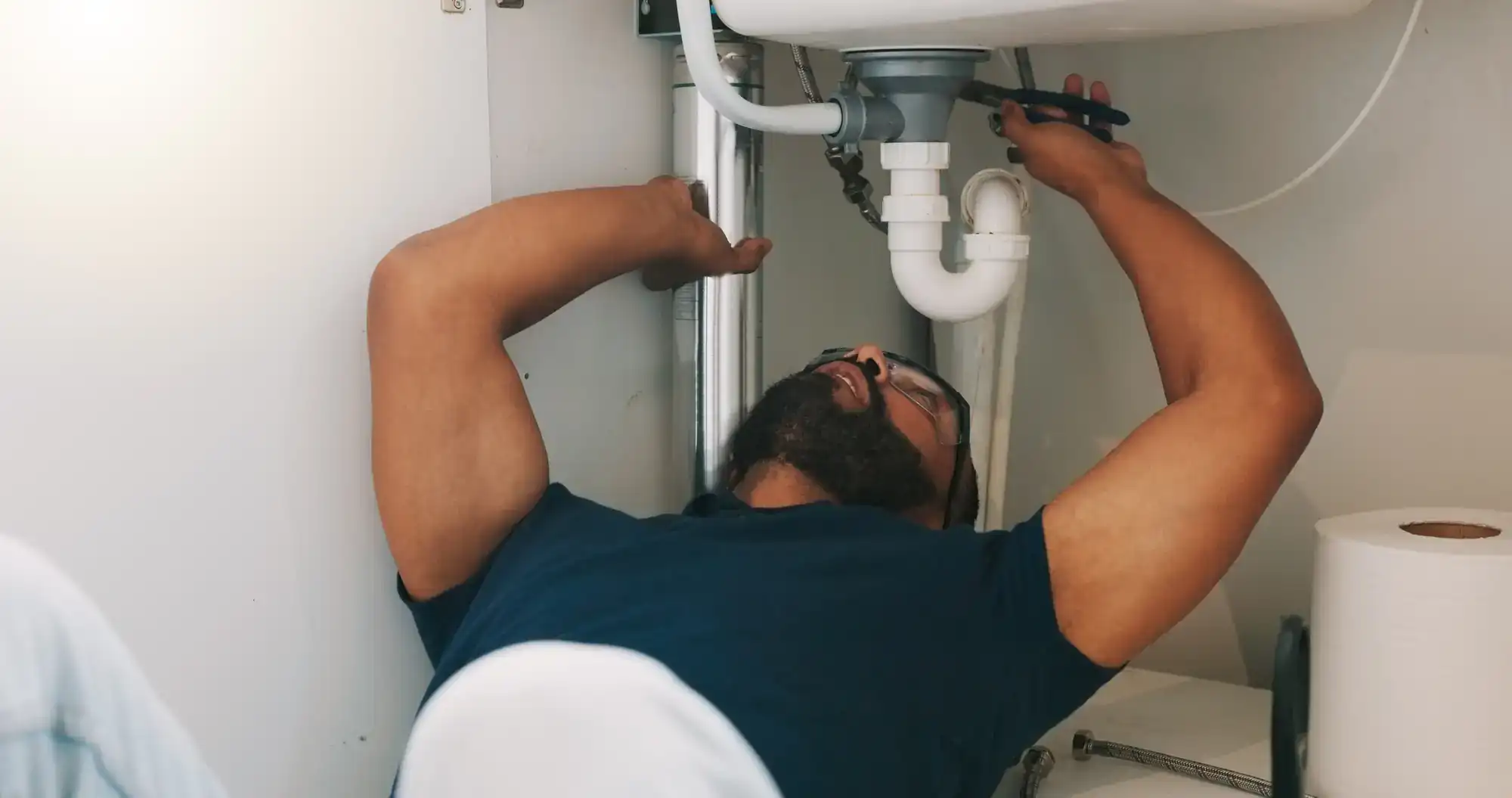
Plumbing Repair
Get a free quote for plumbing repair from your local plumbing team.
We’ll contact you about your plumbing repair request. Privacy policy
Hear from Our Customers
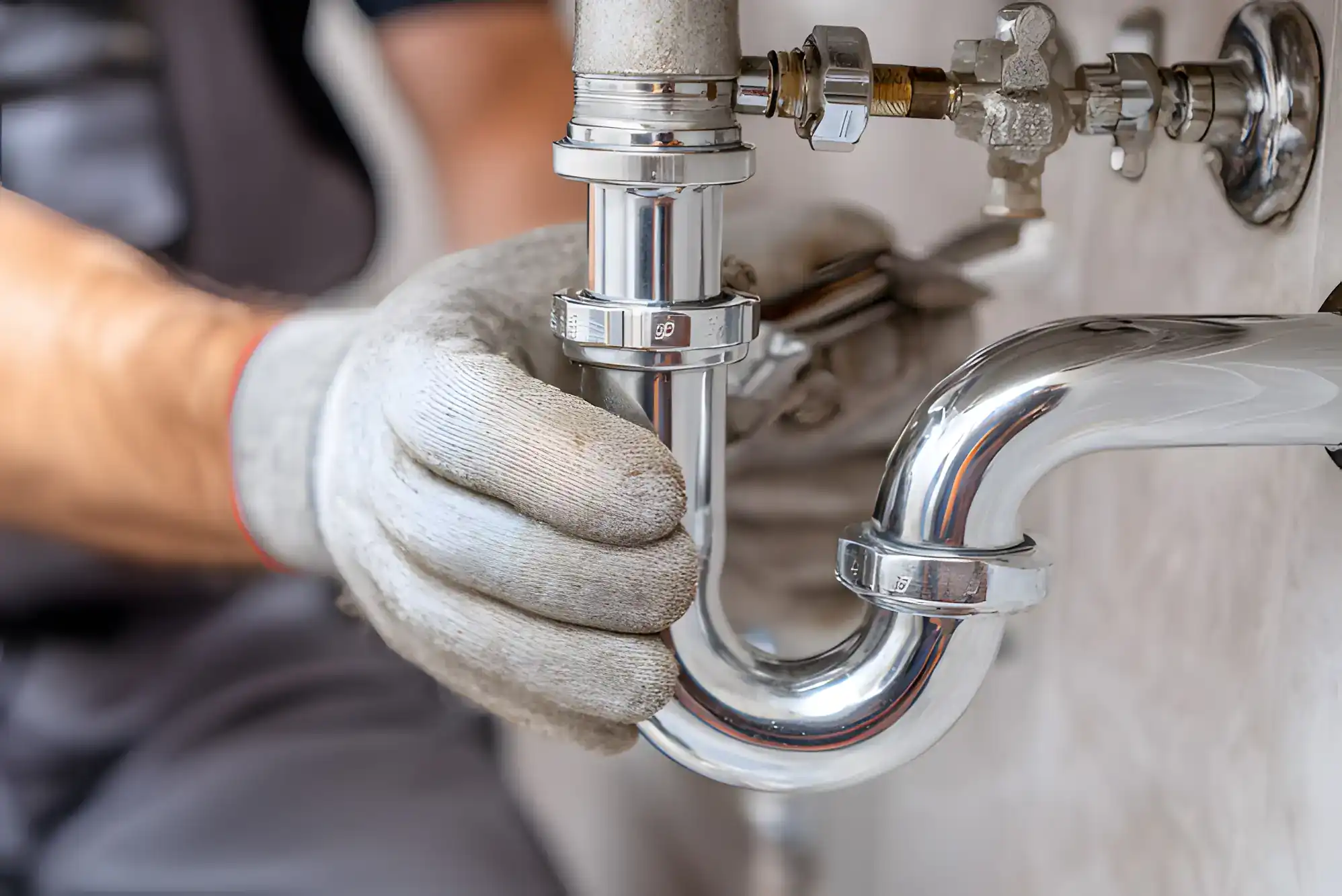
When a plumbing issue gets handled properly the first time, you stop losing water, stop worrying about what’s happening inside your walls, and stop rescheduling your week around a contractor who may or may not show. That’s the baseline — and it matters more than most people realize until something goes wrong.
For El Dorado Hills homeowners specifically, the stakes are higher than in most markets. The majority of homes here were built during the 1980s through 2000s construction boom, most of them on concrete slab foundations with copper supply lines running through or beneath the slab. Those pipes are now 20 to 40 years old. The combination of El Dorado County’s mildly acidic soils, the moderate water hardness that comes from Folsom Lake source water delivered by the El Dorado Irrigation District, and the natural friction between pipe and gravel over decades creates pinhole leaks that develop quietly — sometimes for months — before you notice anything.
A warm spot on the floor. A water bill that jumped for no obvious reason. By the time it’s visible, it’s already been active for a while. Getting ahead of that — or responding to it fast when it surfaces — protects a home that in this market is worth close to a million dollars.
We were founded in 2009 by Ryan Murray, who started the company in Placerville after the housing downturn — earned his contractor’s license, learned the service side of the trade from scratch, and built the business one job at a time. That’s about 20 miles east of El Dorado Hills on US 50. When our technicians head out to a job in Serrano or Fairchild Village, they’re not crossing a county line into unfamiliar territory. They’re driving through the same El Dorado County terrain we work in every day.
That matters when you’re dealing with the specific conditions that affect homes here — slab construction patterns from the tract housing era, the foothill soils that shift with the wet and dry seasons, the root intrusion risk that comes with the mature tree canopy throughout the original villages and Serrano’s 50,000 planted trees. This isn’t general regional knowledge. It’s the kind of familiarity that comes from years of diagnosing and fixing these exact problems in El Dorado Hills homes.
We hold a CSLB C-36 Plumbing Contractor License, carry full insurance, and back every job with upfront flat-rate pricing — agreed to in writing before any work begins.
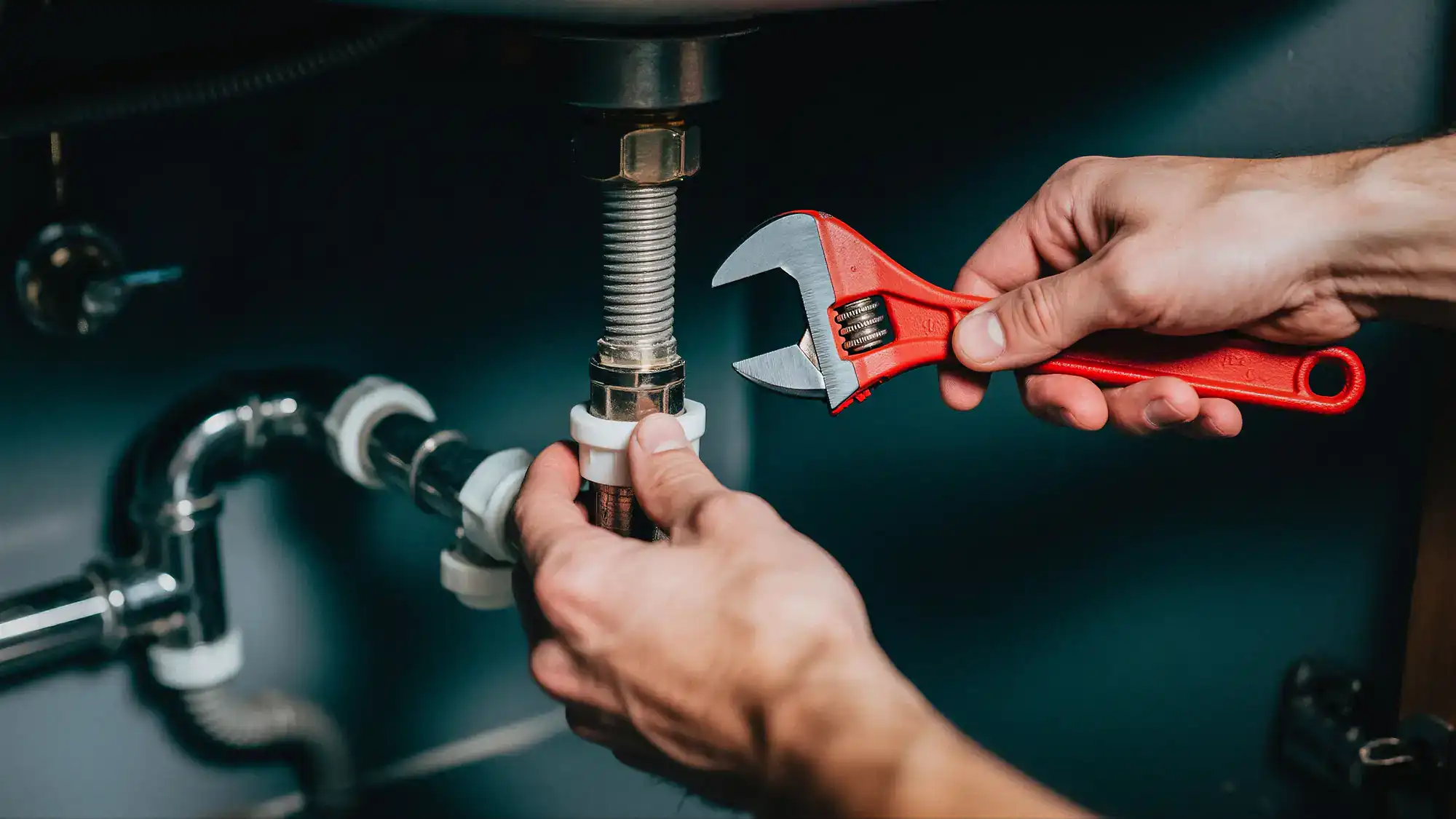
It starts with a call or a booking. Most El Dorado Hills residents reach out the same day something goes wrong — a backed-up drain, a suspicious wet spot on the floor, low pressure across the whole house, or something more urgent. You’ll get a real response fast, not a callback window that stretches into tomorrow.
Once on-site, the first step is diagnosis. Not a guess, not a quote based on what it probably is — an actual assessment of what’s happening. For slab leak calls, that means leak detection work before anything gets opened up. For sewer issues, it often means a camera inspection to see whether you’re dealing with a root intrusion, a partial blockage, or something further down the line.
El Dorado Hills’ clay and adobe soils shift seasonally, and that movement can stress underground pipes in ways that aren’t obvious from the surface. Knowing what you’re actually dealing with before you start is how you avoid fixing the wrong thing. After the diagnosis, you get the price — the full, flat-rate cost — before any work starts. No hourly clock running in the background, no additions discovered mid-job.
Because El Dorado Hills is unincorporated El Dorado County, plumbing work here falls under El Dorado County Building Department requirements, and any work affecting El Dorado Irrigation District infrastructure is handled in coordination with EID standards. We work within that framework as a matter of course — permits, compliance, and clean workmanship from start to finish.
Ready to get started?
We handle the full range of plumbing repair services — general plumbing repairs, emergency plumbing repair, pipe repair, water line repair, drain cleaning, hydro jetting, sewer repair, trenchless sewer repair, camera inspection, leak detection, water heater repair and replacement, tankless water heater installation, water softening, water filtration, and reverse osmosis systems.
Several of these are especially relevant to El Dorado Hills given the local conditions. Slab leak detection and repair are among the most common calls in this area, driven by the tract housing construction methods used throughout the community’s development period. Trenchless sewer repair is frequently the right answer for root intrusion issues — it resolves the problem without tearing up the landscaping that defines neighborhoods like Serrano and Stonegate.
Water heater maintenance and descaling matters more here than in softer-water markets because the moderate hardness of EID’s Folsom Lake water accelerates mineral scale buildup inside tanks and pipes, reducing efficiency and shortening the lifespan of equipment that would otherwise last years longer. For homes in the original villages — Ridgeview, Crown, Governors, and the others built in the 1960s and 1970s — aging pipe infrastructure is a real and present issue. Pipes from that era are approaching or past end-of-life, and the signs aren’t always dramatic. Slow drains, intermittent low pressure, and small leaks that keep coming back are often early signals of a larger pipe condition that a camera inspection can clarify before it becomes a full emergency.
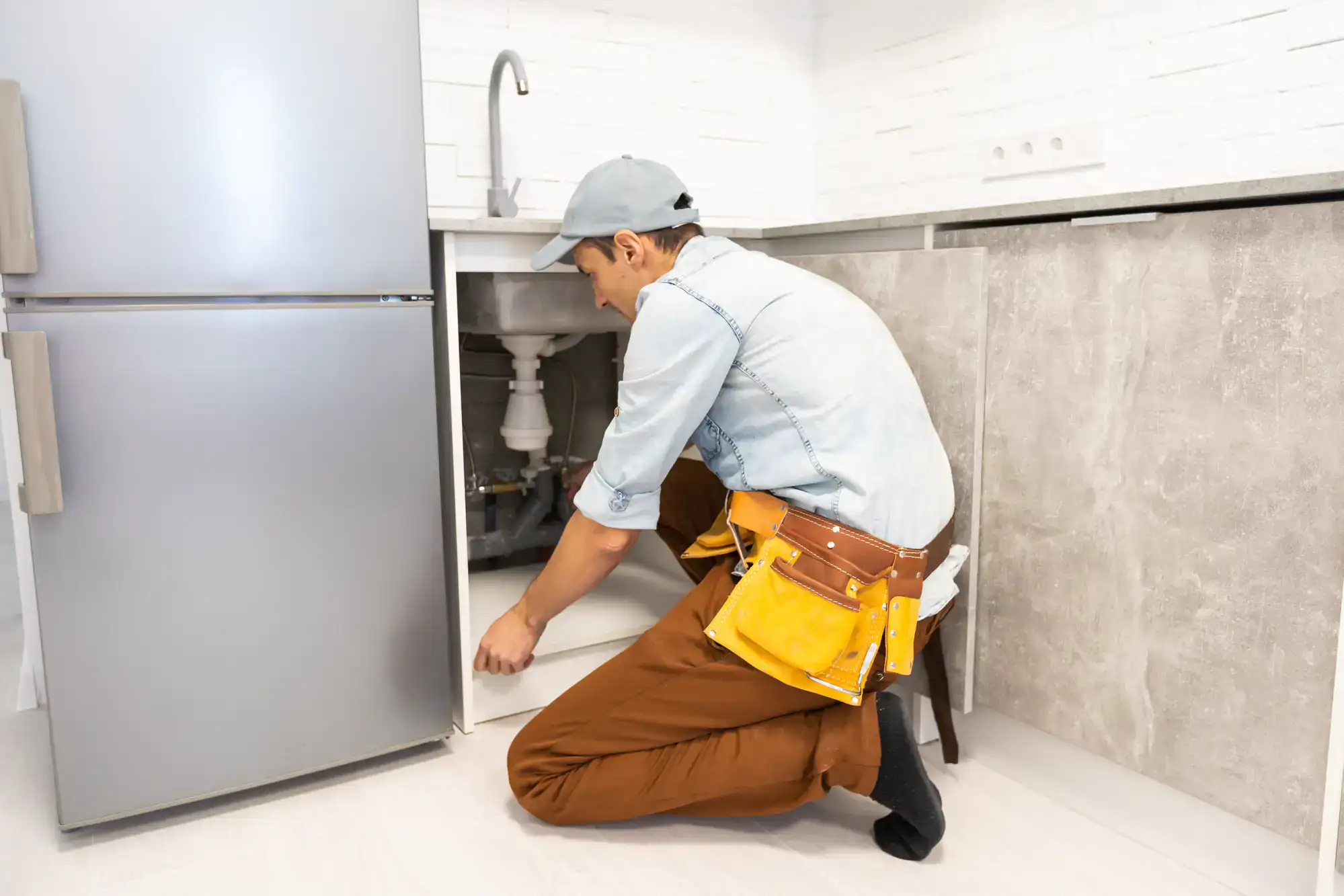
Most of El Dorado Hills was built out during a concentrated period of tract housing construction from the 1980s through the early 2000s. The overwhelming majority of those homes sit on concrete slab foundations with copper supply lines running through or beneath the slab. Over time, the friction between copper pipe and the gravel bed it rests on — combined with El Dorado County’s mildly acidic soil conditions and the moderate water hardness that comes with Folsom Lake source water — gradually wears through the pipe wall, creating pinhole leaks.
These leaks are slow and quiet by nature. They don’t burst. They seep. Which means they can be active for months before you notice a warm spot on your floor, an unexplained increase in your water bill, or the faint sound of running water when everything in the house is off. By the time any of those signs show up, the leak has usually been going on long enough to saturate the substrate beneath your foundation. The earlier you catch it, the less damage there is to deal with — which is why leak detection, not just repair, is the first step in any slab leak call in El Dorado Hills.
The most common signs are drains that slow down across multiple fixtures at once, gurgling sounds coming from toilets when other drains are running, or sewage odors inside the house that don’t have an obvious source. A single slow drain is usually a localized clog. When multiple drains are sluggish or backing up at the same time, the problem is typically further down the line — and in El Dorado Hills, root intrusion is one of the most frequently confirmed causes.
The community’s mature tree canopy — including the extensive landscaping throughout Serrano and the older oaks in the original villages — means roots are always present near sewer laterals. During the long dry summers that El Dorado Hills experiences, those roots extend aggressively in search of moisture, and sewer lines are a reliable target. The only way to confirm root intrusion versus another type of blockage is a camera inspection. That inspection also tells you how far the roots have traveled and whether the pipe wall itself has been compromised — which determines whether hydro jetting is enough or whether trenchless repair is the right call.
Yes. Because El Dorado Hills is an unincorporated community, it falls under El Dorado County Building Department jurisdiction — not a city building department. Plumbing work that requires a permit here goes through the county, not a local municipality, and any work that touches El Dorado Irrigation District infrastructure requires coordination with EID’s standards and inspection process.
We hold a CSLB C-36 licensed plumbing contractor license, which is California’s required license classification for plumbing work. That licensing isn’t just a credential — it means the work is performed to California Plumbing Code (Title 24, Part 5) standards, permits are pulled where required, and inspections are completed properly. This matters for El Dorado Hills homeowners in practical terms: plumbing work done without proper licensing or permits can complicate home sales, void homeowner’s insurance claims, and create liability if something goes wrong later. Working with a licensed contractor from the start eliminates all of that.
Snaking — also called augering — uses a rotating cable to punch through a clog and restore flow. It works well for soft blockages like hair or light grease buildup, and it’s often the right tool for a single, localized obstruction. The limitation is that it clears a path through the clog without actually removing the buildup from the pipe wall. The residue stays, and the clog tends to return within months.
Hydro jetting uses high-pressure water to scour the interior of the pipe — not just punch through the blockage, but clean the pipe wall itself. For El Dorado Hills homes where mineral scale from the area’s moderately hard water has been accumulating inside pipes for years, or where grease and debris have built up in kitchen drain lines, hydro jetting is a more thorough and longer-lasting solution. It’s also the preferred first response for root intrusion before trenchless repair is considered, because it clears the line completely and allows for a clean camera inspection of the pipe condition. The right tool depends on what the camera shows — which is why diagnosis comes before any recommendation.
El Dorado Hills water is supplied by the El Dorado Irrigation District, with most of the community’s water drawn from Folsom Lake and treated at the El Dorado Hills Water Treatment Plant. That water is classified as moderately hard. It’s not the extreme hardness you’d find in parts of Southern California, but it’s enough to cause real, measurable effects on your plumbing over time.
Mineral scale — primarily calcium and magnesium deposits — gradually builds up on the interior walls of pipes, inside water heater tanks, and on fixture components. In a water heater, that scale acts as insulation between the heating element and the water, forcing the unit to work harder and use more energy to reach the same temperature. Over years, it shortens the lifespan of the heater significantly. In pipes, scale reduces flow capacity and can eventually contribute to blockages. Regular water heater maintenance, periodic descaling, and water softening or filtration systems are all practical responses to El Dorado Hills’ water chemistry — and they extend the life of your plumbing system in ways that pay off over time.
Every job is quoted at a flat rate before any work begins. That means you know the full cost upfront — not an estimate that grows once the work is underway, and not an hourly rate that keeps climbing while the job takes longer than expected. The price you agree to before the technician picks up a tool is the price on the invoice.
This model matters in El Dorado Hills for a straightforward reason: with median home values near $900,000 and homeowners who are generally sophisticated about what they’re spending, the last thing anyone needs is a bill that doesn’t match what they were told. Our customers have noted in reviews that the final cost has occasionally come in under the original estimate — which is about as clear a signal of pricing integrity as you can get. There are no emergency surcharges sprung on you at the worst moment, no add-ons discovered mid-job. The price is the price, and that’s the expectation every time.
Other Services we provide in El Dorado Hills