
Hear from Our Customers
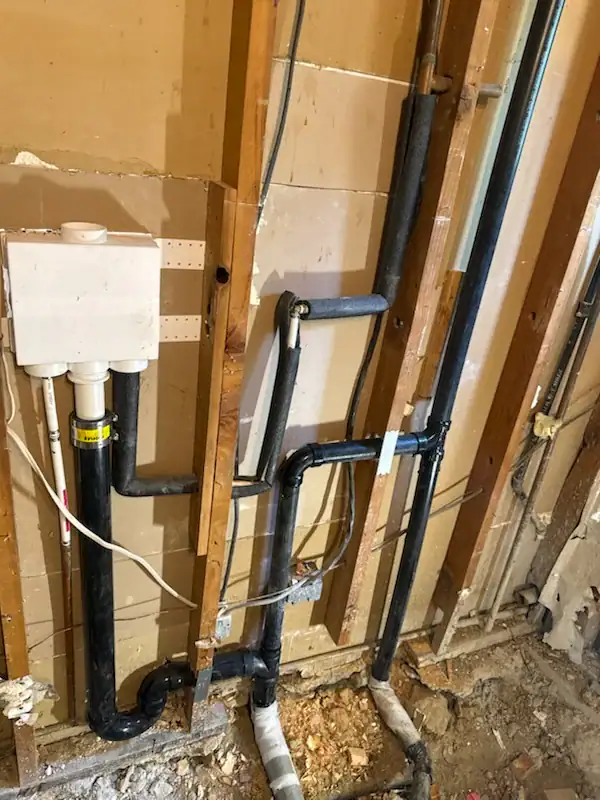
If your home was built or renovated between 1995 and 2007, there’s a real chance you’ve got Kitec plumbing running through your walls. Those bright orange and blue pipes might not look like much of a threat right now, but they’re on borrowed time.
Kitec pipes fail. Not sometimes—eventually, all of them. The aluminum layer corrodes, the brass fittings deteriorate, and what starts as a slow leak can turn into a full system failure that floods your home and racks up thousands in water damage.
Insurance companies know this. That’s why many won’t cover homes with Kitec, or they’ll charge you more just for having it. Some will deny your claim entirely if you knew about the Kitec and didn’t replace it. You’re not just risking your plumbing—you’re risking your coverage when you need it most.
Replacing your Kitec system now means you’re done fixing leaks, done worrying about pressure drops, and done gambling with your home’s value. You get reliable plumbing, better water pressure, and peace of mind that your insurance will actually cover you if something goes wrong.
We’ve been handling residential and commercial Kitec repiping in Elmhurst and across the greater Sacramento area since 1999. We’re not new to this, and we’re not learning on your dime.
Elmhurst homeowners deal with older housing stock—many homes here were built between the 1940s and 1990s, with plenty of renovations happening right when Kitec was being installed. That means a lot of properties in this area are sitting on plumbing that’s already past its safe lifespan. We’ve repiped dozens of homes in this neighborhood, and we know what it takes to do it right without tearing your house apart.
We’re licensed, insured, and available 24/7 for emergencies. If a pipe bursts at 2 a.m., we’re not making you wait until Monday. Our team shows up on time, gives you a transparent estimate, and finishes the job in a few days while you stay in your home.
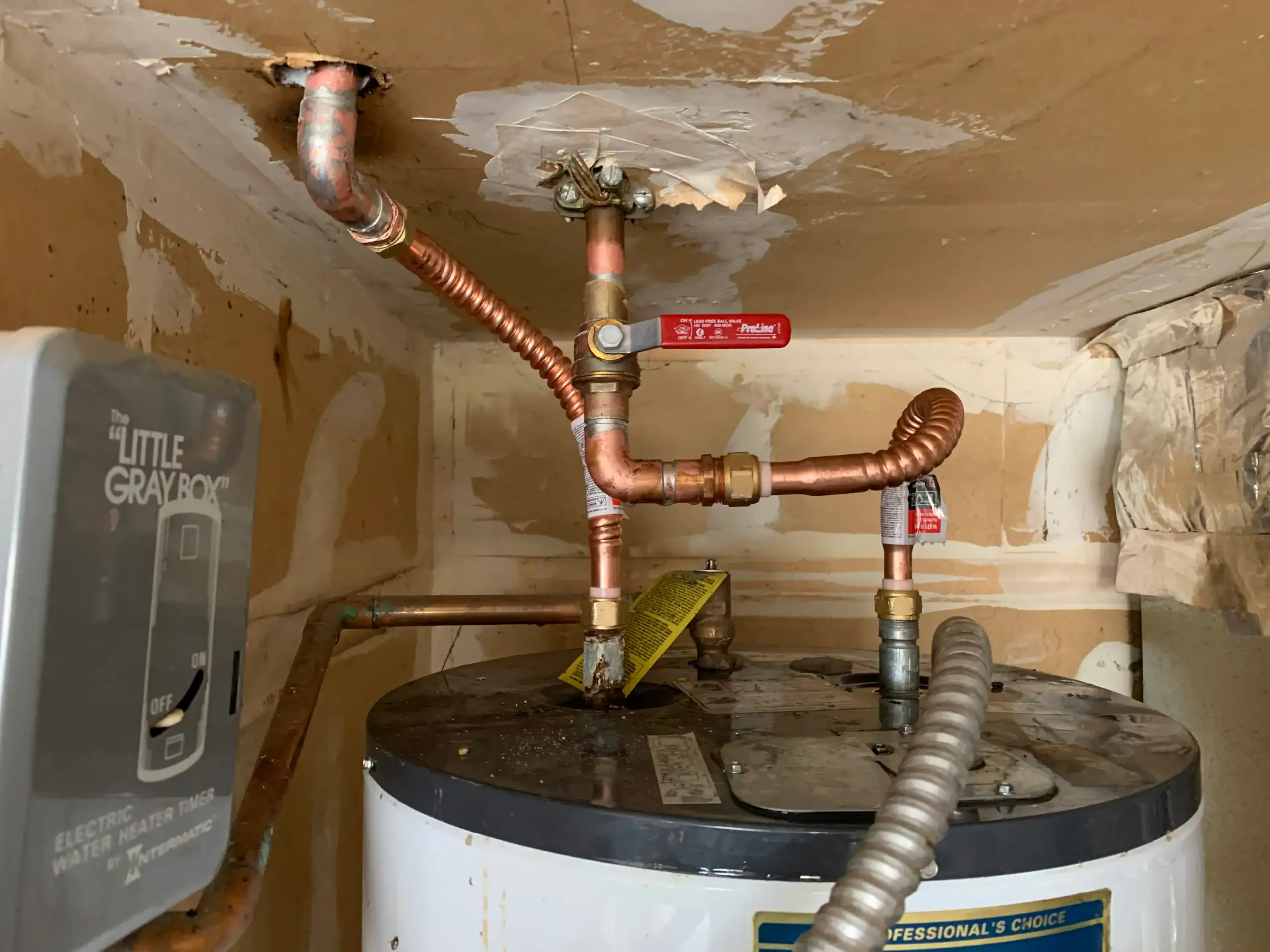
First, we come out and do a full assessment of your plumbing system. We’re looking at where your Kitec runs, how much of it there is, and what replacement material makes the most sense for your home—usually PEX or copper. You get a written estimate before we touch anything.
Once you’re ready to move forward, we map out the job to minimize disruption. Most repipes take two to four days depending on the size of your home. We’ll shut off water to specific areas as we work, but you’re not without plumbing the entire time. You can still use your kitchen, bathrooms, and appliances on a rotating basis.
We remove the old Kitec piping from your water heater to every fixture in the house—hot and cold lines, supply lines, everything. Then we install your new system, pressure test it to make sure there are no leaks, and restore water service. We also handle patching any drywall we had to access, so you’re not left with holes in your walls.
After the job’s done, you’ll have reliable plumbing that’s built to last decades, not years. No more wondering when the next leak is coming.
Ready to get started?
A complete Kitec repipe means we’re replacing every inch of Kitec in your home—from the water meter to the highest fixture. That includes hot and cold water lines, supply lines to sinks and toilets, connections to your water heater, and any branch lines running through walls or ceilings.
In Elmhurst, where home values average around $677,000, protecting your investment matters. A full repipe doesn’t just eliminate the risk of catastrophic failure—it also improves your home’s resale value. Buyers won’t walk away because of bad plumbing, and you won’t have to drop your price to compensate for the risk.
You’ll also see immediate improvements in water pressure and quality. Kitec systems often suffer from mineral buildup and restricted flow, especially as they age. New PEX or copper piping gives you consistent pressure, cleaner water, and quieter operation. No more banging pipes or discolored water when you turn on the tap.
We use materials that are proven and code-compliant. PEX is flexible, resistant to freezing, and lasts up to 75 years. Copper is the gold standard—durable, corrosion-resistant, and adds value to your home. Either way, you’re getting plumbing that won’t need replacing again in your lifetime.
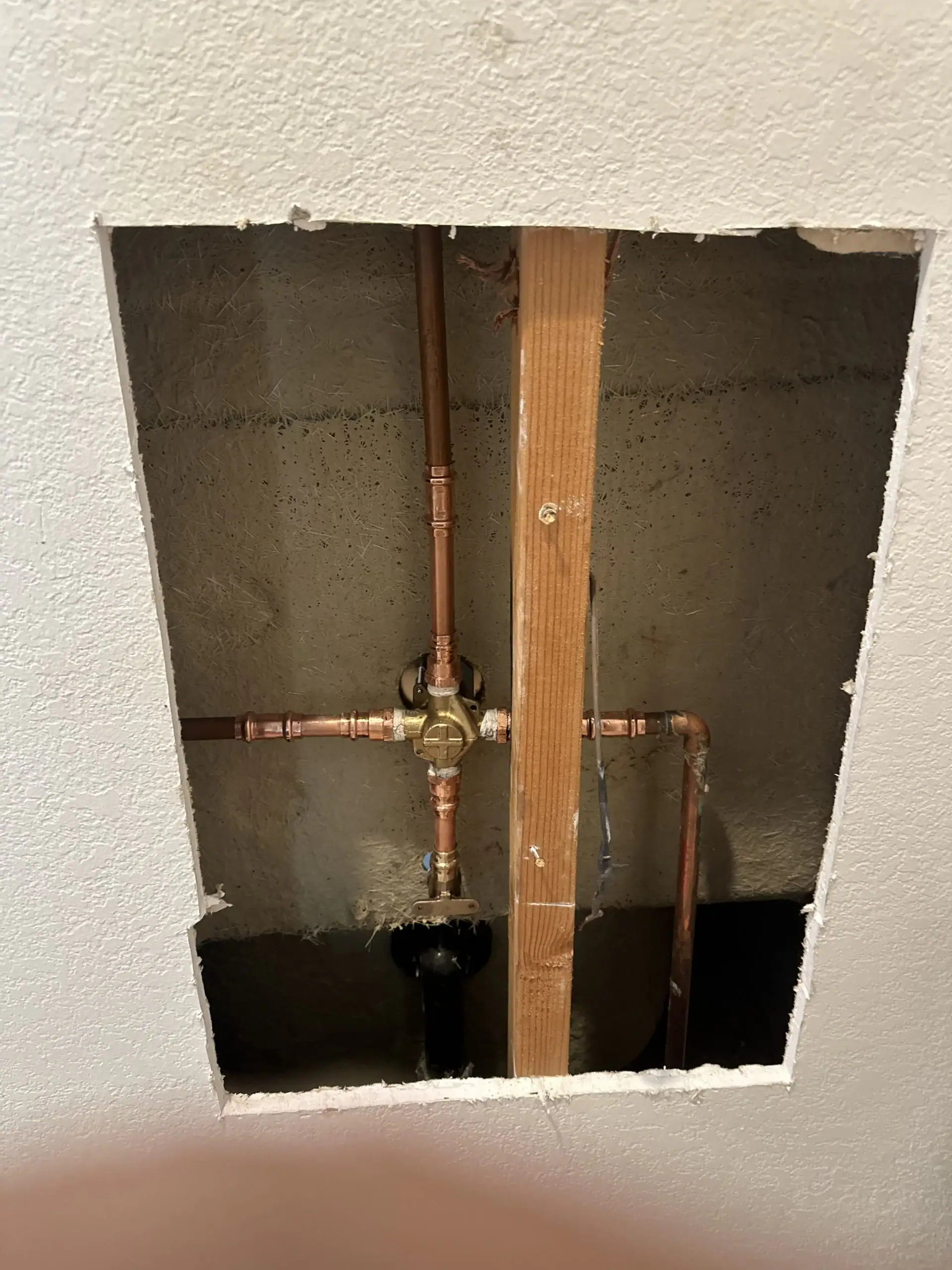
Most Kitec repipe projects in the Sacramento area, including Elmhurst, run between $5,000 and $15,000 depending on the size of your home and how much piping needs to be replaced. A smaller home with straightforward access will cost less than a larger property with complex layouts or limited wall access.
We give you a written estimate after we assess your home, and that number includes labor, materials, and any drywall patching we need to do. No surprise charges, no upselling once we’re halfway through the job. What we quote is what you pay, and in some cases, the final cost comes in lower than the estimate.
Compare that to the cost of doing nothing. A single pipe burst can cause $10,000 or more in water damage, and that’s before you factor in lost belongings, mold remediation, or structural repairs. Add in the fact that your insurance might not cover it, and the cost of waiting almost always exceeds the cost of replacing your system now.
Most residential Kitec repipes take between two and four days, depending on the size of your home and how accessible your plumbing is. We’re not tearing your house apart or making you move out while we work.
We’ll shut off water to specific areas as we go, so you’ll still have access to plumbing in other parts of the house. You can stay in your home, keep your normal routine, and we’ll work around your schedule as much as possible. If you need us to avoid certain hours or work around an event, just let us know.
Once the new system is in and tested, we’ll patch any drywall we had to open up. You’re not left with a mess or a half-finished job. By the time we’re done, your plumbing works better than it has in years, and your walls are back to normal.
Most homeowners insurance policies won’t cover the cost of replacing Kitec piping because it’s considered a maintenance issue, not sudden damage. Insurance is designed to cover unexpected events like a burst pipe, not the cost of fixing a known defect before it fails.
That said, if you don’t replace your Kitec and it does fail, your insurance might not cover the water damage either. Many insurers will deny claims if they find out you knew about the Kitec and chose not to replace it. Some companies won’t even insure homes with Kitec, or they’ll charge higher premiums because of the risk.
The bottom line: replacing your Kitec is an out-of-pocket expense, but it protects you from a much bigger financial hit down the road. It also keeps your insurance coverage intact, which matters a lot more when you’re dealing with a flooded home and tens of thousands in damage.
The most common signs are chronic leaks, especially at joints and fittings where the brass connectors are corroding. You might also notice reduced water pressure throughout the house, discolored water when you first turn on a tap, or visible corrosion on exposed pipes in your basement or crawl space.
Some homeowners hear banging or knocking sounds when they use water, which can indicate pressure issues or loose fittings. If you’re constantly calling a plumber to patch leaks or replace sections of pipe, that’s a red flag that the whole system is degrading.
Here’s the thing: by the time you’re seeing obvious symptoms, the damage is already happening inside your walls. Kitec doesn’t fail all at once—it deteriorates slowly, and by the time you notice a problem, you’re likely dealing with multiple weak points. Waiting for more signs just increases the risk of a major failure that causes serious water damage.
You can, but it’s not a smart long-term move. Kitec fails because of how it’s made—the aluminum layer corrodes and the brass fittings degrade. Those problems exist throughout the entire system, not just in one section.
If you replace part of your Kitec and leave the rest, you’re still sitting on a ticking time bomb. The sections you didn’t replace will continue to deteriorate, and you’ll end up paying for another repipe in a few years anyway. You’re also still at risk for insurance issues, because most insurers care that Kitec exists in your home at all, not whether you’ve replaced some of it.
A full repipe costs more upfront, but it solves the problem completely. You’re done dealing with leaks, done worrying about pressure loss, and done risking your coverage. It’s one project, one cost, and you’re set for decades.
Both are solid options, and the right choice depends on your budget and priorities. PEX is more affordable, easier to install, and highly resistant to freezing and corrosion. It’s flexible, so it requires fewer fittings and connections, which means fewer potential leak points. PEX can last up to 75 years and is a great choice for most homes.
Copper costs more and takes longer to install, but it’s the gold standard for a reason. It’s incredibly durable, doesn’t degrade over time, and can actually increase your home’s resale value. Copper also doesn’t affect water taste or quality, and it’s been used in plumbing for over a century with proven results.
In Elmhurst, where home values are strong and longevity matters, both materials will serve you well. We’ll walk you through the pros and cons based on your home’s layout, your budget, and how long you plan to stay in the property. Either way, you’re getting a massive upgrade over Kitec.
Other Services we provide in Elmhurst