
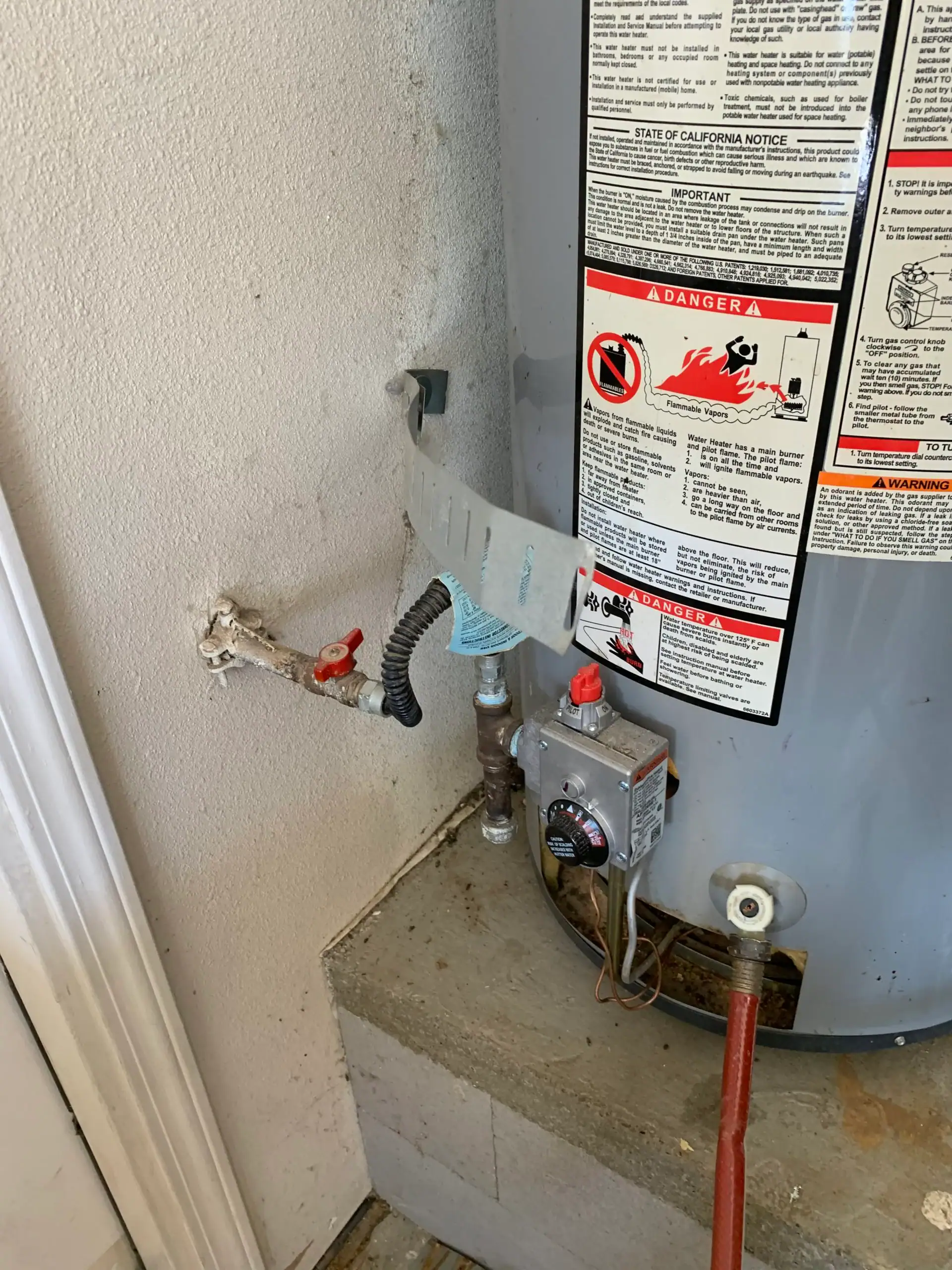
Earthquake Valve Installation
Get a free quote for earthquake valve installation from your local plumbing team.
We’ll contact you about your earthquake valve installation request. Privacy policy
Hear from Our Customers
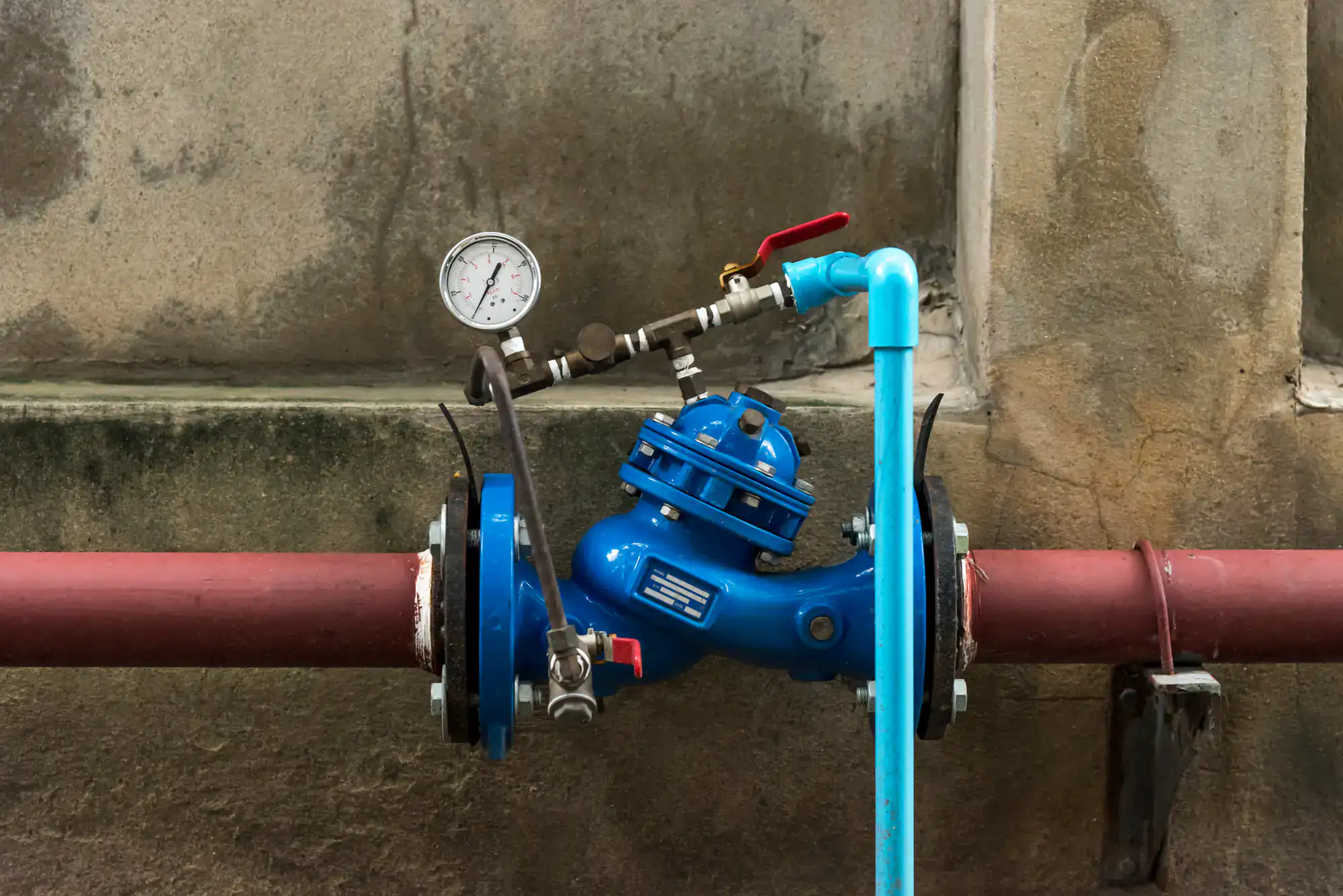
The moment a significant earthquake hits, your gas line either shuts off automatically or it doesn’t. There’s no in-between, and there’s no time to make a phone call. For homes throughout Coloma and the surrounding Coloma Valley corridor many of them older rural properties built long before modern seismic codes existed that automatic response is the entire point.
El Dorado County averages around 201 seismic events per year. Most go unnoticed. But it only takes one to rupture a gas line, and in a community like Coloma where fire response times are longer and the nearest utility office isn’t around the corner, an uncontrolled gas leak carries real consequences. A DSA-certified seismic shut-off valve trips the moment ground acceleration hits the trigger threshold no phone call, no dispatch, no waiting.
There’s also the insurance angle, which is becoming harder to ignore in El Dorado County. Insurers have been tightening underwriting standards across foothill communities, and a documented valve installation with a permit on file with the county and a certified valve on record gives you something in writing that actually satisfies an insurer or a buyer’s agent. That paper trail has real monetary value when your property is on the line.
We’ve been serving El Dorado County since 2009, including the Coloma area and surrounding foothill communities. That’s over 15 years of showing up on time, quoting honest prices, and doing gas line work the right way with permits pulled, inspections scheduled, and documentation handed over when the job is done. Ryan Murray holds California C-36 License #916322, which is the specific classification required by state law for gas line and seismic valve work. You can verify it at cslb.ca.gov in under a minute.
For Coloma residents, that matters more than a slick website. This is a small community where a bad contractor experience becomes common knowledge fast, and where the nearest big-city plumbing franchise isn’t exactly eager to drive Highway 49 into the foothills for a single job. We already serve this area, know the meter configurations common to foothill properties, and carry a 4.7-star rating across 93 Google reviews with customers consistently noting that final invoices came in at or below the original estimate.
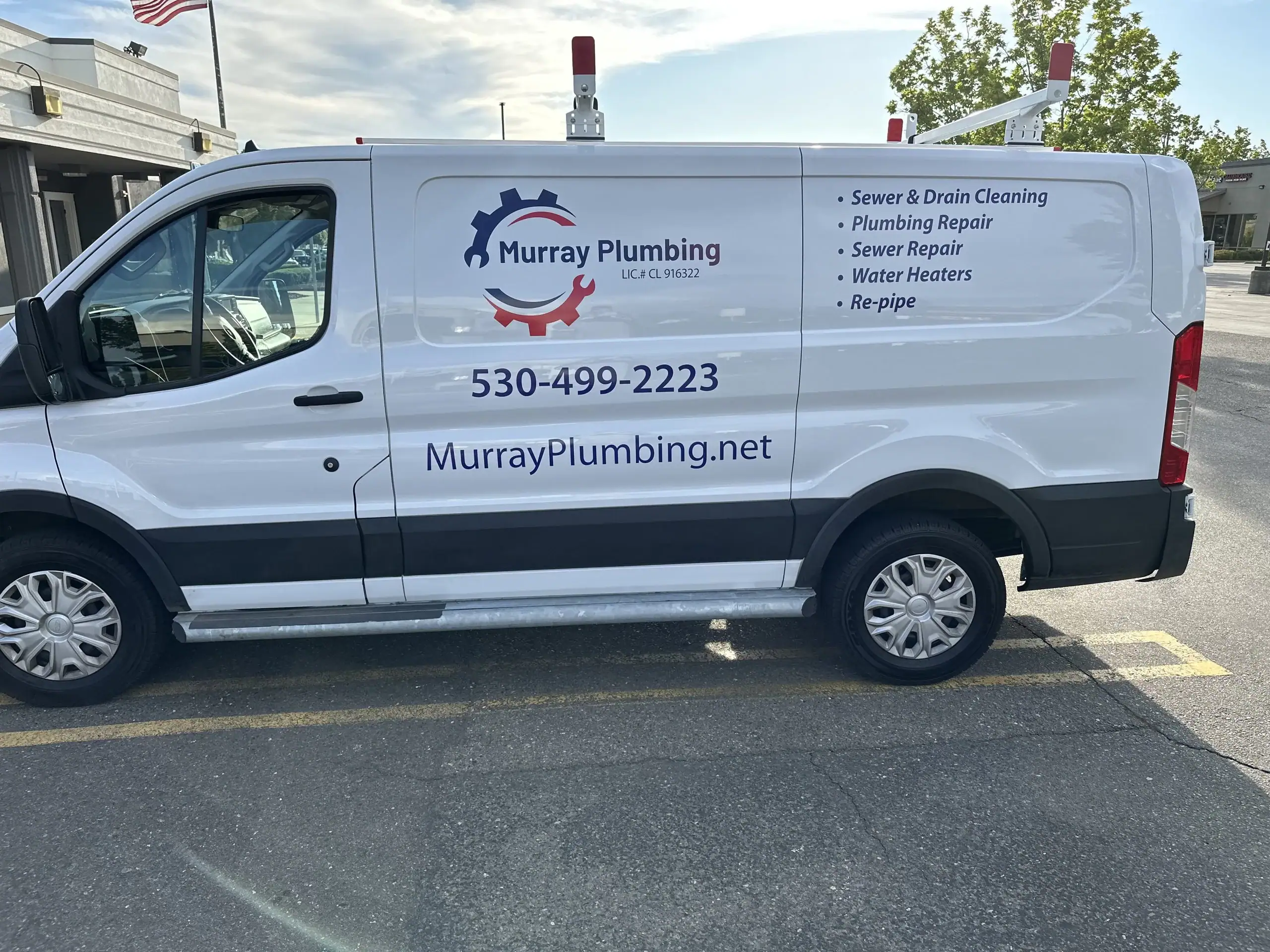
It starts with a free pre-installation assessment. Before any work begins, a licensed technician comes to your property, inspects your gas meter configuration, confirms the right valve size for your setup, and gives you an exact price. For rural foothill properties in the Coloma area, meter configurations can vary and getting that assessment right upfront is what keeps the final invoice from looking nothing like the estimate.
Once you approve the quote, we pull the required El Dorado County building permit before touching anything. That’s not optional, and it’s not an upsell it’s how the job gets done legally and in a way that your insurer can actually recognize. The installation itself typically takes around two hours. A DSA-certified seismic shut-off valve is mounted at your gas meter, calibrated to trip automatically when ground movement reaches the threshold, and tested before the technician leaves.
After the county inspection is completed, you receive written documentation of the installation the permit record, the valve certification, and the workmanship warranty. That paperwork is what protects you in a real estate transaction, satisfies an insurance requirement, and gives you a legal record on file with El Dorado County. We also walk you through exactly what to do if the valve trips, including why you should wait for a licensed plumber to confirm your lines are undamaged before resetting it.
Ready to get started?
Our earthquake valve installation is all-in pricing $400 to $650 for most residential properties in the Coloma area. That range covers the DSA-certified valve, labor, El Dorado County permit fees, and all written documentation. If your specific meter configuration or site conditions push the job outside that range, you’ll know exactly why before work starts, not after.
Every valve we install is DSA-certified, which is the California Division of the State Architect standard required for the installation to satisfy permit requirements, insurance documentation, and real estate disclosure obligations. A non-certified valve the kind available online or through unlicensed contractors won’t pass a county inspection, won’t satisfy your insurer, and may not function correctly when it actually matters. For older homes in the Coloma Valley, where gas line infrastructure may not have been updated in decades, using the right hardware isn’t a detail it’s the whole job.
PG&E serves El Dorado County for natural gas, but they don’t install seismic valves. If you call them, they’ll tell you to hire a licensed plumber. That’s where we come in. And because our service area includes rural foothill properties along Highway 49 and throughout the Coloma Valley, we’re familiar with the conditions out here not dispatching blind from a Sacramento call center.

If your home is connected to a natural gas line and it was built before 2000, there’s a reasonable chance it doesn’t have a seismic shut-off valve at all. California has required them in new construction since around that time, but older homes and Coloma has plenty of them, including historic rural properties throughout the valley were never retrofitted unless the homeowner took the initiative.
Whether you need one comes down to a few things: your insurer’s current requirements, whether you’re planning to sell, and your own comfort level with the risk. El Dorado County averages around 201 seismic events per year. Most are minor. But in Coloma, where emergency response times are longer than in Sacramento and the nearest utility infrastructure is miles away, an automatic shut-off that requires zero human response is a meaningful layer of protection. A free assessment from us will tell you exactly what your current setup looks like and what’s recommended for your property.
For most residential properties in the Coloma area, all-in pricing runs $400 to $650. That includes the DSA-certified valve, labor, the El Dorado County building permit, and written documentation of the completed installation. There are no rural-area surcharges or add-ons that appear after the fact what you’re quoted after the free assessment is what you pay.
The range exists because meter configurations vary. Some properties have straightforward setups; others particularly older rural homes on large lots throughout the Coloma Valley may have configurations that require a different valve size or additional fitting work. That’s exactly why we do a free pre-installation assessment before quoting a final number. You’ll know the exact price before anyone picks up a wrench, and the final invoice will reflect that number, not something higher.
Yes. In California, earthquake shut-off valve installation is gas line work, and gas line work requires a building permit and a final inspection. El Dorado County’s Building Division administers permits for unincorporated communities including Coloma, and the installation needs to be inspected before it’s considered complete and on record.
This matters for a few reasons. First, a permitted installation creates a legal record on file with the county which is what your insurer needs to recognize the upgrade and what a buyer’s agent will ask for during a real estate transaction. Second, an unpermitted installation using a non-certified valve won’t satisfy either of those requirements, regardless of how well it was physically installed. We pull the permit and schedule the inspection as a standard part of every job not as an upsell, not as something you have to ask for. It’s built into the process because it’s how the job is supposed to be done.
Technically, most seismic shut-off valves can be manually reset. But you shouldn’t do it yourself until a licensed plumber has confirmed that your gas lines weren’t damaged in the event that triggered the shutoff. Resetting a valve and restoring gas flow to a cracked or compromised line is how a manageable situation becomes a serious one.
This is especially relevant in Coloma and the surrounding foothill communities, where emergency response times are longer than in suburban Sacramento and where the distance from utility infrastructure means you may not have immediate access to a PG&E technician. The correct sequence is: leave the valve in the tripped position, ventilate the property if there’s any gas odor, and call a licensed plumber to inspect the lines before the gas is restored. We offer 24/7 emergency availability for exactly this situation if a felt earthquake trips your valve and you need someone out to assess the lines before you restore gas service, that call can happen any time of day or night.
It can, and in some cases it’s becoming less optional. El Dorado County has seen significant insurance market disruption in recent years driven primarily by wildfire exposure, but increasingly extending to other risk factors as insurers tighten underwriting standards across foothill communities. Some homeowners in the county have received non-renewal notices or premium increases, and documented safety upgrades are one of the tools available to help maintain coverage or demonstrate reduced risk.
A seismic shut-off valve installation with a permit on file with El Dorado County, a DSA-certified valve on record, and written documentation from a licensed C-36 contractor gives your insurer something verifiable. It’s not a guarantee of a discount or a coverage decision every insurer handles it differently but it’s the kind of documented upgrade that satisfies the requirement when an insurer asks for it. If your insurer has flagged your property or if you’re shopping for new coverage in a county where both wildfire and seismic risk are on the table, having that paperwork in hand is worth more than a verbal assurance.
Yes, and you don’t have to take our word for it. Ryan Murray holds California C-36 License #916322 the specific contractor classification required by state law for gas line and seismic valve work. You can look it up right now at cslb.ca.gov. That’s not a general contractor license or a handyman registration. It’s the license that legally authorizes this work, and it’s current.
This matters in a community like Coloma because the pool of contractors willing to drive Highway 49 into the foothills is smaller than in Sacramento, and not every name that shows up in a Google search is actually licensed for gas work. Some are aggregators with 877 area codes who will send whoever is available. We’ve been serving El Dorado County since 2009, have existing service presence throughout the Coloma area, and carry a 4.7-star rating across 93 verified Google reviews. The license is real, the track record is verifiable, and the pricing is quoted upfront before work begins.
Other Services we provide in Coloma