
Kitec Repair
Get a free quote for kitec repair from your local plumbing team.
We’ll contact you about your kitec repair request. Privacy policy
Hear from Our Customers
You stop wondering when the next leak will hit. That’s the first thing you’ll notice—the mental weight lifts when you know your walls aren’t hiding a ticking time bomb.
Your insurance company stops sending those letters. Most carriers in El Dorado County either won’t cover Kitec failures or they’re requiring replacement within 90 days of discovery. Once we repipe with copper, you’re back to full coverage with no exclusions hanging over your head.
The value of your home stabilizes. Buyers and appraisers flag Kitec during inspections, and it kills deals or forces price cuts. Copper plumbing is what people expect to see—it’s standard, it’s proven, and it doesn’t scare anyone off. When you’re ready to sell, you won’t be explaining away a known defect or negotiating thousands off your asking price because of outdated, recalled piping.
We’ve spent over two decades working in El Dorado County homes. We know what Coloma’s hard water does to piping, and we’ve seen what happens when Kitec fails in homes at this elevation—it’s not a slow drip, it’s a burst that floods rooms in minutes.
We’re licensed, insured, and we show up when we say we will. Our pricing is upfront before we start any work, and we don’t pad estimates or surprise you with add-ons. If you call early, we can usually get to you the same day. If it’s an emergency, we’re available 24/7.
You’ll work with plumbers who’ve been doing this long enough to know what corners not to cut. We’re not the cheapest option in the county, and that’s intentional—you’re paying for work that lasts and doesn’t create new problems six months later.
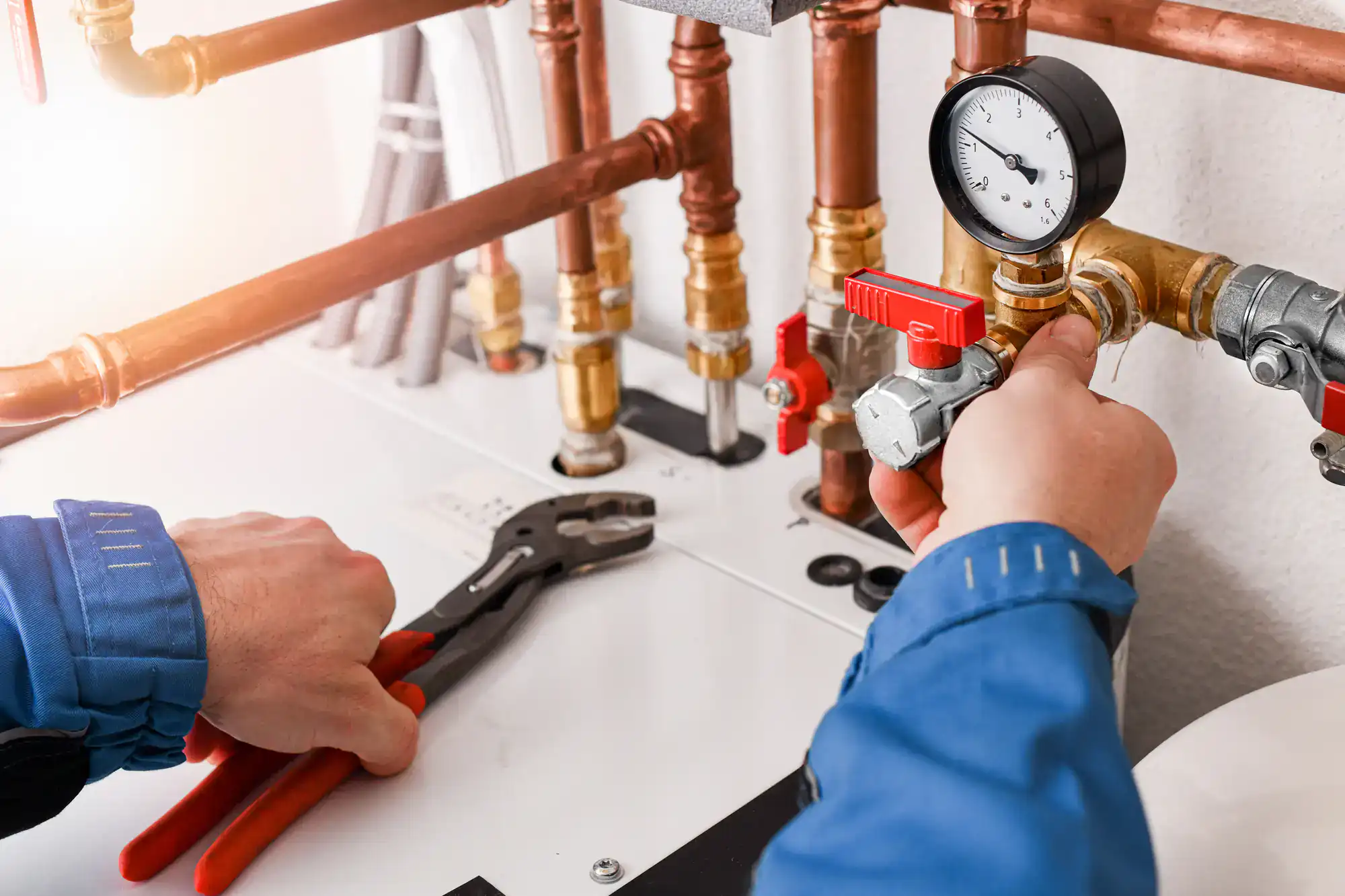
First, we come out and assess your system. We’ll check where your Kitec lines run, what condition they’re in, and what replacement approach makes sense for your home’s layout. You’ll get a clear explanation of what needs to happen and what it’ll cost—no diagnostic fees, no pressure.
If you move forward, we schedule the repipe. Depending on your home’s size and layout, most jobs take one to three days. We’ll shut off water to the areas we’re working on, remove the old Kitec piping, and install new copper lines. We handle drywall access and patching as needed, so you’re not left with holes in your walls or a list of follow-up contractors to call.
Once the new system is in, we test everything—pressure, connections, flow—to make sure it’s solid. Then we walk you through what we did, answer any questions, and get your water back on. You’ll have documentation for your insurance company showing the Kitec is gone and your home is repiped to current standards.
Ready to get started?
We replace all Kitec piping in your home—hot and cold lines, supply lines to fixtures, and any Kitec connections to your water heater. The goal is complete removal so there’s no weak link left in your system. We use copper piping, which is what most Coloma homes had before Kitec showed up in the late ’90s and what buyers expect to see now.
You’ll also get any necessary drywall or access work included. We’re not just plumbers—we handle the full scope so you’re not coordinating between trades. If we need to open a wall to reach piping, we patch and texture it back. It won’t look like a surgical site when we’re done.
Coloma’s water is hard, and that matters for how we approach the install. Hard water accelerates corrosion and buildup, which is part of why Kitec failed so fast here. Copper holds up better long-term, but we also make sure connections are done right and that you know what maintenance (if any) will help your new system last. Most homes in this area see 40-plus years from copper repiping when it’s installed correctly.
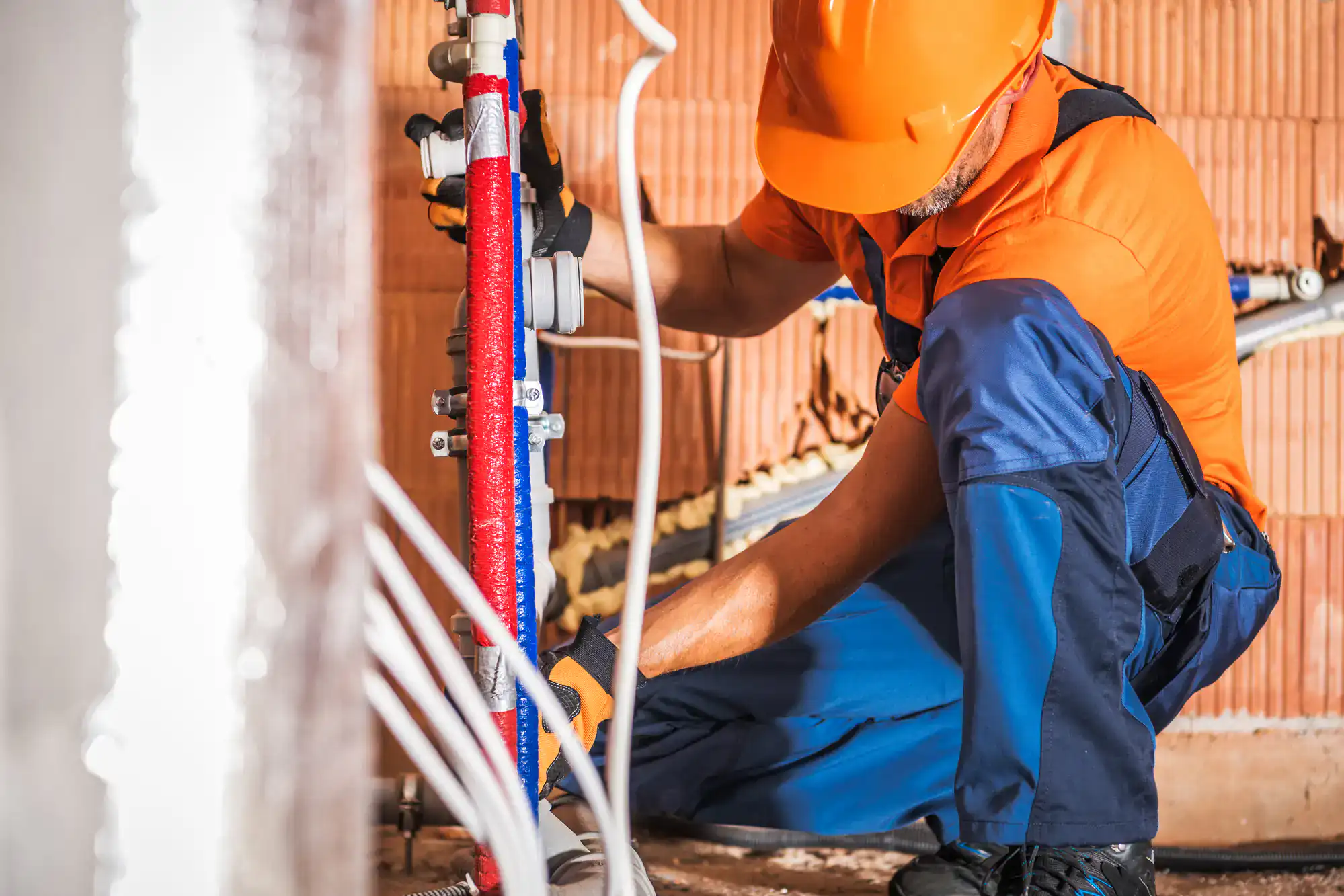
Check your water heater connections, under sinks, and in any exposed areas like basements or crawl spaces. Kitec pipes are usually orange or blue, though sometimes they’re gray. The fittings are brass and often stamped with “Kitec” or the manufacturer name “IPEX.”
If your home was built or repiped between 1995 and 2007, there’s a higher chance Kitec was used. That’s when it was popular in California, including El Dorado County. A lot of Coloma homes from that era have it, especially if they had plumbing work done during the housing boom.
If you’re not sure, we can come out and take a look. It takes about ten minutes to identify, and there’s no charge for us to tell you what you’ve got. It’s worth knowing—if it’s Kitec, it’s going to fail, and the sooner you deal with it, the less chance you’re dealing with it during an emergency.
Most whole-house Kitec replacements in Coloma run between $5,000 and $15,000, depending on your home’s size, how accessible the piping is, and how much drywall work is involved. Single-story homes with crawl space access tend to be on the lower end. Two-story homes with piping inside walls cost more because of the labor and patching.
We give you an upfront price after we assess your home. That number includes labor, materials, permits, and any drywall or surface work we need to do. We don’t start until you’ve approved the cost, and we don’t add fees once we’re into the job unless you ask us to do something outside the original scope.
Some homeowners try to patch Kitec leaks as they happen, thinking they’ll save money. That rarely works out—you’re spending $500 here, $800 there, and the next failure is already forming. Most people who go that route end up spending more than a full repipe would’ve cost, and they’re still left with Kitec in the walls.
Most homeowner policies won’t cover damage caused by Kitec failures because it’s a known defect. Insurers consider it a maintenance issue, not a sudden accident. If your pipes burst and flood your home, you’ll likely be paying for the water damage, the demo, and the rebuild out of pocket.
Some carriers in California are going further—they’re requiring Kitec replacement within 60 to 90 days of discovery, or they’re threatening to cancel your policy. If you’ve disclosed it or if it showed up in an inspection, that clock is ticking. Once you replace it with copper, you’re back to standard coverage with no exclusions.
There was a class action settlement years ago, but the deadline to file a claim passed in January 2020. You’re not getting reimbursed for replacement costs anymore. The only financial protection you have now is replacing it before it fails and causes damage you’ll have to pay for yourself.
Most homes take one to three days, depending on size and layout. A smaller single-story home with accessible piping might be done in a day. A larger two-story home where we’re running new lines through walls and across floors will take closer to three days.
We’ll give you a timeline before we start so you know what to expect. You’ll have water shut off to parts of the house while we work, but we coordinate with you to minimize disruption. If you need water access for specific times—morning routines, cooking dinner—we work around that when we can.
The job isn’t finished until we’ve tested the system, checked for leaks, and made sure everything is up to code. We don’t rush the back end just to say we’re done. You’ll get a walkthrough at the end so you know what we did and what to keep an eye on going forward.
Reduced water pressure is usually the first sign. Kitec fittings corrode from the inside out, and as they degrade, they restrict flow. If your shower pressure has dropped or faucets aren’t running like they used to, that’s a red flag.
Discolored water—especially if it’s rusty or brownish—means the brass fittings are breaking down. That corrosion is what leads to cracks and eventual bursts. You might also notice small leaks around connections, particularly near the water heater or under sinks. Those small leaks are warnings that bigger failures are coming.
Some people don’t get any warning. Kitec doesn’t always leak before it bursts—it just goes. You come home to a flooded room or wake up to water pouring through a ceiling. That’s why waiting for symptoms is risky. If you know you have Kitec, the safest move is replacing it before it decides to fail on its own timeline.
Kitec’s brass fittings react badly to hot water and high mineral content, and Coloma has both. The area’s hard water accelerates the corrosion process that causes the fittings to crack and fail. Add in the temperature swings from seasonal weather, and you’ve got conditions that break down Kitec faster than in other regions.
The pipes themselves are made from aluminum composite, which expands and contracts with temperature changes. Over time, that movement weakens the connection points. The fittings were also made with too much zinc, which leaches out when exposed to water and heat—that’s what causes the dezincification that leads to failure.
Kitec was recalled in 2005 after widespread failures across North America, but it had already been installed in thousands of California homes by then. The manufacturer knew it was defective, but homeowners were left holding the bag. If your home has it, you’re living with a system that was pulled from the market because it doesn’t work.
Other Services we provide in Coloma