
Placerville
Open 24/7- 4330 Panorama Dr, Unit 36
Placerville, CA 95667 - (530) 499-2223
- Open 24 hours, 7 days a week
Earthquake Valve Installation
Get a free quote for earthquake valve installation from your local plumbing team.
We’ll contact you about your earthquake valve installation request. Privacy policy
Hear from Our Customers
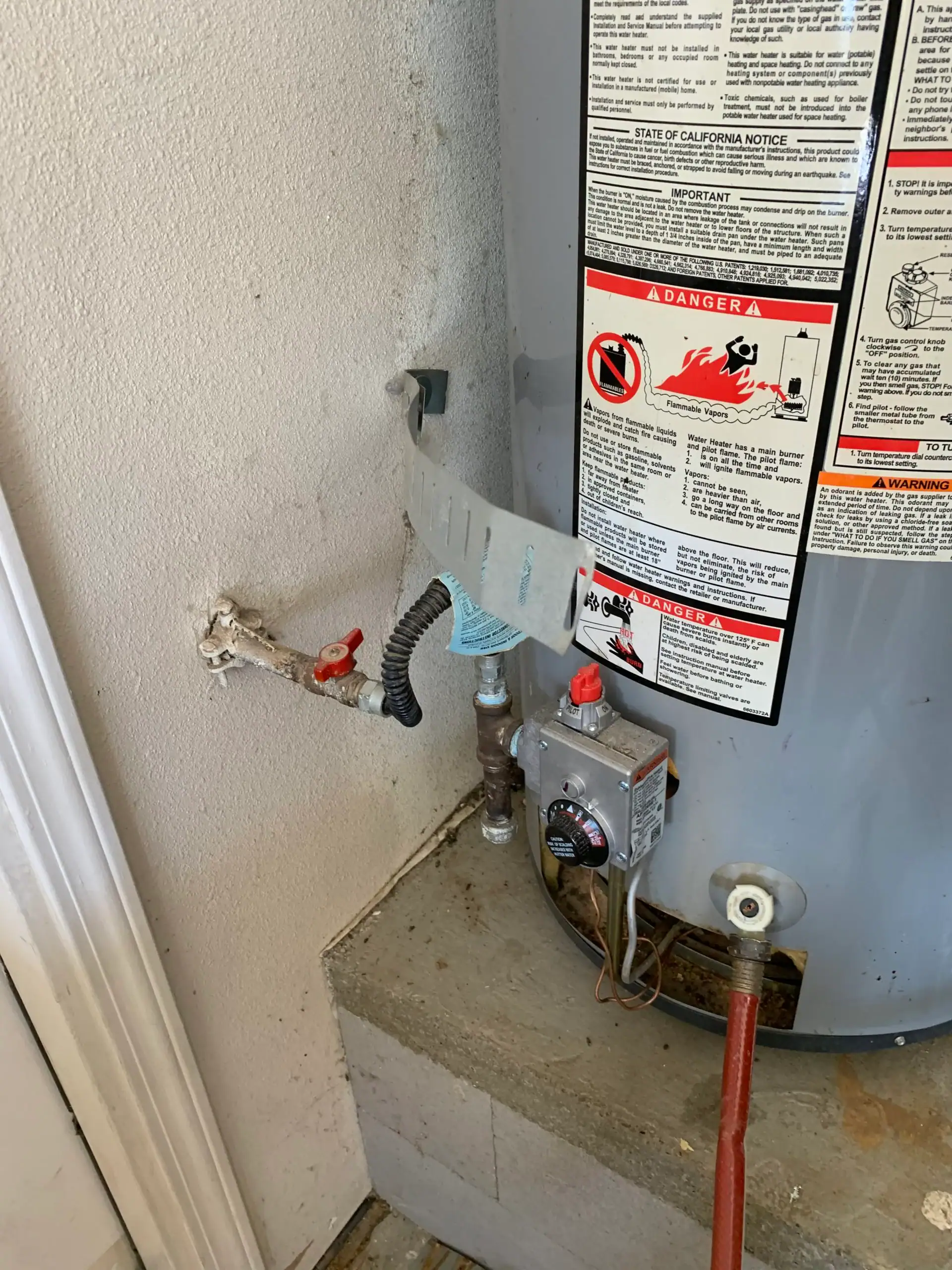
Most Little Pocket homes were built between 1940 and 1969. That means the gas lines running through your walls and into your appliances have been there for decades and there’s almost certainly nothing between your meter and your kitchen that automatically shuts off if the ground moves. That’s not a criticism of your home. It’s just a gap that exists in the majority of older Sacramento River-area neighborhoods like this one.
When a seismic valve is installed correctly, it detects the ground motion and closes automatically before a leak can build, before a spark can find it, and before you even know something happened. For a neighborhood sitting on river-deposit soil that’s known to shift during seismic events, that response time matters more here than it does in the foothill towns east of Sacramento.
There’s also a practical, day-to-day benefit that doesn’t get talked about enough: documentation. A permitted, professionally installed DSA-certified valve gives you a paper trail something your insurance company can verify, something that shows up clean in a home inspection report, and something that protects the value of a home that Little Pocket’s market moves in about 20 days on average.
We’ve been serving Little Pocket and the surrounding Sacramento area since 2009. Ryan Murray holds California C-36 License #916322 the specific plumbing contractor classification required by state law to legally perform gas line and seismic valve work. You can verify it at cslb.ca.gov in about 30 seconds. That kind of transparency isn’t common in this industry, and it matters when you’re letting someone work on your gas system.
Little Pocket is the kind of neighborhood where reputation is built one job at a time. Between the tight street layout off I-5, the community that gathers at Emil Bahnfleth Park every Fourth of July, and the private neighbor networks that keep residents connected we understand what it takes to earn trust here. Our 4.7-star Google rating across 93 reviews reflects exactly that: on time, price matched the quote, explained the work clearly.
We’re not a franchise. There’s no call center routing your job to whoever’s available. When you reach out, you’re dealing with the same team that pulls the permit, installs the valve, and schedules the inspection.

It starts with a free assessment. Before any money changes hands, one of our licensed technicians reviews your gas meter configuration, checks access conditions, and gives you an exact price. For most Little Pocket residential installations, that number lands between $400 and $650 all-in and it doesn’t move unless you ask for something different.
Once you approve the scope, we pull a permit with the Sacramento building department. That step matters. An unpermitted installation has to be disclosed when you sell your home, may not satisfy your insurance carrier, and leaves no legal record that the work was ever done. In a neighborhood where homes sell in around 20 days, the last thing you want is a permit issue slowing down your closing. We handle the permit process for you you don’t need to call the city or chase anything down.
Installation itself typically takes about two hours. The valve is DSA-certified, meeting California’s Division of the State Architect standards the same certification body headquartered right here in Sacramento. After the work is done, we schedule a final inspection, and you receive written documentation of the installation. We also walk you through what to do if the valve ever trips because resetting it before a licensed plumber confirms your lines are clear is a step most installers skip, and one you genuinely need to know.
Ready to get started?
Every earthquake valve installation we perform covers the full scope: a DSA-certified seismic shut-off valve, all labor, permit fees, a scheduled final inspection with the Sacramento building authority, and a written workmanship warranty. The price confirmed during your free assessment is the price on your invoice. No add-ons discovered mid-job, no fees that surface after the fact.
The valves we install meet California Health and Safety Code Sections 19180–19183 and comply with the California Plumbing Code under Title 24. For Little Pocket homeowners navigating insurance renewals and Sacramento County carriers have been tightening requirements that certification language is exactly what your insurer needs to see. It’s also what a buyer’s agent will ask for if your home goes into escrow.
One thing worth knowing: PG&E does not install seismic shut-off valves. If you’ve called them already, they’ve likely told you to hire a licensed plumber. That’s where we come in. The C-36 license, the DSA-certified equipment, the permit on file with the city it’s all handled in a single visit, and the documentation you walk away with is complete enough to satisfy both your insurance company and your building department.
Sacramento sits in a seismically active region, and Little Pocket’s specific location adds a layer of risk that most homeowners don’t think about until something happens. The neighborhood is built on Holocene alluvium the loose, river-deposited soil that lines the Sacramento River bend defining the neighborhood’s western and northern edges. This soil type is among the most susceptible to liquefaction during ground shaking, meaning the earth beneath your foundation can temporarily lose structural strength and shift. That movement puts stress on rigid gas lines even when the shaking itself isn’t severe enough to cause obvious damage.
The USGS puts the probability of a magnitude 6.7 or greater earthquake somewhere in California within the next 30 years at 99.7%. The 1994 Northridge earthquake, which hit a neighborhood of midcentury homes not unlike Little Pocket, caused approximately 14,000 gas leaks and more than 50 structure fires from ruptured lines. A seismic shut-off valve doesn’t prevent the earthquake. It prevents what comes after.
For most residential installations in Little Pocket and the surrounding Sacramento area, the all-in cost runs between $400 and $650. That range covers the DSA-certified valve, labor, permit fees, and the final inspection. Where you land in that range depends on your gas meter configuration and how accessible the installation point is factors we assess during the free pre-installation visit before any work is scheduled.
The free assessment isn’t a sales call. It’s a practical step that lets our technician confirm the exact scope before giving you a number that won’t change. Older homes in Little Pocket particularly those built in the 1950s and 1960s occasionally have non-standard meter setups or access complications that affect the job. Knowing that upfront means the price you approve is the price on your invoice, with no surprises when the work is done.
Yes, and skipping it creates real problems down the road. In Sacramento, earthquake shut-off valve installation requires a building permit from the city or county building department, depending on your parcel’s exact jurisdiction. The work must be performed by a contractor holding a valid California C-36 Plumbing Contractor license, and the valve itself must be DSA-certified per California Health and Safety Code and Title 24 of the California Plumbing Code.
The reason this matters practically: an unpermitted installation has to be disclosed when you sell your home. It may also void insurance coverage or fail to satisfy a carrier’s documentation requirement. In a neighborhood like Little Pocket where homes move quickly and buyers’ agents are thorough, an unpermitted modification on a gas line is the kind of thing that surfaces during inspection and stalls a closing. We pull the permit and schedule the inspection as standard practice it’s not an add-on.
Technically, most seismic shut-off valves can be manually reset. But resetting the valve before a licensed plumber has confirmed your gas lines are undamaged is a step you should not take on your own and it’s one that most installers don’t bother explaining after the job is done.
Here’s why it matters: the valve trips when it detects ground motion above a set threshold. In Little Pocket, where the soil is alluvial and liquefaction is a real consideration, a seismic event that trips your valve may have also caused foundation movement or stress on your gas lines that isn’t immediately visible. If you reset the valve and there’s a compromised line somewhere in the system, you’ve just restored gas flow to a leak. We walk every customer through the correct post-trip protocol at the time of installation what to do, who to call, and why the sequence matters. That conversation is part of the job, not an afterthought.
It can, and for some Sacramento County homeowners, it’s becoming less optional than it used to be. California’s insurance market has tightened significantly, and carriers are increasingly using seismic safety documentation as part of their underwriting criteria not just as a discount opportunity but in some cases as a condition of renewal. If you’ve received a renewal notice with new requirements, a permitted installation with a DSA-certified valve and a Sacramento building department record is the documentation your insurer is looking for.
The key word is permitted. A valve that was installed without a permit doesn’t have a verifiable record with the city, which means it may not satisfy your carrier’s requirements even if the hardware is technically correct. The written workmanship warranty, the permit on file, and the DSA certification documentation that come standard with our installation give you a complete package the kind that holds up when you submit it to your insurance company and the kind that travels cleanly with the home when you sell.
Most residential installations in Little Pocket take about two hours from start to finish. The job involves mounting a DSA-certified seismic shut-off valve at your gas meter, verifying the connection, confirming the valve’s trigger sensitivity is calibrated correctly, and walking you through how the device works and what to do if it ever activates. It’s not an all-day project, and it doesn’t require shutting down your home.
You do need to be present or have a trusted adult on-site, both for access to the meter and because the post-installation walkthrough is part of what you’re paying for. That conversation covering reset protocol, documentation, and what to expect if the valve trips after a seismic event is something we cover with every customer. For Little Pocket homeowners with tight schedules, same-day assessments are available, and we offer 24/7 availability for situations where timing is urgent, including escrow-driven installations where a closing date is already on the calendar.
Other Services we provide in Little Pocket
Our Locations
From the foothills to the valley, Murray Plumbing has a licensed team close by. Find the office nearest you — we’re open 24 hours a day, 7 days a week.