
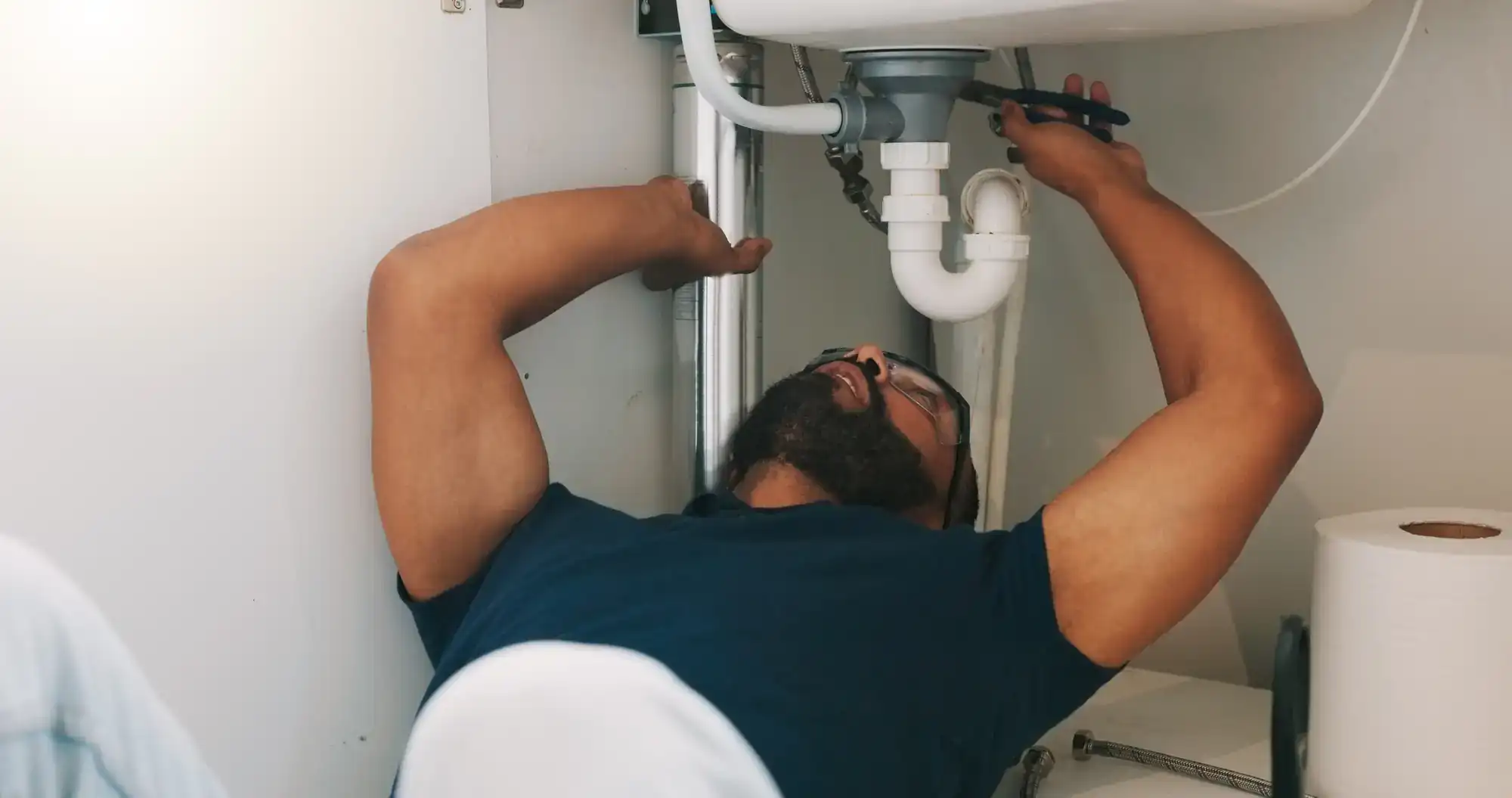
Get a free quote for plumbing repair from your local plumbing team.
We’ll contact you about your plumbing repair request. Privacy policy
Hear from Our Customers
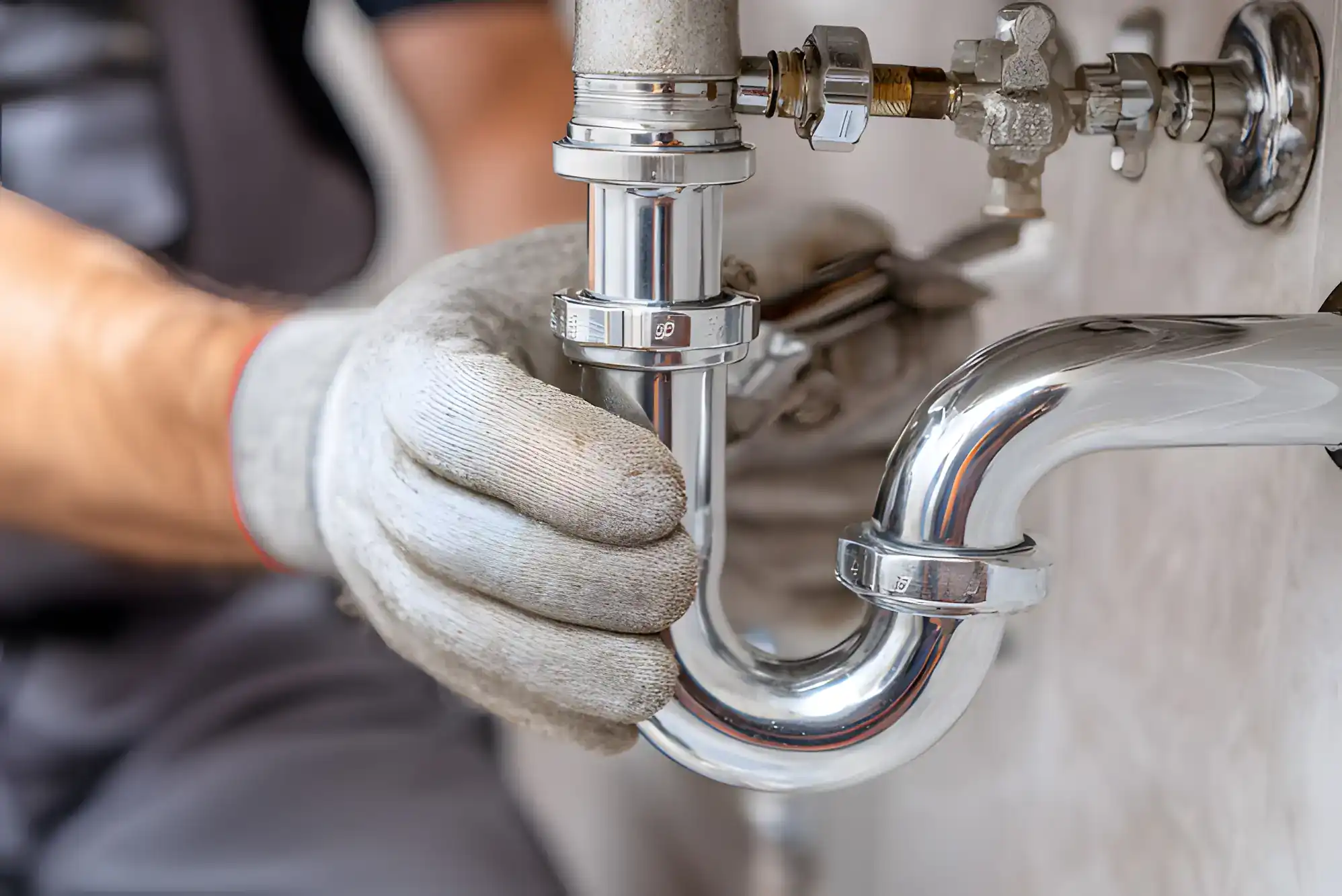
When the plumbing in your home actually works the way it should, you stop noticing it — and that’s the point. No more running the tap and watching rust-orange water take 30 seconds to clear. No more pressure that drops to a trickle when someone flushes. No more slow drains that back up every few weeks no matter what you pour down them. That’s what a real fix looks like.
For Little Pocket homeowners, the stakes are different than in newer Sacramento neighborhoods. Most homes here were built in the 1950s, 1960s, and 1970s — and many are still running the original galvanized steel supply lines. Those pipes are now 50 to 70 years old. They corrode from the inside out, and Sacramento’s moderately hard water accelerates that process by depositing mineral scale inside pipes that are already narrowing year by year.
The symptoms start subtle — a little less pressure, a slight discoloration — and then one day they don’t. The neighborhood’s location inside a river meander also matters. The low-lying terrain, clay soil, and high water table around Little Pocket create ideal conditions for root intrusion into sewer laterals. The mature trees lining residential streets have had decades to find and exploit every crack in aging clay or cast iron pipes. Getting ahead of that before it becomes a full backup isn’t paranoia — it’s responsible homeownership in this neighborhood.
We founded Murray Plumbing in 2009 after earning our contractor’s license and building the company from one truck up. That origin shaped how we operate: no franchise overhead, no corporate dispatch layer, no technician who’s never been to Sacramento County before. Just a licensed, insured team that shows up, tells you the price before touching anything, and fixes it.
We’ve been serving Little Pocket and the surrounding Pocket neighborhoods since the beginning. We’re familiar with the specific plumbing realities of older Sacramento homes — the galvanized supply lines, the root-intruded laterals, the hard water wear on water heaters — and we’ve worked in dozens of homes throughout Little Pocket itself. That familiarity shortens diagnosis time and keeps the job from turning into a surprise.
We hold a California C-36 Plumbing Contractor License, carry full general liability insurance, and employ background-checked technicians. Our Google rating is 4.7 out of 5 across 93 reviews — and the reviews are specific enough to be worth reading.
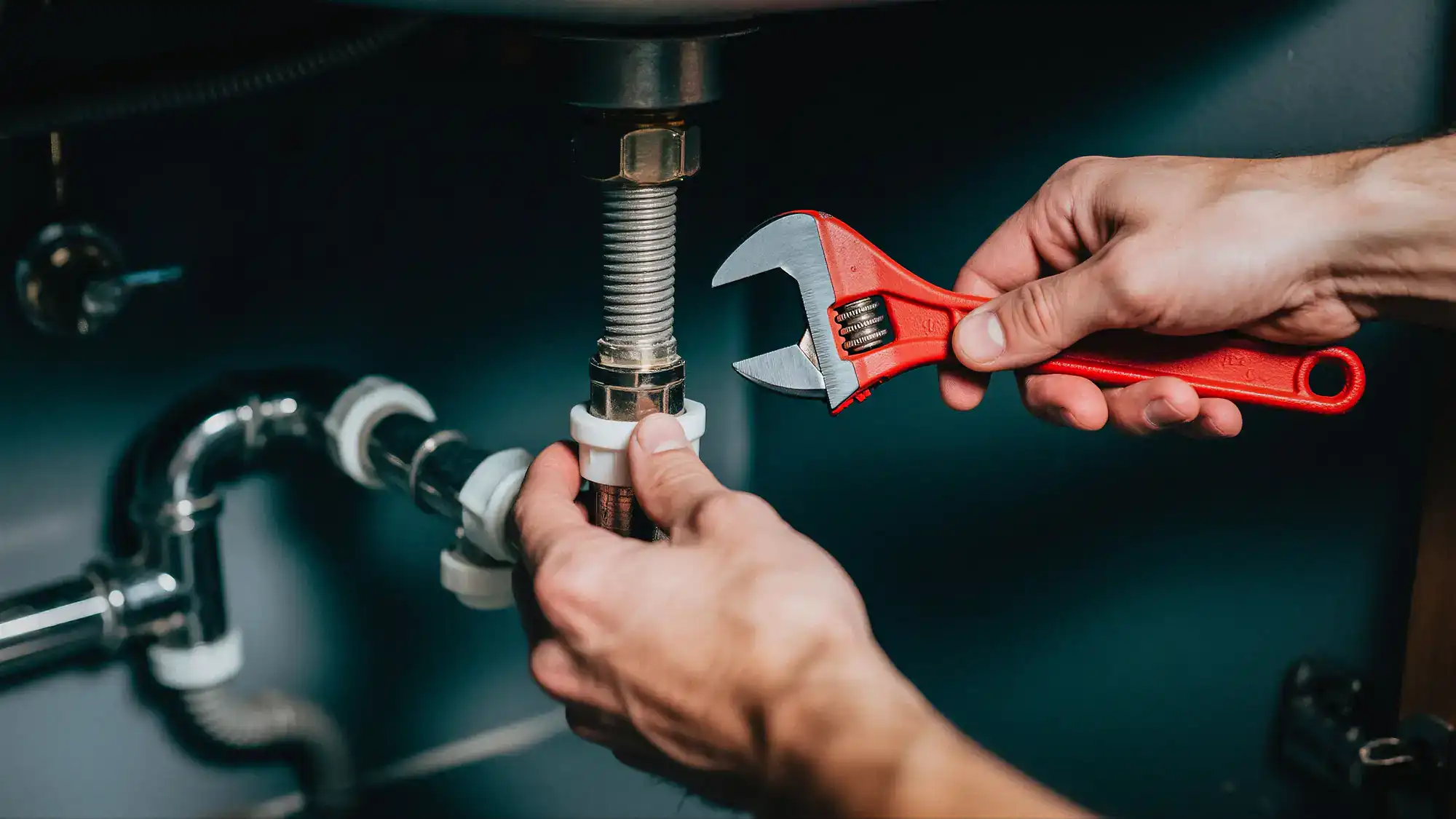
When you call us, the first thing that happens is an actual conversation about what’s going on — not a form submission that goes into a queue. From there, we dispatch a technician, and in most cases the job gets handled the same day you call. That’s not a best-case scenario we advertise and rarely deliver. It’s the standard.
When our technician arrives, the first priority is understanding the full picture before quoting anything. In a Little Pocket home, that often means looking beyond the visible symptom. Low pressure at the fixtures might trace back to galvanized supply lines that have been narrowing for decades. A slow drain in the kitchen might be the early sign of a sewer lateral compromised by root intrusion in the neighborhood’s moist clay soil.
A good diagnosis takes a few extra minutes and saves you from paying for a fix that doesn’t hold. Once the issue is identified, you get a flat-rate price before any work begins. That number doesn’t change when the job is done. All plumbing work in Sacramento requires permits for anything beyond minor repairs — water heater replacements, repiping, sewer lateral work — and we handle that process as part of the job.
If your situation involves the sewer lateral, we can walk you through Sacramento SacSewer’s Upper Lateral Loan Program, which offers up to $15,000 in low-interest financing for lateral repair or replacement. Most homeowners in Little Pocket don’t know that program exists until someone tells them.
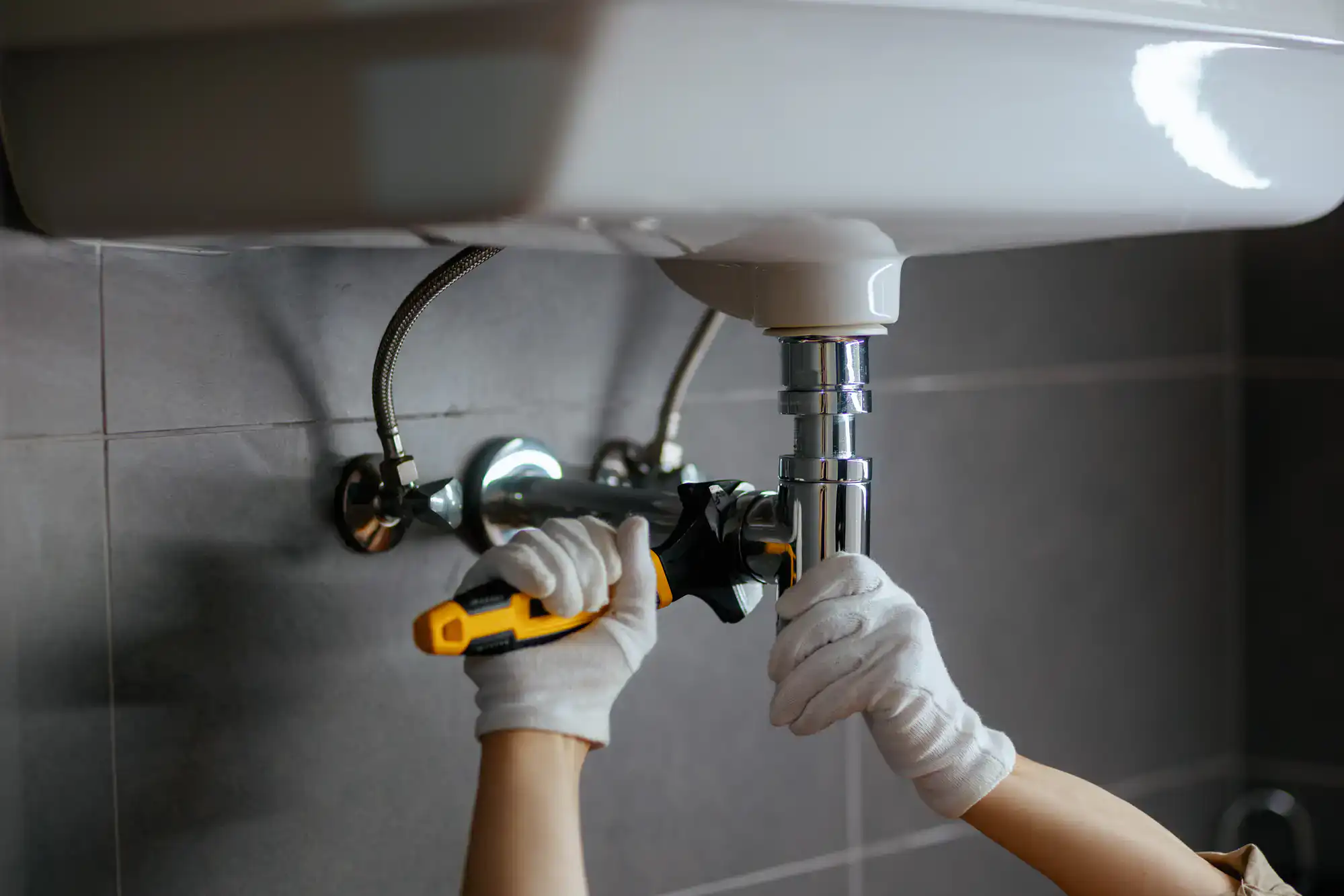
Ready to get started?
We handle the complete scope of residential plumbing repair — not a narrow slice of it. That means plumbing repair and emergency plumbing repair, drain cleaning and hydro jetting, sewer repair and trenchless sewer repair, camera inspection, water heater repair and replacement, tankless water heaters, waterline repair and replacement, leak detection, water softening, water filtration, and reverse osmosis systems.
For Little Pocket specifically, a few of those services come up more often than others. Pipe repair and repiping are common in homes where the original galvanized supply lines have never been replaced — the inside-out corrosion, the mineral scale from Sacramento’s hard water, and the age of the pipes combine into a system operating on borrowed time. Water heater work is similarly frequent: hard water at Sacramento’s hardness levels can cut a water heater’s lifespan nearly in half, and most homeowners don’t realize the connection until the unit fails early.
Sewer lateral work — camera inspection, root cutting, trenchless repair — is also a regular need in Little Pocket. The combination of clay soil, a high water table from the river-adjacent terrain, and mature trees that have been growing alongside original laterals for 50 or 60 years creates consistent root intrusion pressure. Trenchless sewer repair is often the right answer because it avoids excavating through landscaping and hardscape, and it typically costs less overall than traditional dig-and-replace once you factor in restoration. We carry the full toolkit to diagnose and resolve these problems without guessing.
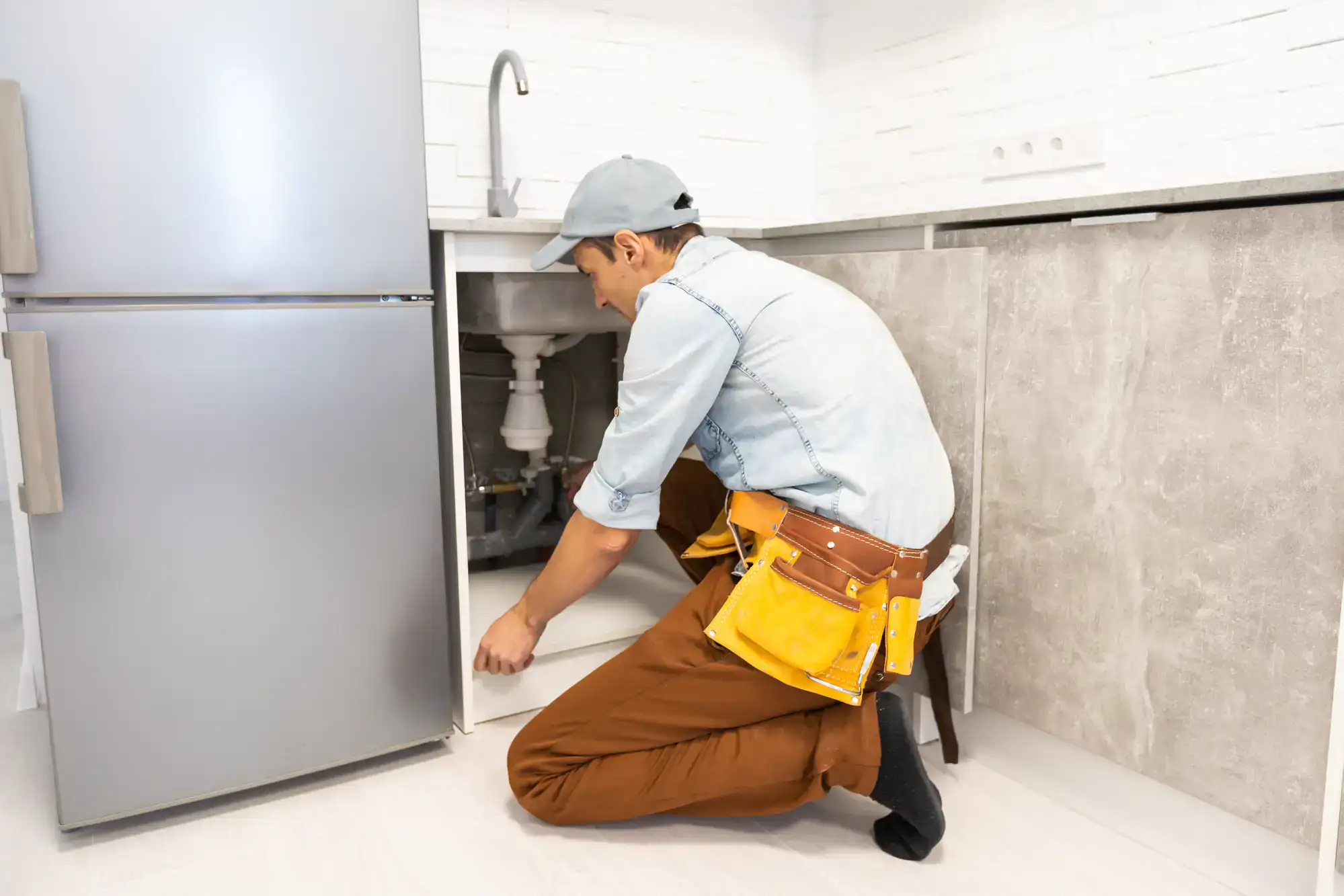
The most common signs are low water pressure throughout the house (not just one fixture), water that runs slightly discolored or has a metallic taste, and visible rust or corrosion around pipe connections. Homes built in the 1950s, 1960s, and 1970s — which describes most of Little Pocket’s housing stock — were typically plumbed with galvanized steel supply lines. Those pipes have a reliable service life of roughly 40 to 70 years, which means many are at or past the point where failure becomes a real risk.
Sacramento’s moderately hard water makes this worse. Mineral scale builds up inside pipes that are already corroding and narrowing from the inside out, compounding the restriction. If your Little Pocket home has never had its plumbing inspected or updated, a camera inspection and pressure assessment can give you a clear picture of what you’re actually working with — and whether you’re looking at a targeted repair or a broader repipe. We can walk you through both options with a flat-rate quote before any work starts.
The clearest signs are drains that back up or gurgle across multiple fixtures at the same time, sewage odors coming up through floor drains or toilets, and slow drains that keep returning even after you’ve had them snaked. When the problem is isolated to one fixture, it’s usually a localized clog. When multiple fixtures are involved, the issue is typically further down the line — in the lateral itself.
In Little Pocket, root intrusion is one of the most common causes of lateral failure. The neighborhood’s clay soil retains moisture, the water table is elevated from the river-adjacent terrain, and the mature trees lining residential streets have had decades to find their way into any crack or joint in aging clay or cast iron pipe. Sacramento SacSewer even offers an Upper Lateral Loan Program — up to $15,000 in low-interest financing — specifically for lateral repair and replacement, which tells you how common this problem is in neighborhoods like Little Pocket. A camera inspection is the fastest way to confirm what’s happening and where.
Yes, and the effect is measurable. Sacramento’s water hardness averages around 121 milligrams per liter of calcium carbonate, which puts it in the moderately hard range. At that level, mineral scale builds up steadily inside pipes, water heaters, and appliances. Inside a water heater, that scale acts as an insulating layer between the heating element and the water — the unit works harder, uses more energy, and wears out faster.
A water heater that should last 12 to 15 years can fail in 6 to 8 years in a hard water environment without any maintenance. In a Little Pocket home that’s already running older galvanized supply lines, the combination of pipe corrosion and hard water scale creates an accelerated degradation pathway that’s worse than either factor alone. Water softening and filtration systems can slow that process significantly, and we install both. If your water heater is showing signs of early failure or your fixtures are building up scale quickly, it’s worth having a conversation about whether a water treatment solution makes sense alongside the repair.
Yes, always. We operate on a flat-rate pricing model, which means the price is agreed upon before anyone picks up a wrench. You won’t get a verbal estimate that turns into a different number on the invoice. The quote you receive is the price you pay — and in documented cases, the final cost has actually come in under the original estimate.
This matters in a neighborhood like Little Pocket, where word travels. The community is tight-knit enough that a plumber who surprises people with inflated bills doesn’t last long. Our approach is straightforward: assess the problem honestly, quote the job accurately, and do the work right. There are no hourly clocks running in the background while the technician figures things out on your time. If the scope of work changes during the job, that conversation happens before anything proceeds — not after.
The levee-adjacent location creates a specific set of underground conditions that affect plumbing differently than in drier, higher-elevation Sacramento neighborhoods. The water table in Little Pocket is elevated because the neighborhood sits inside a Sacramento River meander, with the river on three sides. That sustained ground moisture, combined with clay soil that retains water rather than draining it, puts consistent pressure on underground pipes, slab foundations, and lateral connections.
For homeowners, this shows up most often as slab leaks — where pipes running beneath the concrete slab are stressed by ground movement or subsurface moisture — and as accelerated lateral degradation from roots seeking moisture in already-wet soil. If your Little Pocket home is close to the levee, a plumbing inspection that includes camera work on your lateral and a check for slab moisture is a reasonable precaution. We can help you understand whether your property’s location puts you at higher risk.
Yes. We offer 24/7 emergency plumbing repair service, including in Little Pocket. That availability matters more in this neighborhood than it might in others. Little Pocket has only a handful of ways in and out — the Sacramento River borders it on three sides and Interstate 5 runs along the eastern edge, with Riverside Boulevard as the primary road through the neighborhood. When a pipe bursts or a sewer backs up late at night, the last thing you need is a company that takes your information and calls back in the morning.
When you call us, you reach someone who can actually help. We respond the same day in most cases, and we handle after-hours emergencies — active leaks, sewage backups, failed water heaters, and anything else that needs to be resolved now rather than scheduled for next week.
Other Services we provide in Little Pocket