
Kitec Repair
Get a free quote for kitec repair from your local plumbing team.
We’ll contact you about your kitec repair request. Privacy policy
Hear from Our Customers
If your Herald, CA home was built or repiped between 1995 and 2007, there’s a real chance you have Kitec plumbing. These brass fittings corrode from the inside out. The pipes themselves degrade in ways you can’t see until they burst.
This isn’t a leak that drips into a bucket. Kitec failures are sudden. One minute your plumbing works fine, the next you’re standing in two inches of water watching your floors buckle. Average water damage claims run over $11,000, and that’s before you factor in lost belongings, temporary housing, or mold remediation.
The question isn’t whether your Kitec system will fail. It’s whether you’ll replace it on your terms or deal with an emergency at 2 AM. Complete replacement with copper or PEX piping eliminates the risk entirely. You get modern materials rated for 50+ years, installed correctly, with warranties that actually mean something.
We’ve been handling complex residential plumbing in the Sacramento region for more than 100 years. That’s five generations of learning what works, what fails, and how to do the job right the first time.
Herald homeowners face specific challenges. The area’s older housing stock and hard water conditions accelerate Kitec deterioration. We’ve replaced Kitec systems throughout Sacramento County and know exactly what to expect when we open your walls.
Our crews show up on time, work clean, and finish when we say we will. We’re available 24/7 because Kitec doesn’t fail on a schedule. You’ll get a clear estimate upfront, and our final bills typically come in under the original quote.
First, we inspect your entire plumbing system to confirm you have Kitec and map out where it runs. You’ll see the orange and blue pipes, the brass fittings, and we’ll show you exactly what needs replacing.
Next comes the replacement itself. We shut off your water, remove all Kitec piping and fittings, and install new copper or PEX lines throughout your home. This includes hot and cold water lines, connections to fixtures, and proper securing to prevent future issues. Most residential jobs take two to four days depending on home size and access.
We test everything before we leave. Every connection gets pressure tested. Every fixture gets checked. You’ll have full water service restored, and we’ll walk you through what we did and what to expect going forward.
The work isn’t glamorous, but it’s thorough. You can’t patch Kitec or replace sections—the fittings aren’t manufactured anymore and the pipe material itself is compromised. Complete removal is the only real fix.
Ready to get started?
You’re not just getting new pipes. You’re getting a plumbing system that insurance companies will actually cover, that won’t tank your home’s resale value, and that you can stop worrying about.
Herald’s housing market includes many homes from the Kitec installation period. Buyers are getting smarter about asking for plumbing inspections, and Kitec is an immediate red flag. Some insurance providers won’t cover homes with known Kitec systems, or they’ll exclude water damage from coverage entirely.
Replacement includes all hot and cold water supply lines, new shut-off valves, proper pipe supports, and connections to every fixture in your home. We handle wall access and patching, though you’ll need to arrange final paint and finish work. You’ll get documentation of the work for insurance and resale purposes.
California’s hard water makes Kitec fail faster than in other regions. The mineral content accelerates the dezincification process in the brass fittings. If you’re in Herald and your home has original plumbing from the late 90s or early 2000s, you’re on borrowed time.
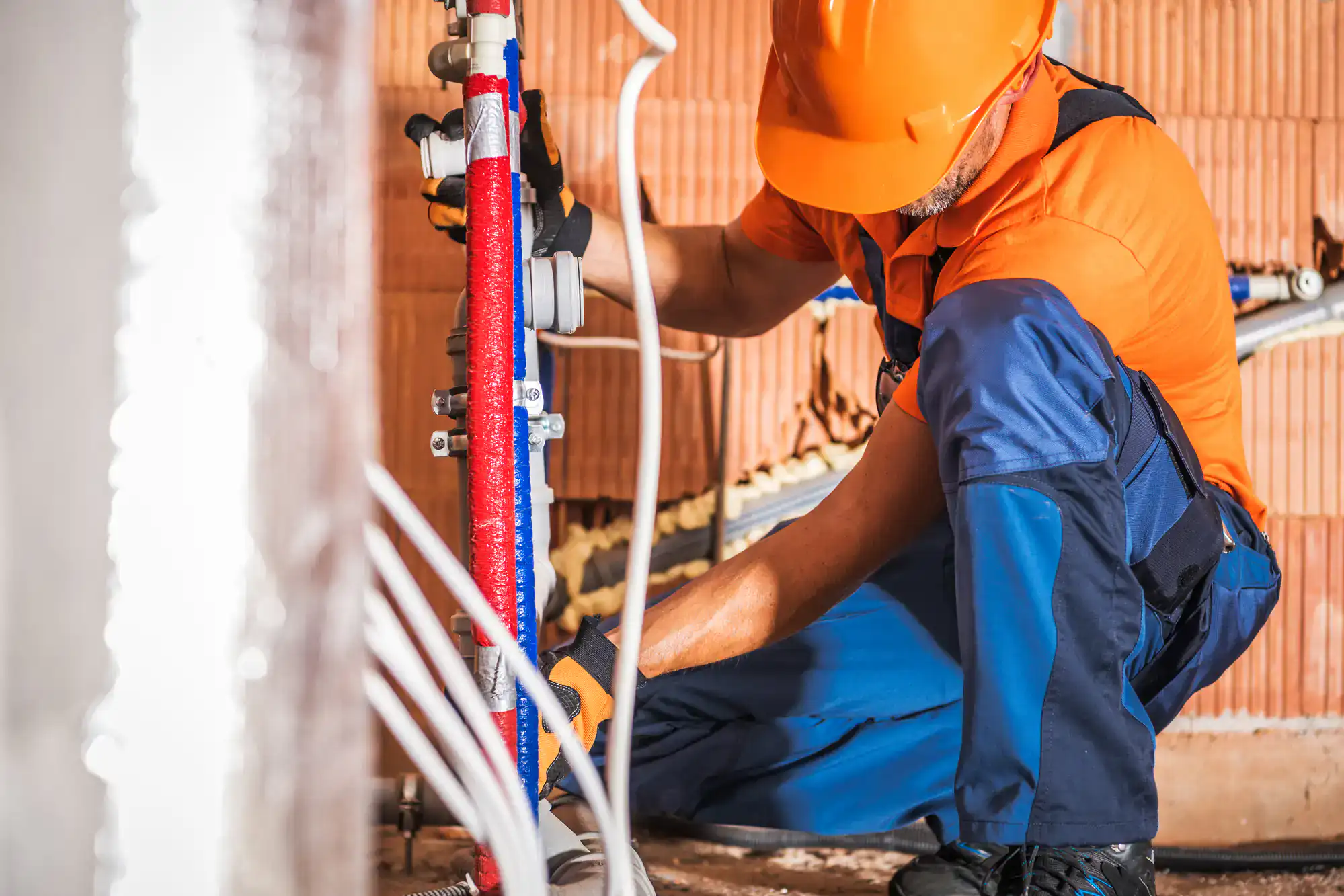
Look for blue and orange plastic pipes, usually in your water heater area, under sinks, or in your crawlspace or attic. Kitec pipes are marked with “Kitec” or “KTC” on the pipe itself. The fittings are brass-colored and larger than standard plumbing fittings.
If your home was built or had plumbing work done between 1995 and 2007, there’s a higher chance you have it. Many Herald homes from this period used Kitec because it was cheaper and easier to install than copper. The system was marketed as a cost-effective alternative until the recall in 2005.
You can also check your home inspection report if you bought recently. Any competent inspector should have flagged Kitec plumbing. If you’re still not sure, we can come out and identify your plumbing system in about 15 minutes.
Most Herald homes run between $5,000 and $15,000 for complete Kitec replacement, depending on square footage, number of bathrooms, and how accessible your plumbing is. Single-story homes with crawlspace access cost less than two-story homes where we need to access pipes through walls.
The price includes removing all Kitec piping and fittings, installing new copper or PEX lines, pressure testing, and basic wall patching. It doesn’t include final drywall finishing or paint. We give you an exact quote after inspecting your specific setup.
This isn’t a repair you can phase or do partially. Because the fittings are no longer manufactured and the pipes themselves are failing, you need complete replacement. Trying to save money by replacing only visible sections leaves you with the same failure risk on everything you didn’t replace.
We can stop an active leak temporarily, but we can’t actually repair Kitec plumbing in any permanent way. The fittings aren’t made anymore, and the pipe dimensions don’t match standard plumbing sizes. Any “repair” is really just a temporary patch using adapters and different materials.
Here’s the bigger problem: if one section failed, the rest of your system is in the same condition. Kitec doesn’t fail randomly—it fails because the materials break down over time. Fixing one leak doesn’t address the corrosion happening in every other fitting and pipe section throughout your home.
You’re better off replacing the system now, on your schedule, than paying for an emergency patch and then dealing with another failure three months later. The temporary fix costs money that could go toward permanent replacement. Most homeowners who try to patch Kitec end up replacing it anyway after the second or third leak.
Most residential Kitec replacements take two to four days. Single-story homes with good crawlspace access are faster. Two-story homes where we need to run new lines through walls take longer.
You can stay in your home during the work. We’ll need to shut off your water during active plumbing work, but we restore service at the end of each day so you have water overnight. We coordinate bathroom and kitchen access so you’re never completely without facilities.
The timeline depends on how much Kitec you have and where it runs. A home with Kitec only on the hot water side goes faster than a home with both hot and cold lines in Kitec. We’ll give you a specific schedule after inspecting your system, and we stick to it. Our crews show up when they say they will and finish on time.
Insurance typically won’t cover preventive Kitec replacement, but it might cover damage from a Kitec failure. The catch is that some insurers specifically exclude coverage for known defective materials, especially if you knew about the Kitec and didn’t replace it.
If your Kitec has already failed and caused water damage, file a claim immediately. Document everything with photos and get the water mitigation started. Insurance usually covers the water damage itself—the floors, drywall, belongings—but may not cover the cost of replacing the plumbing system that caused it.
The class action settlement that would have helped pay for replacement expired in January 2020. Homeowners who have Kitec now are responsible for replacement costs themselves. Some Herald residents have had luck negotiating with sellers during home purchases to cover replacement, but that only works if you catch it before closing.
Your Kitec will fail. It’s not a possibility—it’s a timeline. These systems were installed up until 2007, and their average lifespan is under 10 years. Every Kitec system still in service is operating past its expected life.
When it fails, you’re looking at sudden pipe bursts, not slow leaks. Kitec pipes rupture and flood quickly. You might come home to standing water, or wake up to it spreading through your house. The average water damage claim exceeds $11,000, and that doesn’t include your deductible, lost belongings, or the time dealing with mitigation and repairs.
Beyond the flood risk, Kitec affects your home’s insurability and resale value. Some insurance companies won’t cover homes with Kitec, or they exclude water damage from coverage. Buyers will either walk away or demand the cost of replacement come off your selling price. You’ll pay for Kitec replacement eventually—the only question is whether you do it on your terms or in a crisis.
Other Services we provide in Herald