
Hydro Jetting
Get a free quote for hydro jetting from your local plumbing team.
We’ll contact you about your hydro jetting request. Privacy policy
Hear from Our Customers
When hydro jetting is done right, you stop calling a plumber every few months for the same drain. That recurring kitchen backup, the slow bathroom drain that’s been sluggish since last winter, the main line that seems to clog every time it rains — those problems don’t keep coming back after a proper hydro jet. You get a clean pipe, not just a temporary opening.
For Herald homeowners specifically, that matters more than it does in most places. Homes along the Twin Cities Road corridor were largely built in the 1960s, which means cast iron and clay pipes are common. Those materials hold onto mineral deposits and let tree roots slip through joint gaps over time. Hard water buildup is a known issue in this part of Sacramento County, and the mature oaks and other deep-rooted trees on larger rural parcels don’t help.
We remove all of it — grease, scale, root fragments, silt — from the full pipe wall at up to 4,000 PSI, not just the center. Because most Herald properties run on private septic systems rather than municipal sewer, a blocked inlet line isn’t just an inconvenience. It can put real pressure on your entire septic system. Getting ahead of that with a thorough pipe cleaning is one of the most cost-effective maintenance decisions a rural property owner can make.
We’ve been serving Northern California since 2009. Murray Plumbing is family-owned, based in Placerville, and built around a straightforward idea — show up when we say we will, do the job right, and charge what we quoted. No diagnostic fees, no pressure tactics, no surprise line items at the end.
We already serve communities along the SR 104 corridor, including Clay, CA just east of Herald. That’s not a coincidence. We know this stretch of Sacramento County — the older housing stock, the septic-dependent properties, the tree root pressure that comes with large rural parcels. That local familiarity shows up in how the work gets done.
We hold a California C-36 Plumbing Contractor License, verifiable directly through the California State License Board. We’re fully insured and bonded. With a 4.7 out of 5 rating across 93 Google reviews and a 97% review response rate, our track record speaks for itself.
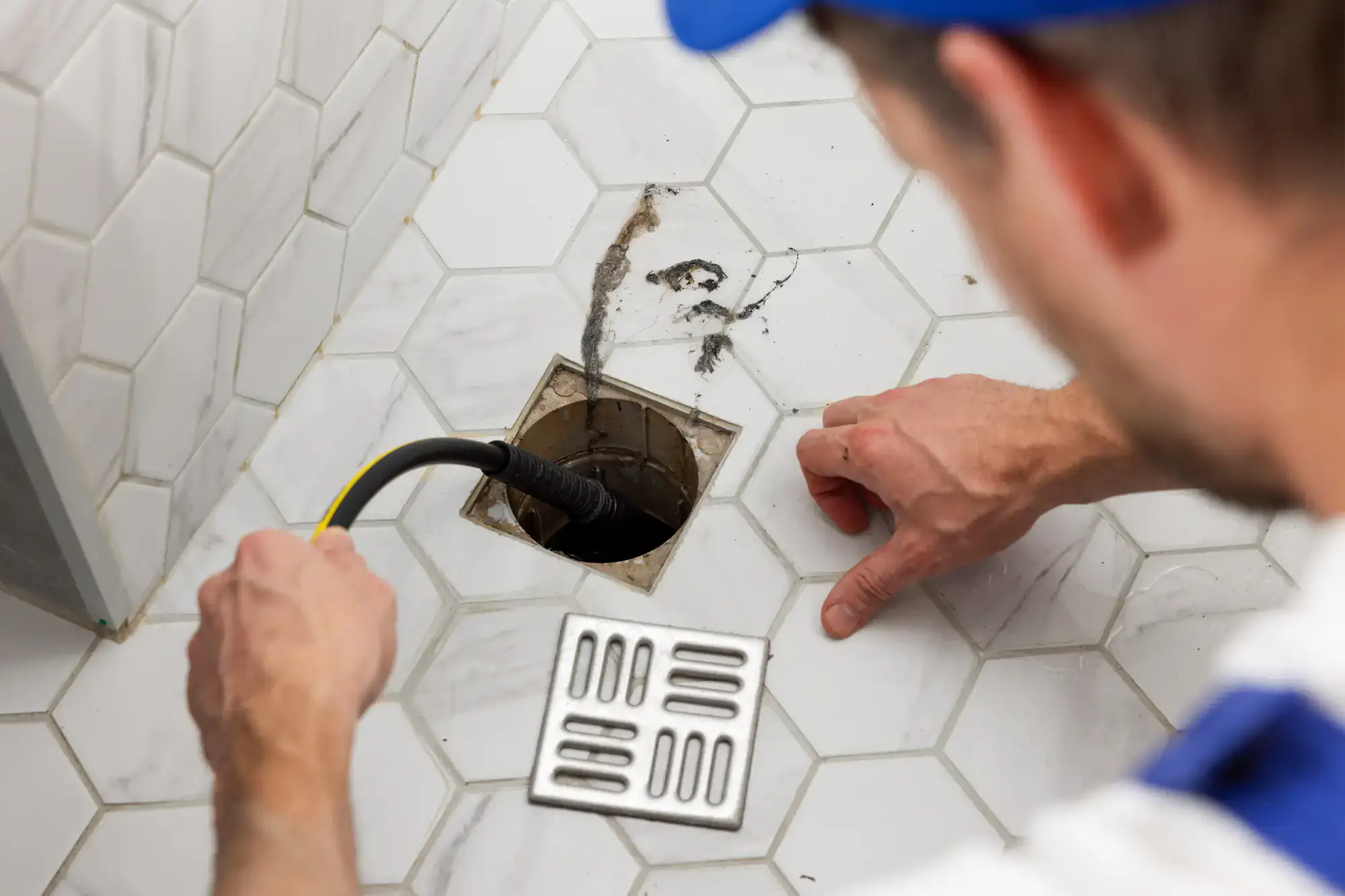
Before any pressure hits your pipes, we run a camera inspection. This step isn’t optional — it’s how we find out what we’re actually dealing with. For a Herald home with 1960s-era clay or cast iron pipes, that inspection tells us whether the pipe walls can handle high pressure, where the blockage is, and what’s causing it. If there’s a section of pipe that’s cracked or compromised, we’ll tell you before anything else happens.
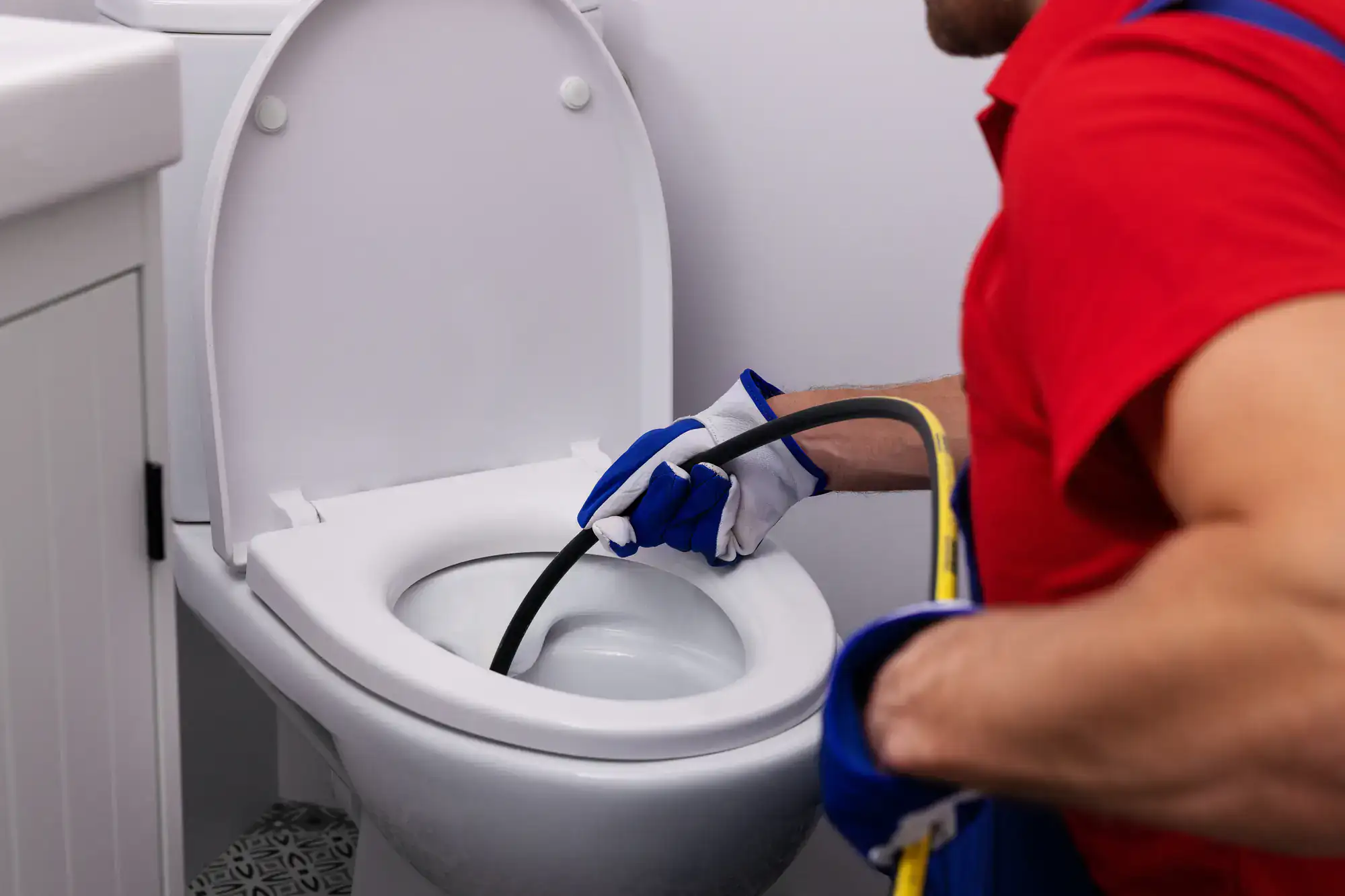
Once the inspection confirms the lines are safe to jet, we run the hydro jetting equipment through the affected line. The system operates at up to 4,000 PSI, which is enough to cut through tree root intrusions, blast away grease that’s been building up for years, and scour mineral scale off the interior pipe walls. This isn’t a snake that pokes a hole and calls it done — it’s a full clean from one end to the other.
After the jetting is complete, we run the camera through again. You get a before-and-after look at what was in your pipes and confirmation that they’re clear. For properties on private septic systems — which describes most of Herald — that final inspection also gives you confidence that the inlet line is flowing freely and your septic system isn’t under unnecessary stress heading into the next rainy season.
Ready to get started?
Every hydro jetting service from Murray Plumbing starts with a camera inspection and ends with one. That’s not an upsell — it’s how the job is done properly, especially in Herald where the pipes have age on them and the stakes of getting it wrong are higher than average.
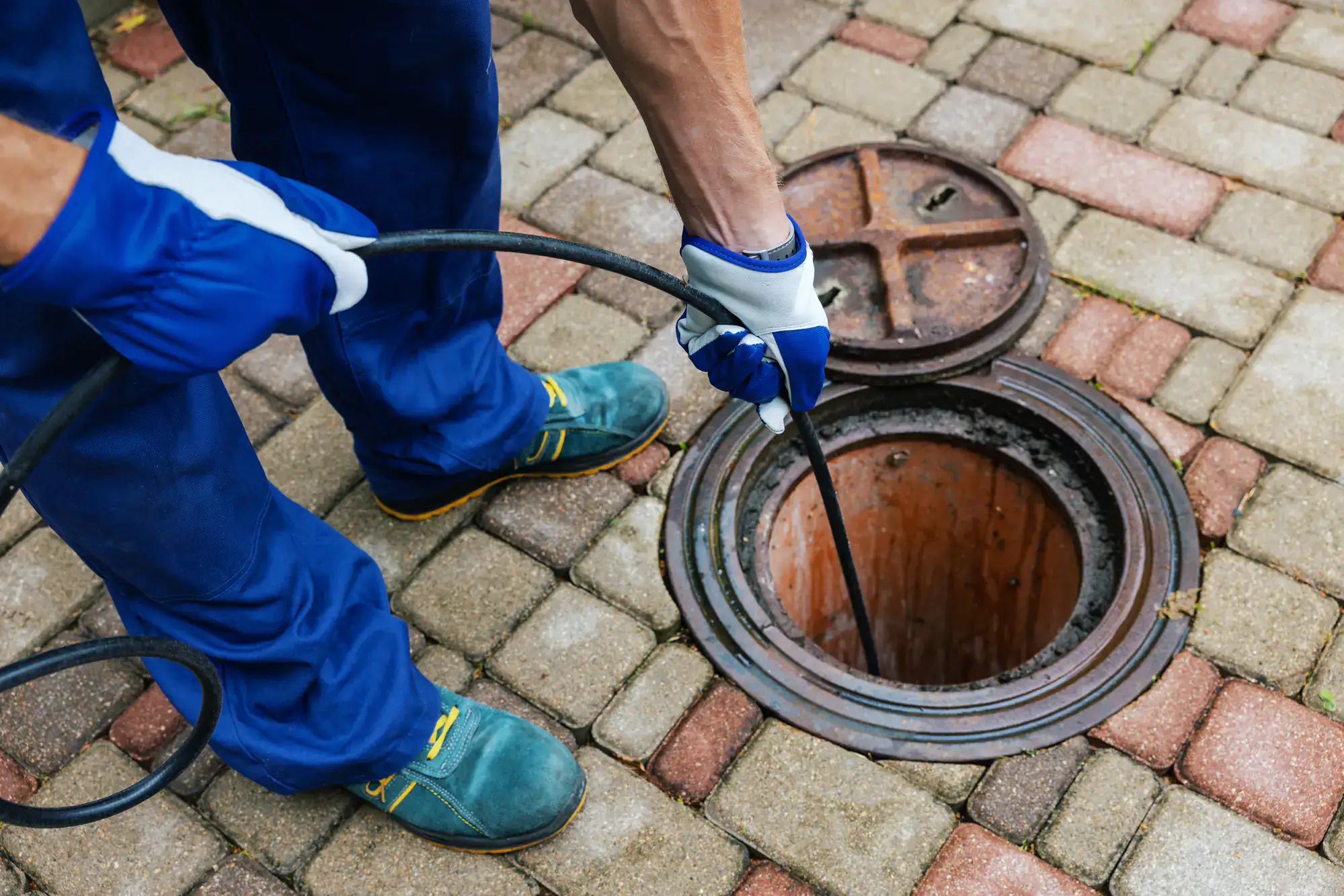
The service covers the full scope of what’s blocking your line. That includes grease and food waste buildup in kitchen drain lines, mineral scale from hard water that’s been narrowing your pipe bore for years, tree root intrusions through clay pipe joints, silt and sediment that accumulates in low-flow sections, and general organic debris that snaking leaves behind on the pipe walls. For main sewer lines running to a private septic tank — the most critical line on a rural Sacramento County property — we jet the full length from the house to the tank inlet.
Hydro jetting costs for residential properties typically run between $450 and $900, depending on the severity of the blockage and how accessible the pipe is. We quote the price before work begins. What’s quoted is what you pay. No hidden fees, no add-ons after the fact. For a Herald homeowner weighing that against the cost of repeated snaking calls — or worse, a septic system failure — the math usually isn’t close.
This is the right question to ask, and the honest answer is: it depends on the condition of the pipe — which is exactly why we run a camera inspection before any pressure is applied. Clay pipes that are structurally intact can handle hydro jetting without issue. The concern is with pipes that already have cracks, separated joints, or sections that have shifted due to decades of soil movement. In Herald, where homes were primarily built in the 1960s and the wet-dry cycle of Sacramento County winters and summers causes ground to expand and contract over time, some degree of joint separation is not uncommon in older clay lines.
The camera inspection identifies those vulnerable sections before the jetting begins. If a pipe segment isn’t safe to jet, we won’t jet it — we’ll tell you what’s there and what the options are. The pre-inspection step exists specifically to protect your property, not just to add a line item. When the pipe is confirmed to be in workable condition, we calibrate the pressure to the material and the job. That’s how it should be done.
Snaking makes sense for a simple, isolated clog close to the drain opening — a hair clog in a bathroom sink, for example, or a small obstruction in the first few feet of pipe. It’s a quick fix for a straightforward problem. But if you’re dealing with a drain that keeps backing up after being snaked, multiple fixtures slowing down at the same time, gurgling sounds when water drains, or a foul smell coming from the drains that won’t go away — that’s a different situation. Those symptoms usually point to buildup or blockage deeper in the line that snaking can’t fully address.
For Herald properties with 1960s-era pipes, hard water mineral deposits, and mature trees on large parcels, the underlying issue is often not a single clog but years of accumulated scale and root intrusion along a significant stretch of pipe. Snaking punches through the center of that buildup and temporarily restores flow, but it leaves the material on the pipe walls — which means the problem comes back, often within weeks. Hydro jetting removes the buildup from the entire pipe interior, which is why the results last months or years rather than a few weeks.
For most residential properties, once every one to three years is a reasonable maintenance interval — assuming you’re not dealing with an active tree root problem. If you have large, established trees on your property with root systems near your sewer line, annual service is worth considering. Roots don’t stop growing, and once they find an entry point in a clay pipe joint, they’ll come back. Staying ahead of that on a yearly schedule is far less disruptive and less expensive than dealing with a full blockage or a collapsed line.
For properties with heavy kitchen use — or any Herald homeowner running a hobby farm, homestead, or small food operation — grease loading in drain lines accelerates faster than in a standard household. Those situations may benefit from more frequent service, closer to every 12 to 18 months. The other factor specific to this area is the Sacramento Valley rainy season. Winter rains raise the water table, increase root activity, and put additional pressure on aging underground lines. Getting a hydro jetting service done in late fall before the wet season hits is a practical way to go into winter with clean, clear pipes.
Yes — and for Herald homeowners on private septic systems, this is actually one of the strongest reasons to consider hydro jetting as a maintenance service rather than just an emergency fix. The pipe that runs from your home to the septic tank inlet is entirely your responsibility. When grease, sludge, and root intrusion build up in that line over time, it restricts flow and forces your septic system to work harder than it should. In serious cases, a blocked inlet line can cause sewage to back up into the home or overflow onto the property — which then becomes a Sacramento County Environmental Management Department issue, not just a plumbing problem.
Hydro jetting that private sewer line clears out the accumulated material and restores full flow to the tank. It’s not a substitute for regular septic pumping — those are two different services addressing different parts of the system — but a clean inlet line means your tank fills and drains the way it’s supposed to, and your leach field isn’t being overloaded by a partially restricted inlet. For a property where septic replacement can run $10,000 or more, keeping the lines clean is a straightforward investment in protecting what you already have.
Hydro jetting removes tree roots — it doesn’t just displace them. At 4,000 PSI, the water pressure is strong enough to cut through root intrusions up to about a quarter inch in diameter and flush the debris out of the line. What comes out isn’t a compressed mass of roots pushed further down the pipe — it’s fragmented material that gets carried out with the water flow. After the jetting, a post-service camera inspection confirms the line is clear.
The important thing to understand is that hydro jetting removes the roots that are currently in the pipe, but it doesn’t prevent new roots from growing back. If a root has found a crack or joint gap in a clay pipe, the entry point is still there. For Herald properties with large, established trees — oaks, eucalyptus, and other deep-rooted species common on rural Sacramento County parcels — annual maintenance jetting is often the most practical long-term approach. Some homeowners also opt for a root inhibitor treatment after jetting to slow regrowth. If the root intrusion is severe enough that the pipe itself is compromised, the camera inspection will show that, and repair becomes the more appropriate next step.
Yes. We actively serve communities along the SR 104 corridor in Sacramento County, and Herald is part of that service area. We already have an established presence in nearby Clay, CA, which sits just east of Herald on the same road. Herald isn’t a detour or an afterthought — it’s a community we’ve specifically targeted because the local conditions there — older pipes, septic-dependent properties, rural parcels with mature trees — create real demand for professional hydro jetting that not every contractor is equipped or willing to handle.
The bigger concern for Herald residents is usually not whether we’ll come out, but whether anyone will come out on short notice. Herald is a small, rural community about 25 miles southeast of Sacramento, and plenty of plumbing companies based in the city simply don’t make the drive for smaller jobs or after-hours calls. We offer 24/7 emergency service, and that applies to Herald the same as it does to any other part of our service area. If a sewer line backs up on a Sunday evening, the answer is still yes — call, and we come.
Other Services we provide in Herald