
Hear from Our Customers
You stop wondering when your pipes will burst. That’s the biggest relief most homeowners describe after replacing their Kitec system.
Between 1995 and 2007, roughly 292,000 homes across North America got Kitec plumbing installed. If your Tahoma, CA home was built or renovated during those years, there’s a real chance you’re living with a system that’s already past its average lifespan. Most Kitec systems fail within 10 years, and many are now pushing 20 or more.
When you replace Kitec pipe before it fails, you avoid the emergency. No flooded rooms. No ruined drywall. No frantic calls to your insurance company hoping they’ll cover it. You also protect your home’s value because buyers and insurers both flag Kitec as a major liability.
After replacement, your water pressure stabilizes. You’re not dealing with restricted flow from corroded brass fittings. And you’re not paying for temporary fixes that don’t solve the root problem. You get reliable plumbing that actually works the way it should.
We handle Kitec plumbing problems in Tahoma, CA with the same approach we bring to every job: honest assessment, transparent pricing, and professional work that lasts.
We’re available 24/7 because Kitec pipe bursts don’t wait for business hours. When you call, you get a licensed plumber who knows how to identify Kitec systems, assess the damage, and walk you through your options without overselling you on services you don’t need.
Our Google rating sits at 4.7 out of 5 based on 93 reviews, and a lot of those reviews mention two things: we show up on time, and our final price often comes in under the estimate. That’s not an accident. It’s how we run the business.
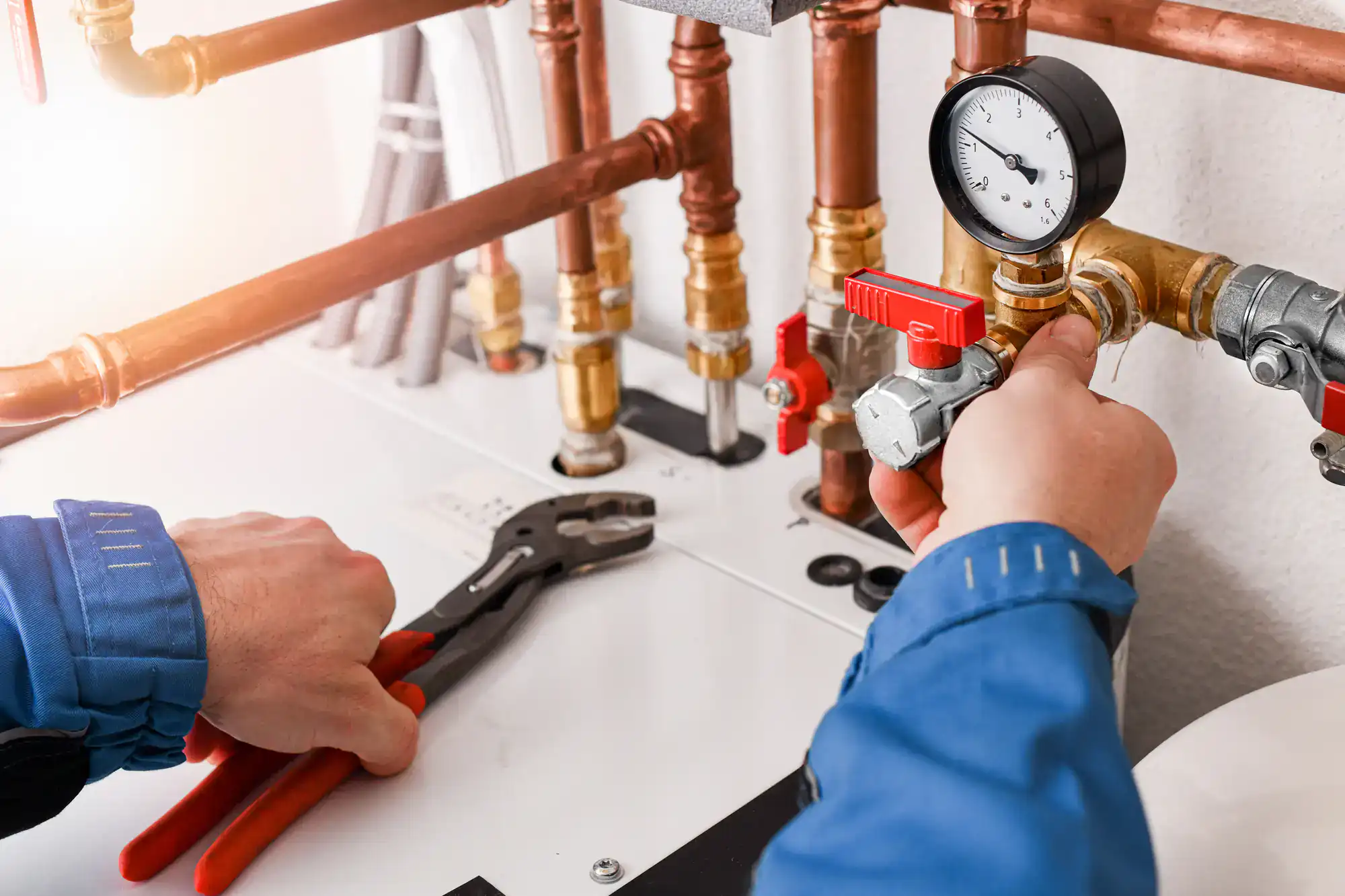
First, we confirm you actually have Kitec. The pipes are usually marked with “Kitec” or “KTC,” and the fittings are brass. If you’re not sure, we’ll check during the inspection.
Next, we assess how much of your system needs replacement. In most cases, it’s the whole thing. Kitec fittings aren’t made anymore, so patching one leak doesn’t prevent the next one. We’ll give you an upfront estimate that covers the full scope—including any drywall or flooring work needed to access the pipes.
Then we replace the system with reliable materials like copper or PEX. We pull permits, follow code, and make sure everything is documented properly in case you need it for insurance or resale. The work gets done as efficiently as possible to minimize disruption, and we restore water service as quickly as we can.
After the job, you get a system that works. No more waiting for the next failure.
Ready to get started?
You get a full system evaluation to determine where Kitec is installed and what’s at risk. That includes water heater connections, supply lines, and any other areas where Kitec pipe was used.
We handle the complete replacement—not just the visible pipes. Kitec often runs behind walls and under floors, so we coordinate the access work, the plumbing replacement, and the restoration. You’re not managing three different contractors. We take care of it.
In Tahoma, CA, water quality can vary depending on your source. If you’re dealing with harder water or mineral content, that accelerates the dezincification process in Kitec brass fittings. We account for that when recommending replacement materials, so your new system holds up better long-term.
You also get documentation for insurance claims if you’ve already experienced a Kitec leak or burst. We provide the photos, reports, and invoices you need to file your claim and get reimbursed for covered damage.
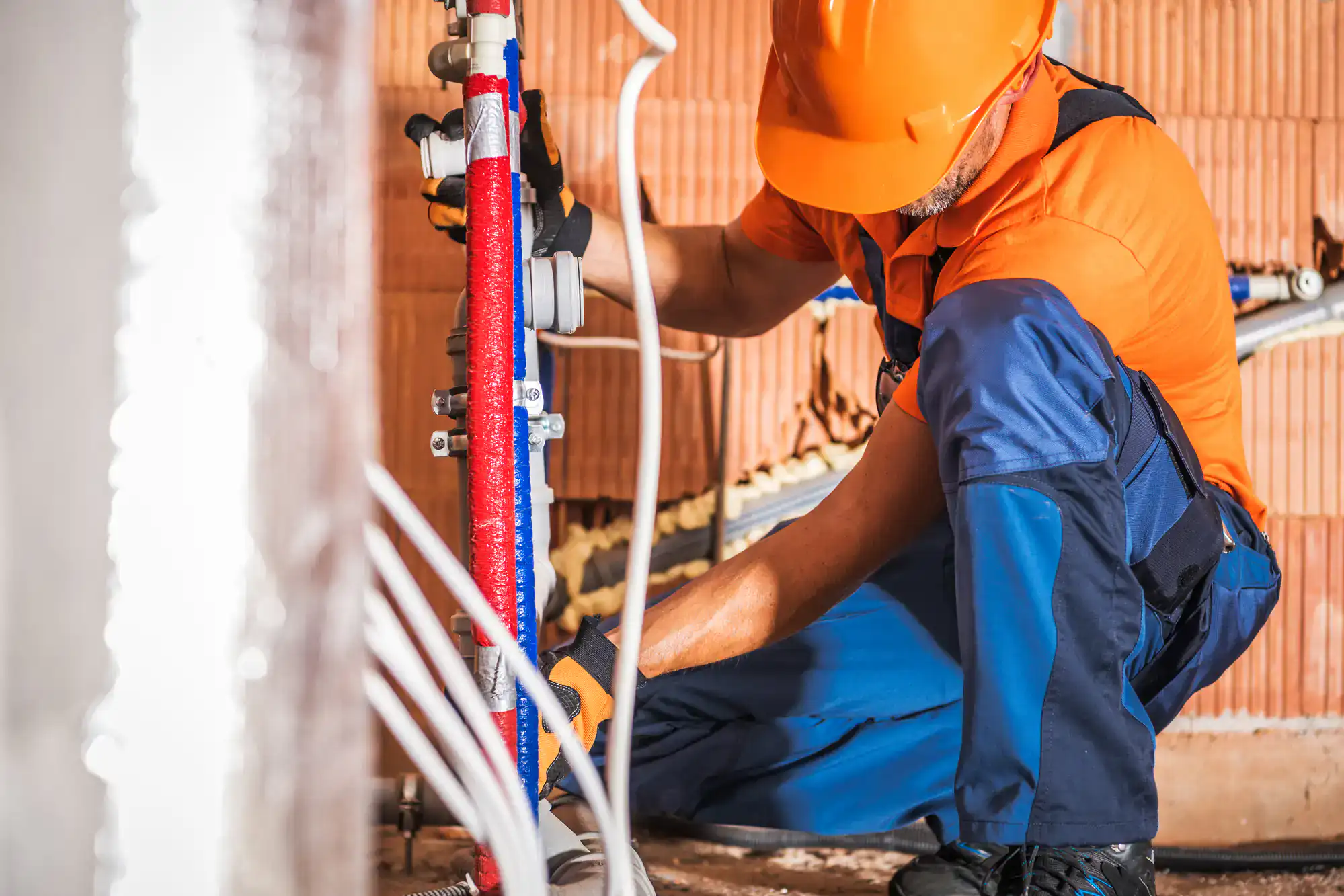
Check your pipes for markings. Kitec pipes are usually labeled with “Kitec,” “KTC,” “XPA,” or “XTRU” along the pipe itself. The pipes are typically orange or blue, and the fittings are brass.
If your home was built or renovated between 1995 and 2007, there’s a higher chance Kitec was installed. It was commonly used during that period before the recalls started in 2005. Look near your water heater, under sinks, or in your basement or crawl space where supply lines are visible.
If you’re still not sure, call us. We’ll come out and identify whether you have Kitec during a standard plumbing inspection. It’s better to know now than to find out after a pipe bursts.
The brass fittings corrode from the inside. Kitec fittings are made from a brass alloy that contains zinc. When zinc is exposed to oxygen and water, it breaks down through a process called dezincification.
As the zinc corrodes, it forms zinc oxide, which creates blockages inside the pipes. Those blockages restrict water flow and increase pressure on the pipe walls. Eventually, the pressure causes the pipe to burst—not just leak.
The problem isn’t limited to one pipe or one fitting. Once dezincification starts, it affects the entire system. That’s why patching one leak doesn’t solve the problem. The rest of your Kitec system is deteriorating at the same rate, and the next failure is just a matter of time.
You can’t really repair Kitec long-term. The fittings aren’t manufactured anymore, and Kitec pipe sizes don’t match standard plumbing fittings. That means if one section fails, you can’t just swap in a new fitting and call it fixed.
Even if you could patch it, you’d only be delaying the inevitable. Kitec systems fail at a 100% rate—it’s not a question of if, but when. Repairing one leak while leaving the rest of the system in place just means you’re waiting for the next burst.
Full replacement is the only permanent solution. It eliminates the risk entirely and gives you a plumbing system that actually works reliably. Most insurance companies and home buyers won’t accept a home with Kitec still installed, so replacement also protects your home’s value and insurability.
It depends on the size of your home and how much Kitec was installed. Smaller homes might run a few thousand dollars. Larger homes with multiple floors or extensive Kitec systems can cost tens of thousands.
The price includes more than just the plumbing. Because Kitec is often hidden behind walls or under floors, you’re also paying for access—cutting drywall, removing flooring, and then restoring those areas after the pipes are replaced. That’s where a lot of the cost comes from.
We give you an upfront estimate that covers the full scope before we start. No surprises. And in many cases, our final invoice comes in under the original quote. If you’ve already had a Kitec leak, your insurance may cover part of the replacement cost, especially if there’s documented water damage.
It depends on your policy and whether you’ve already had a failure. Most insurance companies won’t cover preventive replacement—they’ll only pay for damage caused by an actual leak or burst.
If your Kitec system has already failed and caused water damage, your insurance may cover the cost of repairs and restoration. That’s why documentation matters. We provide the photos, reports, and invoices you need to file a claim and show the damage was caused by a Kitec failure.
Some insurers are starting to refuse coverage entirely for homes with Kitec still installed. Others will cover you but at a much higher premium. Either way, replacing Kitec improves your insurability and removes a red flag that can complicate coverage or resale down the line.
Most full replacements take a few days to a week, depending on the size of your home and how much access work is required. If we need to open walls or pull up flooring to reach the pipes, that adds time.
We work as efficiently as possible to restore your water service quickly. In many cases, we can get water back on within the first day or two, even if finish work like drywall repair takes a bit longer. We coordinate the schedule so you’re not without water any longer than necessary.
The timeline also depends on permitting and inspections, which vary by local requirements in Tahoma, CA. We handle all of that so you don’t have to track down permits or schedule inspections yourself. You’ll know the full timeline upfront before we start the work.
Other Services we provide in Tahoma