
Hear from Our Customers
When a smart water leak detection system is installed correctly, you stop guessing and start knowing. You know the moment something changes in your water flow. You know if a supply line behind your washing machine starts weeping at 2 a.m. You know if a slow drip under a bathroom sink has been running for three days. That kind of awareness is what prevents a $500 repair from turning into a $15,000 insurance claim.
For East Sacramento homeowners, the stakes are higher than most. The Fab 40s, McKinley Park, the H Street bungalows these aren’t tract homes. They’re irreplaceable. Original hardwood floors, plaster walls, Craftsman millwork once water gets into those materials, you’re not just dealing with a repair bill. You’re dealing with restoration work that may never fully return what was lost.
Sacramento’s clay soil doesn’t help. It expands in winter, contracts in summer, and that constant movement puts real stress on the older pipes and slab foundations underneath these homes. A whole house leak detection system with automatic shutoff catches what you can’t see before the ground shifts enough to turn a stressed joint into a broken one.
We’ve been serving Sacramento County since 2009. Ryan Murray started the company himself, and that hands-on foundation still shows in how we do the work licensed technicians, honest estimates, and no fees just for showing up. Our California Contractor’s License #916322 is verifiable at CSLB.ca.gov if you want to check before you call.
We hold a C-36 Plumbing Contractor License, which is the specific classification California requires for the type of main-line installation work involved in a whole home water leak detection system. That matters in East Sacramento. The neighborhood sits inside the City of Sacramento’s jurisdiction, and the work needs to be done by someone who knows the code and carries the right credentials.
With a 4.7 out of 5 rating across 93 Google reviews, the feedback is consistent: we show up on time, we quote it straight, and more than a few customers have noted the final bill came in under what was originally estimated. That’s not an accident it’s how we run the business.
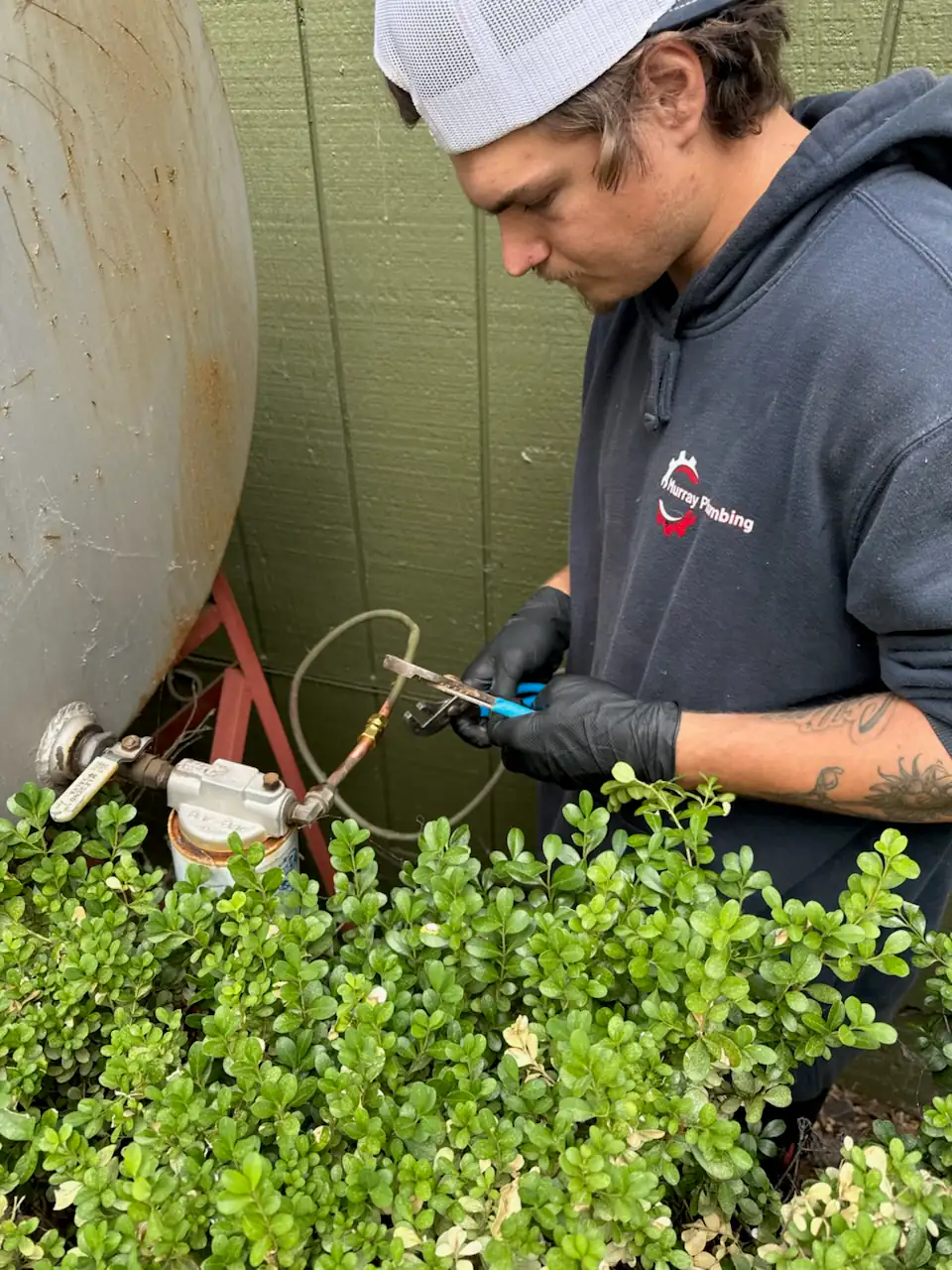
It starts with a call and a free estimate. One of our licensed plumbers will assess your home’s main water supply line its diameter, its current condition, and the right placement for the detection system. In most East Sacramento homes, that means working with older copper or galvanized steel lines, so the assessment isn’t just a formality. It tells you exactly what you’re working with before anything is touched.
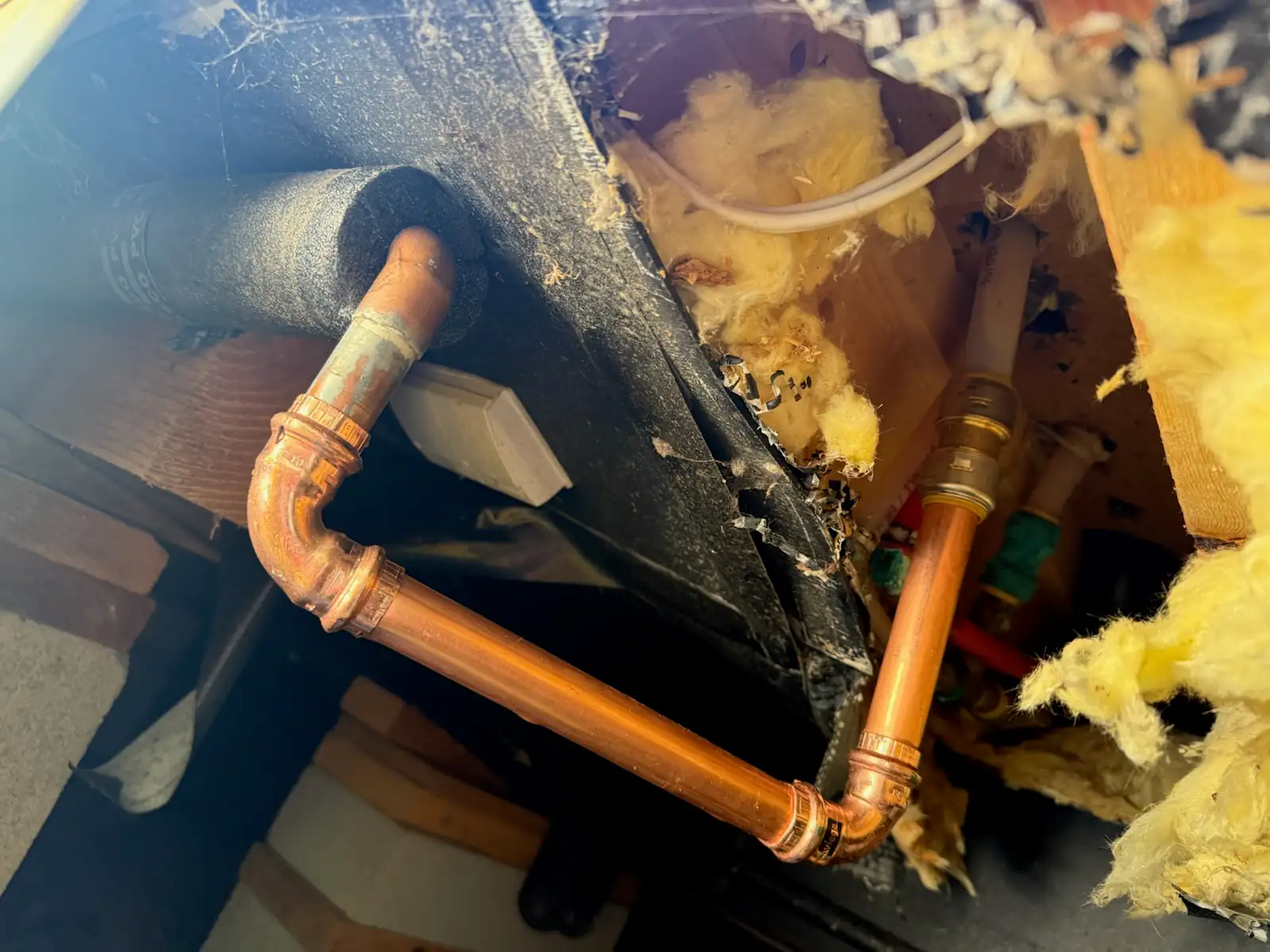
Once the system is sized and placed correctly after the water meter and before your pressure regulating valve installation begins. For a whole house smart shutoff system like the Moen Flo, this involves cutting into the main supply line, fitting the device, and making sure the connection is clean and secure. Because many homes in the 95819 ZIP code were built in the 1940s or earlier, our plumber will also flag any adjacent pipe conditions worth addressing while access is already open.
After the hardware is in, the work isn’t done. We handle app setup, alert configuration, and a hands-on walkthrough of the remote shutoff feature. You leave knowing how to use it not figuring it out later on your own. The system is tested before we leave, and if anything looks off, it gets fixed on the spot.
Ready to get started?
This isn’t a drop-the-device-and-go service. Water leak detector installation through Murray Plumbing covers the full scope: line assessment, correct sizing, main-line installation, app setup, alert configuration, system testing, and a walkthrough so you actually understand what you have. Every step is handled by a licensed C-36 plumber not a handyman, not a subcontractor.
For East Sacramento specifically, that full-scope approach matters more than it might in a newer neighborhood. Homes along the Fab 40s corridor and throughout McKinley Park often have layered plumbing histories original galvanized lines, mid-century copper updates, and modern fixtures all living in the same walls. A proper installation accounts for that. The system gets placed where it will actually perform, not just where it’s easiest to reach.
Point-of-use sensors the battery-powered units you place under sinks or behind appliances are also available for targeted coverage in specific rooms. These don’t require a permit and can be added to any room in the home. For homeowners who travel during Sacramento’s long summers and want coverage on multiple fronts, combining a whole house shutoff system with individual room sensors is the most complete protection available. Service calls start at $175, and estimates on full installations are always free.
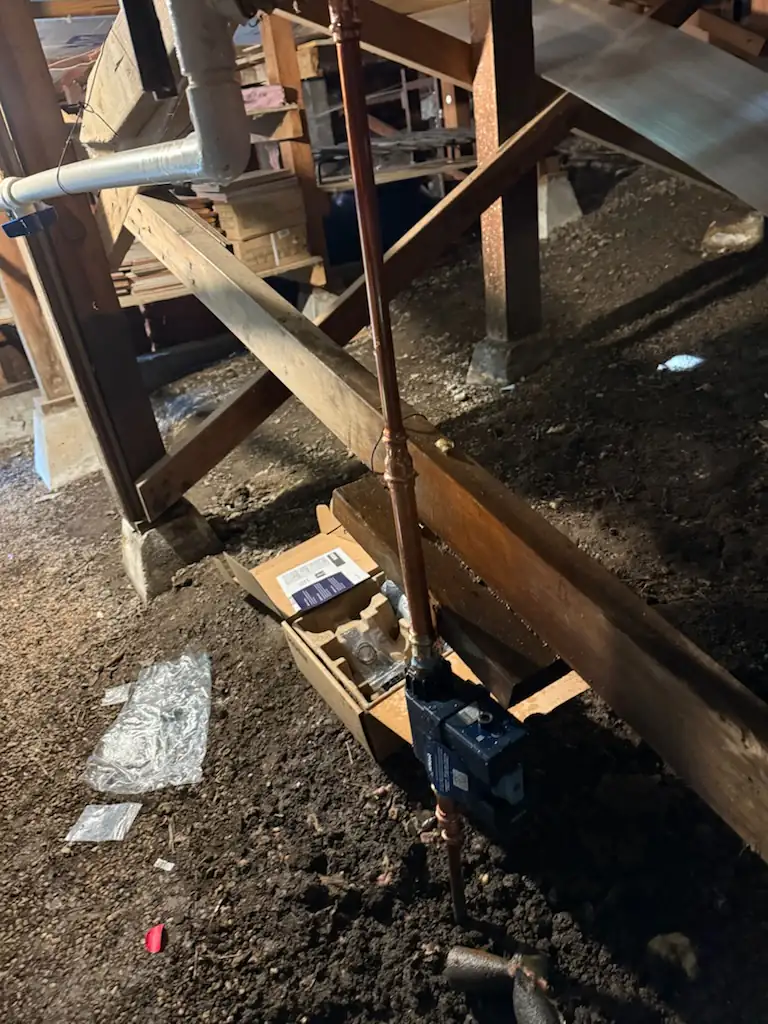
If your home was built before 1960 which covers the majority of East Sacramento’s housing stock then yes, the risk profile is real. Original galvanized steel lines have a service life of roughly 20 to 50 years, and many of those pipes are well past that window. Even homes that were repiped in the 1970s or 1980s now have copper lines that are 40 to 50 years old, which puts them squarely in the range where pinhole leaks and joint failures start happening.
The issue with older homes isn’t just pipe age it’s visibility. A slow leak behind a plaster wall or under a slab can go undetected for months. By the time you see a stain on the ceiling or notice warped flooring, the water has already been there long enough to cause serious structural damage. A smart water leak detection system catches the anomaly in your water flow before it ever reaches that point, giving you a chance to respond before the damage compounds.
The cost depends on what type of system you’re installing and the condition of your existing plumbing. For a whole house smart shutoff system installed on the main supply line the kind that monitors your entire home and shuts off automatically when it detects a problem you’re typically looking at the cost of the device itself plus the labor for a licensed plumber to cut into the main line, fit the system, and set everything up. Service calls at Murray Plumbing start at $175, and estimates on full installations are free with no fee just for showing up.
Point-of-use sensors, which sit under sinks or behind appliances and alert you to moisture in a specific area, are significantly less expensive and don’t require main-line work or a permit. Many East Sacramento homeowners use both a whole house system for automatic shutoff and individual sensors in rooms with older fixtures or appliances. The combination gives you layered coverage without relying on a single point of detection.
Many insurance carriers offer a 5% to 10% discount on homeowners insurance premiums when a qualifying smart water detection system is installed. Whether your specific carrier participates and which devices they accept will depend on your policy, so it’s worth a direct call to your agent before you purchase a system.
For East Sacramento homeowners, this discount carries more weight than it might elsewhere. With a median home value around $753,500 and homes in the Fab 40s regularly appraising between $1 million and $3 million your insurance premiums are likely higher than average. A 5% to 10% reduction on a substantial annual premium adds up quickly, and in many cases the savings over two to three years will offset the full cost of professional installation. It’s one of the few home upgrades that actually pays you back on a predictable timeline.
That’s actually one of the strongest use cases for an automatic water shutoff system. Sacramento summers regularly push past 100 degrees Fahrenheit, and the heat puts real stress on water heaters, appliance supply lines, and older pipe connections. If something fails while your home is unoccupied a washing machine hose, a water heater pressure valve, a corroded fitting under a sink the water runs until someone notices. In a vacant home during a Sacramento summer, that could be days.
A whole house leak detection system with automatic shutoff doesn’t wait for you to notice. The moment it detects an abnormal flow pattern, it shuts off the main water supply remotely, automatically, whether you’re at Tahoe for the weekend or traveling internationally. You also get an alert on your phone so you know exactly what triggered it. For a home in East Sacramento where original woodwork and hardwood floors are part of what you paid for, that level of protection during extended absences is essential.
These are two different services that often get confused. Leak detection is the diagnostic process a plumber uses acoustic equipment, thermal imaging, or pressure testing to find an existing leak that’s already happening somewhere in your home. It’s reactive. You already have a problem, and you need to find it.
Leak detector installation is preventive. A device is installed on your plumbing system either on the main supply line or at specific points throughout the home to monitor water flow continuously and alert you the moment something abnormal is detected. Some systems, like the Moen Flo, can also shut off your water automatically without any action on your part. For East Sacramento homeowners dealing with aging infrastructure and Sacramento’s clay soil movement, the preventive approach is what keeps a manageable situation from becoming a major one. We handle both services, so if a leak is found during the installation assessment, it can be repaired in the same visit.
It depends on the scope of the installation. Point-of-use sensors the battery-operated units placed under sinks or behind appliances don’t involve any pipe work and don’t require a permit. You can add as many of those as you want throughout your home without any additional approval.
Whole house shutoff systems are a different story. Because they require cutting into the main supply line, they fall under the City of Sacramento’s plumbing code requirements, and whether a permit is required depends on the specific scope of the work and whether any pipe modification is involved. A licensed C-36 plumber will know exactly what’s required before the job starts and will handle the permitting process if it applies. This is one of the reasons it matters that your installer holds the right California contractor’s license. We carry CA License #916322, verifiable at CSLB.ca.gov, which satisfies the licensing requirement for this type of work within Sacramento city limits.
Other Services we provide in East Sacramento