
Hear from Our Customers
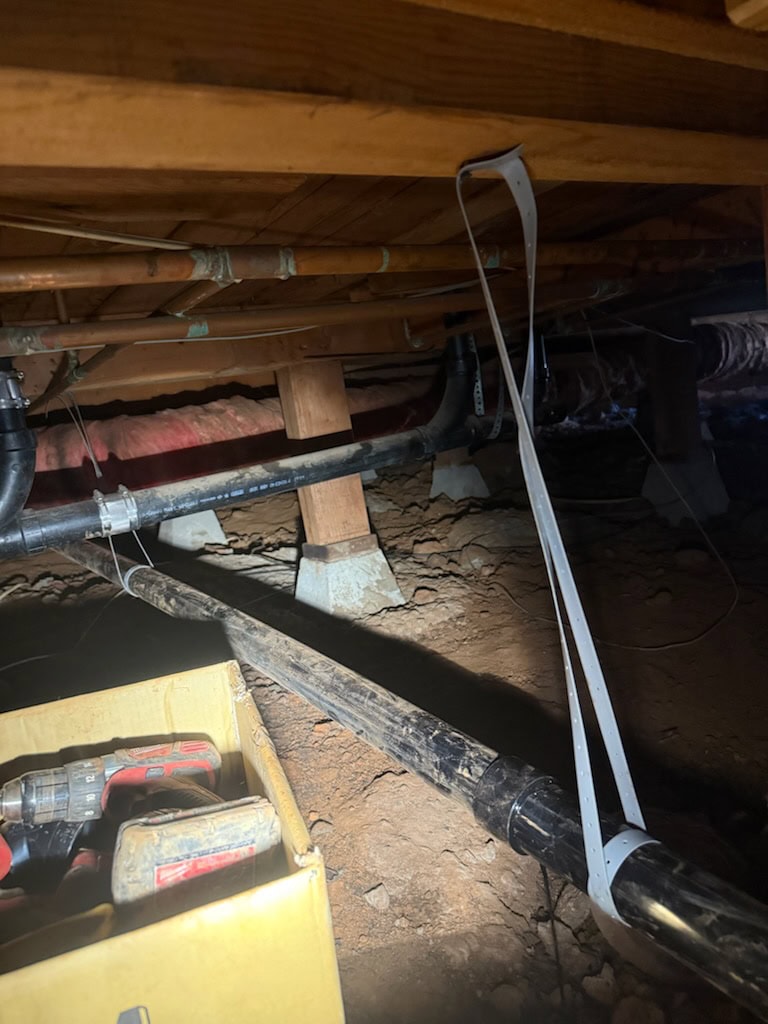
You already know Kitec is a problem. The question isn’t if it’ll fail—it’s when. And when it does, you’re not dealing with a small leak. Kitec pipes burst completely, flooding rooms and causing thousands in water damage.
Replacing kitec plumbing means you can finally stop checking for wet spots on your ceiling. Your insurance company stops treating your home like a liability, which means no more inflated deductibles or coverage denials. If you’re planning to sell, buyers won’t walk away or demand price cuts the moment their inspector spots orange and blue piping.
Sacramento’s hard water makes this worse. Sediment builds up faster here, creating pressure points that weaken pipe walls. Add in our temperature swings—over 100°F in summer, then sudden drops—and you’ve got constant expansion and contraction stressing every joint. That’s why Kitec fails faster in Sacramento than in milder climates.
Once you replace Kitec pipes in Sacramento, you get better water pressure, cleaner-tasting water, and actual peace of mind. You’re not wondering if today’s the day. You’re just living in your home.
We’ve been handling residential and commercial plumbing across Sacramento County and El Dorado County since the late ’90s. We were around when Kitec was still being installed, and we’ve been ripping it out ever since it started failing.
We’re a family-owned company, licensed and insured, with a 4.7-star Google rating based on 93 reviews. People call us because we show up when we say we will, we price things fairly upfront, and we don’t disappear after the check clears. Some of our customers have told us the final bill came in lower than the estimate—that’s not a marketing line, that’s just how we operate.
If your pipes burst at 2 a.m., we answer. If you need a straight answer about whether you actually need a full repipe or just a repair, we’ll tell you. We’ve seen enough Kitec disasters in Folsom, Roseville, Rocklin, Elk Grove, and Natomas to know what’s coming if you wait.
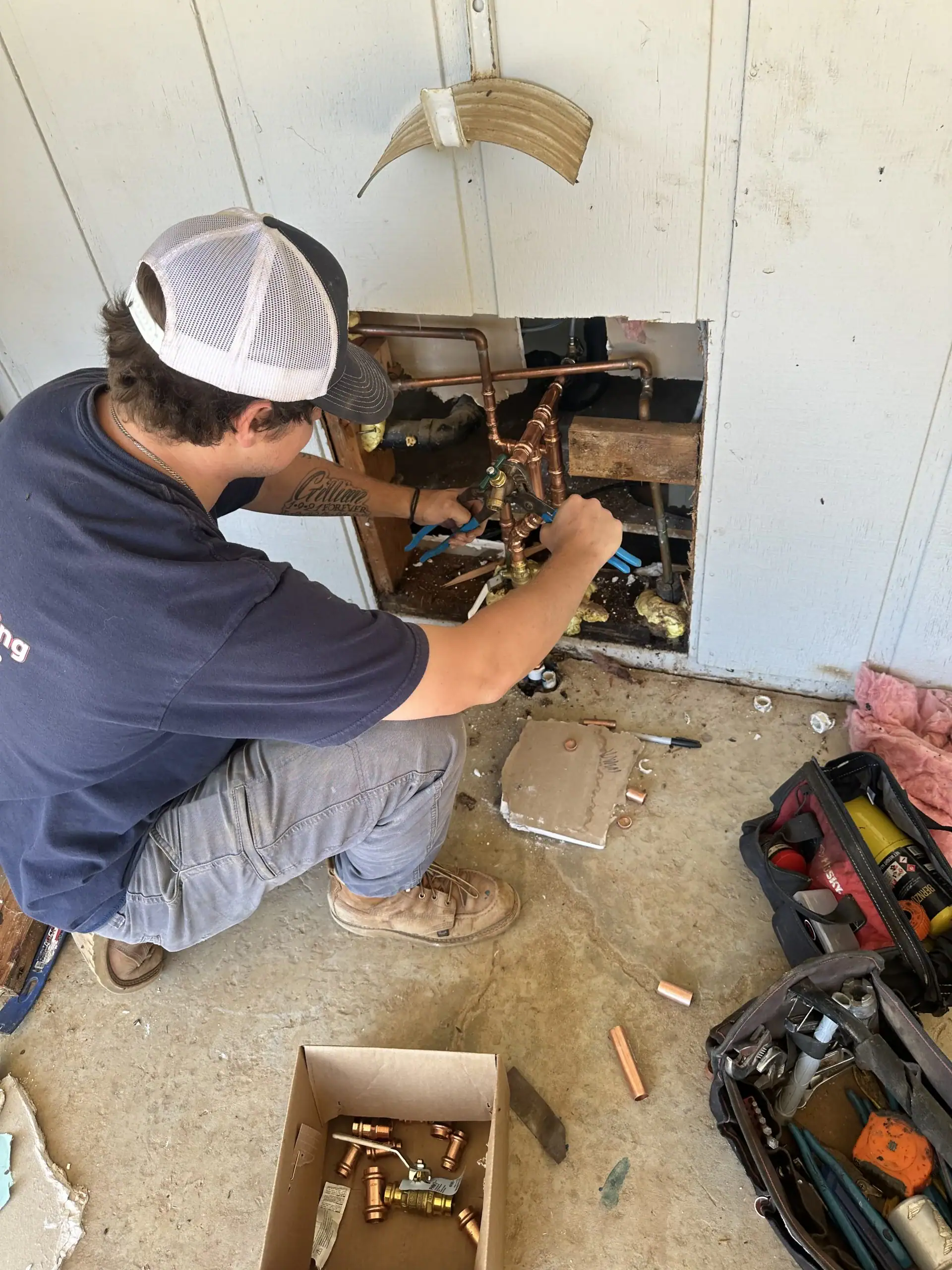
First, we come out and assess your system. We’re looking at how much Kitec you have, where it runs, and what access points we’ll need. You get a written estimate before we touch anything—no diagnostic fees, no surprises.
Once you’re ready to move forward, we schedule the work. Most kitec plumbing replacement jobs in Sacramento take a few days, depending on your home’s size and layout. You can stay in the house while we work. We’re not tearing down walls unless we absolutely have to, and when we do, we patch them back up.
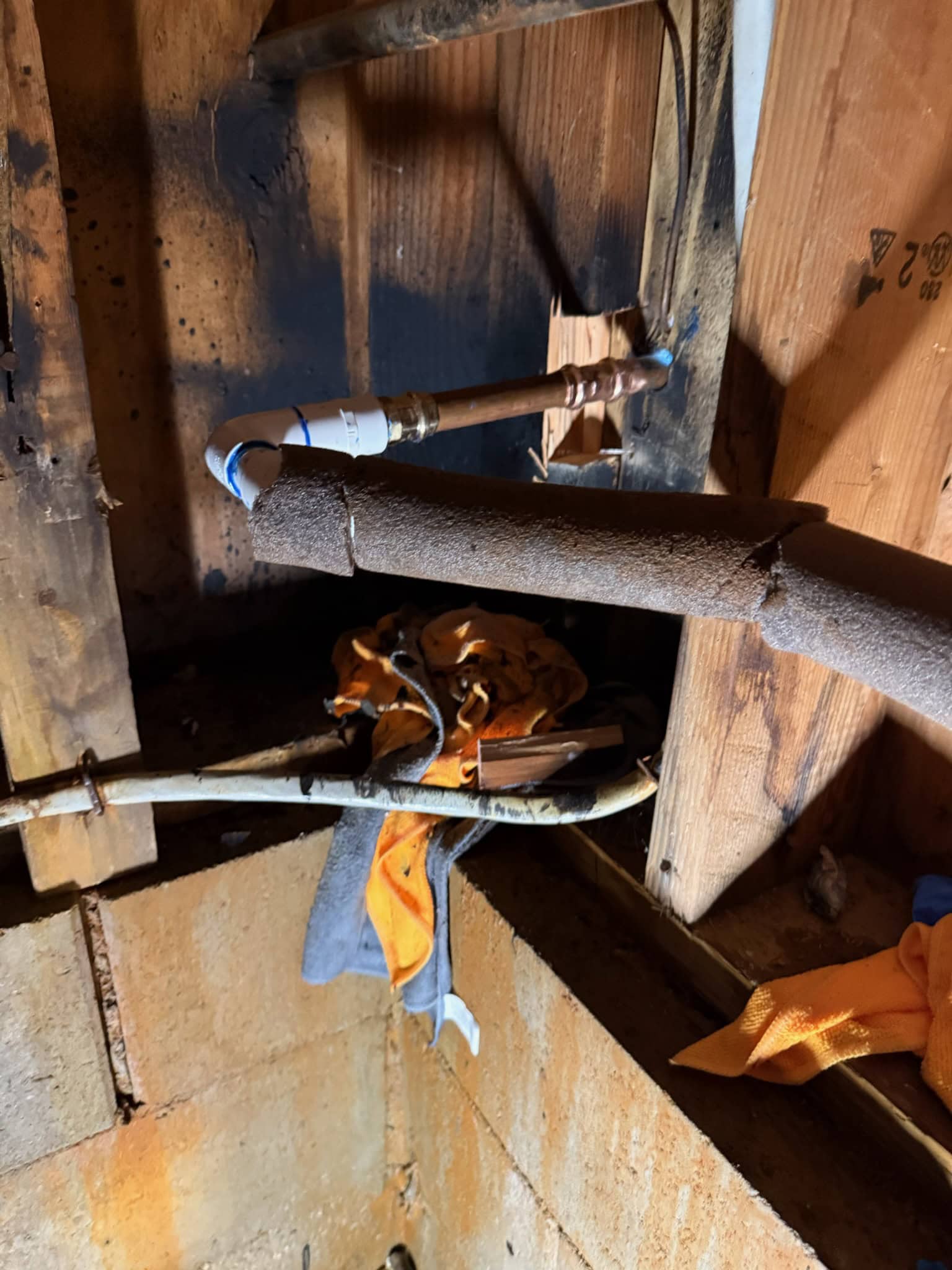
We remove all the Kitec—every inch of that orange and blue piping—and replace it with heavy-grade Type L copper. That’s the thicker, USA-made copper that’s built to last decades, not the thin stuff some contractors use to cut costs. We pressure-test everything before we call it done.
After the install, you’ll notice the difference immediately. Water pressure improves. That metallic taste goes away. And you’re not lying awake wondering if tonight’s the night your pipes let go.
Ready to get started?
This isn’t just swapping out a few sections of pipe. We’re doing a full system replacement—hot and cold lines, from your water heater to every fixture in your home. That means your sinks, showers, toilets, washing machine, dishwasher, and any outdoor spigots all get new supply lines.
In Sacramento, most one-to-three-bedroom homes run between $5,000 and $30,000 for a complete Kitec replacement, depending on square footage and how the plumbing is routed. If your home has a slab foundation, costs run higher because we’re working around concrete. Homes with crawl spaces or basements are usually more straightforward.
We use Type L copper throughout—not PEX, not Type M copper, not whatever’s cheapest that week. Type L is thicker and handles Sacramento’s water conditions better over the long haul. It’s also what most inspectors and insurance companies want to see if you’re selling or refinancing.
You’ll also get documentation of the work. That matters when you’re dealing with insurance claims, home sales, or just proving to yourself that the job was done right. Some insurance companies will even help cover the cost—worth checking with your underwriter before you assume you’re paying for everything out of pocket.
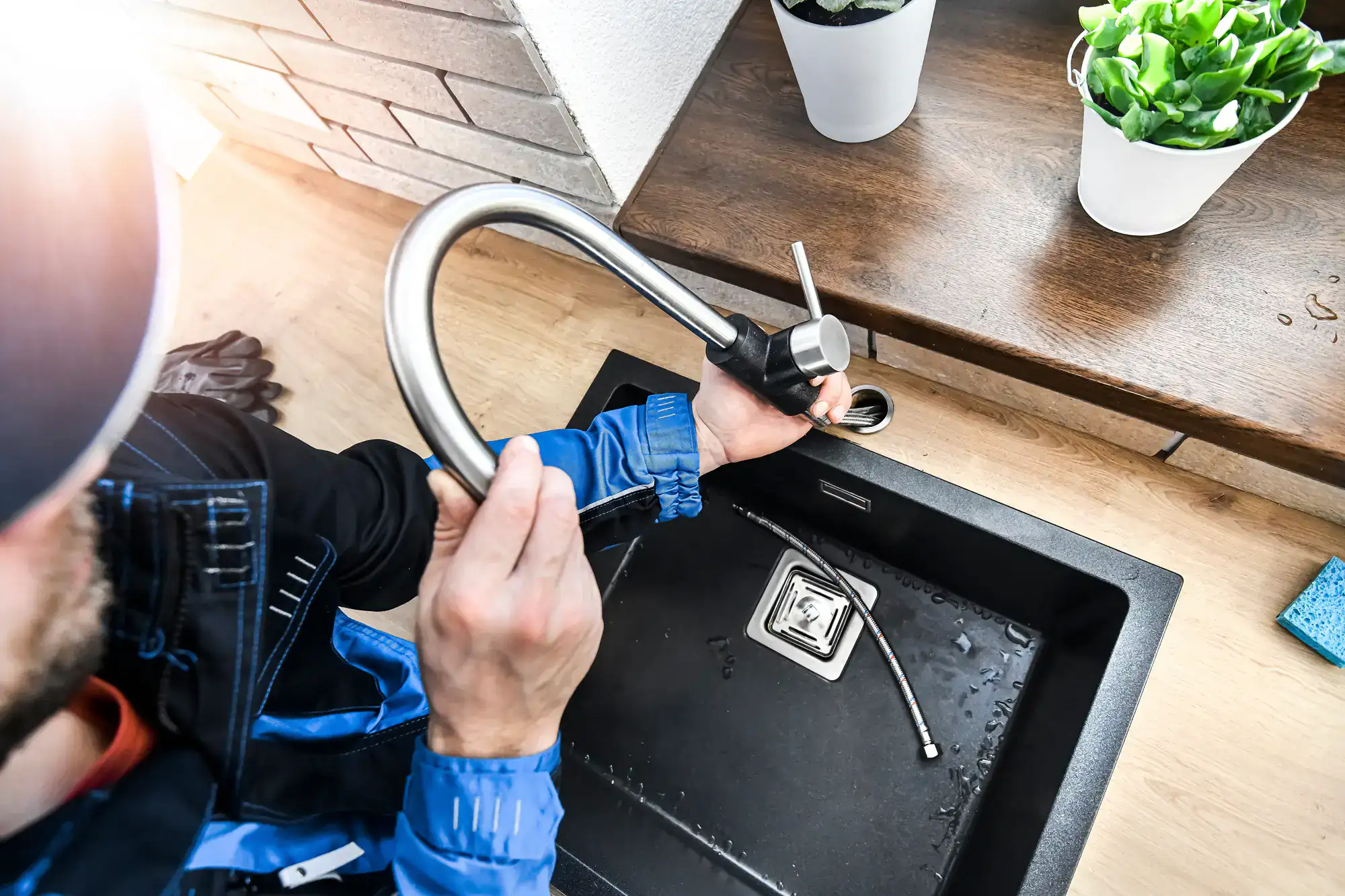
Most homes take between two and five days, depending on size and layout. A smaller home with easy access to plumbing lines goes faster. Larger homes, or homes where pipes run through finished walls and ceilings, take longer because we’re working carefully to minimize damage.
You can stay in your home during the work. We’ll need to shut off water at certain points during the day, but we’ll coordinate with you so you’re not left high and dry. By the end of each day, we’ll make sure you have running water for basic needs.
If we run into surprises—like old galvanized pipes mixed in with the Kitec, or structural issues behind walls—we’ll let you know immediately and talk through options before moving forward. No one likes mid-project surprises, but transparency beats finding out after the fact.
For most Sacramento-area homes, you’re looking at $5,000 to $30,000. That’s a wide range because every home is different. A 1,200-square-foot house with a straightforward plumbing layout costs less than a 3,000-square-foot home with multiple bathrooms and complex routing.
Slab foundations cost more because accessing pipes is harder. Crawl spaces and basements make the job easier and usually cheaper. If you’ve got a two-story home, expect costs on the higher end because we’re running new lines vertically and horizontally.
We give you a written estimate before we start, and we don’t tack on hidden fees halfway through. If something changes, we talk to you first. Some homeowners have also had luck getting partial coverage from their insurance company, especially if there’s already been a Kitec failure or leak. Worth asking your insurer before you assume you’re covering the whole bill yourself.
Sometimes. It depends on your policy and your insurance company. Some insurers will cover replacement costs if you’ve already had a Kitec failure that caused damage. Others won’t cover the replacement itself but will cover the water damage that results from a burst pipe.
Here’s the catch: many insurance companies in California now charge higher deductibles for homes with Kitec, or they’ve started denying coverage altogether. Once you replace the Kitec, those penalties go away. Your premiums might drop, and you’ll have full coverage again instead of dealing with carve-outs and exclusions.
Before you start the project, call your insurance company and ask directly. Get it in writing if they say they’ll cover part of the work. If they won’t cover it now, ask what happens to your rates and coverage after you replace the Kitec. That answer alone might be worth the investment.
Sacramento’s water and climate both play a role. Our water is moderately hard, which means more mineral buildup inside pipes. That sediment creates pressure points and weak spots that accelerate deterioration, especially in a system that’s already defective by design.
Then there’s temperature. Kitec was rated for a maximum of 180°F, but many water heaters exceed that. In Sacramento, where summer temps regularly hit 105°F or higher, attic-mounted water heaters and exposed pipes get even hotter. When you combine high heat with sudden temperature drops at night, the pipes expand and contract repeatedly. That weakens joints and fittings faster than in climates with steadier temperatures.
Kitec started failing around 2005—about ten years after the first installations. If your home was built in the late ’90s or early 2000s, you’re past the failure window. If it was built closer to 2007, you’re in it now. Either way, the clock’s ticking.
You can, but you’re just buying time. Kitec’s problems aren’t isolated to one section—they’re systemic. The fittings, the pipe material, the way it reacts to heat and pressure—all of it is flawed. If one section failed, the rest is under the same stress and will fail soon.
Patching a leak might get you another year or two, but you’ll be back in the same spot, probably with worse damage because the next failure could happen when you’re not home. Insurance companies know this, which is why they’re not interested in covering homes with partial Kitec systems. They want it gone completely.
A full replacement also means you’re not mixing old, failing pipe with new materials. You get a uniform system that’s built to last, and you’re done worrying about it. Piecemeal fixes just stretch out the problem and often cost more in the long run when you factor in multiple service calls and water damage.
We use Type L copper—the thicker, heavy-grade copper that’s made in the USA and built for long-term residential use. It’s more durable than Type M copper, which is thinner and more prone to pinhole leaks over time, especially in areas with hard water like Sacramento.
Type L handles pressure better, lasts longer, and meets the stricter standards that most inspectors and insurance companies expect. It’s also what we’d install in our own homes, which is the standard we hold for every job.
Some contractors will try to sell you on PEX or cheaper copper to save money. PEX has its place, but for a full-home repipe replacing a recalled system, we’re going with the material that has the longest proven track record. You’re already replacing your plumbing once—might as well do it with something that won’t need replacing again in your lifetime.
Other Services we provide in Sacramento