

Hear from Our Customers
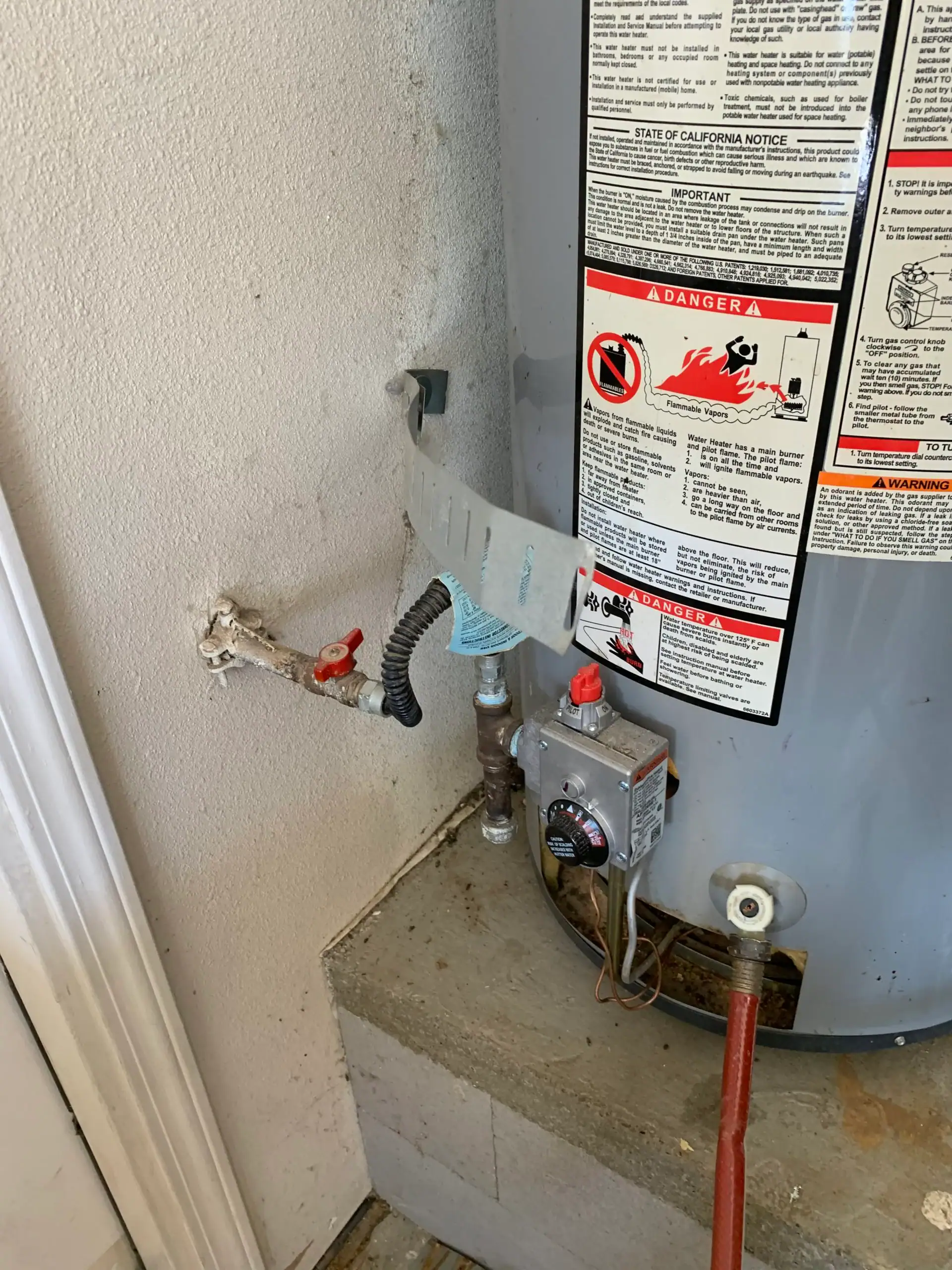
You stop wondering what happens to your gas lines if the ground moves. That’s not a small thing especially in Colfax, a foothill community sitting above the Foothills Fault System, a network of faults that runs through the western Sierra Nevada and can amplify ground shaking in ways that flat valley communities simply don’t experience. The risk here isn’t the same as Sacramento or Roseville. It’s different geology, and it deserves a direct answer.
For Colfax homeowners specifically, that answer matters twice over. The Sierra Nevada foothills carry both seismic risk and wildfire risk, and insurers are paying attention to both. If you’ve received a renewal notice lately that made you look twice, you’re not imagining it. Carriers tightening underwriting in fire-hazard zones are asking about gas safety features at the same time and a permitted, documented seismic valve installation is one of the clearest ways to show your home is protected.
Beyond insurance, there’s the practical reality of living at 2,400 feet in Colfax. If a valve trips in January and you’re without gas, that’s not a minor inconvenience it’s a heating emergency. Getting the installation right the first time, with the right valve and a clear understanding of what to do if it ever triggers, means you’re prepared instead of scrambling.
We hold California C-36 License #916322 the specific classification required by state law for gas line and seismic valve work. You can verify it yourself at cslb.ca.gov in about thirty seconds. That’s not a marketing claim. It’s a public record, and in Colfax where contractor reputations travel fast, it matters.
Ryan Murray founded the company in 2009, and we’ve been serving homeowners across the Sacramento region and the Placer County foothill corridor ever since. Whether your property is inside Colfax city limits where permits run through the City of Colfax building department or out in the surrounding unincorporated areas of Placer County, we handle the process correctly from start to finish.
With a 4.7 out of 5 rating across 93 Google reviews, the feedback is consistent: on time, honest about pricing, no surprises on the invoice. That’s the standard on every job, whether it’s a straightforward installation near the I-80 corridor or an older Victorian-era home in Colfax’s historic downtown district.
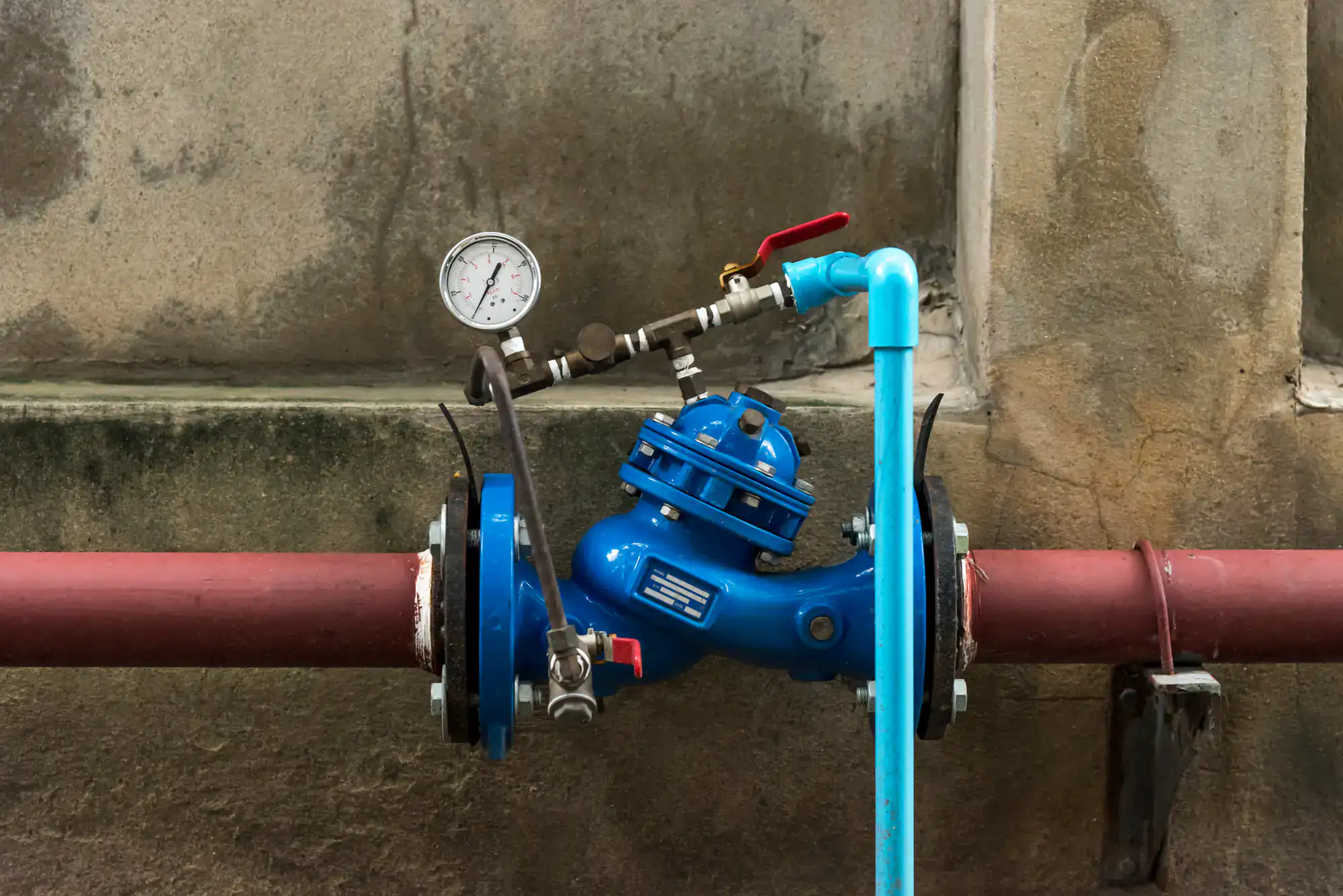
It starts with a free pre-installation assessment. Before any money changes hands, a licensed plumber evaluates your gas meter configuration, confirms the right valve size, and gives you a clear price range. For most Colfax homes, that lands between $400 and $650 all-in valve, labor, permit fees, and written documentation included. If your situation falls outside that range, you’ll know why before work begins, not after.
Colfax has a meaningful concentration of pre-1980 homes, including properties with original gas line configurations that haven’t been touched in decades. Victorian-era and railroad-era homes in the historic downtown sometimes have unusual meter setups or corroded piping near the meter that affects how the installation goes. The assessment catches those details upfront so nothing catches you off guard.
Once the scope is confirmed, we pull the permit through the City of Colfax building department for properties within city limits, or through Placer County Building Services for unincorporated addresses. The valve gets installed, the inspection is scheduled, and you receive written documentation of the completed work. That paperwork is what satisfies your insurance company, what gets disclosed in a real estate transaction, and what proves the job was done to code. The installation itself typically takes around two hours. The record it creates lasts as long as you own the home.
Ready to get started?
Every installation uses a DSA-certified seismic shut-off valve that’s the California Division of the State Architect standard, which is the specific certification that satisfies permit requirements, insurance documentation, and real estate disclosure obligations in this state. Not every valve on the market meets that standard, and the difference matters more than most homeowners realize until they need to prove the work was done correctly.
One question that comes up often for homes near the I-80 corridor in Colfax is whether the valve will trip from heavy truck traffic. It’s a fair concern freight on that stretch of interstate is constant and the vibration is real. DSA-certified valves are calibrated to trigger at 0.2g of horizontal ground acceleration, which is well above what passing trucks generate. A properly selected and properly installed valve won’t give you false alarms. That’s exactly why valve selection and installation quality aren’t interchangeable and why buying something cheap online and calling a handyman isn’t the same thing as what we do.
What you get from us is a complete installation: the right valve for your meter configuration, a permit on record with the appropriate local authority, a final inspection, written documentation, and a walkthrough of what to do if the valve ever triggers. That last part knowing not to reset the valve yourself after an earthquake until a licensed plumber confirms your lines are intact is something most installers skip entirely. We don’t.
If your home runs on natural gas and was built before 1980, there’s a very good chance it has no seismic shut-off valve at all. That describes a significant portion of Colfax’s housing stock from the Victorian-era properties in the historic downtown district to mid-century homes on larger foothill lots. These homes were built long before seismic safety codes required this equipment, and the original gas line infrastructure near the meter has often never been updated.
Colfax also sits above the Foothills Fault System, which is a different seismic risk profile than most people assume. You don’t need to be near the San Andreas to have real exposure. The fault network beneath the western Sierra Nevada foothills has its own history, and the bedrock geology in this region can amplify ground shaking from moderate events in ways that flat valley communities don’t experience. Combine that with the fact that the 1994 Northridge earthquake alone caused over 14,000 gas leaks and more than 50 structure fires, and the case for installation becomes straightforward not alarmist, just honest.
For most residential installations in Colfax, the all-in cost runs between $400 and $650. That covers the DSA-certified valve, labor, permit fees, and written documentation. There’s no separate line item that appears after the fact what you’re quoted before the job starts is what you pay.
The one factor that can push a job toward the higher end of that range is the condition and configuration of the gas meter and surrounding piping. Older homes in Colfax particularly those in the historic downtown or on larger foothill properties sometimes have original infrastructure that requires additional work before the valve can be properly installed. That’s exactly why the free pre-installation assessment exists. It’s not a sales call. It’s a real evaluation of your specific meter setup so the quote you get is accurate, not a lowball number that grows once work starts. Our reviews consistently note that final invoices come in at or below the original estimate that’s not an accident, it’s how the process is designed.
This is one of the most common questions from homeowners in the Colfax I-80 corridor and properties near the I-80 interchange, and it’s a completely reasonable concern. Freight traffic on that stretch of interstate is heavy and consistent the vibration from passing semis is noticeable, and nobody wants a valve that shuts off their gas every time a loaded truck rolls by.
DSA-certified seismic valves are engineered to trigger at 0.2g of horizontal ground acceleration. That’s a specific, measurable threshold and it’s well above the vibration levels generated by normal truck traffic on I-80. A properly selected, properly installed DSA-certified valve distinguishes between road vibration and actual seismic ground movement. This is one of the clearest reasons why valve selection matters. A cheap valve purchased online without professional guidance may not be calibrated to the same standard, which is how you end up with either false trips or a valve that doesn’t satisfy your insurance company’s documentation requirements.
Yes, and any licensed plumber doing this work correctly will pull one before touching your gas line. In California, gas line work requires a building permit and a final inspection that’s state law, and it applies in Colfax the same as anywhere else. What’s specific to this area is the jurisdiction question: properties within Colfax city limits go through the City of Colfax building department, while homes in the surrounding unincorporated areas fall under Placer County Building Services. The permit office is different depending on your address.
This matters more than it might seem. The permit creates a legal record of the installation who did the work, when it was done, what valve was installed, and that it passed inspection. That record is what your insurance company wants to see, and it’s what has to be disclosed when you sell the home. A contractor who skips the permit process is saving themselves a few hours of paperwork and creating a compliance problem that lands entirely on you. We handle permitting as standard practice on every installation, not as an add-on.
The first thing to understand is that you should not reset the valve yourself after an earthquake. The valve tripped for a reason it detected ground movement above the threshold and resetting it before a licensed plumber confirms your gas lines are undamaged can allow gas to flow into a compromised system. That’s a serious safety risk, and it’s one that’s easy to avoid by knowing the protocol before an event happens.
In Colfax, this matters more urgently in winter than in most other communities we serve. At roughly 2,400 feet elevation, temperatures regularly drop below freezing from November through March. No gas means no heat, and that’s not a situation you want to be figuring out in real time at 10pm in January. The right move is to call a licensed plumber, have the lines inspected, confirm there’s no damage, and then have the valve properly reset. We offer 24/7 emergency availability including same-day response for Colfax specifically because post-event calls don’t come in during business hours.
In California, gas line work legally requires a C-36 plumbing contractor license. That’s not a general contractor license, not a handyman registration, and not a home warranty technician authorization it’s a specific classification issued by the California State License Board for plumbing work that includes gas lines. You can verify any contractor’s license at cslb.ca.gov before you commit to anything.
This distinction matters in a practical way for Colfax homeowners. Because the town has a smaller pool of local plumbing contractors than a larger metro area, it’s not uncommon for homeowners to get quotes from people who aren’t properly licensed for this specific type of work. The installation might look fine on the outside, but if it wasn’t done by a C-36 licensee and permitted through the correct building department City of Colfax or Placer County depending on your address it won’t satisfy your insurance company’s documentation requirements and it won’t hold up at resale. We hold C-36 License #916322, pull permits on every job, and provide written documentation of the completed installation. That’s what a compliant, insurable, and legally defensible installation looks like.
Other Services we provide in Colfax