
Hear from Our Customers

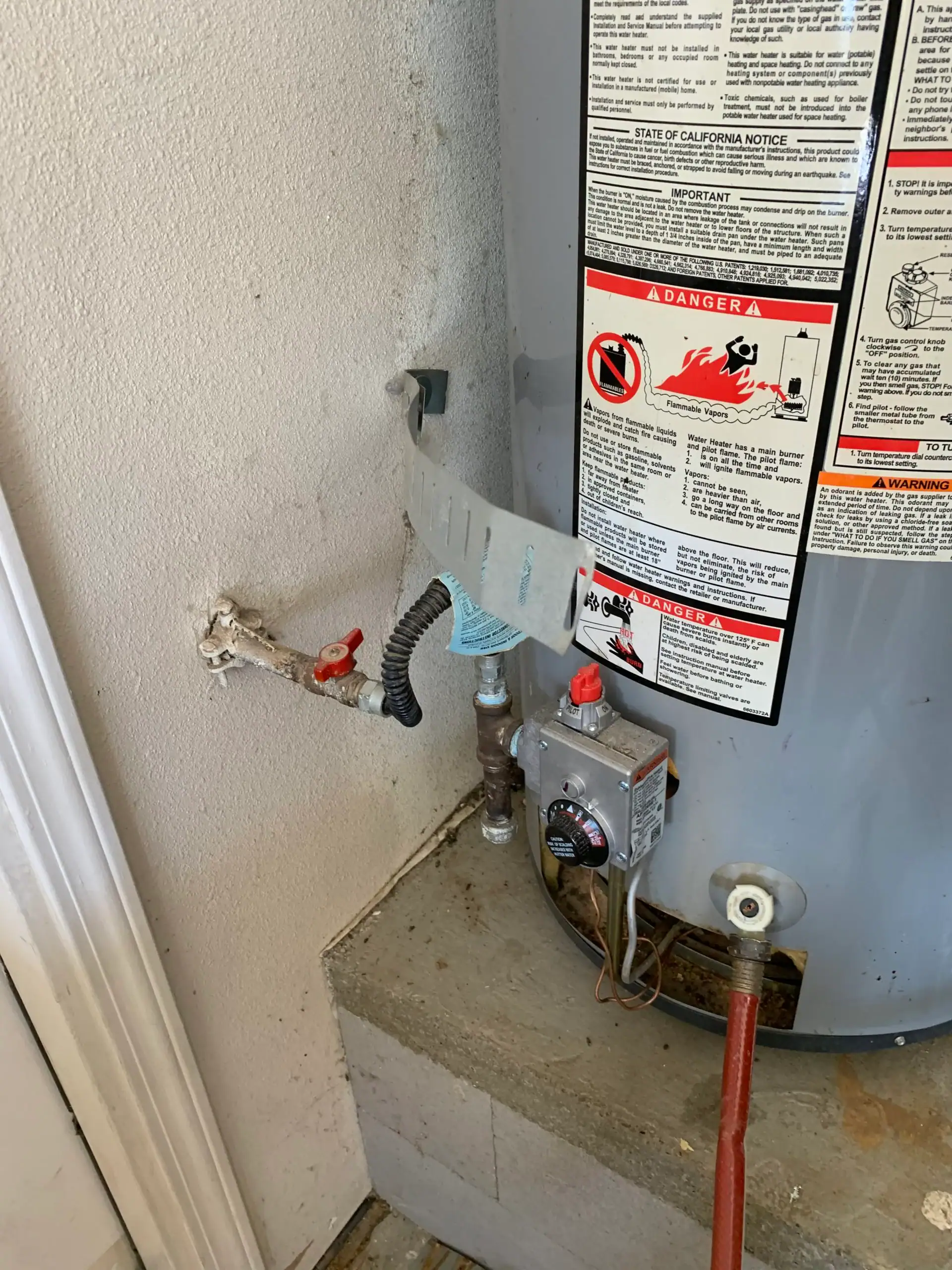
When an earthquake trips your shut-off valve, gas stops flowing before it reaches a broken line, an open connection, or an ignition source. That’s the whole point. It doesn’t require power, it doesn’t need you to be home, and it doesn’t wait for you to smell something wrong. It just works automatically, the moment ground motion crosses a threshold.
For Sacramento homeowners, this matters more than most people realize. A significant portion of Sacramento including neighborhoods like Natomas, the historical core near Midtown, and areas along both the Sacramento and American Rivers sits on alluvial sediment. That’s the same loose, water-saturated soil type that liquefied in the 1989 Loma Prieta earthquake. Liquefaction doesn’t have to crack your walls to stress your gas lines. It shifts the ground underneath them, and that’s enough.
Older homes in Curtis Park, Land Park, and East Sacramento add another layer to this. Many of those homes were built in the 1930s and 1940s with gas infrastructure that’s never been fully updated. Aging pipe connections in liquefaction-prone soil is a specific, local combination that makes a seismic shut-off valve less of an optional upgrade and more of a straightforward safety decision. When your valve is installed correctly and permitted through the city, it also becomes a documented asset something your insurer and your future buyer will both want to see.
We’ve been doing this work in the Sacramento area since 2009. Ryan Murray founded the company, and his California C-36 license #916322 is the specific classification required by state law to work on gas piping systems, including seismic valve installation. That number is public record. You can look it up at cslb.ca.gov in about 30 seconds, and it’ll tell you exactly what it covers.
The C-36 license matters here because not every contractor quoting this job is authorized to do it. Gas line work in California requires this specific classification not a general contractor license, not a handyman registration. When you hire someone without it, the permit won’t hold up, and neither will your insurance documentation.
We serve Sacramento and the surrounding communities, from the older neighborhoods near Land Park and Curtis Park to the newer developments in Natomas. Our team knows Sacramento’s permit process through the City’s Community Development Department, understands what PG&E requires on their end, and has handled installations across a wide range of home ages and gas configurations. Our 4.7-star rating across 93 reviews reflects consistent work not a handful of good days.
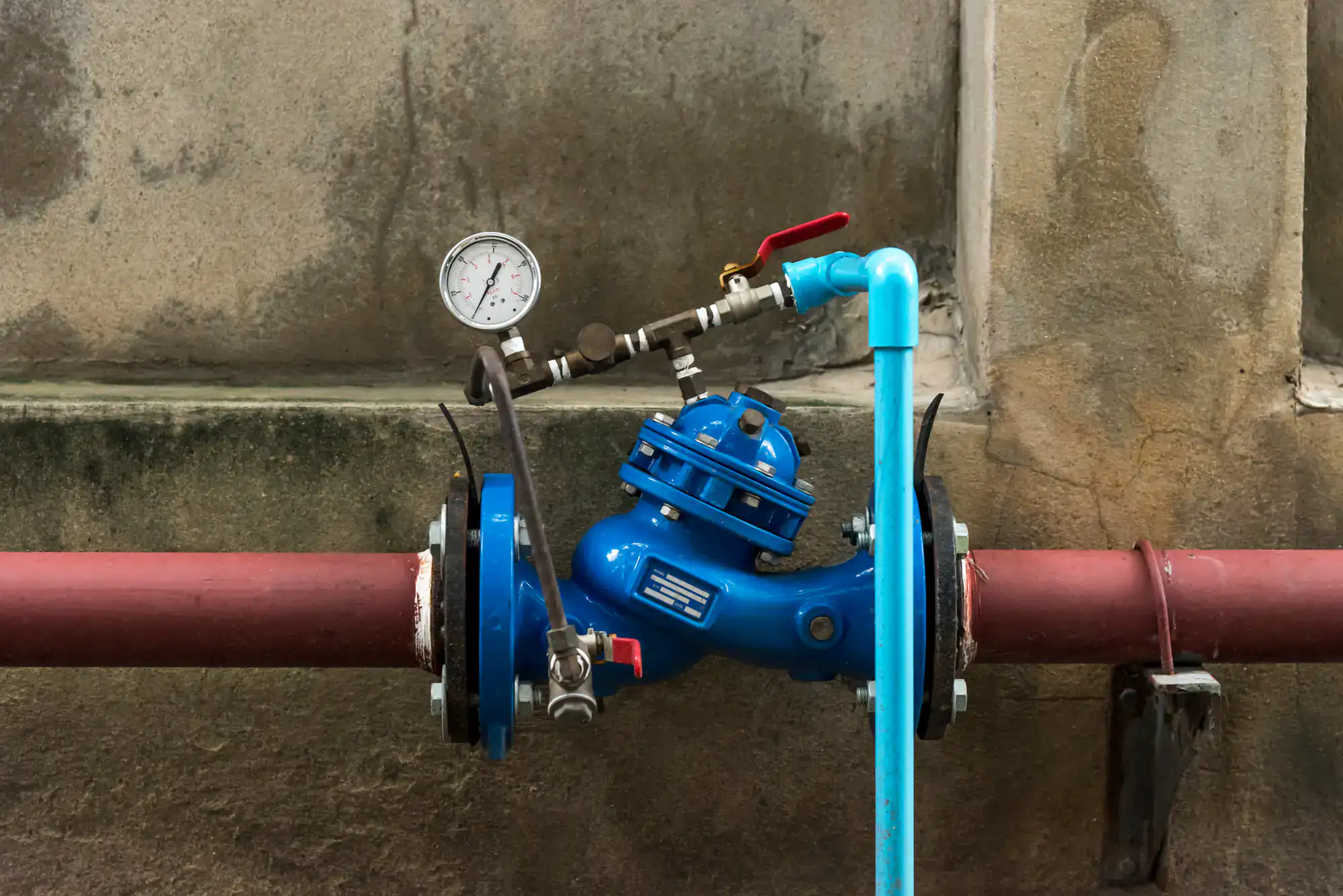
It starts with a free assessment. Before any work is scheduled, a technician reviews your gas meter location, the existing line configuration, and any conditions specific to your home that might affect the installation. For older Sacramento homes particularly those in Midtown, Oak Park, or the Pocket neighborhood this step sometimes surfaces pipe configurations that need a minor adjustment before the valve can be properly seated. You’ll know that upfront, not after the job starts.
Once the scope is confirmed, we pull the required permit through the City of Sacramento Building Division. Every installation gets one. This isn’t optional it’s what makes the work legal, insurable, and transferable when you sell the home. The permit creates a public record of the installation, which is exactly what your insurer and any future buyer’s agent will ask for.
The installation itself uses only DSA-certified valves the standard set by California’s Division of the State Architect, whose offices are right here in Sacramento on Q Street. These are the only valves that satisfy California’s permit requirements and insurance documentation standards. After installation, a City of Sacramento building inspector signs off on the work. You receive written documentation of everything: the valve certification, the permit, and the warranty. Most Sacramento residential installations come in between $450 and $600, all-in valve, labor, permit fees, and paperwork included.
Ready to get started?
The quote you get before the job is the number you pay when it’s done. Our all-in pricing for Sacramento residential installations runs $450 to $600 for most homes, and that covers the DSA-certified valve, all labor, permit fees to the City of Sacramento, and the written documentation package you’ll need for insurance and real estate purposes. If your home has a more complex configuration an older property in East Sacramento with non-standard pipe routing, for example that gets identified during the free assessment and priced transparently before any work begins.
Every installation includes only DSA-certified automatic gas shut-off valves. These aren’t hardware store valves or generic seismic devices they meet California’s specific certification standard and are the only type that satisfies both the city’s permit requirements and the documentation standards insurers are increasingly requiring in Sacramento County. With the California Geological Survey’s 2025 Seismic Hazard Zone Maps now formally designating large parts of Sacramento as liquefaction and seismic hazard zones, that documentation is becoming more relevant to more homeowners with every insurance renewal cycle.
After the job is complete, you also get a clear explanation of post-trip protocol what to do if a seismic event trips the valve, when it’s safe to reset it, and when to call before you do. That part gets skipped by a lot of installers, and it’s one of the more important things to understand before you actually need it.
This is the most common question from Sacramento homeowners, and it makes sense the San Andreas Fault is roughly 80 miles to the west, and the city doesn’t have the same earthquake reputation as San Francisco or Los Angeles. But the actual seismic picture here is different from what most people assume.
The Great Valley Fault System runs along the western edge of the Sacramento Valley and has produced magnitude 6-plus earthquakes historically, including the 1892 Vacaville-Winters event. The Mormon Island Fault Zone sits along Sacramento County’s eastern border near Folsom. And critically, much of Sacramento Natomas, downtown, the historical core, neighborhoods along both rivers is built on alluvial sediment that is formally designated as a liquefaction hazard zone by the California Geological Survey. In 2025, the CGS released new preliminary Seismic Hazard Zone Maps for the Sacramento West and East quadrangles, which expanded those designations significantly. Liquefaction can rupture or disconnect gas lines even when an earthquake causes minimal visible structural damage. That’s the specific local risk that makes a seismic shut-off valve worth having here.
For most Sacramento residential properties, the all-in cost runs between $450 and $600. That number covers the DSA-certified valve, all labor, permit fees to the City of Sacramento, and the written documentation you’ll need for insurance and future real estate disclosures. There’s no separate line item for the permit, and the final invoice comes in at or below the estimate not above it.
The main variable that affects price is the existing gas line configuration at your meter. Older homes in neighborhoods like Curtis Park, Land Park, and Midtown sometimes have pipe layouts that require a minor adjustment before the valve can be properly installed. If that’s the case at your property, it gets identified during the free pre-installation assessment and priced before any work begins. You won’t find out about it on the day of the job.
Yes and this is one of the details that separates a compliant installation from one that could cause problems down the road. The City of Sacramento requires a building permit for earthquake valve installations, issued through the Community Development Department’s Building Division. The installation must be performed by a C-36 licensed plumbing contractor, and the work is subject to a final inspection by a City of Sacramento building inspector before the permit is closed.
The permit isn’t just a bureaucratic formality. It creates a permanent public record of the installation, which is what your homeowner’s insurance carrier will ask for when you report the upgrade, and what a buyer’s agent or home inspector will look for when your home goes on the market. Unpermitted installations even if the valve itself is functional don’t satisfy those requirements and can create disclosure complications during a sale. We pull the permit for every Sacramento installation and schedule the city inspection as part of the standard process. You don’t have to manage any of that yourself.
It does matter, and the standard is specific. California requires automatic gas shut-off valves that are certified by the Division of the State Architect commonly referred to as DSA certification. The DSA is a California state agency, and its Sacramento offices are located on Q Street, a few blocks from the State Capitol. DSA certification means the valve has been tested and verified to meet ANSI/ASCE/SEI 25-16, the standard governing seismic shut-off device performance.
Valves that don’t carry DSA certification including some products sold at hardware stores or online do not satisfy California’s permit requirements and will not be accepted as compliant by the City of Sacramento’s building inspectors. They also won’t meet the documentation standards that insurers are increasingly applying in Sacramento County as the 2025 CGS Seismic Hazard Zone Maps get incorporated into underwriting criteria. We install only DSA-certified valves on every job. It’s not an upgrade option it’s the baseline for every installation.
You can physically reset most seismic valves without tools, but whether you should is a different question. The valve tripped because it detected ground motion above its threshold. That doesn’t automatically mean your gas lines are damaged but it also doesn’t mean they’re not. Resetting the valve before confirming line integrity means you’re potentially reintroducing gas into a system that may have shifted, cracked, or disconnected somewhere between the meter and your appliances.
The correct sequence after a trip is to leave the valve in its tripped position, call PG&E to report the event and request a gas line check on their end, and then contact a licensed plumber we’re available 24/7 to assess your interior lines before the valve is reset. This is especially relevant for older Sacramento homes in Curtis Park, East Sacramento, or Land Park, where aging gas infrastructure is more vulnerable to ground movement. Once a plumber confirms the lines are intact, resetting the valve is straightforward. Skipping the inspection step is where people get into trouble.
The insurance picture in Sacramento has shifted meaningfully over the past few years. California’s homeowner’s insurance market has tightened significantly statewide, and Sacramento County has not been insulated from that. Some carriers have reduced new policy offerings in the region, others have added seismic safety requirements to renewal conditions, and a growing number are treating documented seismic upgrades including permitted earthquake valve installations as factors in underwriting decisions rather than just optional discount triggers.
The 2025 CGS Seismic Hazard Zone Maps for the Sacramento West and East quadrangles have accelerated this shift. Properties that fall within newly designated liquefaction or seismic hazard zones may find that their carrier’s requirements have changed at the next renewal. Having a permitted, DSA-certified valve installation on record with the city inspection documentation to back it up gives you something concrete to provide your insurer. Whether that translates to a premium discount or simply satisfies a new coverage requirement depends on your specific policy and carrier, but the documentation itself is what makes either outcome possible. We provide a complete written documentation package with every installation for exactly this reason.
Other Services we provide in Sacramento