Earthquake Automatic Shut-Off Valves in Citrus Heights

Stop Gas Leaks Before They Start Fires

Professional seismic shut-off valve installation that automatically cuts gas flow during earthquakes, preventing dangerous leaks, fires, and explosions in your home.
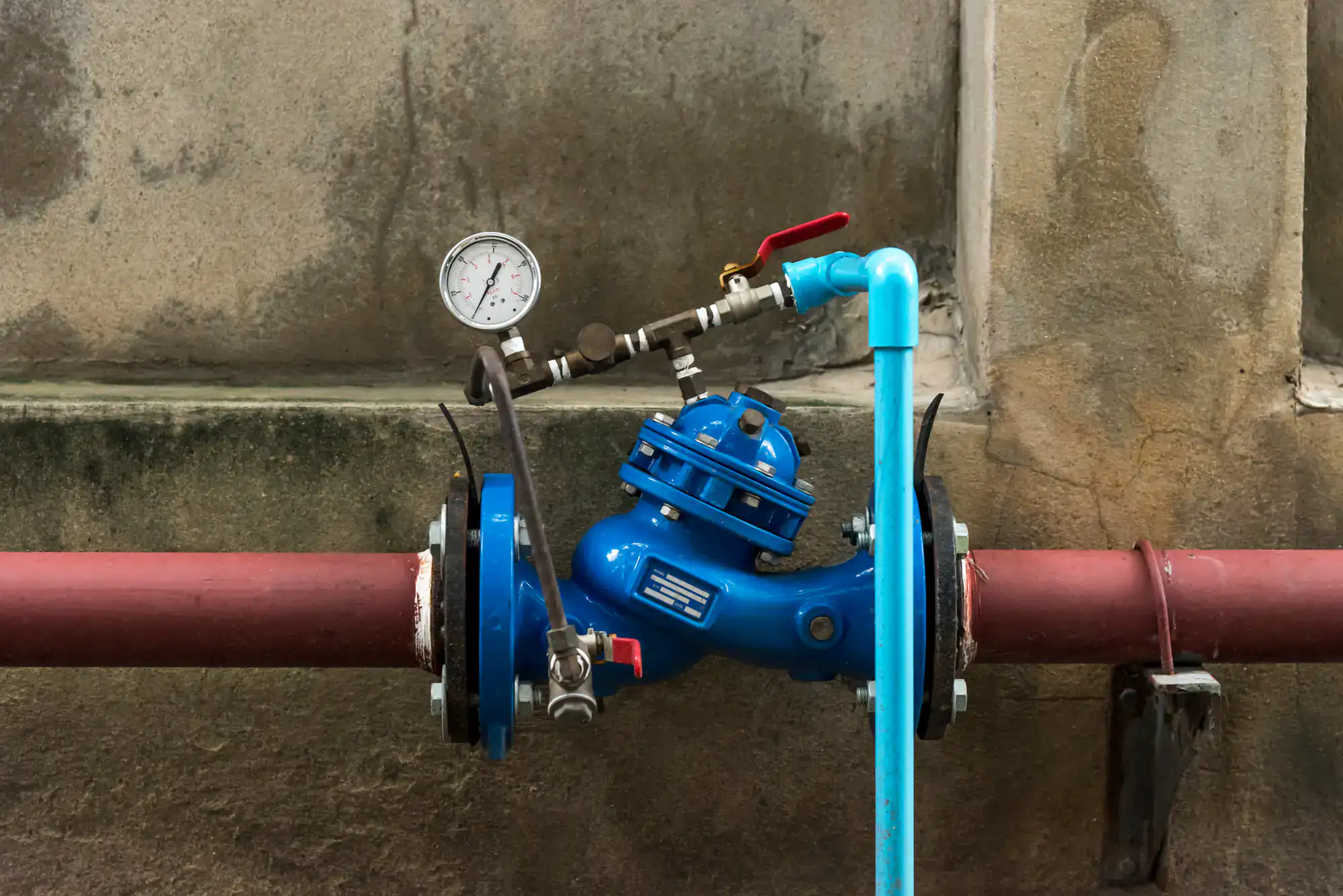
A blue water pressure valve with a gauge and red-handled lever is connected to horizontal red pipes and a vertical blue pipe, mounted against a weathered concrete wall.

Hear from Our Customers

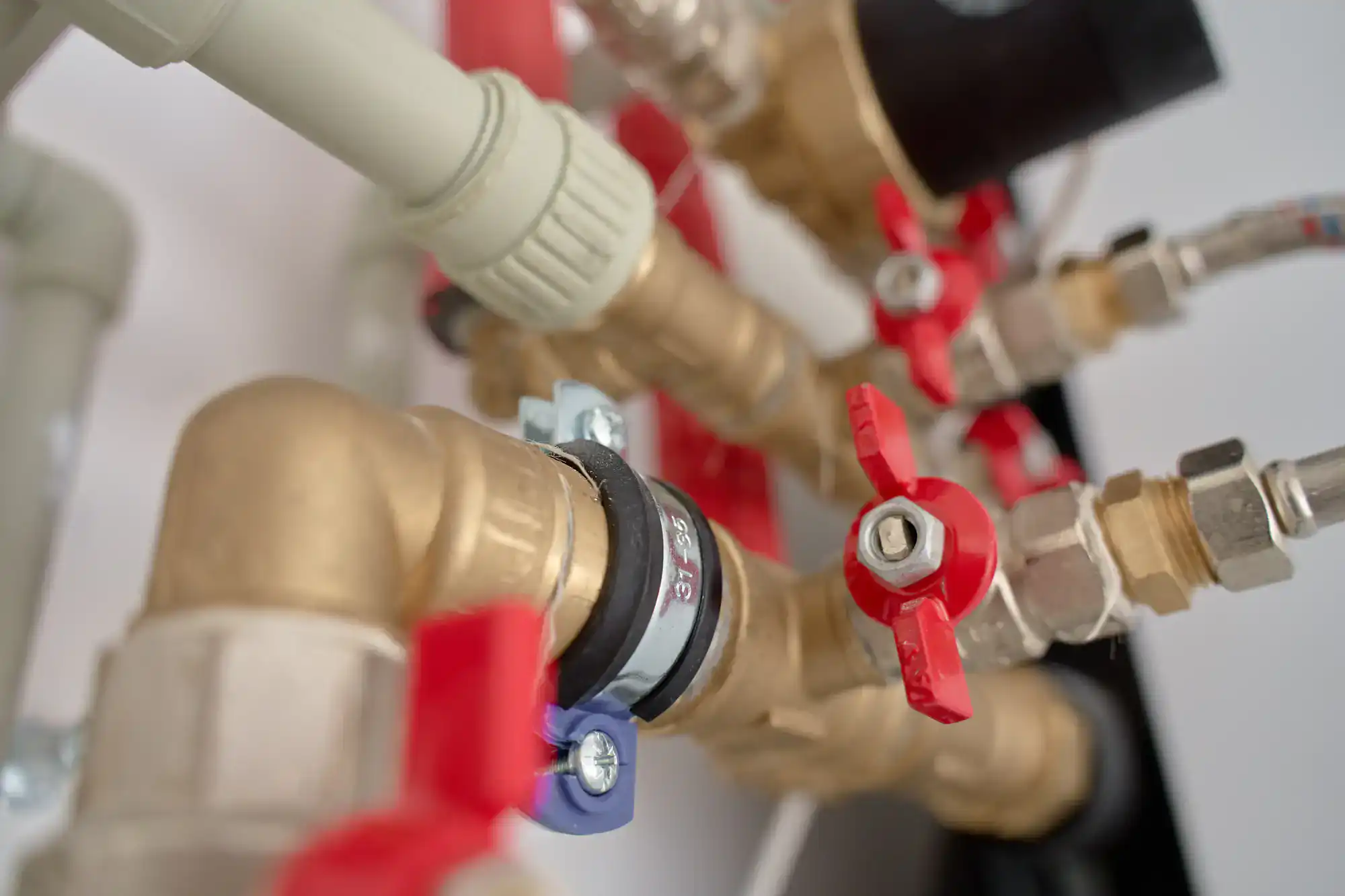
Close-up view of brass plumbing pipes and valves, including several red-handled shut-off valves and metal connectors, forming part of a water or heating system.

Seismic Gas Shut-Off Valve Installation

Your Family Stays Safe, Automatically
When the ground shakes at 5.1 magnitude or higher, your earthquake automatic shut-off valve instantly cuts the gas supply to your home. No electricity needed. No manual intervention required. Just immediate protection from the gas leaks that cause post-earthquake fires.You sleep better knowing that even if you’re not home during a quake, your gas lines are automatically secured. The valve stays closed until you’re there to safely reset it, preventing gas buildup while you’re away dealing with other earthquake damage.This isn’t just earthquake preparedness—it’s the difference between coming home to a standing house or a pile of ashes. One valve installation protects your entire property from gas-related fire damage.

Licensed Plumbing Contractors Citrus Heights

Local Plumbers Who Know Citrus Heights
Murray Plumbing earned our 4.7-star rating by doing what most contractors don’t: arriving when promised, completing work as quoted, and charging exactly what we estimate—often less.We’ve installed earthquake shut-off valves throughout Citrus Heights for over a decade. We know which valve types work best with PG&E meters in this area, understand local soil conditions that affect seismic sensitivity, and stay current with Sacramento County permit requirements.When you call our 24/7 line, you reach real people who can schedule your installation or handle emergency gas line issues. No phone trees, no callbacks from distant call centers—just local plumbers who live and work in your community.
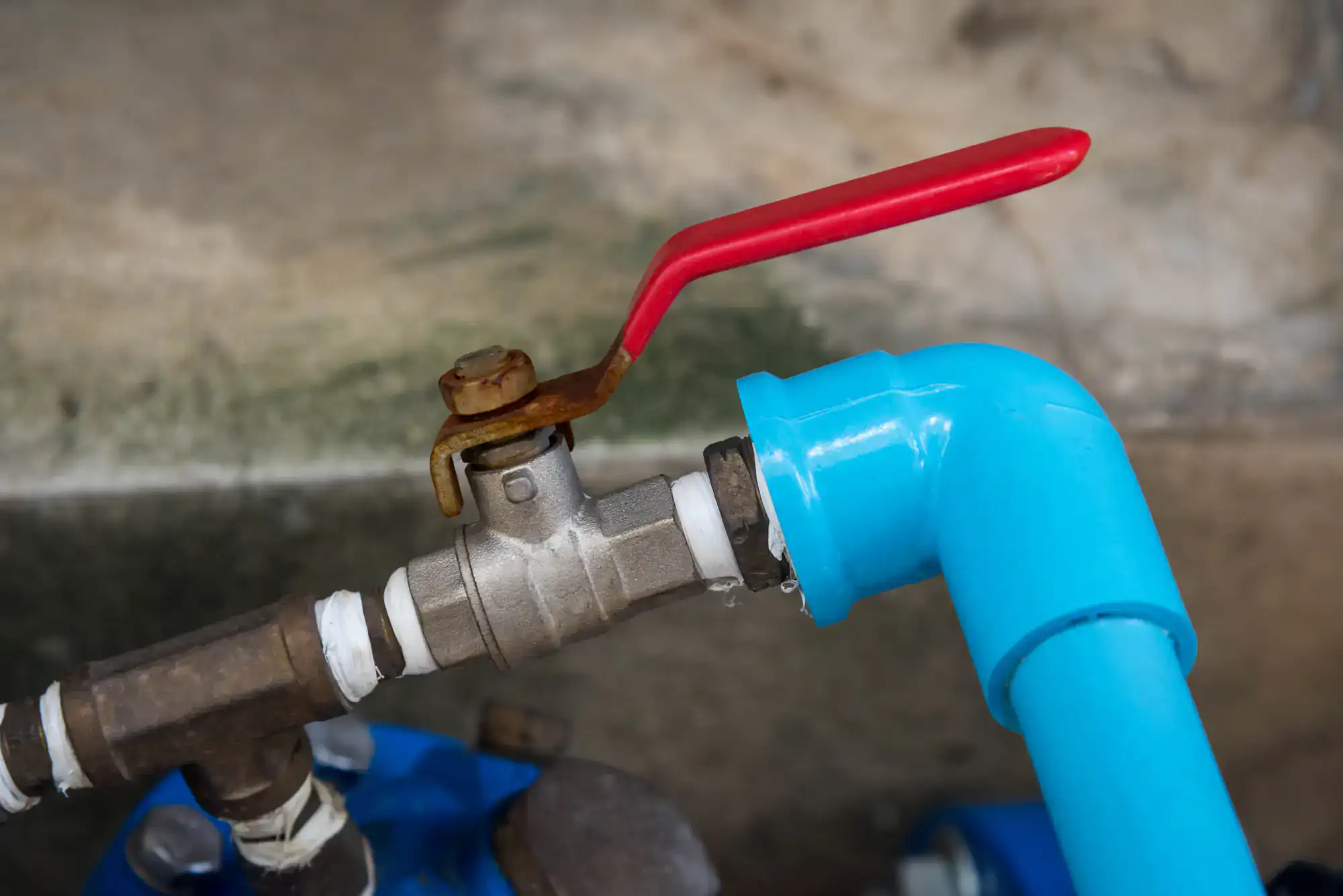
Close-up of a metal water valve with a red lever handle connected to blue PVC pipes, attached to a wall with visible signs of wear and slight water leakage.

Professional Shut-Off Valve Installation Process

Two Hours of Work, Decades of Protection
We start by evaluating your gas meter and existing connections to determine the correct valve type—either a ball valve or excess flow valve, depending on your setup. Most Citrus Heights homes use standard PG&E meters that accommodate either option.Installation takes 2-3 hours. We shut off gas at the meter, install the seismic valve with proper unions and fittings, then calibrate it for local earthquake intensity levels. The valve gets tested to ensure it triggers at 5.1-5.4 magnitude shaking but won’t false-trigger from heavy trucks or construction vibrations.Before we leave, you’ll know exactly how to reset the valve after an earthquake and what to check before restoring gas service. We provide written instructions and our 24/7 number in case you have questions later.
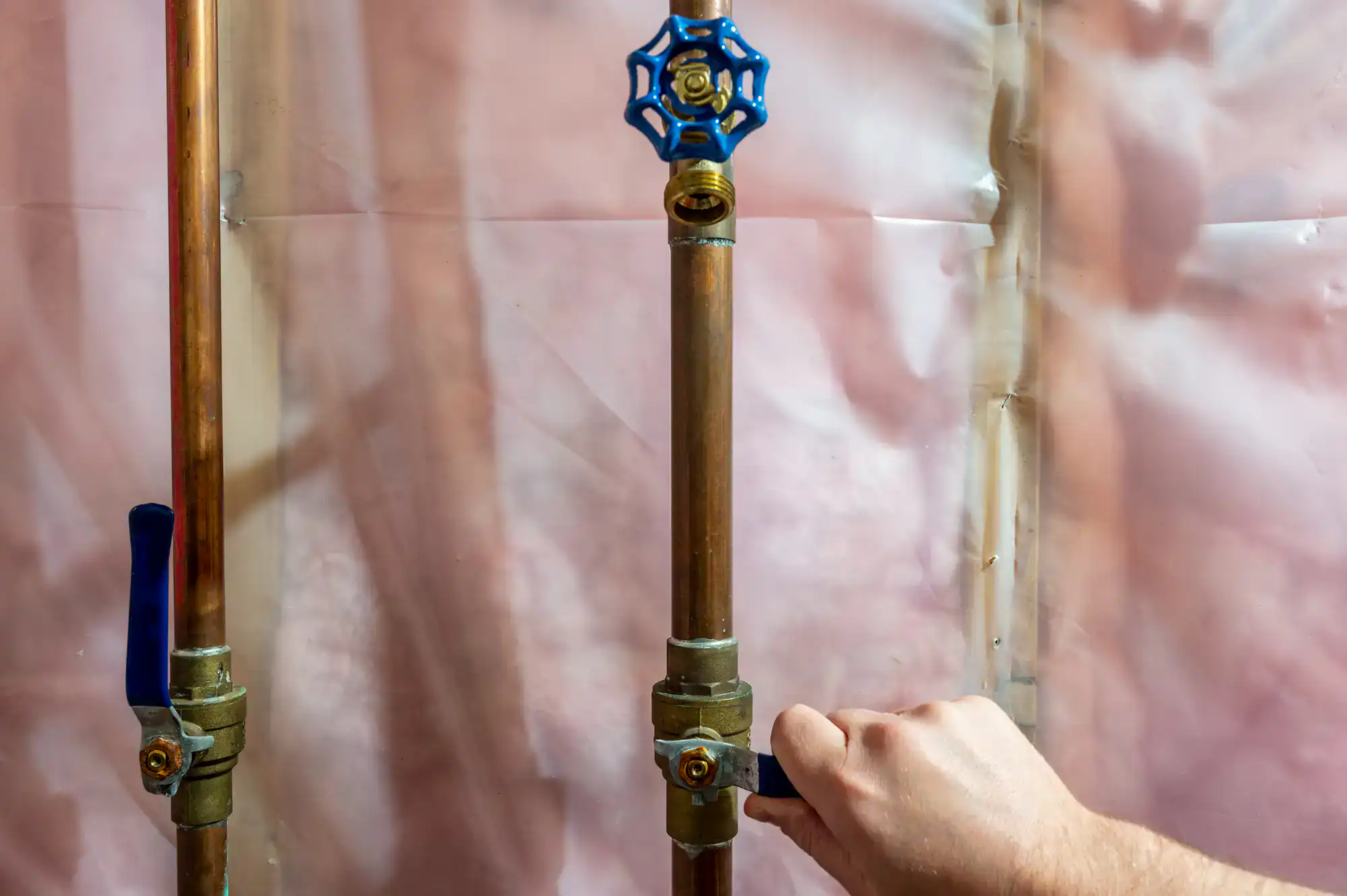
A hand turns the blue handle of a shut-off valve on a copper water pipe against a wall covered in pink plastic sheeting.

Ready to get started?

Explore More Services

About Murray Plumbing

Get a Free Consultation

Earthquake Valve Installation Services

Everything Included, Nothing Extra
Your installation includes the seismic shut-off valve, all mounting hardware, gas-rated pipe fittings, pressure testing, calibration for Citrus Heights seismic conditions, and complete operational testing. We use only valves certified for California’s earthquake zones.Citrus Heights sits between the Sierra Nevada foothills and Sacramento Valley, putting homes at risk from both nearby and distant seismic events. Your valve will be calibrated to trigger at appropriate intensity levels—sensitive enough to catch dangerous quakes but not so sensitive that minor ground vibrations cause false shutoffs.We also handle all permit applications with Sacramento County and coordinate required inspections. Most permits are approved same-day, and inspections typically happen within 24 hours of installation completion.
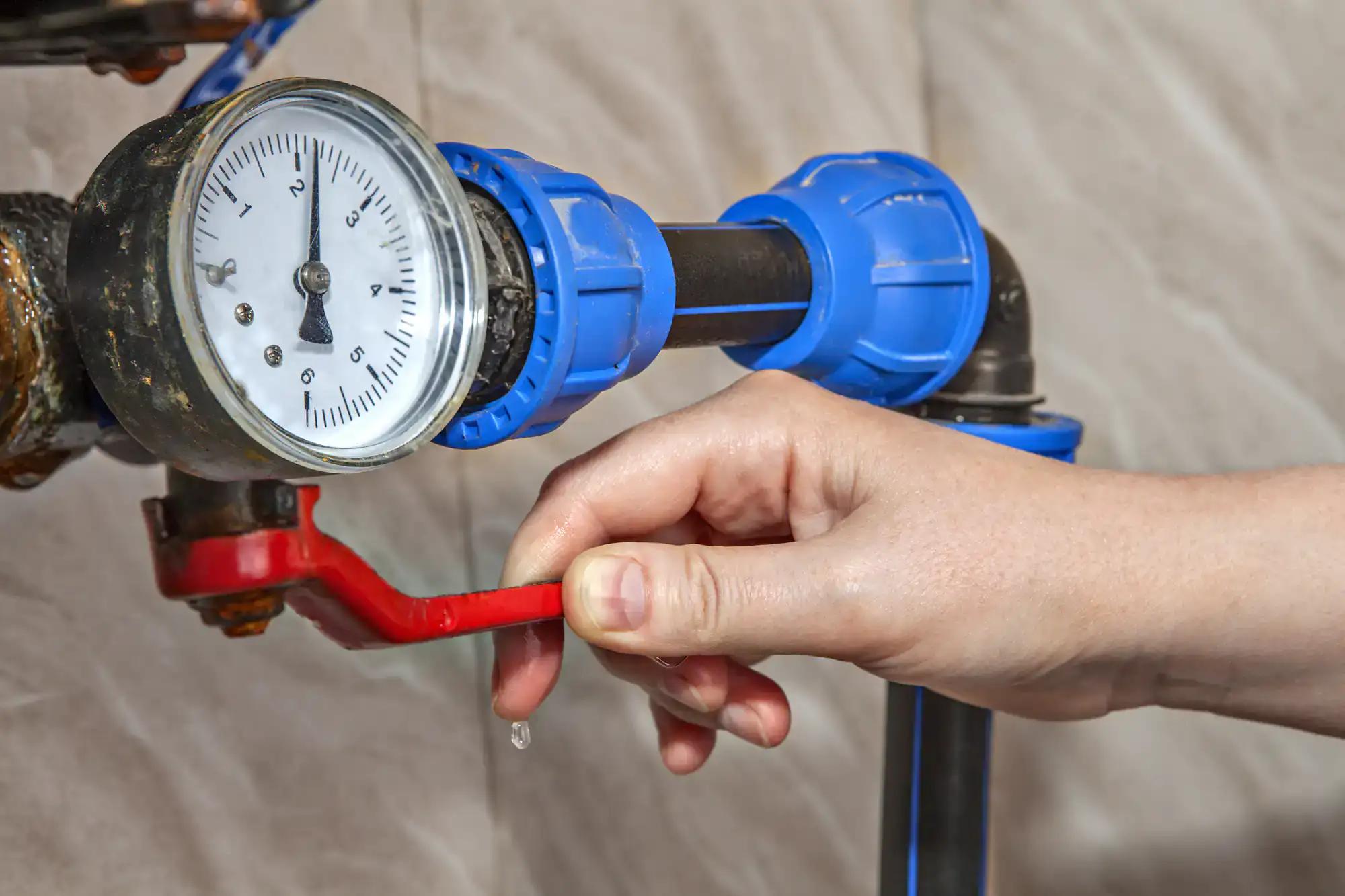
A hand turns a red valve on a black pipe connected to a pressure gauge, with blue pipe fittings. A water droplet is visible near the valve.

How sensitive are earthquake automatic shut-off valves to ground movement?

Professional-grade seismic valves are calibrated to trigger between 5.1 and 5.4 magnitude shaking intensity at your specific location. This threshold catches earthquakes strong enough to potentially damage gas lines while avoiding false triggers from heavy traffic, construction, or minor tremors.The sensitivity is adjustable during installation based on your home’s distance from major fault lines and local soil conditions. Homes on softer soils may need slightly different calibration than those on bedrock.Modern valves use pendulum-based sensors that respond to horizontal ground acceleration, which is the type of movement most likely to damage underground gas pipes. Vertical vibrations from trucks or construction typically won’t trigger the valve.
Excess flow valves detect sudden increases in gas flow, like what happens when a pipe breaks. Seismic shut-off valves detect ground movement and close before pipes can break. You want the seismic version for earthquake protection.Excess flow valves only work after damage has already occurred and gas is escaping. By then, you might already have a dangerous situation. Seismic valves prevent the dangerous situation from developing in the first place.For maximum protection, some homeowners install both types, but seismic shut-off valves provide the primary earthquake safety benefit you’re looking for. They’re proactive rather than reactive.
Yes, earthquake automatic shut-off valves are completely mechanical devices that require no electrical power, batteries, or external energy source. The valve mechanism is powered by the earthquake motion itself.This design ensures the valve works even during power outages that commonly accompany earthquakes. When the ground shakes with sufficient intensity, the internal pendulum mechanism physically triggers the valve closure.The mechanical design also means there are fewer components that can fail over time. No batteries to replace, no electrical connections to corrode, and no dependence on your home’s power system.
Before resetting, walk around your property checking for gas odors or visible damage to gas lines, appliances, and connections. If you smell gas anywhere, don’t reset the valve—call PG&E immediately instead.If no gas odors are detected, locate the valve’s reset mechanism (usually a lever or knob) and follow the specific reset procedure for your valve model. Most involve lifting or turning the mechanism to the “open” position.After resetting, listen for the sound of gas flowing and check that your appliances relight properly. If you hear unusual sounds, smell gas, or can’t get appliances working normally, shut the valve back off and call for professional inspection.
California doesn’t mandate earthquake shut-off valves for existing homes, but many local jurisdictions require them for new construction or major renovations. Sacramento County encourages installation through expedited permitting and some insurance incentives.Even without legal requirements, these valves are considered essential safety equipment in seismically active areas. The California Geological Survey and emergency management agencies strongly recommend them for all homes.Some insurance companies offer premium discounts for homes with seismic shut-off valves, which can help offset installation costs over time. Check with your insurer about available earthquake preparedness discounts.
Annual visual inspections are the main maintenance requirement. Check that the valve hasn’t been damaged by landscaping, weather, or accidental impacts. Make sure the reset mechanism moves freely and isn’t corroded or blocked.Many valves include test features that let you verify proper operation without actually shutting off your gas supply. We recommend testing every 2-3 years or after any significant ground vibration that didn’t trigger the valve.If your valve ever does trigger during an earthquake, have it professionally inspected before relying on it again. The mechanism should reset properly, but it’s worth confirming all components are functioning correctly after activation.

Other Services we provide in Citrus Heights