
Hear from Our Customers
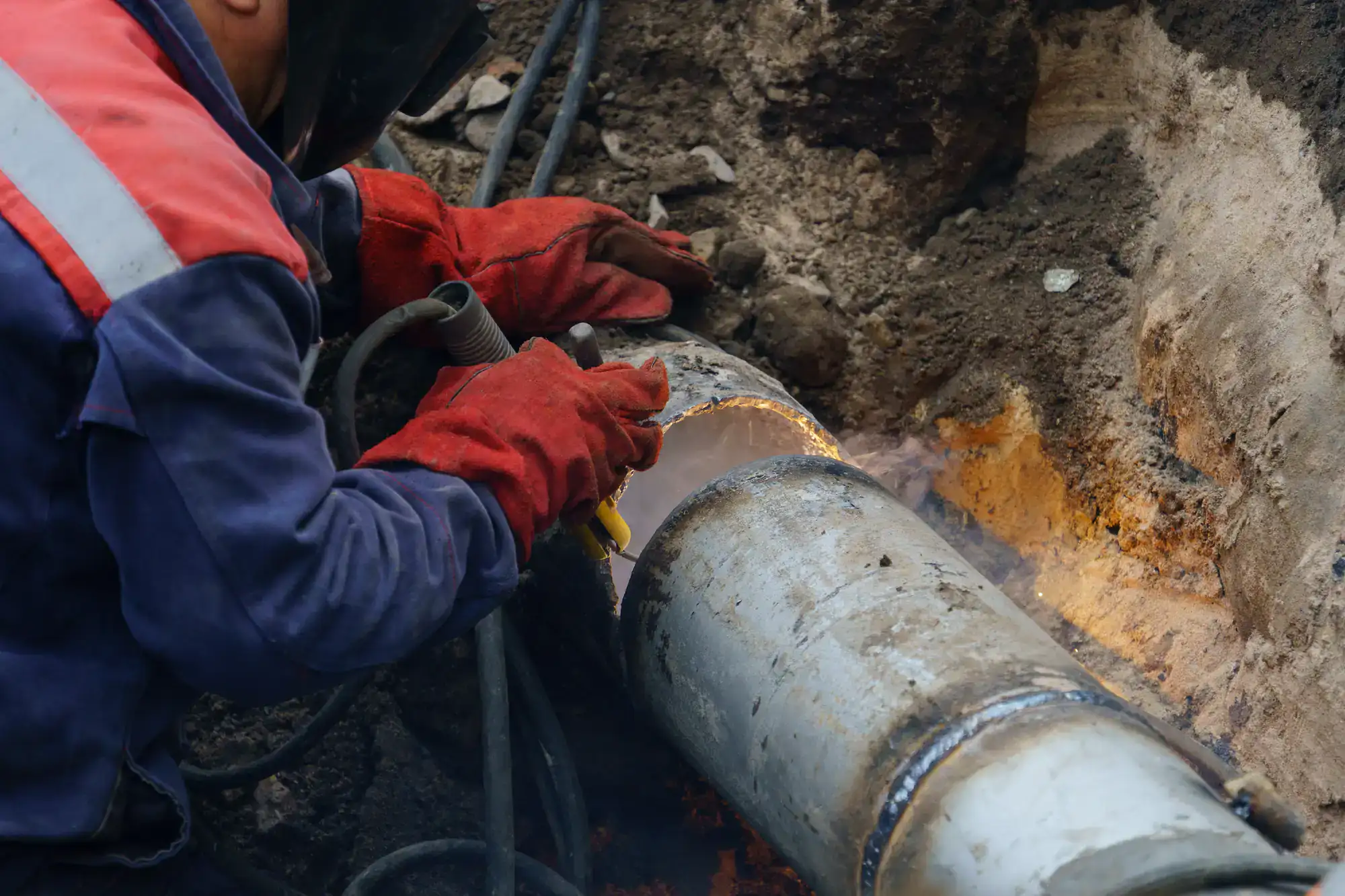
Kitec doesn’t just leak. It bursts. And when it does, you’re looking at flooded rooms, ruined floors, mold remediation, and an insurance company that might not cover a dime of it because they consider Kitec a known defect.
The brass fittings break down from the inside out—a process called dezincification. Zinc corrodes when exposed to water and oxygen, creating blockages that build pressure until the pipe gives out. You can’t prevent it. You can’t slow it down. The only move is full replacement.
Most Kitec systems in Citrus Heights are now 15 to 20 years old. That’s well past the 10-year lifespan the recalls suggested back in 2005. If you’re still running Kitec, you’re not wondering if it’ll fail—you’re wondering when.
Replacing it now means you control the timeline. You avoid the emergency call, the panicked cleanup, and the fight with your insurer. You protect your home’s value and your family’s safety. That’s not dramatic—it’s just how this plays out.
We’ve been serving Citrus Heights and the greater Sacramento area since 2009, with over 24 years of combined plumbing experience. We’ve worked in hundreds of homes built during the Kitec installation window, and we know exactly what to look for.
Citrus Heights sits in the heart of Sacramento County, where suburban development boomed in the late ’90s and early 2000s. That timing lines up perfectly with when Kitec was being installed across the region. We’ve pulled out enough of these systems to know the warning signs, the failure points, and how to replace them without tearing your house apart.
We’re not here to upsell you. If you don’t have Kitec, we’ll tell you. If you do, we’ll walk you through what replacement looks like, what it costs, and how long it takes. No surprises. No pressure. Just straight answers from people who do this work every day.
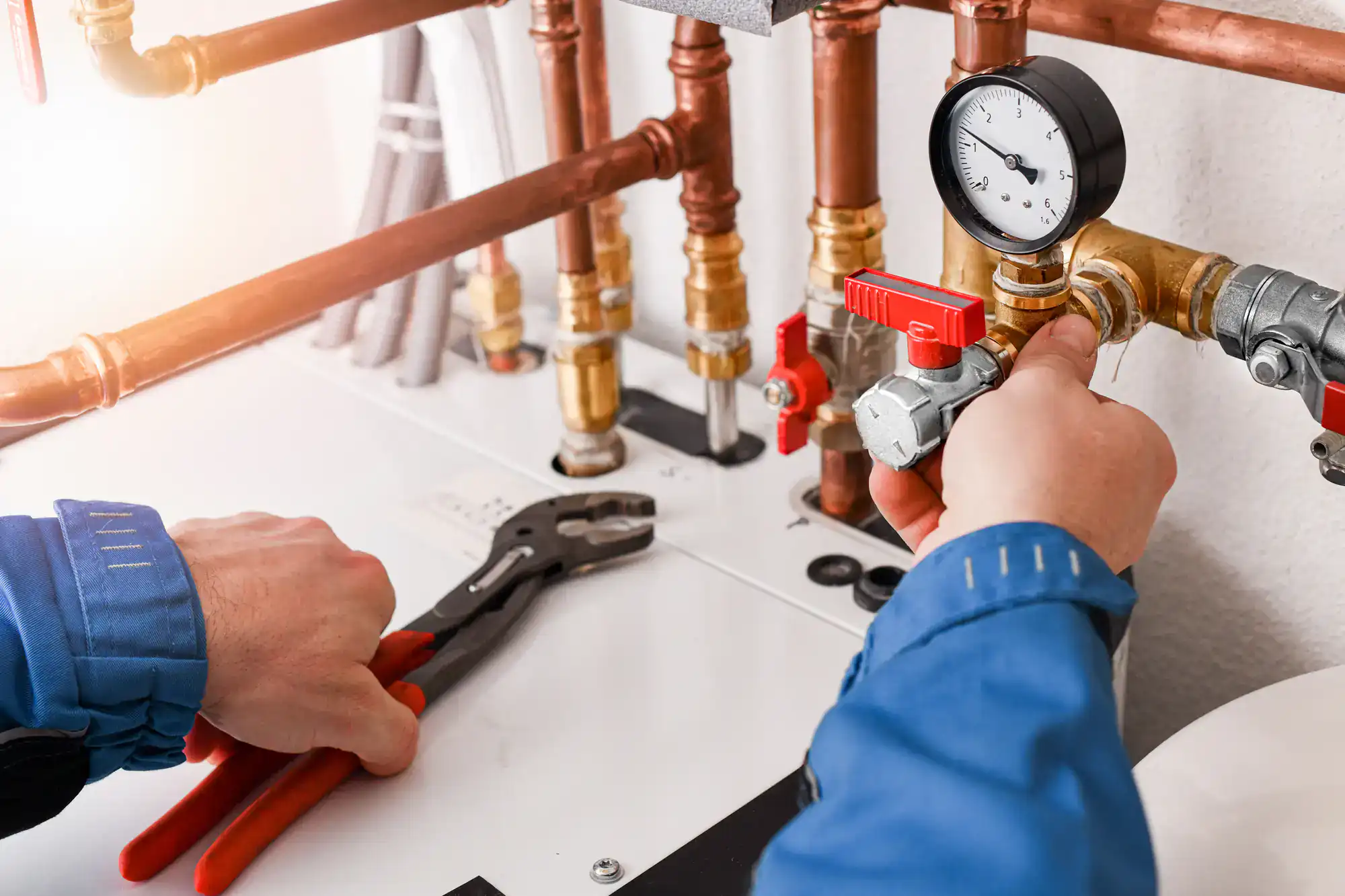
First, we confirm whether you actually have Kitec. The pipes are usually orange or blue, and the fittings are stamped with “Kitec” or the manufacturer name. If you’re not sure, we’ll inspect your system and give you a definitive answer.
Once we confirm Kitec, we assess the full scope. That means identifying every section of pipe that needs to come out—hot water lines, cold water lines, and all the fittings. We map out the replacement plan so you know what’s involved before we touch anything.
Then we repipe. We typically use copper or PEX, both of which are proven, long-term materials that won’t break down the way Kitec does. The process takes a few days depending on the size of your home, and yes, you can stay in the house while we work.
We test everything before we close up walls. Water pressure, leak checks, the whole system. You’ll know it’s done right because we walk you through it. And because we’ve done this enough times to get it right the first time.
Ready to get started?
You’re paying for materials that last. Copper piping resists corrosion and handles high temperatures without breaking down. PEX is flexible, durable, and faster to install in tight spaces. Both options give you decades of reliable service—not the 10-year countdown Kitec left you with.
You’re also paying for a full system replacement, not a patch job. Kitec problems are systemic. Replacing one section doesn’t solve the issue because the rest of the system is failing at the same rate. We pull it all out and start fresh.
In Citrus Heights, most homes we work on are single-family residences built in the late ’90s and early 2000s, with layouts that make repiping manageable. The typical cost for a full repipe in a one-to-three-bedroom home in the Sacramento area runs between $5,000 and $30,000, depending on square footage, pipe accessibility, and material choice. We give you an exact number before we start, and we stick to it.
You’re also getting 24/7 emergency service if something goes wrong before we can schedule the replacement. If a Kitec pipe bursts in the middle of the night, we’re available. That’s not a marketing line—it’s how we run the business.
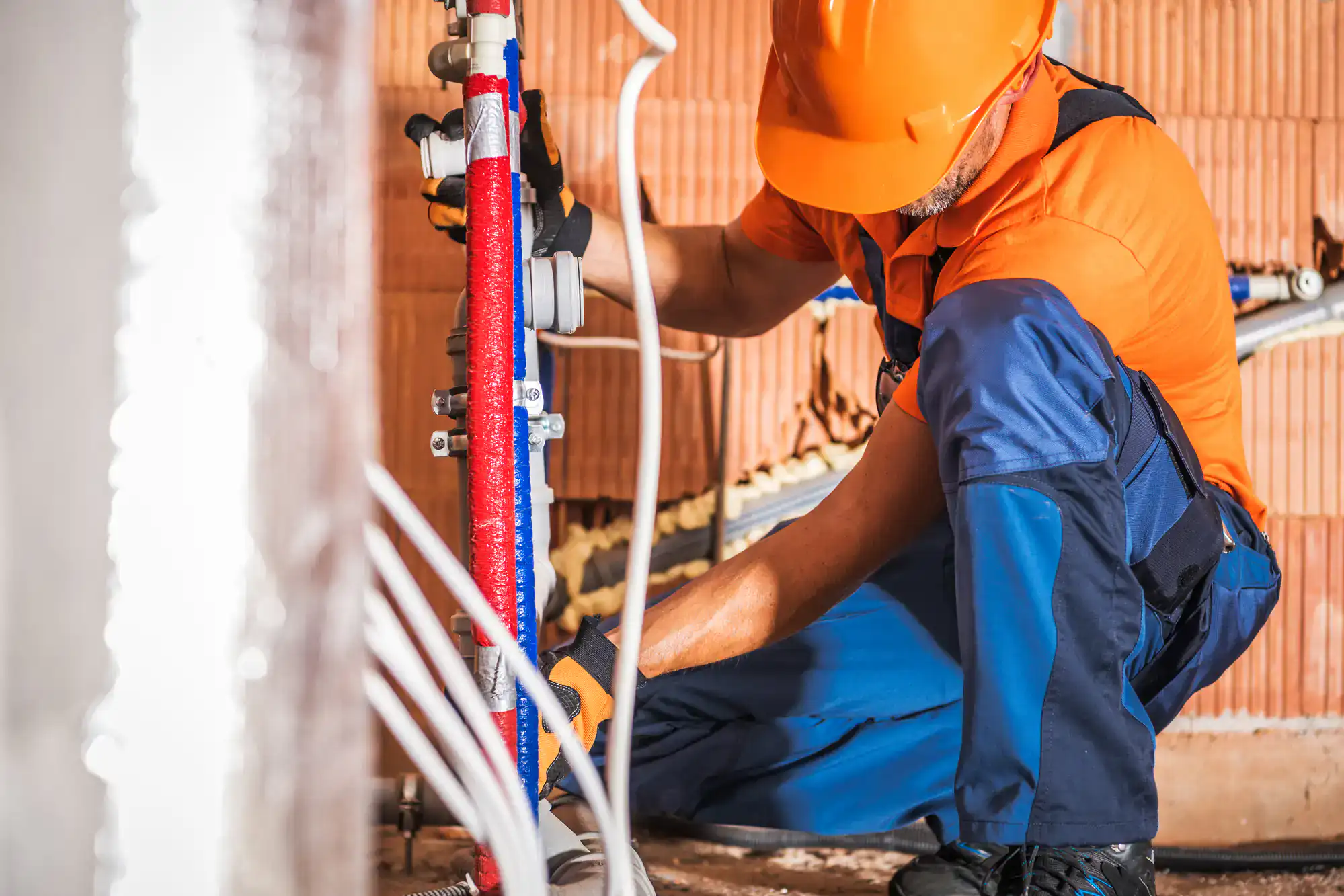
Look at your exposed pipes—usually in the basement, crawl space, or near your water heater. Kitec pipes are typically bright orange or blue. The fittings are brass-colored and often stamped with “Kitec,” “KTC,” “PlumbBetter,” or “IPEX.”
If your home was built or renovated between 1995 and 2007, there’s a higher chance Kitec was installed. That’s when it was most commonly used in the Sacramento area, including Citrus Heights.
If you’re not sure, call us. We’ll come out, inspect your system, and tell you definitively whether you have Kitec. There’s no charge for that assessment, and we’re not going to pressure you into a sale. You just need to know what you’re dealing with.
No. The fittings are part of the problem, but so are the pipes themselves. Kitec pipes can only handle temperatures up to 180°F, but your water heater can easily exceed that. Over time, the heat breaks down the pipe material from the inside.
The brass fittings also contain high levels of zinc, which corrodes when exposed to moisture and oxygen. That creates blockages and pressure buildups that lead to bursts. Replacing just the fittings leaves you with the same pipe problems, and replacing just the pipes leaves you with the same fitting problems.
The only way to actually solve this is a full system replacement. Anything less is just buying time—and not much of it.
Probably not. Most insurance companies consider Kitec a known defect, especially since the recalls started in 2005 and the class action settlement happened years ago. If they determine you knew—or should have known—about the Kitec in your home, they can deny your claim for water damage.
Even if they do cover the immediate damage, they’re not going to pay to replace the plumbing system. That’s on you. And once they’ve paid out one Kitec-related claim, they may refuse to renew your policy or exclude future Kitec damage from coverage.
The smarter move is to replace the system before it fails. That way, you’re not dealing with emergency repairs, water damage, mold remediation, and an insurance fight all at the same time. You’re in control of the timeline and the cost.
Most full repipes take between two and five days, depending on the size of your home and how accessible the pipes are. Single-story homes with crawl space access tend to go faster. Two-story homes with pipes running through walls take a bit longer.
You can stay in your home during the work. We’ll need to shut off water for portions of each day, but we’ll coordinate with you so it’s not a total disruption. We also clean up as we go—we’re not leaving your house torn apart at the end of each day.
Once the new pipes are in, we test the entire system for leaks and pressure issues before we close anything up. You’ll have full water service restored, and you’ll know the job was done right because we walk you through the final inspection.
For a full repipe in a one-to-three-bedroom home in Citrus Heights, you’re typically looking at $5,000 to $30,000. The range depends on square footage, how many bathrooms you have, whether we’re using copper or PEX, and how easy it is to access your existing pipes.
We give you an exact cost before we start any work. No surprises, no “we found something else” upsells halfway through. Some of our customers have even paid less than the original estimate when the job turned out simpler than expected.
Yes, it’s a significant expense. But compare that to the cost of water damage, mold remediation, temporary housing, and lost belongings after a catastrophic pipe burst. Factor in the potential insurance denial, and replacement starts looking like the financially smarter move—not just the safer one.
Yes. We offer 24/7 emergency service for urgent plumbing failures, including Kitec leaks and bursts. If you wake up to water pouring through your ceiling or a pipe that’s blown out in your crawl space, call us. We’ll get someone out fast.
That said, emergency repairs on Kitec are temporary at best. We can stop the immediate leak, but the rest of your system is still failing at the same rate. The real solution is full replacement, and we’ll talk through that with you once the crisis is handled.
Our response time is one of the reasons Citrus Heights homeowners keep calling us. We’re local, we’re available, and we understand that plumbing emergencies don’t wait for business hours. When you need help, we show up.
Other Services we provide in Citrus Heights