
Hear from Our Customers
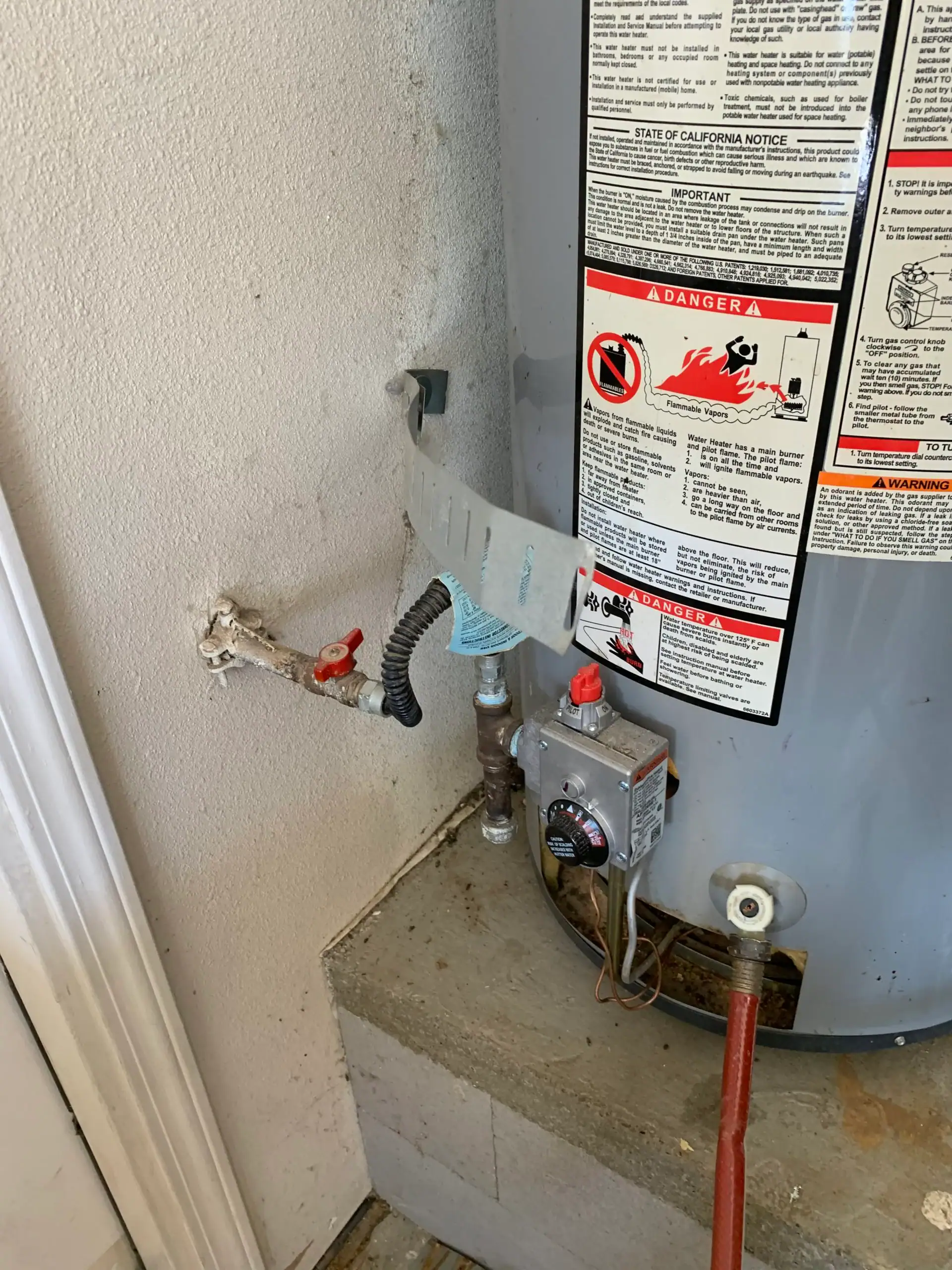
You stop relying on luck. When the ground moves whether it’s a local tremor from the Sierra foothills fault systems or shaking transmitted from something further out a properly installed seismic gas shut-off valve cuts the gas automatically before a leak has a chance to turn into something worse. This isn’t theoretical. The 1994 Northridge earthquake made this painfully clear when over 14,000 gas leaks ignited more than 50 structure fires in homes that had no prior gas problems.
For Tahoe Park specifically, this matters more than most people realize. In May 2025, the California Geological Survey released its first-ever seismic hazard zone maps for the Sacramento area, formally designating large portions of the city as zones requiring investigation for liquefaction risk. Sacramento sits on alluvial river deposits the kind of soil that can behave unpredictably during significant shaking. These aren’t distant, abstract fault concerns. They’re documented, mapped, and increasingly factored into insurance underwriting and real estate disclosures.
Tahoe Park’s housing stock is primarily mid-century construction bungalows and ranch homes built in the 1940s and 1950s and the gas infrastructure in most of these homes was never designed with automatic shut-off protection. A seismic valve doesn’t change your home’s age. But it does close the gap between what your home was built for and what California’s ground can actually do.
We were founded in 2009 by Ryan Murray a real person, not a brand name. Ryan holds California C-36 Plumbing Contractor License No. 916322, which is the specific classification state law requires for gas line and seismic valve work. You can verify that in about 30 seconds at cslb.ca.gov. The fact that we tell you exactly where to check is the point.
For over 15 years, we’ve been serving Sacramento and the surrounding region including central Sacramento neighborhoods like Tahoe Park, just off the Highway 50 corridor near UC Davis Medical Center and Sacramento State. This isn’t an expansion market for us. It’s home turf.
Our 4.7-star Google rating based on 93 reviews reflects something specific: customers consistently note that the final bill came in at or below the original estimate, that the work was explained clearly, and that the job was done right the first time. That’s the standard every job is held to whether it’s a quick installation or a more involved gas line assessment.
It starts with a free pre-installation assessment. Before any money changes hands, a licensed technician comes out to evaluate your gas meter setup, confirm which DSA-certified valve is the right fit for your home, and give you an exact, all-in price. For Tahoe Park’s mid-century homes many of which have original or near-original gas line configurations this step matters. Meter placements and line setups vary enough that skipping the assessment and guessing on valve selection is how you end up with a valve that doesn’t pass inspection.
Once the assessment confirms the right valve and you’re ready to move forward, we pull a building permit through the City of Sacramento’s Community Development Department before the installation begins. That’s not optional it’s required by code, and it’s what separates a legal installation from one that creates problems when you sell or file an insurance claim. The permit process is straightforward for a licensed C-36 contractor who does this regularly.
The installation itself is typically completed in a single visit. After the valve is in, you’ll get a walkthrough of how it works, what triggers it, and critically what to do if it trips after a seismic event. That last part almost never gets covered by other installers, and it’s arguably the most important conversation of the whole job. You’ll also receive written documentation of the installation, the valve certification, and the permit record.

Ready to get started?
The all-in price range for earthquake valve installation through our company is $400–$650. That covers the DSA-certified valve, licensed labor, permit fees, and written documentation. There are no separate charges for the permit, no labor add-ons after the fact, and no bait-and-switch between the estimate and the final invoice. The free pre-installation assessment confirms your exact price before any work starts.
Every valve we install is certified by California’s Division of the State Architect the DSA certification that satisfies the City of Sacramento’s permit requirements, insurance documentation standards, and real estate disclosure obligations. This matters because non-certified valves are widely available online and at hardware stores, and many of them will not pass a city inspection, will not satisfy your insurer, and may not function correctly in an actual seismic event. The certification isn’t a formality it’s the difference between a valve that counts and one that doesn’t.
For Tahoe Park homeowners who are mid-transaction dealing with an inspection report that flagged the missing valve, or trying to meet a closing deadline our 24/7 availability and fast scheduling are built for exactly that situation. Same-day assessments are available when scheduling allows. The permit record created by every installation is the documentation your real estate agent, your buyer, and your insurer can actually use. Given that Sacramento’s new seismic hazard zone maps are now factoring into property disclosures across the city, having a clean, permitted installation on record is worth more than it used to be.
Yes and this is one of the most important things to confirm before you hire anyone for this job. Tahoe Park falls within the City of Sacramento’s jurisdiction, which means permits for plumbing and gas line work go through the City of Sacramento’s Community Development Department, not a separate municipal building department. A building permit is required by code for earthquake valve installation, and the job must pass a final inspection to be considered complete and legal.
The reason this matters beyond just following the rules: an unpermitted installation is an undisclosed modification. If you sell your home, you’re required to disclose it and it can complicate or derail a transaction. If you file a homeowner’s insurance claim after a gas-related incident, an unpermitted valve may not be recognized as valid documentation. We pull permits on every installation as a standard part of the job, not as an add-on. The permit record stays on file with the city and travels with the property.
The all-in price for earthquake valve installation through our company runs $400–$650. That number covers the DSA-certified valve itself, the licensed labor to install it, permit fees, and written documentation of the completed work. There are no separate charges for the permit or the assessment what you’re quoted before the job starts is what you pay when it’s done.
Where you land within that range depends on your specific meter setup and gas line configuration. Tahoe Park’s mid-century homes most built in the 1940s and 1950s have enough variation in original gas infrastructure that a quick pre-installation assessment is the only reliable way to confirm the exact price. That assessment is free and comes before any commitment. Customers have consistently noted that their final invoice came in at or below the original estimate, which is worth more than a low number that surprises you at the end.
This is a legitimate question for Tahoe Park residents, and it deserves a straight answer. DSA-certified residential seismic valves are calibrated to trigger at approximately 0.2g of horizontal ground acceleration a threshold that normal traffic vibration, heavy trucks on Highway 50 or SR-99, construction nearby, or a door slamming simply does not reach. False trips are almost exclusively associated with cheap, non-certified valves that were installed without a proper site assessment.
The reason valve selection and professional installation matter is precisely this: a correctly specified DSA-certified valve, installed at the right location on your gas line, will not respond to everyday vibration. It responds to the kind of ground movement that actually warrants shutting off your gas. Our pre-installation assessment includes a review of your site conditions including your home’s proximity to high-traffic corridors to confirm the right valve for your specific situation. If you live close to the 65th Street interchange or along a route with regular heavy vehicle traffic, that context is factored in before anything gets installed.
Do not reset it yourself at least not until your gas lines have been inspected. This is the step that almost never gets covered during installation, and it’s the one that matters most for your actual safety. When a seismic valve trips, it shuts off your gas as a precaution. But the valve doesn’t know whether your lines are intact or damaged. Resetting it before someone confirms there’s no leak or structural damage to the line can introduce gas into a compromised system which is the exact scenario the valve was designed to prevent in the first place.
The right sequence is: leave the valve in the tripped position, call PG&E to report the event and request a line check, and call us to inspect and reset once the lines are confirmed clear. PG&E’s role is to respond to the gas side of the equation; we handle the valve reset and any follow-up plumbing assessment. Every Tahoe Park customer gets this protocol explained at the end of every installation it’s part of the job, not an afterthought.
Increasingly, yes and the landscape shifted meaningfully in 2025. When the California Geological Survey released its preliminary seismic hazard zone maps for the Sacramento area in May 2025, it formally designated large portions of the city as liquefaction investigation zones for the first time. Properties within those zones now carry disclosure obligations at the time of sale, and insurers are beginning to incorporate the new mapping into underwriting decisions across Sacramento neighborhoods, including central Sacramento areas like Tahoe Park.
Some California carriers already require seismic valves as a condition of policy renewal not just as a discount opportunity. If your renewal notice has come with new requirements or a premium increase, a DSA-certified valve with a permit record is the documentation your insurer needs to recognize the installation. A valve without a permit, or one that isn’t DSA-certified, typically won’t satisfy that requirement regardless of how it looks on the outside. Our installations come with full permit documentation and written certification records specifically so that the paperwork holds up when you need it to.
No. PG&E responds to gas leaks, emergencies, and utility-side issues. They do not install seismic shut-off valves, and if you call them about it, they’ll direct you to hire a licensed plumbing contractor. This is one of the more common reasons Tahoe Park homeowners delay getting a valve installed they assume their gas utility handles it, make a mental note to call PG&E, and the task sits on the list longer than it should.
The work requires a California C-36 Plumbing Contractor license the specific classification state law requires for gas line work. That’s not a general contractor license or a basic business registration. We hold C-36 License No. 916322, which you can verify directly at cslb.ca.gov. PG&E’s job is to deliver gas to your meter. What happens on the customer side of that meter including seismic protection is the homeowner’s responsibility, and a licensed C-36 plumber is who handles it.
Other Services we provide in Tahoe Park