
Hear from Our Customers
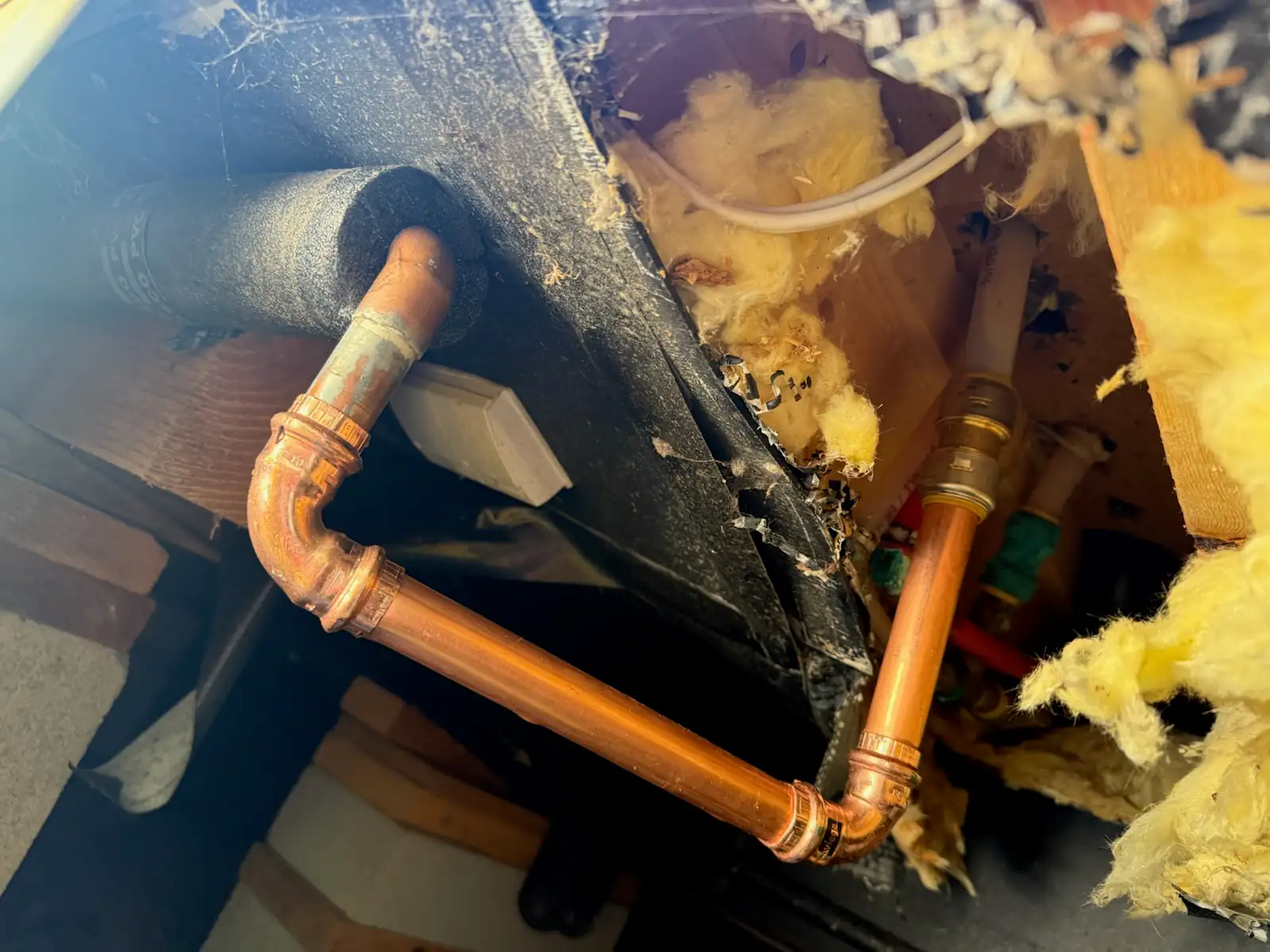
Most Tahoe Park homes were built in the 1940s and 1950s. That’s not a problem by itself those are solid, well-loved homes on good lots. But the original plumbing in a lot of them has been quietly aging for 65 to 80 years, and galvanized steel pipes don’t fail loudly. They corrode from the inside, develop pinhole leaks, and let water work its way into walls and under floors for months before anyone notices. By the time there’s a visible sign, the damage is already done.
A professionally installed whole house leak detection system changes that completely. We monitor your water supply line in real time, pick up on flow patterns that don’t match normal use, and send an alert to your phone the moment something looks off. If you have an automatic shutoff model, it closes your main water valve on its own whether you’re home or not. That matters a lot when you’re commuting west on US-50 to a full day at work and your house is sitting empty.
Tahoe Park’s slab-foundation homes add another layer of risk that a smart detection system directly addresses. A slab leak where a pipe beneath the concrete foundation develops a breach can run for months without a single visible sign. The system catches the anomalous flow pattern long before water ever reaches the surface, which is the difference between a repair bill and a renovation.
We’ve been serving Sacramento County since 2009, founded by Ryan Murray with a background in construction and a straightforward approach to the trade: show up on time, do the work right, and charge a fair price. That hasn’t changed. We hold California Contractor’s License #916322 a C-36 classification that legally authorizes plumbing work in Sacramento County and requires documented field experience, state licensing exams, and a contractor bond. You can verify it at CSLB.ca.gov before you ever pick up the phone.
Our team knows the neighborhoods off Highway 50. We’ve worked in the bungalows and ranch houses throughout Tahoe Park, 95820, and the surrounding Sacramento communities homes with slab foundations, aging supply lines, and the kind of plumbing quirks that only show up in mid-century construction. That local familiarity isn’t something you get from a franchise dispatch center. It comes from years of actual work in these specific homes.
With a 4.7/5 Google rating built on 93 verified reviews, and a pricing model that includes no estimate fees and a documented pattern of final costs coming in at or below the original quote, we give Tahoe Park homeowners something that’s genuinely hard to find: a plumber you can trust before the job starts.
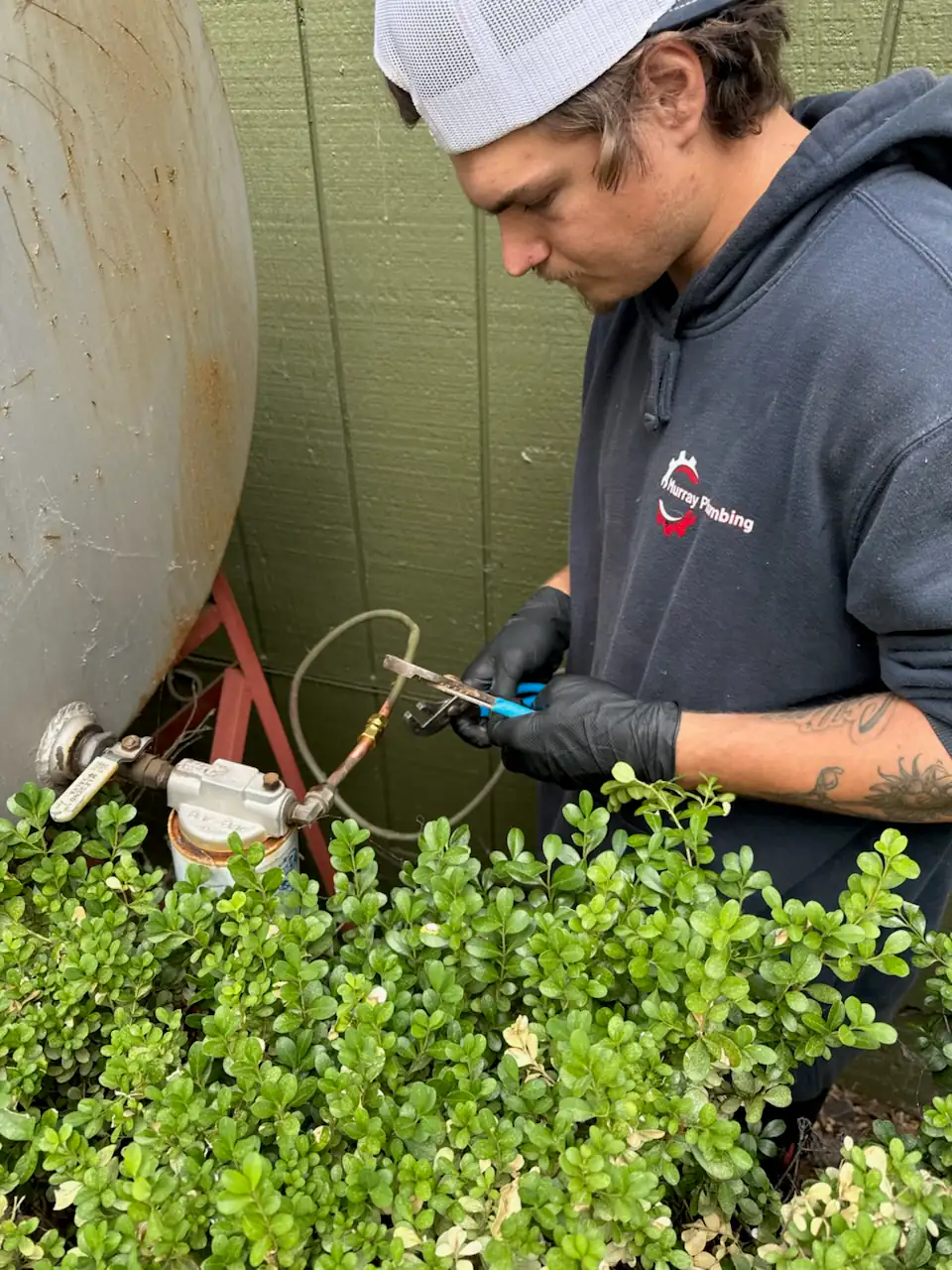
It starts with a call or a booking. We don’t charge for estimates, so there’s no financial risk in getting a clear picture of what the installation involves and what it costs. A licensed technician comes to your Tahoe Park home, assesses your main water supply line, checks your existing pressure regulating valve, and identifies the right placement for the detection system. In Sacramento County, whole-home smart water monitors need to be installed after the water meter and pressure regulating valve to function correctly and because this is a permitted plumbing modification in the City of Sacramento, we handle the permit process as part of the job. You don’t navigate that yourself.
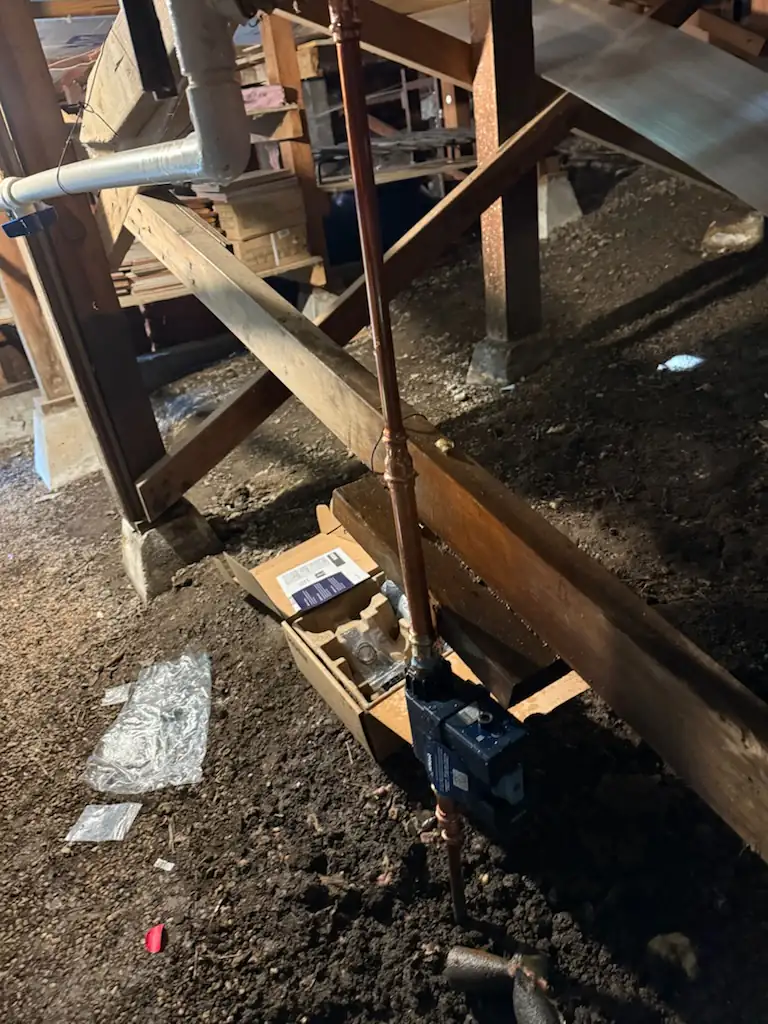
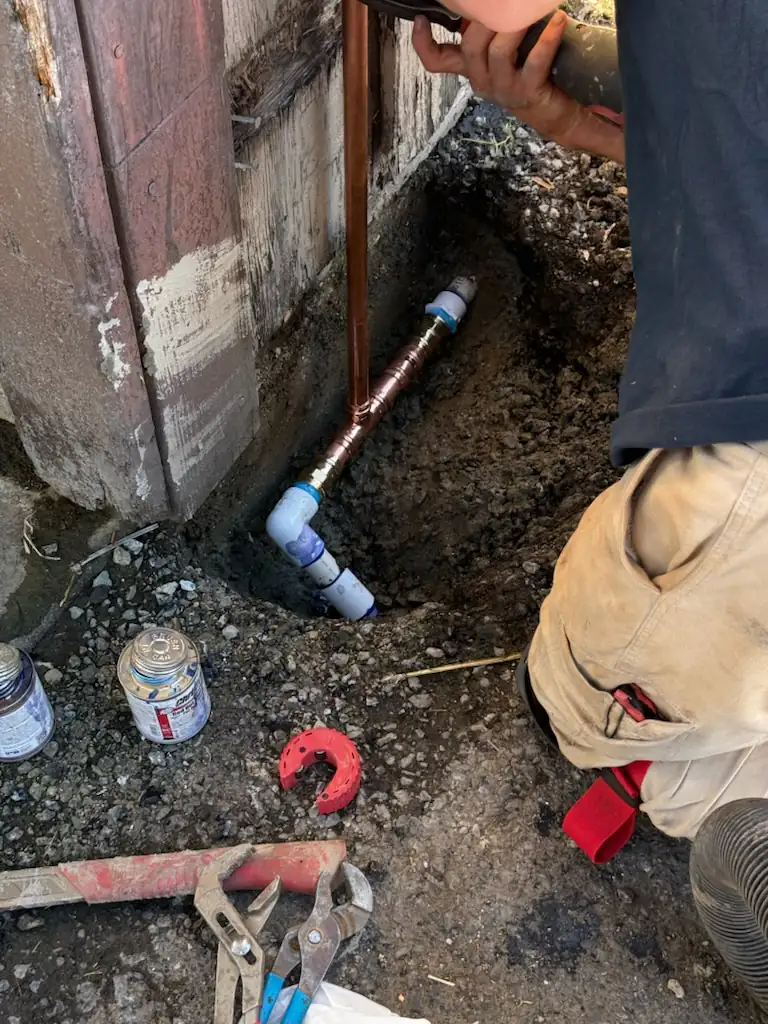
Once the assessment is complete and you’re comfortable with the scope and cost, installation begins. The system is mounted on your main supply line, connected, and tested for accurate flow readings. For homes in Tahoe Park’s 95820 ZIP code many of which have older supply line configurations our technician confirms proper sizing for your specific line diameter before anything is finalized. Getting that detail wrong is what causes false alerts and unreliable shutoff performance.
After the hardware is in, the setup doesn’t stop there. We configure the Moen Smart Water App on your phone, set your alert preferences, walk you through the remote shutoff feature, and test the full system before leaving. When the job is done, your leak detection system is live, calibrated, and ready not sitting half-configured waiting for you to figure out the app on your own.
Ready to get started?
Our water leak detector installation is a complete service, not just a hardware drop-off. What you get is the full installation on your main supply line, permit handling through the City of Sacramento, correct placement and sizing for your home’s specific configuration, and a fully configured smart system before the technician leaves your property. That includes app setup, alert configuration, remote shutoff testing, and a walkthrough so you actually know how to use what you just paid for.
For Tahoe Park homeowners specifically, there are a few things worth knowing before you book. Sacramento’s clay-heavy soils go through a significant contraction cycle every dry season, which puts stress on underground supply lines particularly in slab-foundation homes like the ones that make up most of the neighborhood. That seasonal ground movement is a real and documented cause of pipe stress in older Sacramento properties, and it’s one of the reasons a flow-based whole house leak detection system catches problems that a standard visual inspection never would.
If a leak is discovered during the installation visit a failing supply line connection, a corroded fitting, early signs of a slab issue we address it in the same appointment. No second contractor. No follow-up scheduling. We’re a full-service Sacramento County plumber, which means detection, installation, and repair happen under the same license, on the same visit, with the same upfront price you agreed to before work started.
If your home in Tahoe Park was built before 1965 which describes the majority of the neighborhood the honest answer is yes, it’s worth serious consideration. Homes built in the 1940s and 1950s were plumbed with galvanized steel pipes that have a functional lifespan of roughly 40 to 70 years. A lot of those pipes are now operating well past that window. They don’t fail all at once. They corrode slowly from the inside, develop pinhole leaks, and let water move behind walls and under slabs for months before anything becomes visible.
A whole house leak detection system monitors your supply line continuously and catches anomalies in flow rate that indicate a leak even a very small one. For a slab-foundation home like most of Tahoe Park’s ranch-style houses, that early detection is the difference between a targeted pipe repair and a full foundation remediation. The average water damage insurance claim runs between $13,954 and $15,400. The system costs a fraction of that, and it works while you’re asleep, at work, or out of town.
The cost depends on a few variables: the specific system you’re installing, your home’s supply line configuration, whether any existing plumbing needs to be addressed before the device can be mounted correctly, and whether a permit is required for your specific installation. Our service calls start at $175, and the full installation cost for a whole-home smart water detection system including hardware, labor, permit handling, and complete app setup is provided upfront before any work begins. There are no estimate fees and no surprise charges on the invoice.
What’s worth factoring in alongside the installation cost is the financial return. California homeowners insurance carriers are increasingly offering premium discounts typically in the 5% to 10% range for homes with qualifying smart water detection systems installed by a licensed contractor. For a homeowner paying $1,500 annually in homeowners insurance, that’s $75 to $150 back per year. Over a few years, that discount alone goes a long way toward offsetting the cost of the system, before you account for any damage it prevents.
A basic leak detection device is a sensor usually a small puck or strip you place near an appliance, under a sink, or next to a water heater. It detects moisture at that specific location and sounds an alert. It’s a useful point-of-use tool, but it only catches a leak that reaches the sensor. If the leak is inside a wall, under a slab, or in a section of pipe nowhere near the sensor, it won’t register anything.
A whole house leak detection system is installed directly on your main water supply line and monitors total water flow into your home. It learns your household’s normal usage patterns how much water you use in the morning, overnight, during irrigation cycles and flags any flow that falls outside those patterns. That means it can detect a slow leak inside a wall or beneath a slab foundation long before water becomes visible. Many whole-home systems also include an automatic shutoff valve that closes your main water line when a leak is detected, stopping the flow entirely without you needing to be home. For Tahoe Park’s older housing stock, that whole-home coverage is the more meaningful protection.
It depends on the scope of the installation. A standalone point-of-use sensor placed under a sink or near a water heater typically doesn’t require a permit. But a whole-home smart water monitoring system the kind that installs directly on your main supply line with an integrated automatic shutoff valve is a plumbing modification that falls under the City of Sacramento’s permit requirements for significant plumbing installations.
We hold California Contractor’s License #916322 and handle the permit process as part of the installation. You don’t need to contact the city, pull the permit yourself, or coordinate an inspection. That’s included in the job. It also means the installation is done to code correct placement after the water meter and pressure regulating valve, correct sizing for your supply line diameter, and documented compliance with Sacramento’s requirements. For homeowners who plan to use the installation for an insurance discount or disclose it in a future home sale, having a properly permitted installation matters.
A whole-home flow-based detection system won’t tell you exactly where a slab leak is located that requires a separate diagnostic process. But it will tell you that water is flowing somewhere it shouldn’t be, often well before any visible sign appears. Slab leaks are a documented issue in Sacramento-area homes, particularly in older properties built on concrete slab foundations like most of Tahoe Park’s mid-century ranch houses. Sacramento’s clay-heavy soils contract significantly during the dry season, and that ground movement puts stress on the supply lines embedded in or running beneath the slab.
What the smart detection system catches is the flow anomaly water usage that doesn’t match your normal patterns, running at a slow and steady rate even when nothing in the house is turned on. That’s often the first detectable sign of a slab leak. When the system triggers an alert, you call a plumber before the leak has had weeks or months to saturate the soil beneath your foundation. Early detection is what keeps a slab leak from becoming a structural problem. We can assess the situation on the same call.
Many California homeowners insurance carriers do offer discounts for homes with qualifying smart water detection systems typically between 5% and 10% off annual premiums. Whether your specific carrier offers this discount, and what documentation they require, depends on your policy. The most common requirement is that the system be installed by a licensed contractor, which is exactly what we provide, along with the permit documentation that some carriers ask for.
Tahoe Park is a neighborhood where this conversation is becoming increasingly relevant. California insurers have been tightening requirements on older residential properties, and homes built in the 1940s through 1960s which make up the majority of Tahoe Park are getting more scrutiny at renewal. A professionally installed smart water detection system is one of the more straightforward ways to demonstrate that your home has active water damage mitigation in place. Before booking, it’s worth a quick call to your insurance agent to confirm what your carrier requires. We can provide the documentation you need once the installation is complete.
Other Services we provide in Tahoe Park