
Hydro Jetting
Get a free quote for hydro jetting from your local plumbing team.
We’ll contact you about your hydro jetting request. Privacy policy
Hear from Our Customers
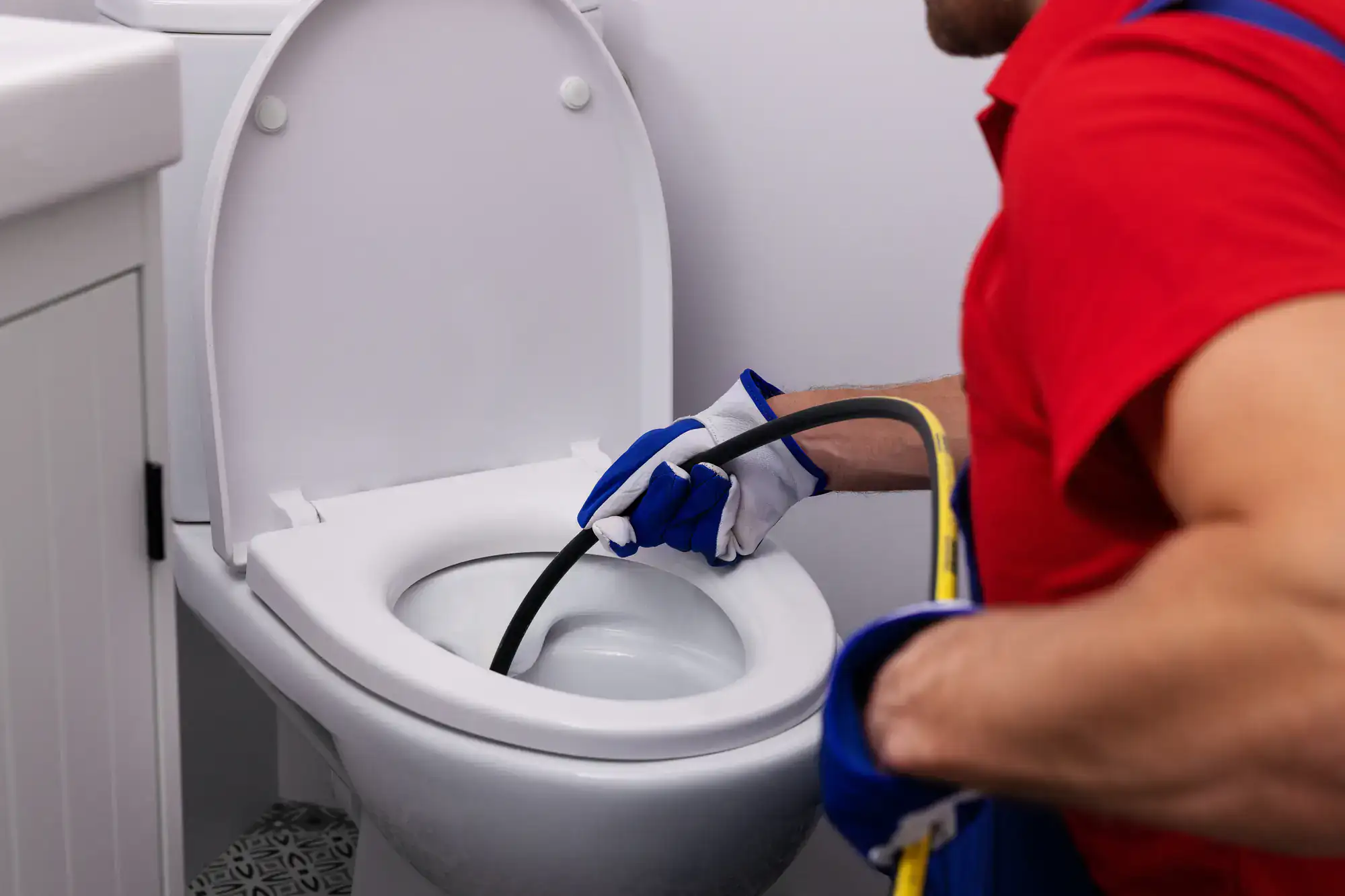
If you’ve had the same drain snaked more than once in the past year, you already know what a temporary fix feels like. Hydro jetting doesn’t just open a path through the clog — it removes what’s actually causing the problem. Grease coating the pipe walls, mineral scale from years of buildup, root fragments that snaking leaves behind. All of it comes out.
For Auburn homeowners, this matters more than it does in most places. The clay soils throughout parts of Auburn hold moisture year-round, which keeps tree roots actively pressing toward sewer lines in every season. Your mature oaks and pines aren’t going anywhere, and neither are their root systems. Once we clear the line with hydro jetting, you’re not just buying time until the next clog — you’re resetting the pipe to something close to its original condition.
The older the home, the more this applies. Homes in Historic Old Town Auburn and the Auburn Ravine corridor were often built with clay tile sewer laterals that have been in the ground for decades. Those pipes accumulate buildup differently than modern PVC, and they need a cleaning method that actually reaches the walls — not just the center of the flow channel. That’s exactly what high-pressure hydro jetting does.
We’ve been serving Northern California’s foothill communities since 2009. Based in Placerville — just down Highway 49 from Auburn — we’re a family-owned operation that works in the same Sierra Nevada foothills context as the homes we service. The clay soils, the aging pipe materials, the mature tree canopy pressing against older sewer laterals in Auburn. This isn’t new territory for us.
With a 4.7 out of 5 rating across 93 Google reviews and a Trustindex Top Rated Certificate, our track record speaks for itself. Customers consistently call out the same things: showed up when scheduled, explained the work before starting, quoted a fair price and stuck to it. No diagnostic fees, no pressure to approve work that isn’t necessary.
We hold a California C-36 Plumbing Contractor License — verifiable through the CSLB — and are fully insured and bonded. For Auburn homeowners near Old Town or the Auburn Ravine corridor who are dealing with pipes that have been in the ground since before their grandparents were born, that kind of accountability isn’t optional. It’s the baseline.
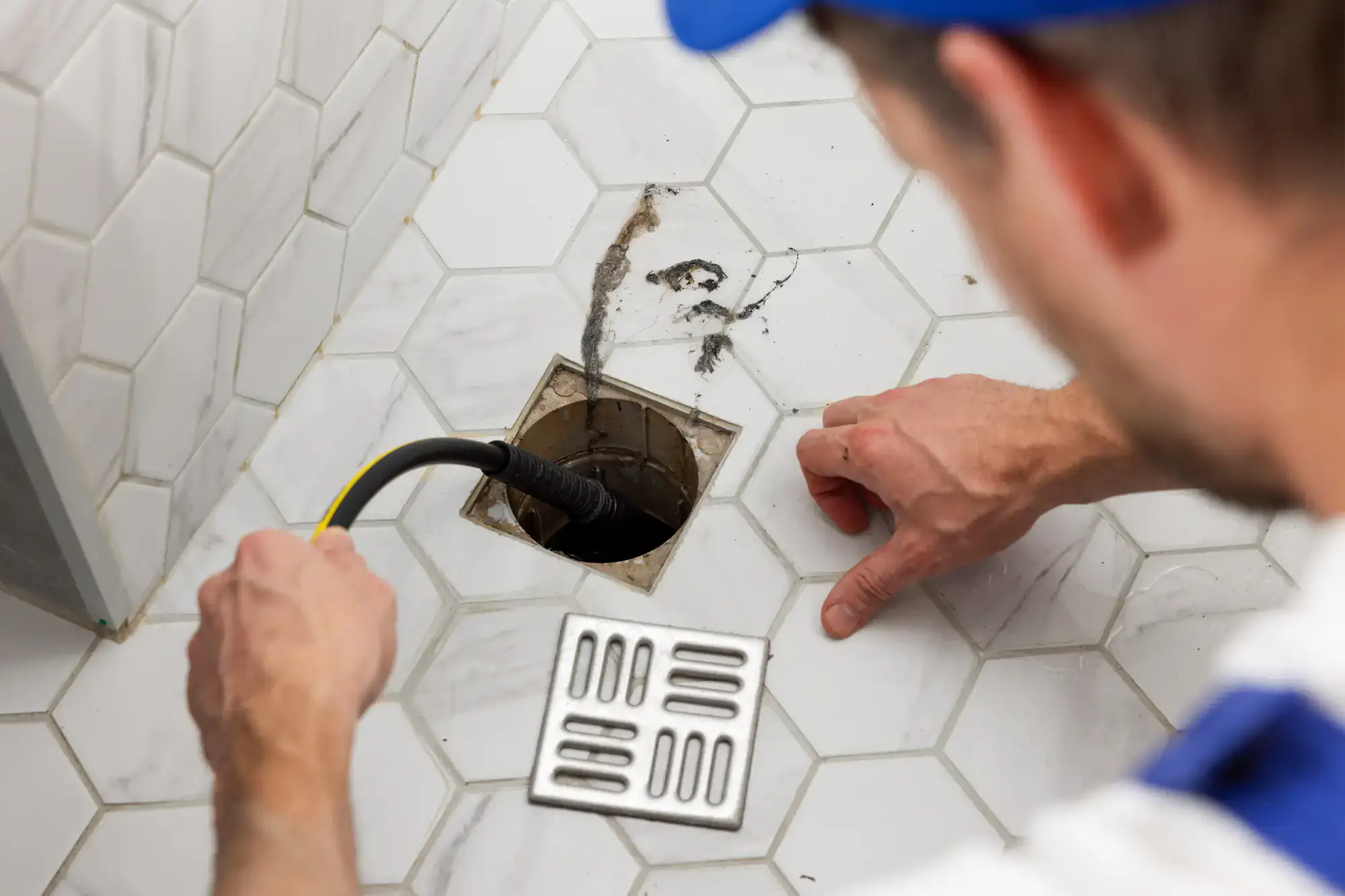
The first thing we do before any hydro jetting service is run a camera inspection through the line. This isn’t a formality — it’s how we find out what’s actually in there and whether your pipes can safely handle high-pressure water. For Auburn homes with older clay or cast iron sewer laterals, this step is especially important. Applying 4,000 PSI to a pipe with a pre-existing crack doesn’t clean it; it damages it. The camera tells us what we’re working with before we commit to a method.
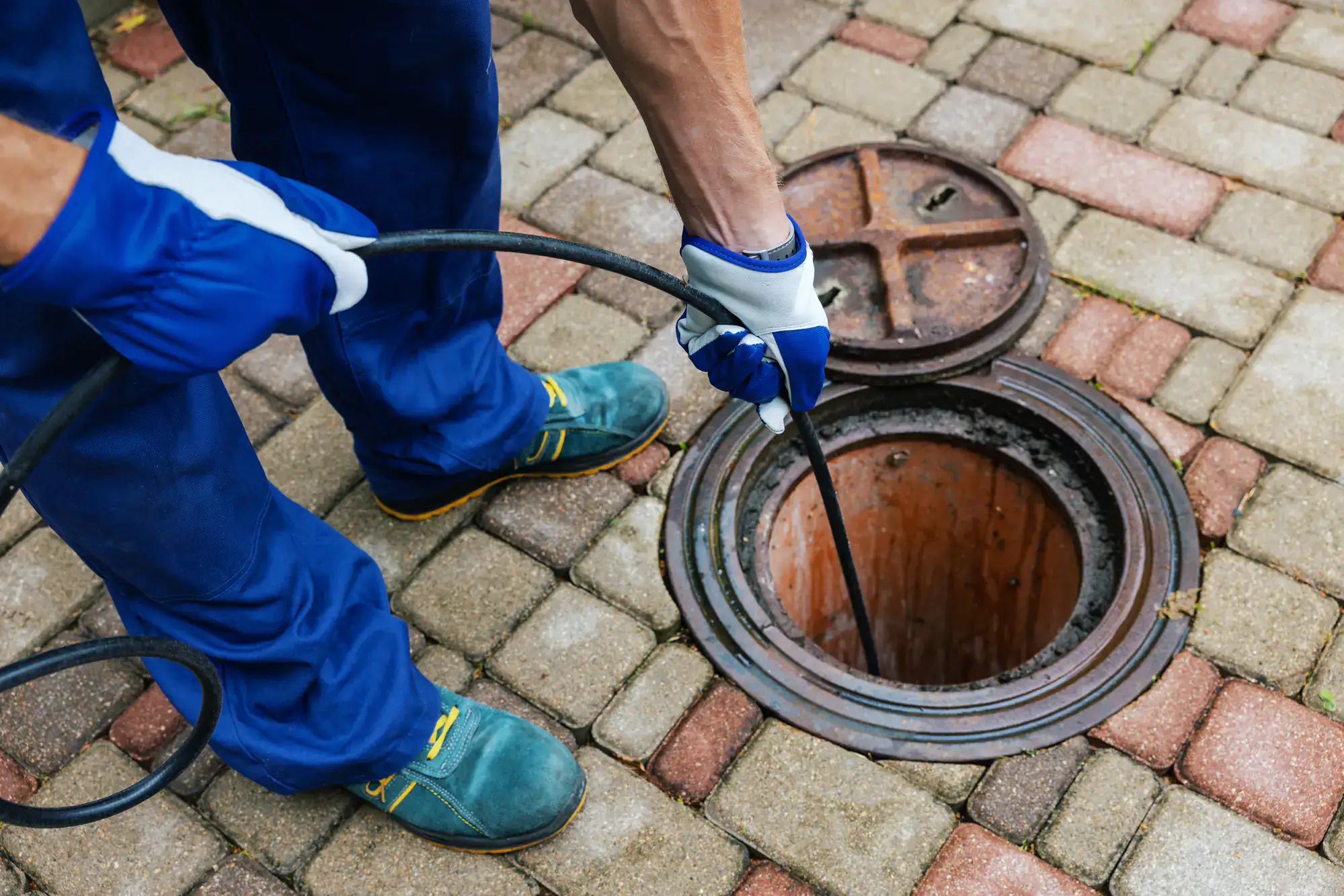
Once we’ve confirmed the pipe condition and located the blockage, we introduce the hydro jetting nozzle into the line. The system operates at up to 4,000 PSI — enough to cut through tree root intrusions, blast away grease that’s been coating the pipe walls for years, and flush out mineral scale, silt, and accumulated debris in a single pass. The water pressure works in both directions: forward to break up the blockage, and backward to flush everything out of the line completely.
After the jetting is done, we run the camera through again. You can see the before and the after. This isn’t something most Auburn plumbers offer as a standard step — it’s how we document that the job was actually done, not just started. You’re not taking our word for it. You’re looking at the pipe.
Ready to get started?
Our hydro jetting service in Auburn is calibrated to what’s actually common here — not what a generic service checklist covers. That means accounting for clay sewer laterals in older neighborhoods, root intrusion from mature trees in established yards, and mineral buildup from Placer County’s water supply running through pipes that haven’t been cleaned in years. The pressure and nozzle configuration get adjusted based on what the camera shows, not a one-size approach.
Residential hydro jetting typically runs between $450 and $900, depending on the severity of the blockage and how accessible the pipe is. That range covers the camera inspection before and after, the full jetting service, and documentation of the results. There are no hidden fees added once work begins — the price quoted before we start is the price you pay.
For Auburn homeowners dealing with recurring kitchen drain clogs, slow bathroom drains across multiple fixtures, or a main line that’s been backing up after heavy rain, this service addresses the source rather than the symptom. The City of Auburn and Placer County both recognize grease accumulation in residential sewer lines as an ongoing issue — the county’s active FOG program exists specifically because of it. If your kitchen drain is part of that pattern, hydro jetting is the appropriate response. And if you’re not sure whether you need jetting or something else, the camera inspection will tell you before any work is authorized.
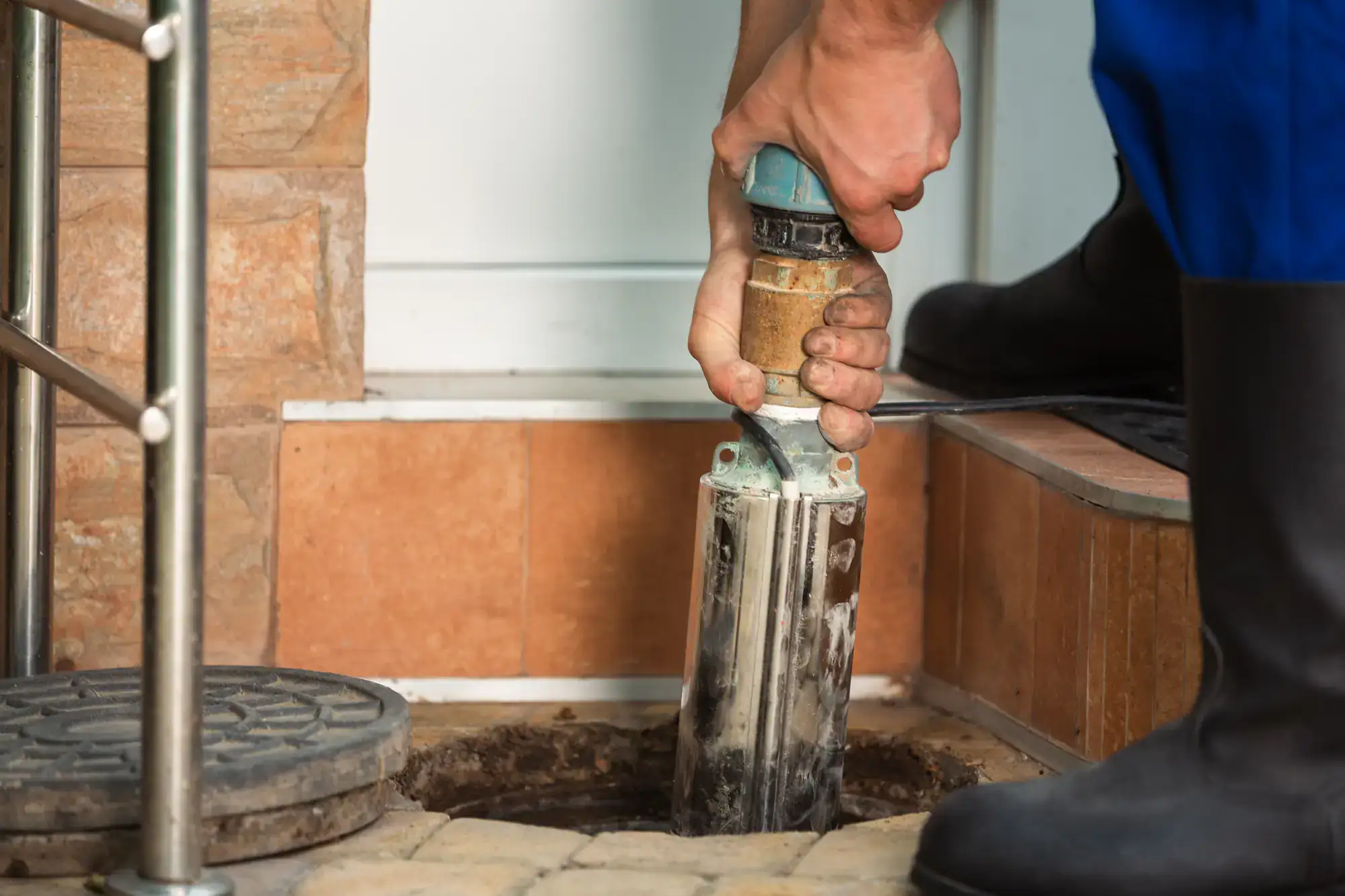
This is the most common concern we hear from Auburn homeowners, especially those in Historic Old Town or the Auburn Ravine corridor where clay and cast iron pipes are still in service. The honest answer is that hydro jetting is safe for structurally sound pipes — but it can cause problems if applied to a pipe that’s already cracked, corroded, or compromised. That’s exactly why we run a camera inspection before every hydro jetting service.
The camera lets us assess the actual condition of your pipe before we apply any pressure. If a section of clay lateral shows root intrusion at a joint but the pipe wall is otherwise intact, we can jet it safely. If we find a section that’s cracked or partially collapsed, we’ll tell you that before we start — and we’ll tell you what the right next step is instead. The goal is to fix your drain problem, not create a new one. Pressure is also calibrated to the pipe material, so older systems in Auburn aren’t treated the same way as modern PVC.
Snaking uses a rotating metal cable to punch through a clog. It’s effective for a blockage close to the drain opening — typically within the first several feet of pipe — and it works well for a one-time obstruction like a hair clog or a piece of debris. The problem is that it doesn’t clean the pipe. It clears a path through the clog and leaves everything else — the grease coating the walls, the root fragments, the mineral scale — exactly where it was.
Hydro jetting uses pressurized water at up to 4,000 PSI to scour the entire interior surface of the pipe. It doesn’t just open a channel; it removes the buildup from the walls. For Auburn homeowners dealing with a drain that clogs repeatedly after snaking, or multiple drains backing up at the same time, hydro jetting is almost always the right tool. If your kitchen drain has been snaked twice in the last six months and it’s slowing down again, the pipe needs to be cleaned — not just cleared. That’s the difference.
Residential hydro jetting in Auburn typically runs between $450 and $900. Where your job falls in that range depends on the severity of the blockage, the length of pipe being cleaned, and how accessible the cleanout is. A straightforward kitchen drain line with grease buildup is going to be toward the lower end. A main sewer line with significant root intrusion and limited access is going to be toward the higher end.
That price includes the camera inspection before we start, the full hydro jetting service, and a post-service camera inspection to document the results. There are no add-on fees for the inspection or for showing up. The price quoted before work begins is what you pay — full stop. For Auburn homeowners who’ve been snaking the same drain repeatedly at $200 or more per visit, the math on hydro jetting often works out in your favor within the first year, especially when the results hold for one to three years instead of a few weeks.
For most Auburn residential properties, hydro jetting every one to three years is a reasonable maintenance window — assuming the service fully clears the line and no major structural issues are present. The actual frequency depends on what’s driving the buildup. A home with heavy kitchen grease output or a main line that runs near mature oak or pine trees will need service more often than a newer home with PVC pipes and minimal tree coverage.
Auburn’s specific conditions push toward the more frequent end of that range for many properties. The clay soils throughout parts of Auburn retain moisture year-round, which keeps root systems actively seeking sewer lines even outside of the rainy season. If your home is in an older Auburn neighborhood with established landscaping and clay sewer laterals — Old Town Auburn and the Auburn Ravine area are the clearest examples — annual inspection with hydro jetting as needed is a reasonable approach. The post-service camera inspection gives you a baseline to compare against, so the next service call isn’t guesswork.
Yes — hydro jetting at 4,000 PSI can cut through tree root intrusions up to roughly a quarter inch in diameter and flush the debris out of the line. For Auburn properties with mature trees near the sewer lateral, this is often the most effective way to restore flow without immediately resorting to pipe replacement.
That said, hydro jetting removes the roots that have grown into the pipe — it doesn’t stop the tree from sending new ones. Root systems grow back, and in Auburn’s clay-heavy soils with their year-round moisture retention, they tend to grow back steadily. For properties with significant root intrusion, annual maintenance jetting is often the most practical long-term approach. It’s considerably less expensive than trenchless repair or excavation, and it keeps the line flowing without disruption to your yard. The camera inspection after jetting will also show whether the root intrusion has caused any structural damage to the pipe that would need to be addressed separately.
Yes. We offer 24/7 emergency service, including hydro jetting for main line backups and urgent sewer blockages in Auburn. A sewer backup that’s pushing water up through a floor drain or causing multiple fixtures to back up simultaneously isn’t something that can wait until the next available appointment — and we don’t ask you to wait.
Auburn’s older neighborhoods are particularly vulnerable to emergency blockages during and after heavy winter rain. When saturated soil increases pressure on aging clay pipe joints and a partially blocked line finally gives out, the result is often a fast-moving situation. Having a plumber who answers the phone at 10 PM and can be on-site the same night matters in those moments. When you call, you’ll get a real person, a straight answer on availability, and a quoted price before anyone touches your pipes. The same pricing transparency that applies to scheduled jobs applies to emergency calls — no after-hours surcharge surprises once the work is done.
Other Services we provide in Auburn