
Hear from Our Customers
Most Herald homes sit on private wells, which means there’s no monthly water bill flagging a slow leak before it turns into real damage. A whole house leak detection system monitors your water flow continuously and when something’s off, you know immediately on your phone, whether you’re in Galt running errands or out of town for a week.
That matters even more on larger rural properties where the main house, a guest structure, or an outbuilding might go unchecked for days. Decades of hard well water in this part of Sacramento County accelerate pipe corrosion in ways that city-water homes don’t experience at the same rate. A smart water leak detection system in Herald catches what your eyes can’t the slow drip behind a wall, the failing joint under a slab, the supply line that’s been quietly losing pressure for months.
And if your system is set up with automatic shutoff, it doesn’t just alert you it stops the water. That’s the difference between a service call and a $15,000 insurance claim.
We’ve been serving Sacramento County and the surrounding region since 2009. Founded by Ryan Murray, our company grew from a one-man operation into one of the most consistently reviewed plumbing contractors in the area 4.7 out of 5 stars across 93 verified Google reviews, with customers regularly noting honest pricing, on-time arrivals, and final bills that came in at or under the original quote.
Herald is the kind of community that demands a contractor who actually understands rural property. Homes out here off State Route 104 aren’t suburban tract houses they’re custom builds and ranch properties on large acreage, fed by private wells, and built at different points over the last several decades. We hold California Contractor’s License #916322 and work within Sacramento County permitting requirements, so every smart leak detector installation is done right and done legally.
You won’t get a national franchise that’s learning your system on the fly. You’ll get a local team that’s seen this kind of property before.
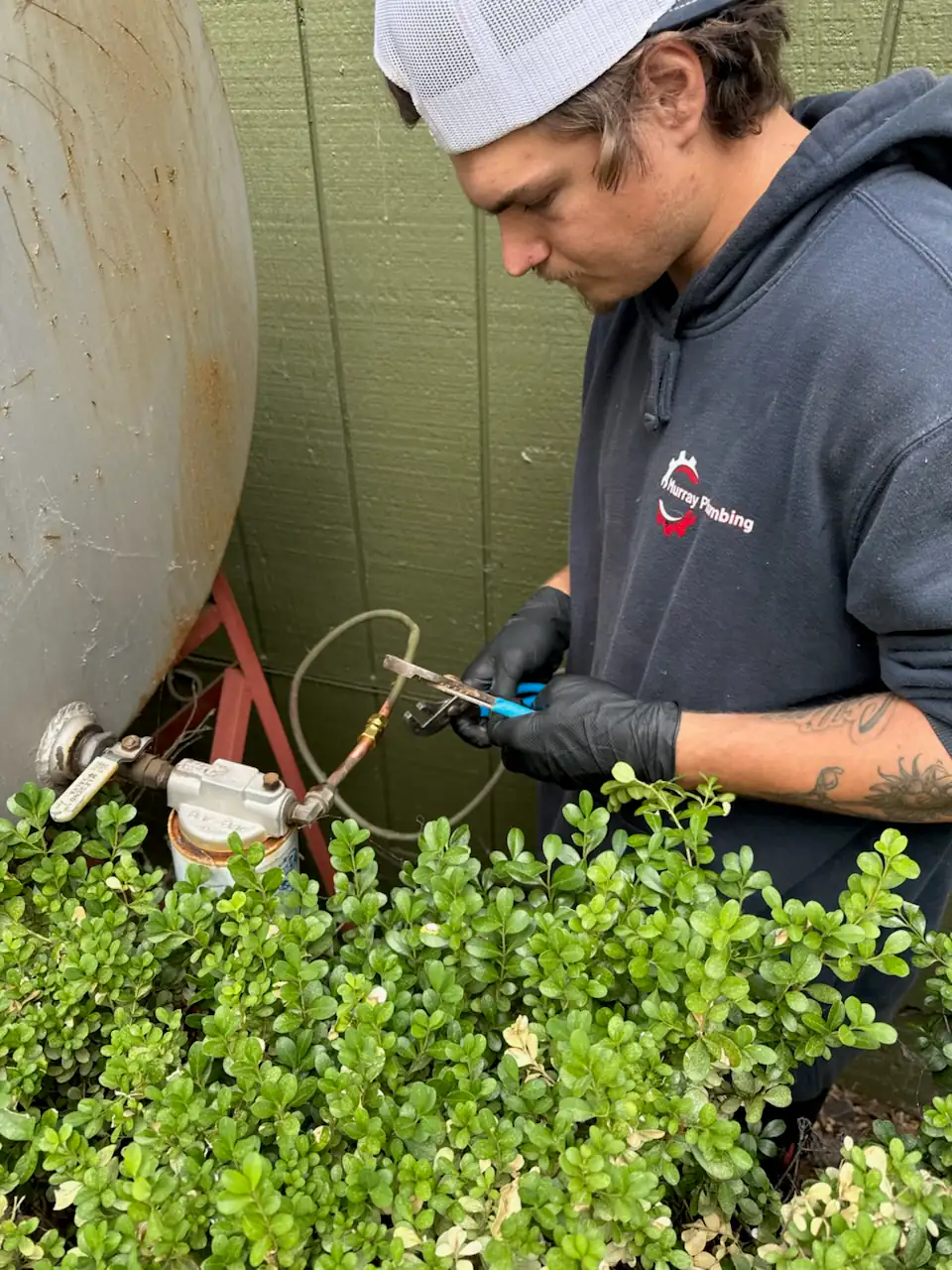
The first step is sizing. Not every home gets the same device the right water leak detection system depends on your water line diameter, your pressure setup, and where the main shutoff is located. On well-fed properties in Herald, that also means accounting for your pressure tank configuration before anything gets installed. Getting this wrong upfront leads to inaccurate readings and false alerts, so we take the time to assess your specific setup before we touch anything.
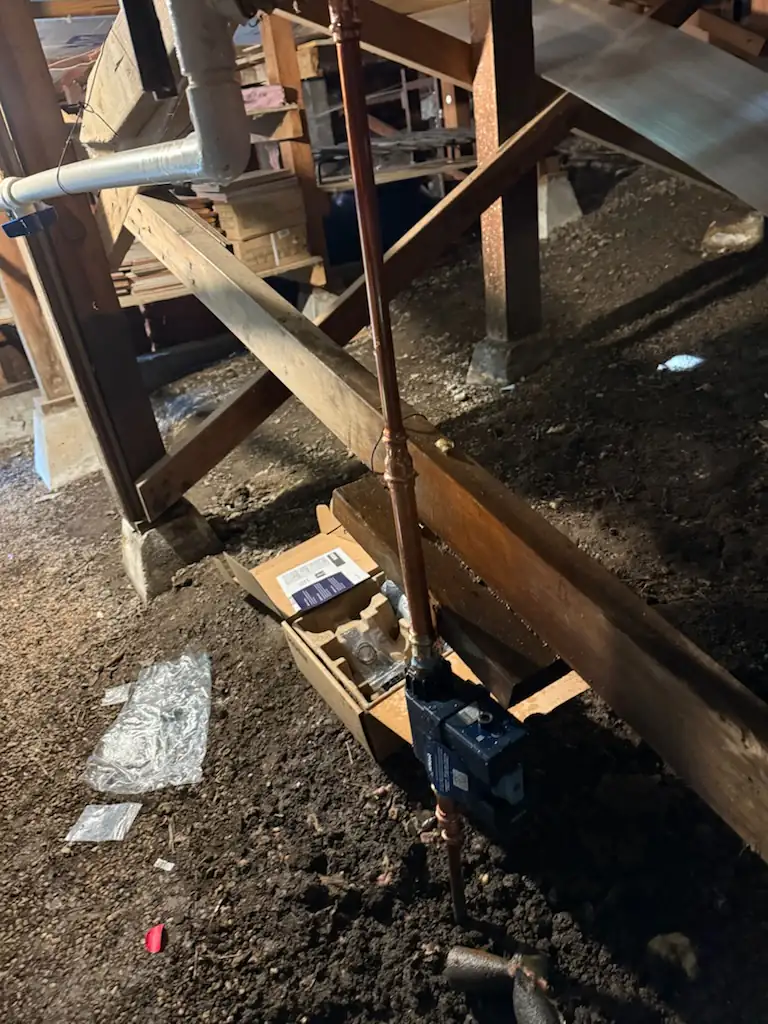
Once the right system is selected, installation happens at the main supply line typically after the pressure regulating valve. For Moen smart water monitors, that placement gives the device a full picture of everything flowing through your home. After the hardware is in, we configure the Moen Smart Water App on your phone, set your alert thresholds, and walk you through how to read what you’re seeing. You don’t need to be a tech person if you can read a text message, you can use this system.
Before we leave, we run the system through a full test. If something’s not right, we fix it before we go. That’s not a bonus it’s just how the job gets done.
Ready to get started?
Every water leak detector installation in Herald includes the full scope not just the device. That means correct sizing for your supply line, proper placement on your main water line, complete app setup, alert configuration, and a walkthrough so you actually know how to use what you just paid for. Nothing gets left half-finished.
For Herald homeowners on private wells, we also factor in how your pressure tank and pump system interact with the monitor. Hard well water in this region is known to carry elevated mineral content that wears on pipes and seals over time so we position the detector where it can catch the kind of gradual, corrosion-driven flow changes that well-water homes are more prone to. If you’re on a larger property with multiple structures or outbuildings fed from the same main line, we’ll discuss what coverage looks like for your specific layout before installation begins.
All work is performed under California Contractor’s License #916322 and complies with Sacramento County plumbing code. If your installation requires a county permit, we handle that too. Pricing is upfront before any work starts no estimate fees, no surprise invoices at the end.
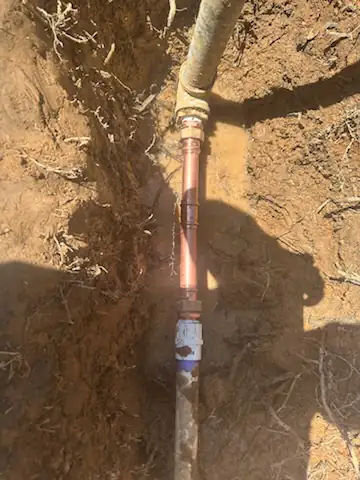
Yes and in some ways it works better on a well-fed property than on a municipal line. The reason is simple: when you’re on city water, a slow leak eventually shows up as a spike on your monthly bill. On a private well in Herald, that signal doesn’t exist. Your pump just keeps running, your electricity costs quietly climb, and the leak keeps going until something visible happens or until the pump burns out.
A whole house water leak detection system monitors flow at your main supply line continuously. If water is moving when it shouldn’t be say, at 2 a.m. when nobody’s using anything the system flags it and alerts your phone. With automatic shutoff enabled, it can stop the flow entirely before damage compounds. The one thing we do on well-fed properties is account for your pressure tank setup during installation, since that affects where the device sits and how it reads your baseline flow. That’s part of what we assess before the system goes in.
The honest answer is that it depends on your property specifically your water line size, whether you’re adding automatic shutoff capability, and how accessible your main supply line is. For a standard whole home water leak detection system installation on a single-family property in Herald, most homeowners are looking at a range that covers the device itself plus professional installation, app setup, and a full system test before we leave.
What we can tell you upfront is that there are no estimate fees and no surprise charges at the end. The price you’re quoted before work starts is the price you pay and more than a few customers have noted their final bill came in under the original quote. On a property valued at $700,000 or more, which is the median range for Herald homes, the cost of installation is a fraction of what a single water damage claim averages and many homeowners insurance carriers offer a 5–10% annual premium discount for smart water monitoring systems. Ask your agent before you write the installation off as an expense.
A point-of-use sensor sits on the floor near a specific appliance under the sink, behind the washing machine, next to the water heater. It detects standing water at that spot and sends an alert. That’s useful, but it only covers the area it can physically reach. If a pipe fails inside a wall or under a slab somewhere else in the house, a floor sensor in the laundry room isn’t going to catch it.
A whole house leak detection system works differently. It monitors total water flow at the main supply line, so it sees everything moving through your home at once. If flow is running when it shouldn’t be or if the pattern looks unusual it alerts you regardless of where the issue is. For a large rural property in Herald with significant square footage, multiple bathrooms, and potentially an outbuilding or guest structure on the same supply line, a whole-home monitor gives you comprehensive coverage that individual sensors simply can’t match. Most homeowners end up using both: a whole-home monitor for the big picture and a few point-of-use sensors near high-risk appliances.
Herald is an unincorporated community, so permitting falls under Sacramento County’s Department of Community Development rather than a city building department. Whether a permit is required depends on the scope of the work specifically, whether the installation involves modifying the main supply line or adding an automatic shutoff valve, which is typically considered plumbing work subject to county code.
We hold California Contractor’s License #916322 and operate in full compliance with Sacramento County plumbing requirements. If your installation requires a permit, we pull it that’s part of the job, not an add-on conversation. What you want to avoid is hiring someone who skips the permit to save time, because unpermitted plumbing work can create problems when you sell the property or file an insurance claim. All of our work is done the right way from the start.
There’s no bad time, but there are smarter windows. Fall is probably the most practical time for Herald homeowners you’re getting ahead of the wet season before the atmospheric river storms that have historically caused flooding along the Cosumnes River corridor. Sacramento County has issued flood evacuation warnings naming Herald specifically during past storm events, and while a smart leak detector doesn’t stop external flooding, it does protect you from the internal failures that often happen during and after heavy weather: pressure surges, ground movement stressing older pipe joints, and appliances working harder in cold conditions.
Summer installations make sense for a different reason if you’re leaving the property for an extended period, you want the system in place and tested before you go. A large rural property sitting empty for two weeks with an undetected supply line failure is a serious risk. Installing before your travel window, with automatic shutoff configured, means the system is watching your home while you’re not. Either season works the key is not waiting until after something goes wrong.
It can, and it’s worth a direct conversation with your insurance agent before installation. Many carriers offer premium discounts typically in the 5–10% range for homes equipped with smart water monitoring systems, particularly those with automatic shutoff capability. On a high-value rural property in Herald, where median home values run well above the Sacramento County average, that percentage represents real money on an annual basis.
The discount isn’t universal it depends on your specific carrier and policy but the trend across the industry has been moving in this direction as insurers recognize that automatic shutoff systems reduce the severity of water damage claims significantly. Water damage is one of the most common homeowners insurance claims nationally, and carriers have a financial incentive to encourage prevention. When you call your agent, ask specifically about whole-home water flow monitoring with automatic shutoff. That’s the configuration most likely to qualify, and it’s what we install.
Other Services we provide in Herald