
Hydro Jetting
Get a free quote for hydro jetting from your local plumbing team.
We’ll contact you about your hydro jetting request. Privacy policy
Hear from Our Customers
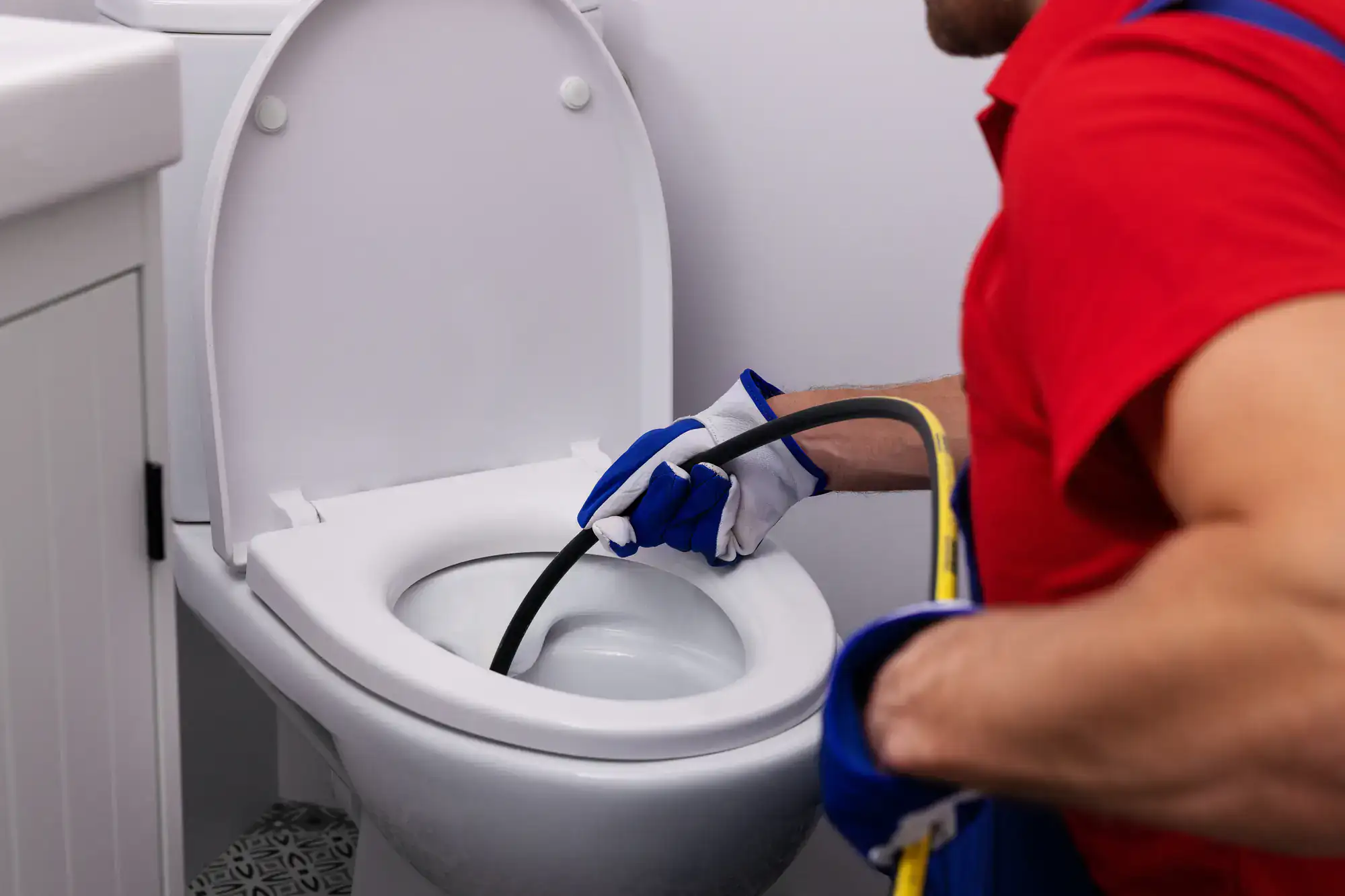
The most immediate thing you notice after a proper hydro jetting service is simple: the drain works. Not “works for now” — actually works. No gurgling. No slow backup after a full sink. No smell creeping up from somewhere you can’t quite pinpoint. That’s what a thorough pipe cleaning does when it’s done right, and it’s a different experience from the temporary relief a snake provides.
For Richmond Grove specifically, that difference matters more than it does in most places. The neighborhood’s housing stock dates back to 1880 through 1940, which means many of the original sewer laterals beneath these homes are running on borrowed time. Clay pipes installed a century ago were designed for a different era of water use. Cast iron pipes from the 1930s and 1940s are scaling from the inside, narrowing the effective diameter of the line with every passing year.
We use hydro jetting at up to 4,000 PSI to scour those walls clean — removing the grease, mineral scale, and root intrusion that’s been building since long before the current owner moved in. If you’re a landlord or property manager with a multi-unit building in Richmond Grove, the stakes are even higher. One blocked main lateral doesn’t just inconvenience one household — it backs up every unit on that line simultaneously. Getting it cleared fast, and cleared properly, protects your tenants and your rental income at the same time.
Murray Plumbing has been serving Northern California since 2009 — a family-owned operation based out of Placerville, with Sacramento as a core part of the service area. That means Richmond Grove, Southside Park, Newton Booth, and the surrounding neighborhoods are regular stops, not one-off calls routed through a national call center.
We hold a California C-36 Plumbing Contractor License, fully verified through the CSLB, and carry full insurance and bonding. For Richmond Grove’s historic properties — many of which fall under the Richmond Grove Historic District designation — that matters. You’re not handing access to a 100-year-old home to someone you can’t verify.
With a 4.7/5 rating across 93 Google reviews and a 97% review response rate, our track record speaks for itself. Customers consistently call out the same things: technicians who show up when they say they will, explain what we’re doing before we do it, and charge what we quoted — sometimes less.
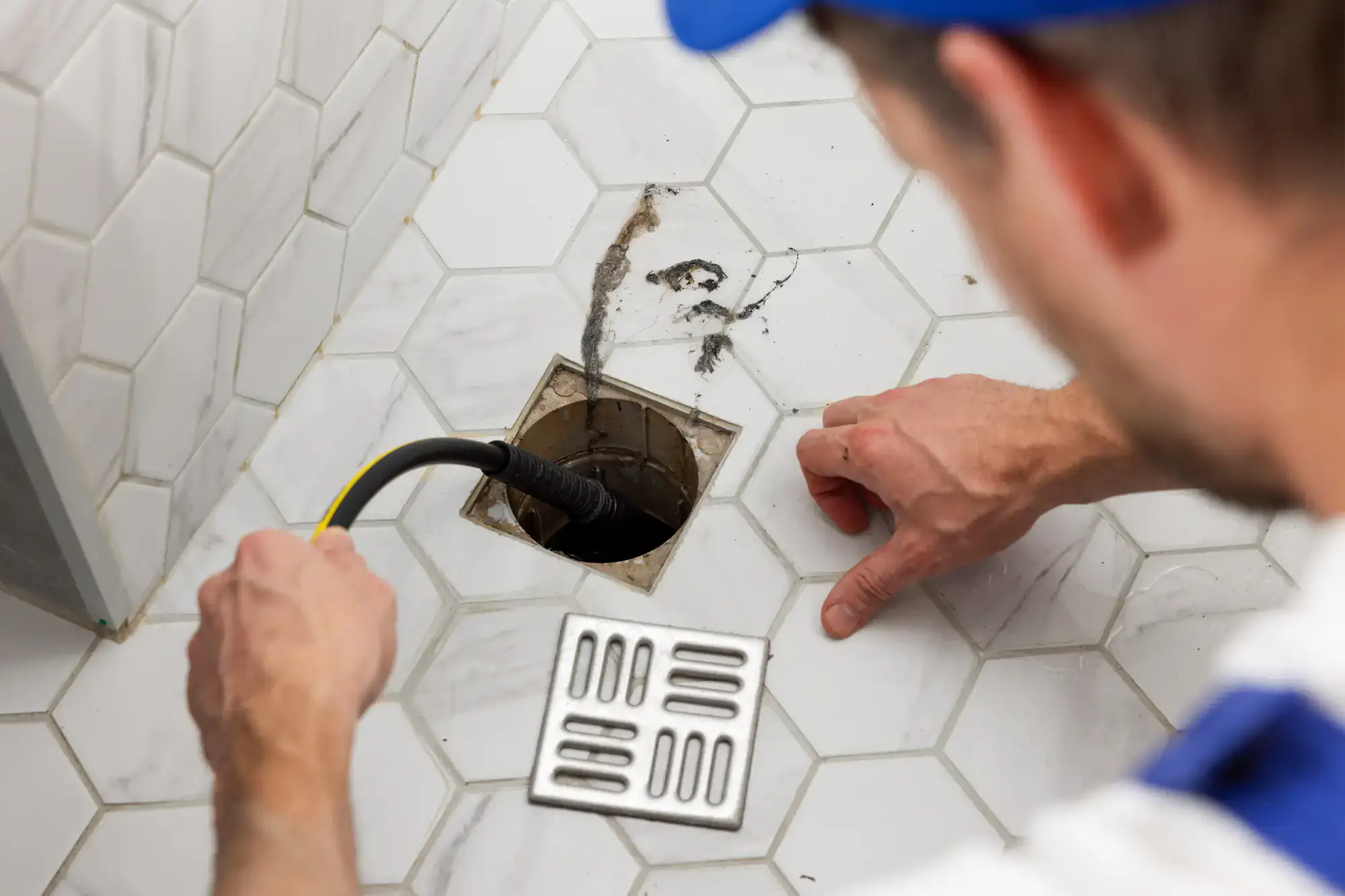
It starts with a camera inspection — every time, no exceptions. Before any pressure is applied to your pipes, a camera goes in first to locate the blockage, identify what’s causing it, and assess the condition of the pipe itself. This step is especially important in Richmond Grove, where original clay and cast iron laterals may have cracked joints, root intrusion points, or sections that have shifted over decades of soil movement.
If the pipe can handle hydro jetting safely, we proceed. If there’s a structural issue that needs to be addressed first, we tell you that before you spend a dollar on a service that won’t solve the underlying problem.
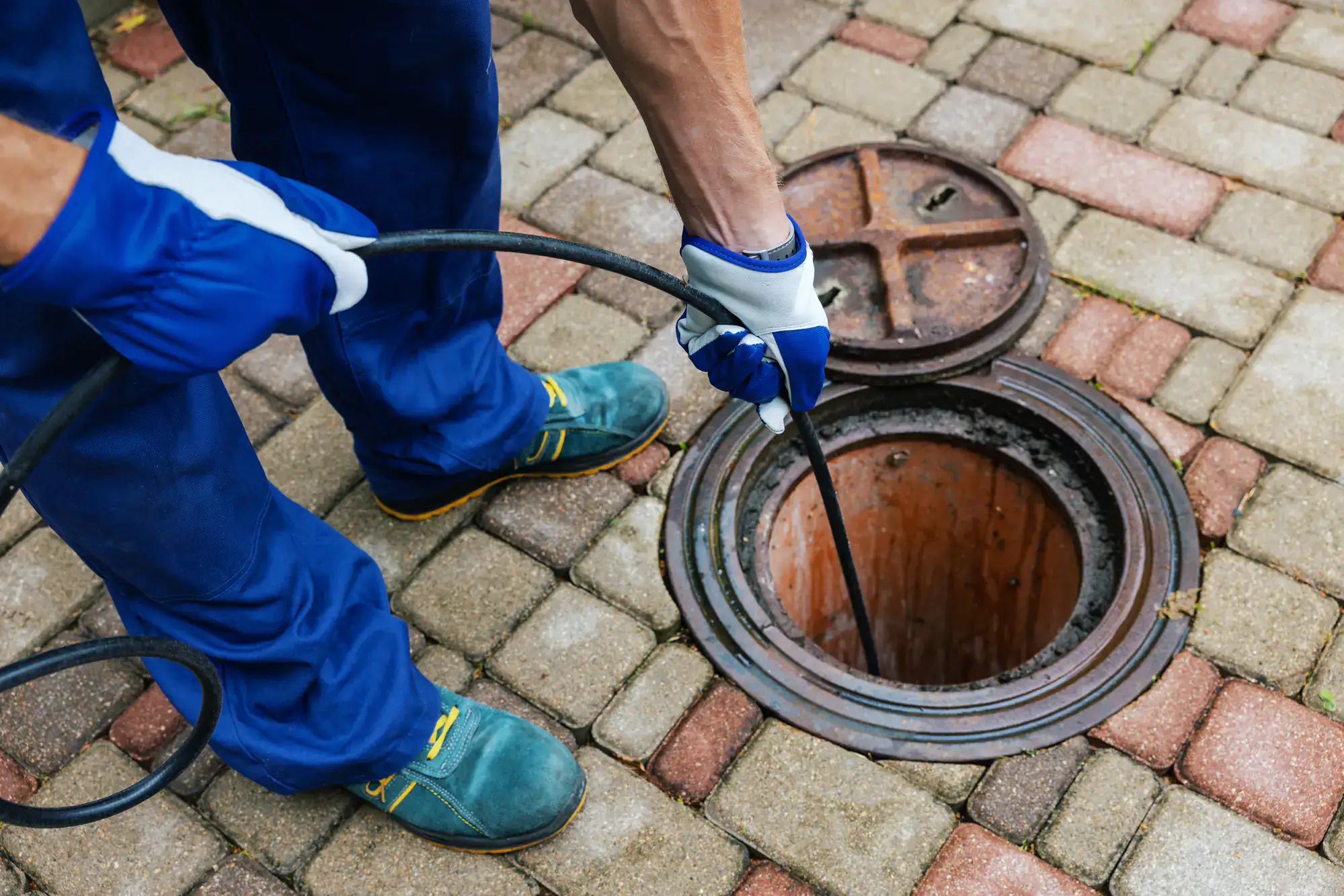
Once the inspection is done and the line is confirmed safe to jet, high-pressure water — up to 4,000 PSI — is introduced through a specialized nozzle that cleans the full diameter of the pipe, not just the center channel. It cuts through tree root masses, blasts away grease that’s been hardening on pipe walls for years, and flushes out mineral scale, silt, and debris that no chemical or snake can touch. The nozzle moves through the line systematically, working from the blockage back toward the cleanout.
After jetting, the camera goes back in. You get a before-and-after record of what was found and what was cleared — documentation that’s genuinely useful if you’re a landlord managing the property or a homeowner who wants to know what condition your lateral is actually in. Sacramento’s dry summers drive tree roots aggressively toward moisture in sewer lines, so knowing where you stand after a cleaning helps you plan the next maintenance cycle before the roots come back.
Ready to get started?
Richmond Grove’s sewer laterals face a combination of challenges that’s fairly unique in the Sacramento area. You’ve got housing built between 1880 and 1940, which means clay and cast iron pipes that have exceeded their designed service life by decades. You’ve got century-old oaks, cottonwoods, and maples lining the streets — Sacramento is known as the City of Trees, and Richmond Grove is one of its most tree-dense neighborhoods. Those root systems have had 50 to 100 years to find every cracked joint and offset section in the aging laterals beneath the neighborhood.
In the multi-unit duplexes and triplexes that make up a significant portion of Richmond Grove’s housing stock, you’ve got multiple kitchens generating grease into a shared lateral that may not have been properly cleaned in years.
We address all of it. The pre-jetting camera inspection identifies root intrusion points and pipe condition before any pressure is applied — which is critical for older clay and cast iron lines that can’t always handle the same PSI as a newer PVC system. Pressure is calibrated to what the pipe can safely handle, not applied at a single setting across every job.
Residential hydro jetting typically runs $450 to $900, depending on pipe length, blockage severity, and accessibility. That range is given upfront before work begins — not after. For Richmond Grove landlords managing multiple units, that kind of pricing transparency makes authorizing the work straightforward, even remotely. And for any job where the scope changes once the camera is in, you’ll know before we proceed, not when the invoice arrives.
This is one of the most important questions to ask, and the honest answer is: it depends on the condition of the pipe, not just the material. Clay pipes are not automatically off-limits for hydro jetting — many clay laterals in Richmond Grove and the surrounding Southside Park area have been successfully jetted and are flowing well. The key is the camera inspection that happens before any pressure is applied.
If the pipe has significant structural cracking, collapsed sections, or joints that have separated badly, hydro jetting at full pressure could cause additional damage. In those cases, the camera inspection will show that, and the recommendation would be to address the structural issue first. But if the clay pipe is intact — even if it’s old and scaled — hydro jetting is often the most effective way to restore flow and extend the pipe’s useful life before more costly repair or replacement becomes necessary. The pre-jetting inspection isn’t optional. It’s what makes the service safe.
Snaking works by pushing a metal auger through the blockage to punch a hole and restore some flow. It’s effective for clogs close to the drain opening — roughly the first five to ten feet of pipe — and for certain types of soft blockages. What it doesn’t do is clean the pipe. The grease coating the walls stays there. The root fragments that broke off stay there. The mineral scale that’s been narrowing the line for years stays there. The clog comes back, often within weeks, because the conditions that created it were never actually removed.
Hydro jetting uses pressurized water — up to 4,000 PSI in our equipment — to scour the full interior diameter of the pipe from wall to wall. It removes grease buildup, cuts through tree root masses, flushes mineral scale, and clears accumulated silt and debris. For Richmond Grove homes with aging laterals and mature trees nearby, the difference between the two approaches isn’t just about this clog. It’s about whether the same drain backs up again in a month or stays clear for a year or more.
For a single-family home in Richmond Grove without significant tree root pressure and no history of recurring clogs, hydro jetting every two to three years is a reasonable maintenance interval. For properties with mature oaks or cottonwoods near the sewer lateral — which describes a large portion of the neighborhood — annual service is more appropriate, because roots regrow and can partially re-block a cleared line within twelve months.
For multi-unit buildings — duplexes, triplexes, or larger — the calculus changes. Multiple kitchens mean significantly more grease entering the shared lateral, and the consequences of a backup affect every tenant simultaneously. Most property managers with multi-unit Richmond Grove buildings find that scheduling hydro jetting every twelve to eighteen months keeps emergency calls to a minimum and protects the habitability of the units. One proactive service call is a lot less disruptive than an emergency dispatch on a weekend when three sets of tenants are without working drains.
Yes — hydro jetting is one of the most effective tools available for clearing tree root intrusion from sewer lines. Our equipment operates at up to 4,000 PSI, which is sufficient to cut through root masses up to a quarter-inch in diameter and flush the debris out of the line. For Richmond Grove’s aging clay and cast iron laterals, where roots have often been growing through cracked joints for years, this is frequently the right first step before considering more invasive repair options.
What hydro jetting doesn’t do is prevent roots from returning. Once a root finds an entry point in a pipe joint, it will regrow toward that same moisture source. The camera inspection after jetting will show you where the entry points are and give you a clear picture of whether the pipe joint can be sealed or whether a section of pipe needs to be repaired or replaced to stop the cycle. In many cases, clearing the roots and then addressing the entry point is far less expensive than a full lateral replacement — and the camera documentation makes that decision an informed one rather than a guess.
Our residential hydro jetting services typically run between $450 and $900. That range exists because no two jobs are identical — the length of the lateral, the severity and type of blockage, the accessibility of the cleanout, and the condition of the pipe all factor into the final number. What doesn’t vary is when you find out: the price is quoted before work begins, and that’s the number on the invoice when the job is done.
For Richmond Grove specifically, a few things commonly affect where a job lands in that range. Longer laterals — which are common in older Sacramento neighborhoods where homes sit farther from the public main — take more time and more passes to clear thoroughly. Significant root intrusion requires more careful, methodical jetting than a straightforward grease blockage. And if the pre-jetting camera inspection reveals a pipe condition that changes the scope of work, you’ll know before the jetting starts, not after. There are no surprise charges added after the fact.
We offer 24/7 emergency hydro jetting service throughout the Sacramento area, including Richmond Grove and the surrounding neighborhoods. If a main sewer lateral backs up on a Friday night and multiple units in a building are affected, that’s not a situation that can wait until Monday morning — and it doesn’t have to.
Emergency availability matters particularly in Richmond Grove’s rental property market. When a sewer backup creates a habitability issue for tenants, the clock starts immediately — both from a tenant relations standpoint and from a practical standpoint of preventing sewage from reaching living spaces. Getting a qualified, licensed plumber dispatched the same night, rather than waiting for a franchise call center to route someone in the morning, is the difference between a manageable situation and a significantly worse one. When you call Murray Plumbing, you reach someone who can actually dispatch — not a recording or a queue. Response time is one of the things customers mention most consistently in reviews, and it’s treated as a core part of the service, not an add-on.
Other Services we provide in Richmond Grove