
Hear from Our Customers
You already know your Kitec system is a problem. You’ve probably searched it, read about the lawsuits, maybe even talked to your insurance company. What you need now isn’t more information about why Kitec fails—you need it out of your house.
A complete Kitec repipe in Auburn, CA means you’re not patching leaks or crossing your fingers every time you hear water running through the walls. You’re eliminating the risk entirely. New copper or PEX piping lasts 75 to 100 years, maintains consistent water pressure, and won’t corrode from the inside out like those brass fittings in your current system.
Your home value stabilizes. Your insurance company stops treating you like a liability. You can actually leave for vacation without wondering if you’ll come home to a flooded house. That’s what a professional Kitec repiping does—it removes the ticking clock.
We’ve been handling residential and commercial Kitec repiping in Auburn, CA and throughout El Dorado County since 1999. We’re not a franchise or a call center—we’re a local team that shows up on time, gives you a straight answer, and doesn’t pad the estimate.
Auburn homeowners built between 1995 and 2007 are in the highest-risk zone for Kitec installations. We’ve repiped dozens of homes in your area, and we know exactly what’s behind those walls. Our 4.7-star Google rating comes from people who needed emergency help and transparent pricing during a stressful situation—and got both.
First, we inspect your entire system to map out where the Kitec runs and what replacement materials make the most sense for your home. Most Auburn properties need either copper L-type or PEX—we’ll explain the difference and let you decide.
Once we start, most residential Kitec repiping projects take three to five days depending on your home’s size and layout. We work in sections so you’re not without water overnight. Each evening, we restore service to your kitchen and bathrooms so your routine stays as normal as possible.
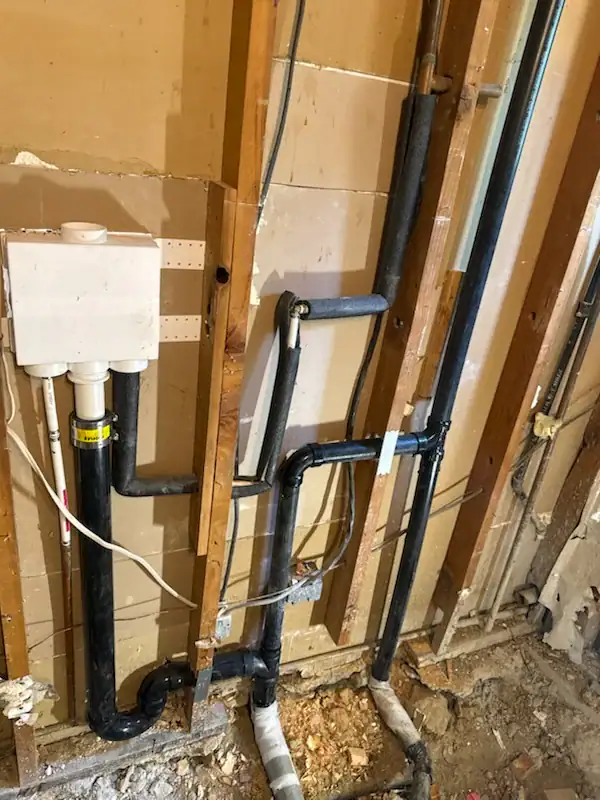
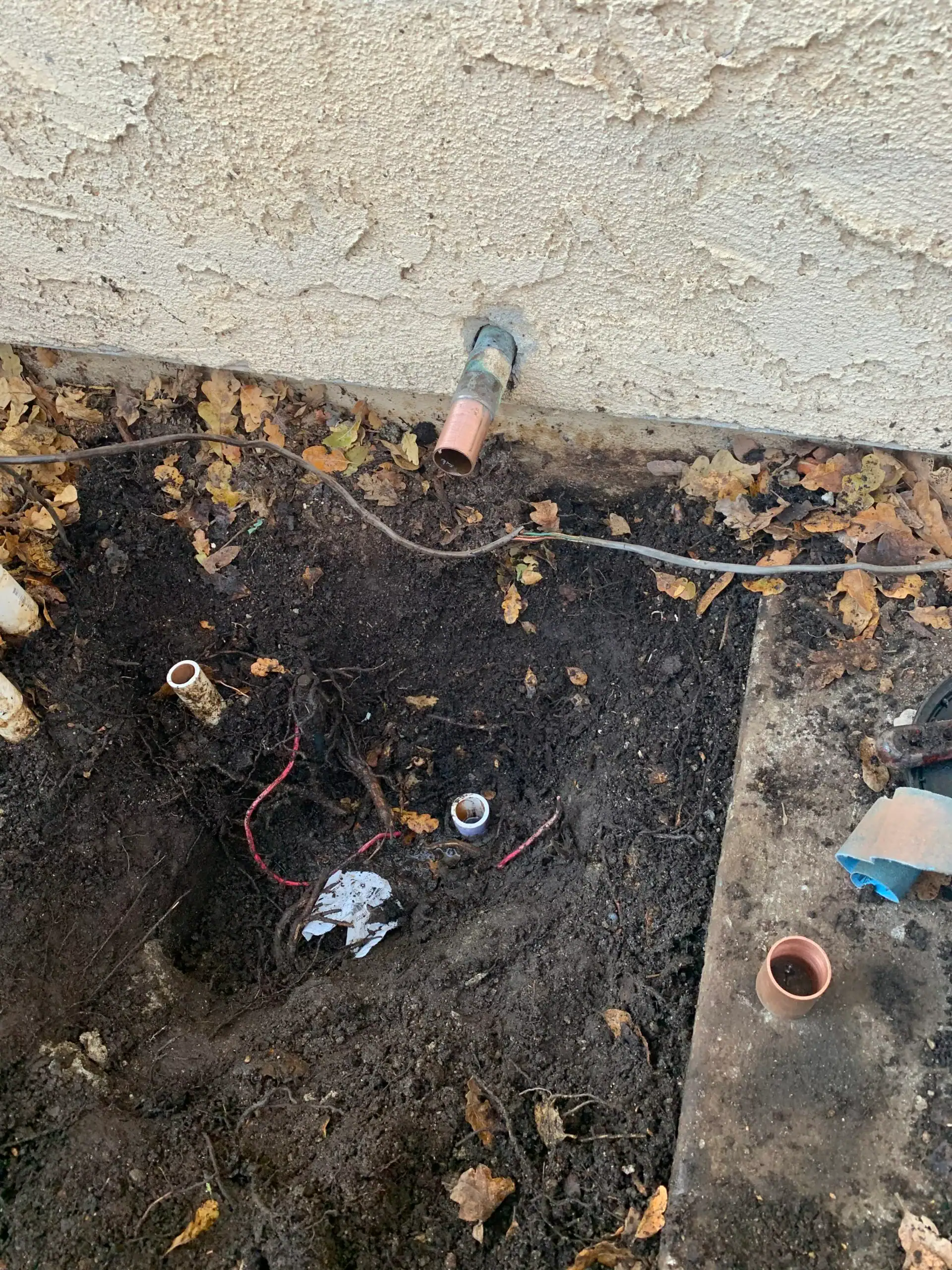
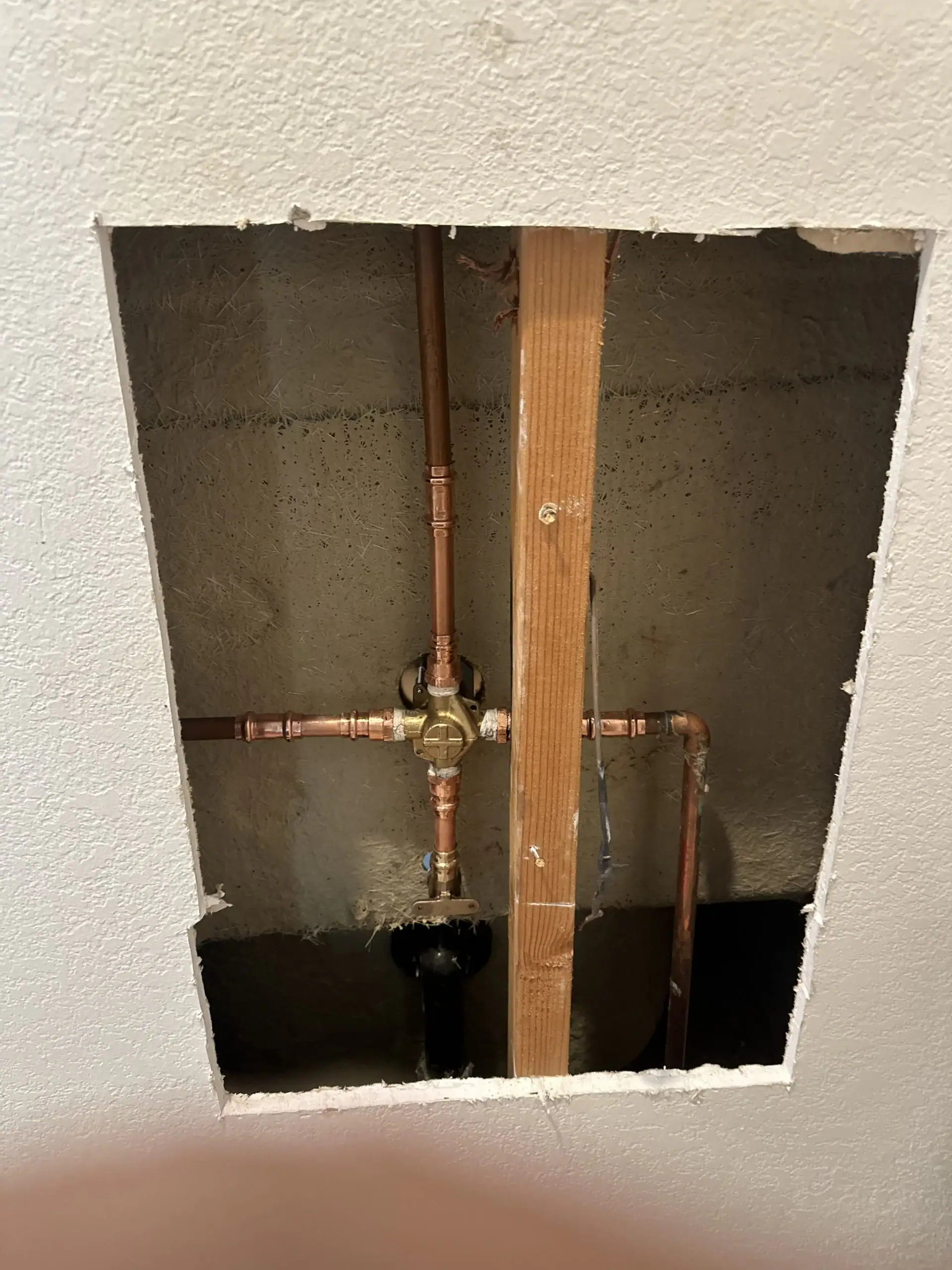
We remove the old Kitec piping, fittings, and manifolds, then install your new system to current code. That includes pressure testing, inspections, and patching any drywall we opened. You’re not left with a mess or a list of things to finish yourself. By the time we’re done, your plumbing is modern, reliable, and built to last decades—not years.
Ready to get started?
A complete Kitec repipe in Auburn, CA means removing every inch of the old system—hot and cold lines, fittings, manifolds, everything. We replace it with American-made copper or PEX piping that meets California plumbing code and won’t degrade over time.
You get a full inspection upfront, transparent pricing with no surprise fees, and a detailed walkthrough of what we’re doing and why. We handle permits, coordinate inspections, and make sure your new system is pressure-tested before we call it done. Any drywall or access points we open get patched and left clean.
Auburn homes built during the Kitec installation window often have unique layouts—hillside lots, split-level designs, crawl spaces with limited access. We’ve worked in all of them. Our team knows how to route new piping efficiently without tearing apart your entire house, and we’re available 24/7 if something fails before we can get your repipe scheduled.
Most residential Kitec repiping projects in Auburn run between $8,000 and $15,000 depending on your home’s size, how many bathrooms you have, and whether we’re working with a crawl space, slab foundation, or basement access. A 1,500-square-foot home with two bathrooms typically falls around $10,000.
That might sound like a lot until you compare it to the cost of a single pipe burst—water damage, mold remediation, flooring replacement, and lost belongings can easily hit $20,000 or more. And if your insurance company finds out you knew about the Kitec and didn’t replace it, they may not cover the damage at all.
We give you a detailed estimate upfront after inspecting your system. No hidden fees, no surprises when the job’s done. Most of our customers tell us the final bill came in lower than they expected, and that’s because we don’t inflate the quote to leave room for add-ons later.
Most Auburn homes take three to five days for a complete Kitec repipe. Smaller homes with straightforward layouts can sometimes be done in two to three days. Larger properties or homes with difficult access—like steep hillside lots or complex multi-story designs—might take a week.
We work efficiently, but we don’t rush. Every connection gets tested, every fitting gets inspected, and we don’t move on until we’re confident the system is solid. You’ll have water service restored each evening so you can use your kitchen and bathrooms normally overnight.
The timeline also depends on whether we need to coordinate inspections or handle any unexpected issues once we open the walls. We keep you updated every step of the way so you know exactly where we are in the process and when you’ll be fully operational again.
You can, but it’s not a solution—it’s a delay. Kitec fails because the brass fittings lose their structural integrity over time. The high zinc content reacts with your water chemistry and slowly breaks down the metal from the inside. Once that process starts, it’s happening throughout your entire system, not just at the spot that’s leaking today.
Patching one leak might buy you a few months, but you’ll be back in the same situation soon—another leak, another emergency call, another repair bill. Over time, those one-off repairs add up to more than the cost of a full repipe, and you’re still living with the constant risk of a catastrophic failure.
If your Kitec system is leaking, it’s telling you the rest of the system is already compromised. Replacing it now, on your timeline, is a lot less stressful and expensive than replacing it after a burst pipe floods your home at 2 a.m.
Most insurance companies won’t pay to replace your Kitec system before it fails—they consider that a maintenance issue, not a covered loss. But if your Kitec bursts and causes water damage, your policy might cover the damage itself, though many insurers are now adding higher deductibles or exclusions specifically for Kitec-related claims.
Some insurance companies in California are refusing to renew policies for homes with Kitec still installed, or they’re raising premiums significantly to offset the risk. If you’re trying to sell your home, buyers’ lenders may require proof that the Kitec has been replaced before they’ll approve the loan.
The class action settlement against the Kitec manufacturer ended in 2020, so that compensation option is no longer available. At this point, replacing your Kitec system is an out-of-pocket investment—but it protects your home’s value, keeps your insurance intact, and eliminates the risk of a much more expensive disaster down the road.
Copper L-type piping is the traditional choice—it lasts up to 100 years, handles high temperatures and pressure, and has a proven track record in California homes. It’s more expensive upfront and takes longer to install because every joint has to be soldered, but it’s incredibly durable and many homeowners prefer it for peace of mind.
PEX is a flexible plastic piping that’s become the standard for repipes over the last 20 years. It lasts about 75 years, installs faster because it doesn’t require soldering, and costs less than copper. It’s also quieter—you won’t hear that metallic clanging when water flows through the lines. PEX meets all California building codes and performs just as reliably as copper in residential applications.
Both options are a massive upgrade over Kitec. We’ll walk you through the pros and cons based on your home’s layout, your budget, and how long you plan to stay in the house. There’s no wrong choice here—either one eliminates the risk you’re dealing with now.
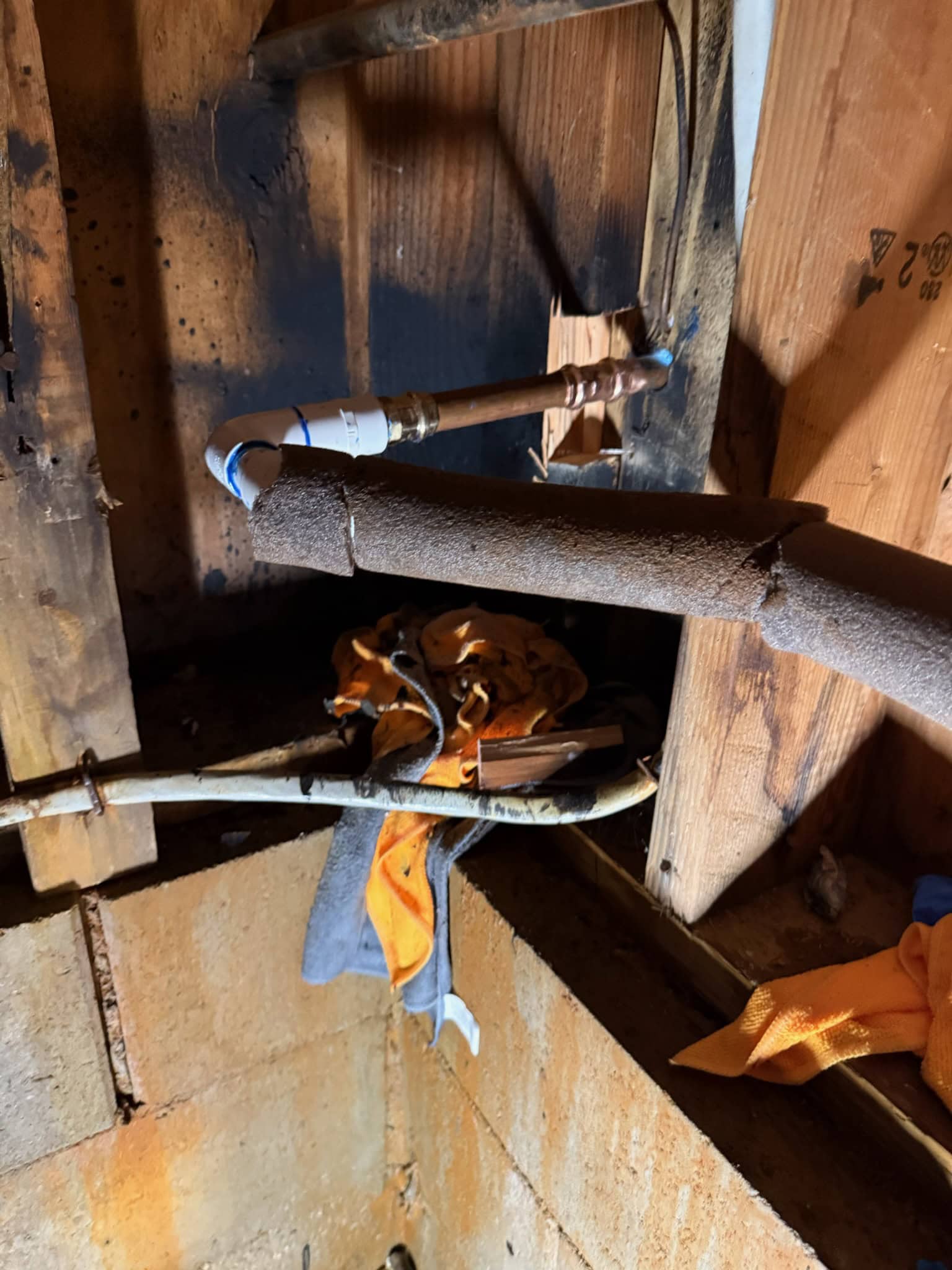
If your home was built or remodeled between 1995 and 2007, there’s a chance you have Kitec. Look for blue and orange plastic piping, usually marked with “Kitec” or “KTC” on the pipe itself. The brass fittings are another giveaway—they’re often stamped with the Kitec logo or the manufacturer’s name, IPEX.
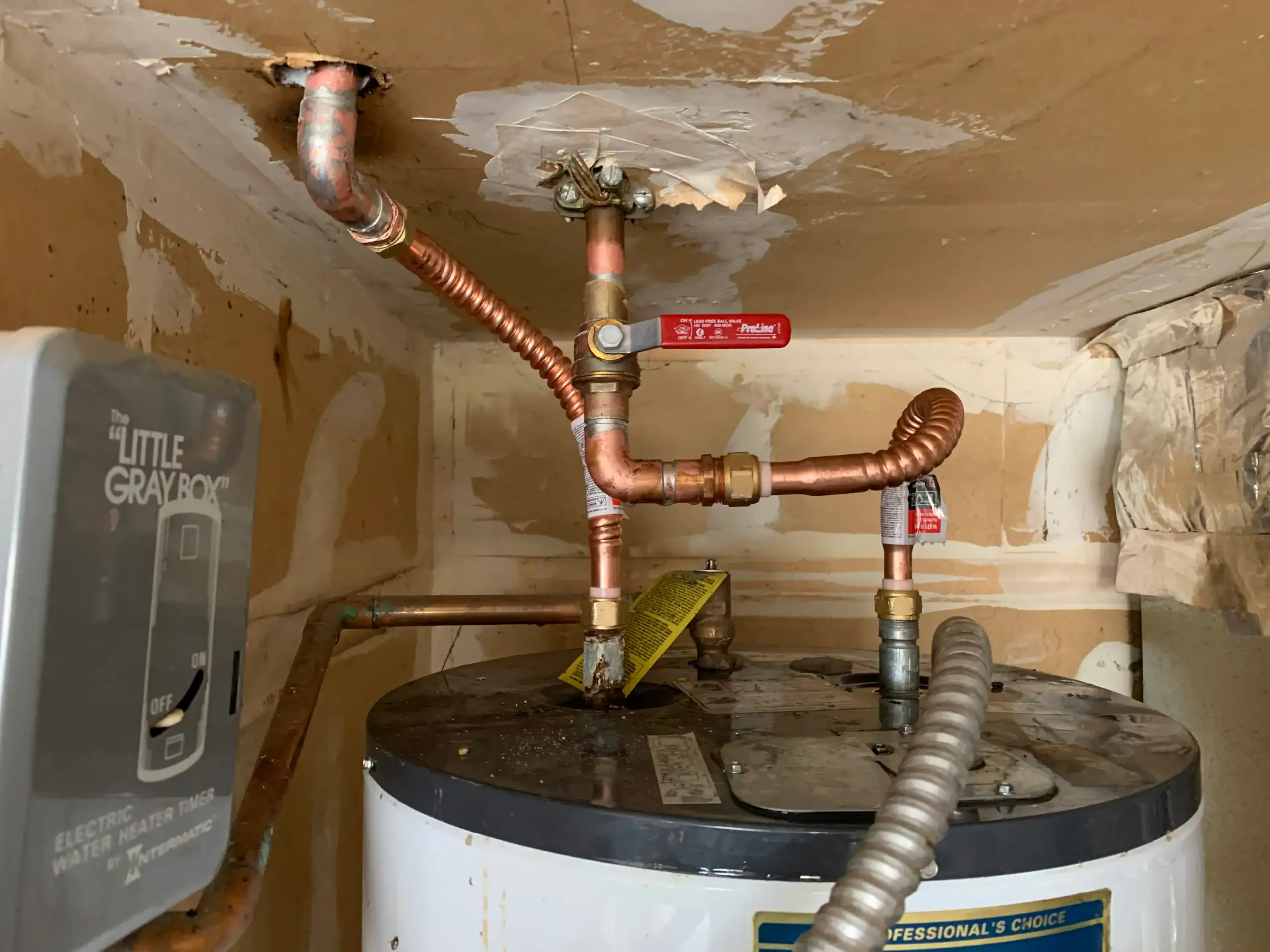
Check your water heater, under sinks, in your crawl space, or anywhere you can see exposed plumbing. Kitec was commonly used for both hot and cold water lines, and it’s often connected to a manifold system that distributes water throughout the house. If you see those distinct blue and orange lines, you’ve got Kitec.
Not sure? We’ll come out and inspect your system for free. We’ve seen enough Kitec installations in Auburn to spot it immediately, and we’ll give you a straight answer about what you’re dealing with and what your options are. No pressure, no sales pitch—just the information you need to make the right call for your home.
Other Services we provide in Auburn