
Hear from Our Customers
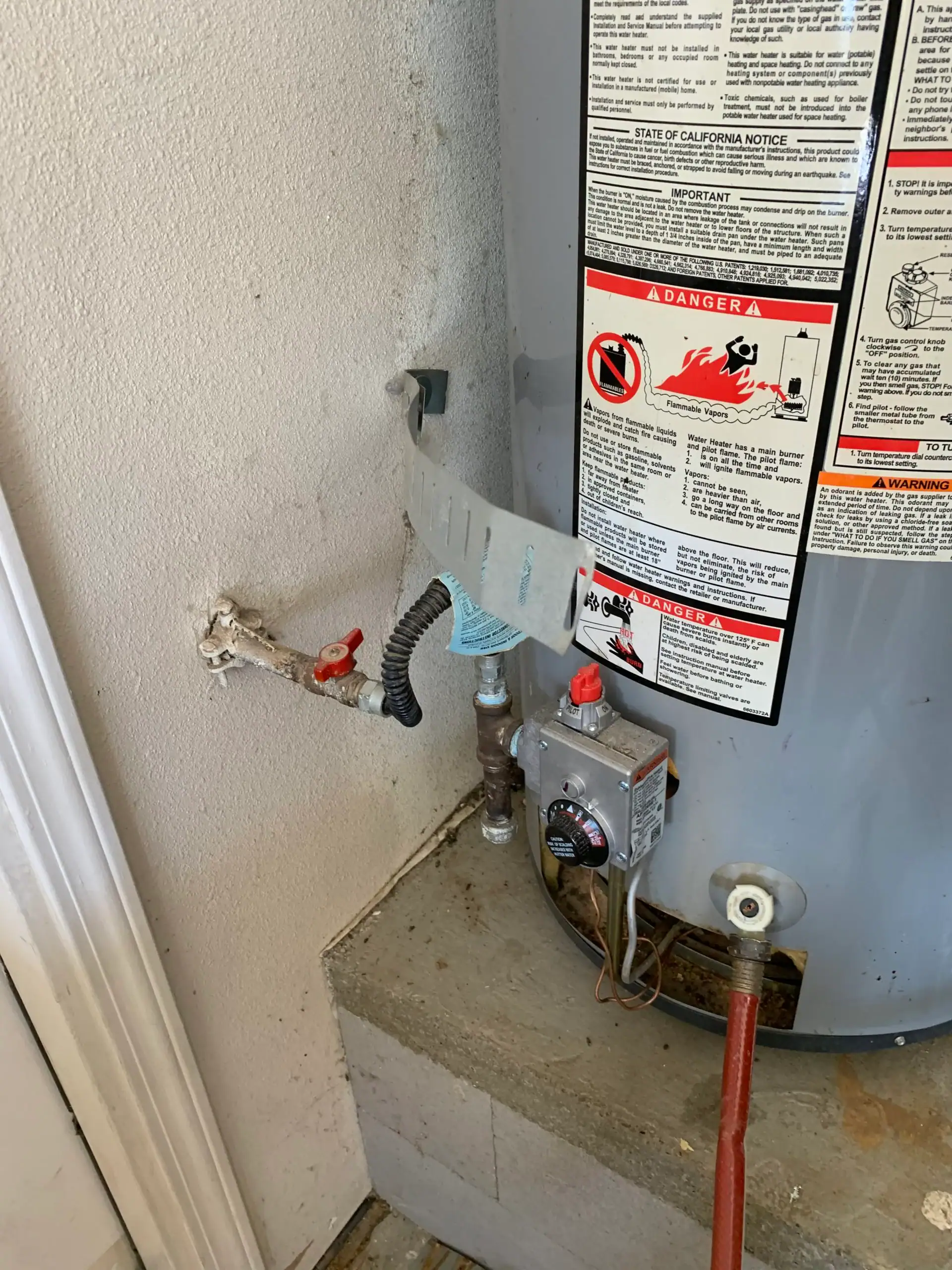
The moment a DSA-certified seismic shut-off valve is installed at your gas meter, your home responds to an earthquake on its own no phone call, no waiting, no hoping the line held. The valve detects horizontal ground movement and cuts gas flow in milliseconds. That matters everywhere in California, but it matters more in Clay.
Out here in the Cosumnes area near Clay, you’re not in a dense suburb where a fire truck is two minutes away. Properties along Clay Station Road and the surrounding county roads sit on larger parcels sometimes with gas lines running to detached garages, workshops, or outbuildings in addition to the main house. More line means more exposure. And the flat valley floor that makes this area so livable also sits on deep alluvial soil deposits that actually amplify ground shaking compared to bedrock, meaning a moderate earthquake centered on a distant fault can hit harder here than the magnitude alone would suggest.
Once the valve is in place, you also have documentation a permitted installation on record with Sacramento County that satisfies insurance requirements and protects you in any future real estate transaction. That piece of paper has real value, and it’s one of the things that separates a properly done installation from a shortcut that creates problems down the road.
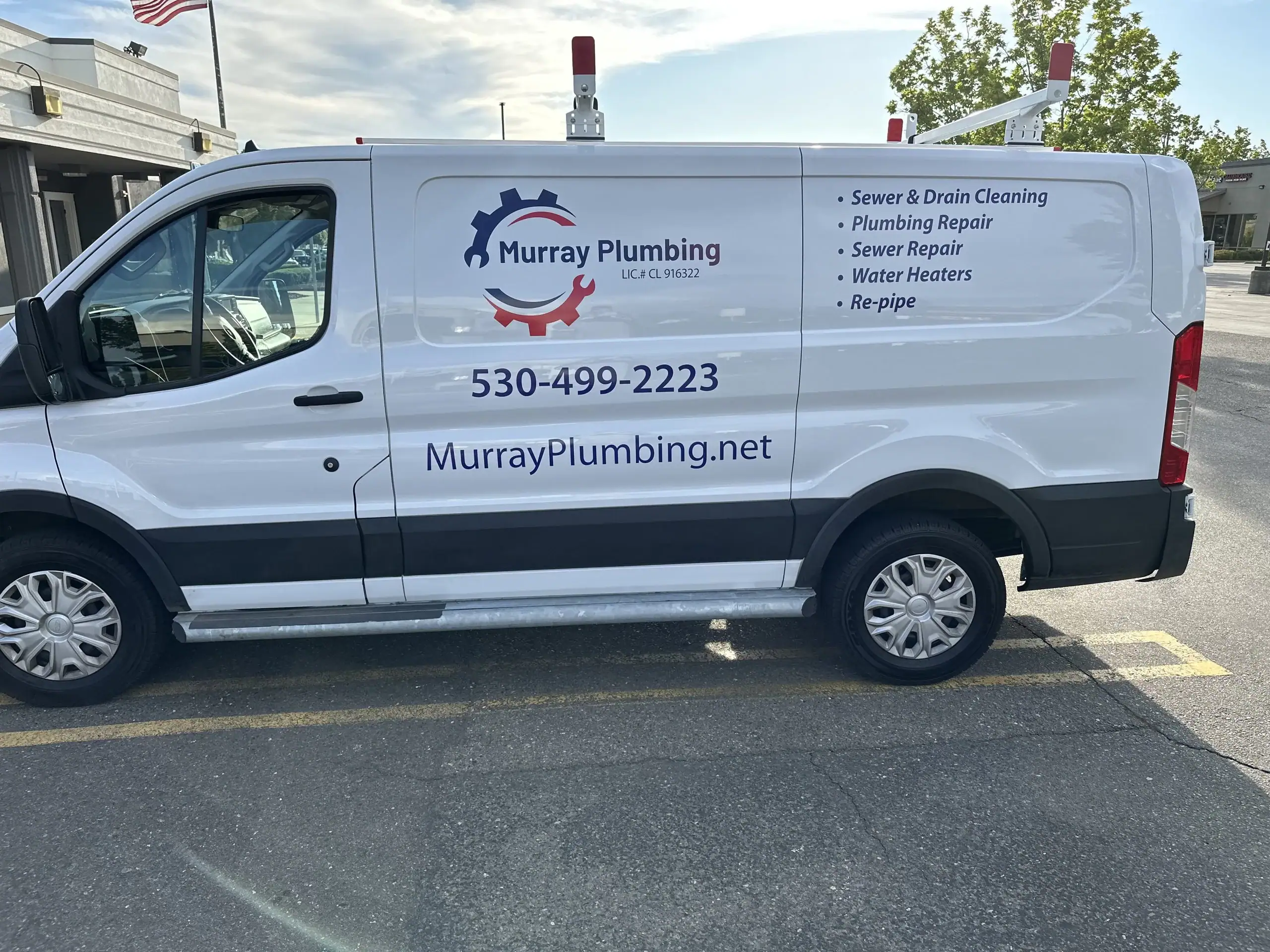
We’ve been serving Sacramento County homeowners since 2009, including the Clay area and surrounding unincorporated communities. Ryan Murray founded the company, and his name and California C-36 license number #916322 are on every job. You can verify it yourself at cslb.ca.gov in about thirty seconds. That kind of transparency isn’t common in this industry, and it matters when you’re hiring someone to work on your gas line.
The C-36 classification is the specific license California requires for gas line and seismic valve work. Not a general contractor license, not a handyman registration the right one. In unincorporated Sacramento County communities like Clay, where contractor accountability can be harder to verify than in a city with its own licensing department, that distinction is worth paying attention to.
With a 4.7-star rating across 93 Google reviews, the feedback is consistent: on time, honest about pricing, and the final invoice regularly comes in at or below the original estimate. That’s not a marketing claim it’s a pattern from real customers across the county.

It starts with a free pre-installation assessment. Before any pricing is committed, one of our technicians evaluates your gas meter configuration and the downstream system on your property. For Clay-area homes especially those with multiple structures served by natural gas this step matters more than it does on a standard suburban installation. You get an accurate quote based on what’s actually there, not a low-ball number that grows once the work starts.
From there, we pull the permit through Sacramento County Community Development. Clay is unincorporated county land, which means the permit process runs through the county not a city building department. That’s handled for you. The valve itself is DSA-certified and calibrated to a 0.2g horizontal acceleration threshold, which means it won’t trip from a heavy truck on Dillard Road or farm equipment running nearby. It responds to actual seismic events.
Installation typically takes around two hours for a standard residential meter. Once the work is done and the county inspection is complete, you receive written documentation of the permitted installation. Before our technician leaves, they’ll walk you through the post-trip protocol specifically, why you should not reset the valve yourself after a seismic event until a plumber has confirmed your gas lines are intact. That walkthrough is included in every job, not an add-on.
Ready to get started?
Our earthquake valve installation is all-in priced between $400 and $650 for most residential installations. That range covers the DSA-certified valve, labor, permit fees through Sacramento County Community Development, and written documentation of the completed, inspected work. There are no line items that appear after the fact. The free pre-installation assessment confirms the exact price before anything is scheduled.
For Clay-area properties with more complex configurations gas service running to outbuildings, detached structures, or agricultural equipment in addition to the main residence the assessment accounts for all of it. Rural properties in the Cosumnes area often have longer gas line runs and more downstream infrastructure than a standard suburban home, and the quote reflects your actual property, not a one-size template.
Every installation uses a DSA-certified seismic gas shut-off valve, which is the standard required by California law for residential earthquake-sensitive shut-off valves. We pull the permit, schedule the inspection, and the record goes on file with Sacramento County. You also receive a written workmanship warranty. If your insurer is asking for documentation of a seismic safety upgrade which is increasingly common in Sacramento County this installation gives you exactly what you need to satisfy that requirement.
Yes and this applies specifically to Clay because it’s unincorporated Sacramento County, not an incorporated city. That means your permit goes through Sacramento County Community Development, not a city building department. Under the California Plumbing Code, earthquake shut-off valve installations require a building permit and a final inspection, and Sacramento County enforces this requirement.
The reason this matters isn’t bureaucratic it’s practical. A permitted installation creates a legal record on file with the county. That record is what your insurance company may ask for when verifying your seismic safety features. It’s also what must be disclosed in a real estate transaction. An unpermitted gas modification is a liability you carry with the property. We handle the permit application and inspection scheduling as a standard part of every installation, so you don’t have to navigate the county process yourself.
This is a real concern for rural properties in the Cosumnes area around Clay, and the short answer is no not with a DSA-certified valve. The California Division of the State Architect sets the certification standard for residential seismic shut-off valves, and certified valves are calibrated to trigger at 0.2g of horizontal ground acceleration. That threshold is not reached by heavy truck traffic on county roads, agricultural equipment running on adjacent parcels, or even nearby construction activity.
The false-trigger problem is associated with cheap, non-certified valves purchased online and installed without a permit. Those valves have inconsistent calibration and no regulatory standard behind them. Every valve we install is DSA-certified, which means the trigger threshold is verified and appropriate. You get the protection without the nuisance of a valve that cuts your gas every time a tractor passes on Dillard Road.
No. PG&E does not install seismic shut-off valves. Their role is emergency response to active gas leaks not pre-event safety installations. If you call them about a seismic valve, they’ll refer you to a licensed plumber. This is one of the most common misconceptions that delays homeowners from getting the work done, and it’s worth clearing up directly.
In California, earthquake shut-off valve installation requires a licensed C-36 plumbing contractor. PG&E’s jurisdiction ends at the meter what happens downstream, including seismic safety upgrades, is the homeowner’s responsibility and requires a licensed contractor and a building permit. We hold California C-36 License #916322, pull the Sacramento County permit, and handle the full process from assessment through inspection. PG&E is not part of that process.
It can, and it’s exactly why the free pre-installation assessment exists. Rural properties in Clay frequently have gas service extending beyond the main residence to detached garages, workshops, barns, or irrigation pump houses. Longer gas line runs and multiple downstream structures mean more exposure in a seismic event and more reason to make sure the valve at the meter is sized and positioned correctly for your actual system.
A standard suburban installation quote assumes a single-structure residential meter. When the downstream system is more complex, the assessment catches that before pricing is committed. You won’t get a quote based on a simple residential installation and then find out on the day of the job that your property is different. The assessment is free, it accounts for the full scope of your gas system, and the price you’re given before scheduling is the price on the final invoice.
Clay and the broader Cosumnes area sit on the flat Sacramento Valley floor, which is underlain by deep alluvial soil deposits the same geology that makes this land productive for agriculture. The problem with alluvial soil in a seismic event is that it amplifies ground shaking compared to bedrock. A moderate earthquake centered on a fault well outside the immediate area can produce more intense shaking at the surface in valley communities than the magnitude alone would suggest.
The 2025 California Building Code, updated under ASCE Standard 7-22, places much of the Sacramento region including this part of Sacramento County in Seismic Design Category D, which is a high-risk classification. The Sacramento Valley has historically been seen as lower-risk than the Bay Area or Southern California, but that perception is being revised as seismic hazard mapping becomes more precise. For Clay homeowners specifically, the combination of amplified valley shaking and longer emergency response times makes a seismic shut-off valve a more urgent consideration than the region’s reputation might suggest.
In most cases, yes provided the installation is permitted and uses a DSA-certified valve. California insurers that are requesting seismic safety documentation are typically looking for evidence of a compliant installation: a certified valve, a licensed contractor, and a permit record on file with the local building authority. A permitted installation through Sacramento County Community Development, completed by a C-36 licensed plumber using a DSA-certified valve, gives you all three.
This is increasingly relevant for homeowners in rural Sacramento County. Some carriers are now treating seismic safety features as conditions of coverage renewal rather than just discount opportunities, and the documentation requirements are more specific than they used to be. The written documentation we provide after every installation including the permit record and workmanship warranty is the kind of paper trail your insurer is asking for. If you’re unsure what your specific policy requires, the pre-installation assessment is a good time to bring that question up so the documentation is structured to match what your carrier needs.
Other Services we provide in Clay