
Hear from Our Customers
The first sign of a slab leak in a Campus Commons home is usually a water bill that doesn’t make sense, a warm spot on the floor, or a faint sound of running water when everything’s off. By that point, the damage has already been happening for weeks sometimes months. A smart water leak detection system installed on your main line gives you real-time visibility into what’s happening inside your walls and beneath your slab, before a slow drip becomes a major repair.
Campus Commons is a master-planned HOA community, which means your plumbing problem can quickly become your neighbor’s problem too. The condos, townhomes, and attached residences throughout Nepenthe, East Ranch, University Park, and Wyndgate share walls, floors, and ceilings. A whole house leak detection system with automatic shutoff cuts the water supply the moment a leak is detected whether you’re home or not stopping damage before it crosses into the next unit and triggers the kind of multi-party insurance dispute that no one wants to deal with.
Sacramento’s wet winters add another layer of pressure. Atmospheric river storms saturate the ground around aging slab foundations, increasing stress on copper pipes that are already 50-plus years old. A leak detection system doesn’t just protect you in the moment it gives you a way to monitor your home through every season, from the dry summer months when Sacramento’s clay soils contract and shift, to the heavy rainfall weeks when hydrostatic pressure builds up beneath your foundation.
We’ve been serving Sacramento County homeowners since 2009, built on a straightforward model: show up on time, quote it honestly, and do the work right. Our founder Ryan Murray came up through construction before moving into plumbing which means he understands how homes are built, not just how pipes work. That background matters when you’re dealing with 1970s-era construction like what you’ll find throughout Campus Commons.
We hold California Contractor’s License #916322 (C-36 classification), which you can verify directly at CSLB.ca.gov before you ever pick up the phone. Our Google rating sits at 4.7 out of 5 across 93 verified reviews, with customers consistently noting that the final invoice came in at or below the original estimate. No estimate fees. No surprises.
When a leak is discovered during installation, we fix it on the spot one licensed contractor handling detection, installation, and repair without handing you off to someone else. For Campus Commons homeowners navigating HOA requirements and Sacramento city permit processes, that kind of accountability from start to finish isn’t a small thing.
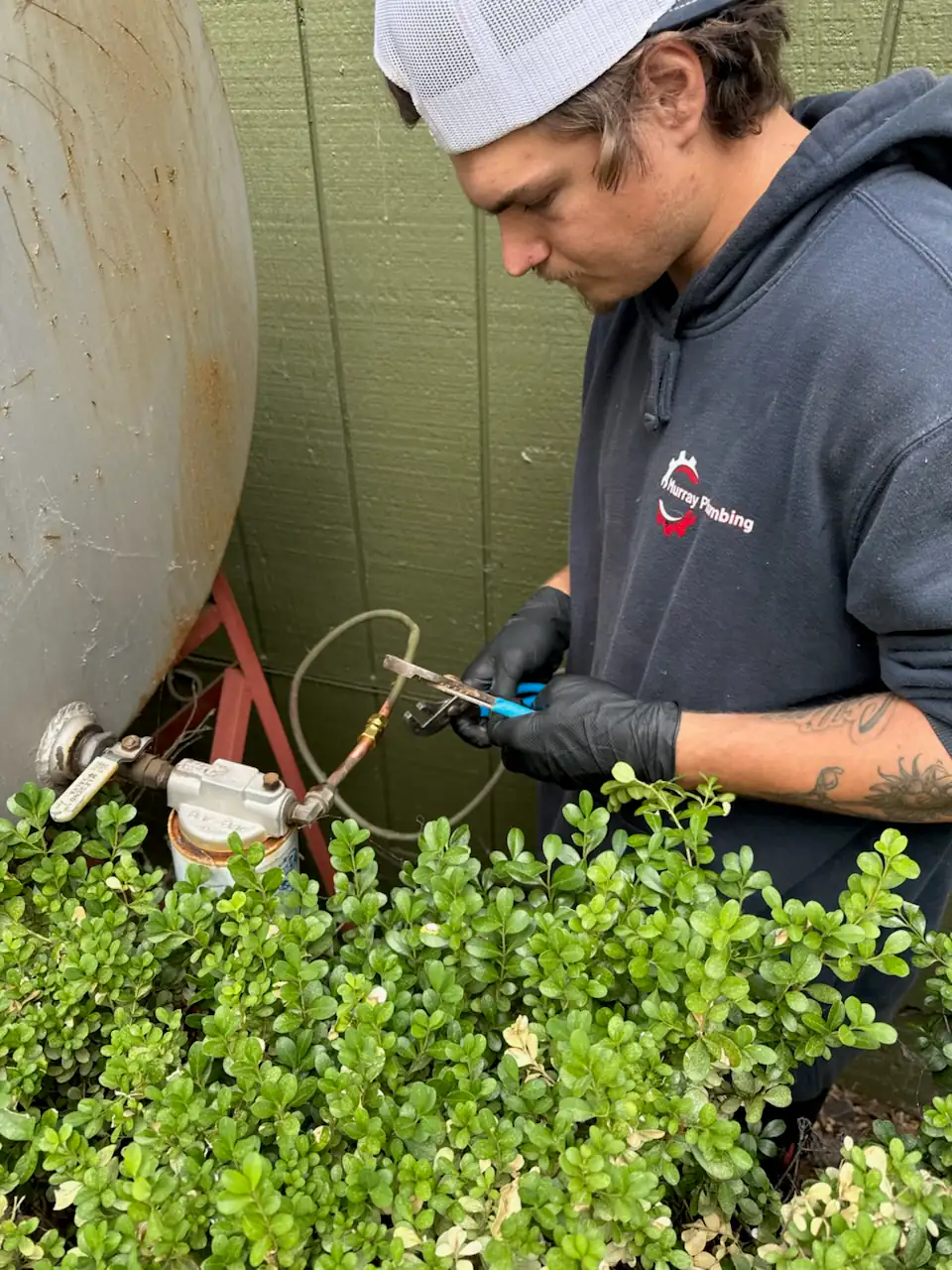
It starts with a call and a free estimate. We’ll assess your home’s main water supply line, identify the right system for your setup, and give you a clear, upfront quote before any work begins. For Campus Commons homes most of which were built in the 1970s with copper plumbing on slab foundations that assessment includes checking pipe condition and identifying any pre-existing issues that should be addressed before the detector goes in.
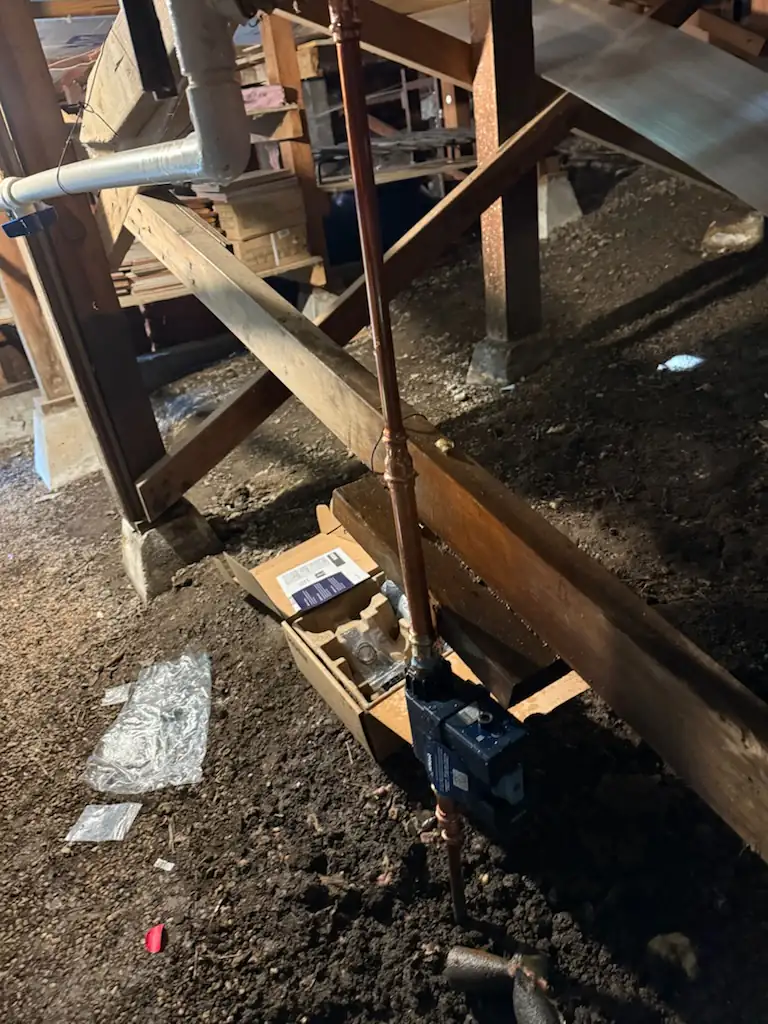
Installation involves mounting the smart water monitor directly on your main line, typically near the water meter or main shutoff. Because Campus Commons falls under City of Sacramento jurisdiction, any work that modifies the main supply line requires a permit. We handle that process as part of the job, so you’re covered on the code compliance side without having to figure it out yourself. If your HOA sub-association has additional requirements which some do within the Campus Commons master-planned community that gets factored in upfront, not discovered after the fact.
Once the system is physically installed, the work isn’t done. We set up the Moen Smart Water App on your phone, configure your alert thresholds, test the automatic shutoff function, and walk you through how the system works before leaving. You’ll know exactly what to expect when an alert comes through, how to respond, and how to read your water usage data. The goal is a system that’s actually protecting your home not just installed and forgotten.
Ready to get started?
Every water leak detector installation in Campus Commons includes a full assessment of your main water line, professional installation of the monitoring device, permit coordination with the City of Sacramento, and complete system setup including app configuration, alert customization, and a hands-on walkthrough before the job is closed out. If a pre-existing leak is found during the process, we fix it on the same visit. You’re not left with a new device and an unresolved problem underneath it.
For Campus Commons residents specifically, the automatic shutoff capability is one of the most important features of the system. Given the attached housing throughout the community condos and townhomes where one unit’s water damage can travel directly into a neighboring unit having a system that responds immediately, even at 2 AM when you’re asleep or away for the weekend, is the kind of protection that actually matches the risk. Many homeowners insurance carriers also offer 5% to 10% premium discounts for homes equipped with qualifying smart water detection systems, which can meaningfully offset the installation cost within the first year or two.
We work primarily with Moen smart water monitoring systems, which integrate with the Moen Smart Water App for real-time usage tracking, leak alerts, and remote shutoff control. For a 1970s home along the American River corridor where aging copper pipes, expansive clay soils, and Sacramento’s seasonal rain patterns all create real and ongoing leak risk this level of monitoring is the most practical layer of protection available.
It depends on which sub-association your unit falls under. Campus Commons is a master-planned community made up of several HOA associations including Nepenthe, East Ranch, University Park, Wyndgate Condos, and The Villages and each has its own governing documents that may address modifications to plumbing infrastructure. In most cases, installing a monitoring device on your individual unit’s main supply line falls within your rights as a homeowner, but it’s worth reviewing your CC&Rs or checking with your HOA management before scheduling work.
What matters most from a practical standpoint is that the installation is done by a licensed contractor who can pull the appropriate City of Sacramento permit. That documentation protects you if the HOA ever questions the modification, and it ensures the work meets California Plumbing Code requirements. We handle permit coordination as part of every installation, so you have a clear paper trail from the start.
The most common early signs are a water bill that’s higher than usual without any obvious explanation, the sound of running water when all fixtures are off, warm or soft spots on the floor, or unexplained moisture near baseboards or in a closet. In slab-foundation homes like those throughout Campus Commons, leaks often travel significant distances before surfacing so by the time you notice something visible, the water has usually been moving for a while.
A smart water leak detection system monitors your home’s water flow continuously and flags abnormal usage patterns in real time, which catches slow leaks long before they show up as visible damage. If you’re already seeing one or more of those warning signs, that’s worth addressing directly we can assess the situation, identify whether there’s an active leak, and handle the repair before installing the monitoring system so you’re starting from a clean baseline.
This is one of the more complicated scenarios in HOA-governed attached housing, and it comes up more often than most people expect. Generally speaking, if the leak originates from a fixture, appliance, or supply line within your unit, you’re responsible for the damage including any that travels into a neighboring unit through shared walls, floors, or ceilings. The HOA typically covers pipes that serve multiple units or run through common areas, but the boundary of responsibility gets contested quickly once damage crosses unit lines.
The most effective way to limit your exposure is to stop the water before it spreads. A whole house leak detection system with automatic shutoff does exactly that the moment a leak is detected, the water supply to your unit is cut off, regardless of whether you’re home or asleep or traveling. That immediate response is often the difference between a repair that costs a few hundred dollars and one that involves your HOA, your neighbor’s insurance carrier, and months of back-and-forth.
Yes. The City of Sacramento requires a permit for any plumbing work that involves modifications to the main water supply line, which includes the installation of a whole-home water monitoring and shutoff system. This isn’t a technicality to work around it’s a requirement that protects you. A permitted installation means the work has been inspected and meets California Plumbing Code standards, which matters if you ever file an insurance claim, sell the property, or need to demonstrate compliance to your HOA.
We hold California Contractor’s License #916322 and handle permit coordination as a standard part of every installation in Campus Commons. You don’t need to navigate the City of Sacramento’s permitting process yourself that’s included in the job. Homeowners who attempt DIY installation of main-line systems without pulling a permit can face complications with their insurance carrier and HOA down the line, so it’s worth doing it right the first time.
Many homeowners insurance carriers do offer discounts for homes equipped with qualifying smart water detection and automatic shutoff systems typically in the range of 5% to 10% off the annual premium. The exact discount depends on your carrier, your policy, and the specific system installed. Not every insurer offers this in every market, so the right move is to contact your agent directly and ask whether your policy qualifies and what documentation they need.
For Campus Commons homeowners, where median home values sit around $680,000, even a modest premium reduction can add up quickly over a few years and when you factor in the potential cost of a water damage claim (the national average runs between $13,000 and $15,000), the installation cost looks very different. We primarily install Moen smart water systems, which are widely recognized by insurance carriers and come with documentation that supports the discount request process.
The cost of a professional water leak detection system installation in Campus Commons typically ranges from $500 to $1,500, depending on the system selected, the complexity of your main line configuration, and whether any pre-existing plumbing issues need to be addressed before installation. Homes with straightforward main line access tend to come in on the lower end. Older homes which describes most of the housing stock in Campus Commons, given the 1970s construction throughout the community occasionally require additional work if the pipe condition warrants it before a monitor can be properly installed.
We provide a free, upfront estimate before any work begins, and there are no fees just for getting a quote. The final invoice consistently comes in at or below the original estimate that’s not a policy statement, it’s a pattern documented across customer reviews. When you factor in the potential cost of a water damage event, the insurance premium savings available for qualifying systems, and the peace of mind that comes with 24/7 automatic shutoff protection, the installation cost is one of the more straightforward investments a Campus Commons homeowner can make.
Other Services we provide in Campus Commons