
Hear from Our Customers
If your Hood, CA home was built between 1995 and 2007, there’s a real chance you’re living with Kitec plumbing. And if you are, you’re sitting on a ticking clock.
Kitec pipes don’t just wear out gracefully. They fail suddenly, often catastrophically, flooding rooms and causing thousands in damage. The brass fittings corrode from the inside through a process called dezincification—zinc breaks down when exposed to moisture and oxygen, weakening the fitting until it can’t hold pressure anymore.
Insurance companies know this. That’s why many won’t cover homes with Kitec anymore, or they’ll slap you with higher deductibles and give you 90 days to replace the system or lose coverage entirely. If you’re trying to sell, buyers see Kitec and walk away. Lenders flag it as high-risk.
Replacing kitec plumbing in Hood, CA isn’t just about avoiding a mess. It’s about restoring your insurance coverage, protecting your property value, and getting back to normal life without wondering if today’s the day your pipes let go.
We’ve been serving Hood, CA and the surrounding El Dorado County area for more than 24 years. We’re not new to Kitec pipe replacement in Hood, CA, and we’re not learning on your home.
Hood’s older housing stock means we’ve seen plenty of aging plumbing systems—tree roots in sewer lines, corroded pipes, and yes, Kitec systems that are well past their safe lifespan. We know how these homes are built, where the pipes run, and how to access them without tearing your walls apart more than necessary.
You’ll find us rated 4.7 out of 5 on Google with over 93 reviews. People mention our response time, our transparency with pricing, and the fact that we show up when we say we will. That matters when you’re dealing with something this serious.
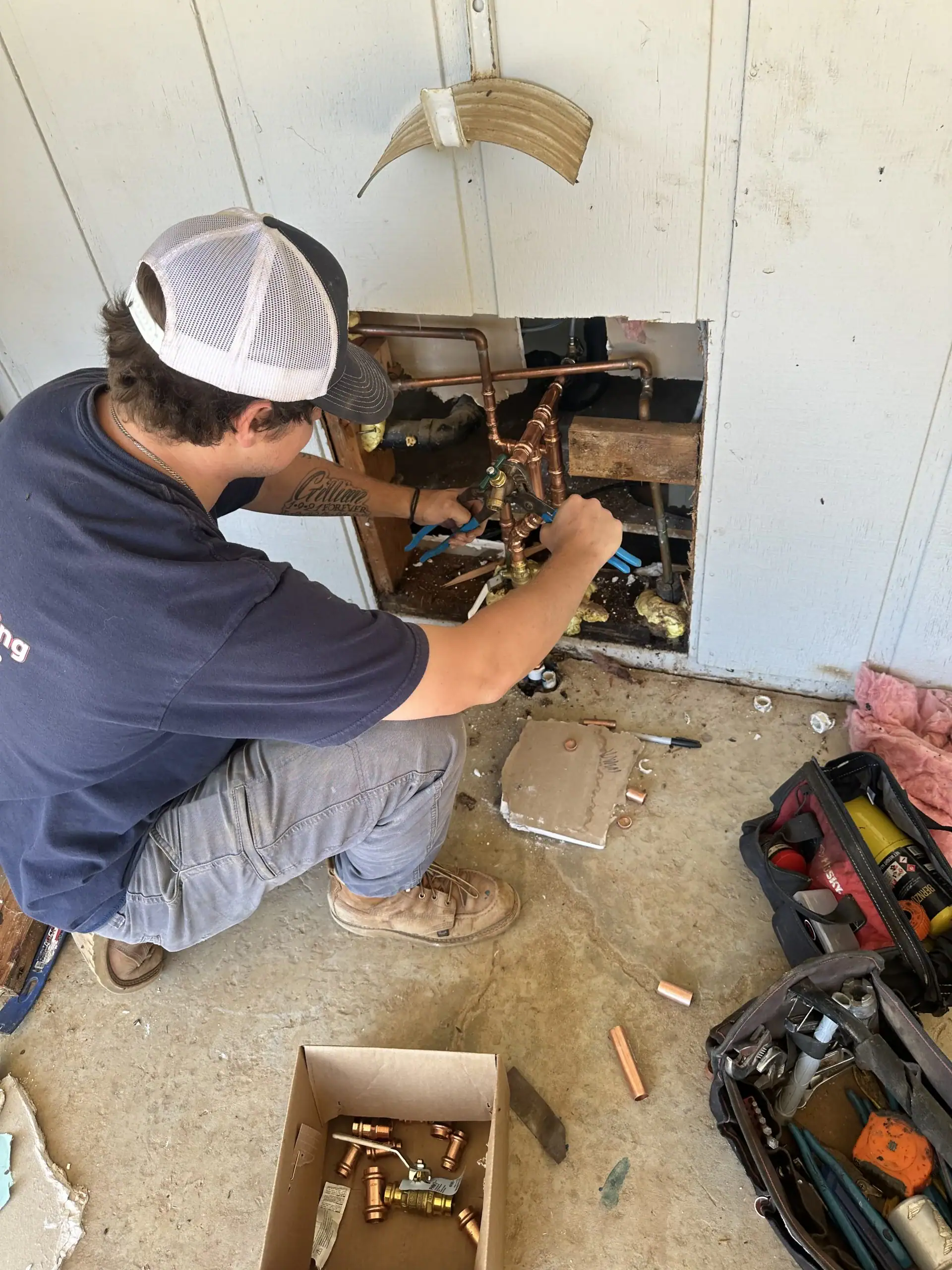
First, we inspect your property to confirm you actually have Kitec and map out where it’s installed—supply lines, hot water lines, radiant heating if applicable. Not every orange or blue pipe is Kitec, so we verify before we quote.
Once we’ve confirmed it, we give you an upfront price. No surprises, no “we’ll see when we get in there” pricing. Most complete Kitec replacement jobs in Hood, CA run between $5,000 and $15,000 depending on home size and complexity, and we’ll tell you exactly where you fall before we start.
The actual replacement typically takes two to three days for most homes. We shut off your water, remove the old Kitec piping and fittings, and install new code-compliant materials—usually PEX or copper depending on your situation and budget. We’re UPONOR certified, so the installation is done right.
We access pipes through the smallest openings possible using modern tools, then we patch drywall, paint, and clean up after ourselves. You’re not left with a construction zone. We test every outlet and fixture to make sure pressure’s good and nothing leaks, then we’re done.
Ready to get started?
When we handle kitec pipe replacement in Hood, CA, you’re getting a complete job—not just the plumbing part. We replace all the Kitec piping and fittings throughout your home, install new code-compliant materials that’ll last decades, and test the entire system under pressure to confirm everything works.
We also handle the aftermath. That means patching and finishing any drywall we had to open, painting those areas to match, and cleaning up completely before we leave. You’re not calling another contractor to finish what we started.
Hood’s housing market has seen steady activity, and homes here—especially older ones near the Sacramento River—are often dealing with aging infrastructure. If you’re preparing to sell or refinance, getting rid of Kitec now removes a major red flag for buyers, appraisers, and lenders. If you’re staying put, you’re eliminating the single biggest plumbing risk in your home.
We also offer 24/7 emergency service if your Kitec system fails before you’re able to schedule a full replacement. Burst pipes don’t wait for business hours, and neither do we.
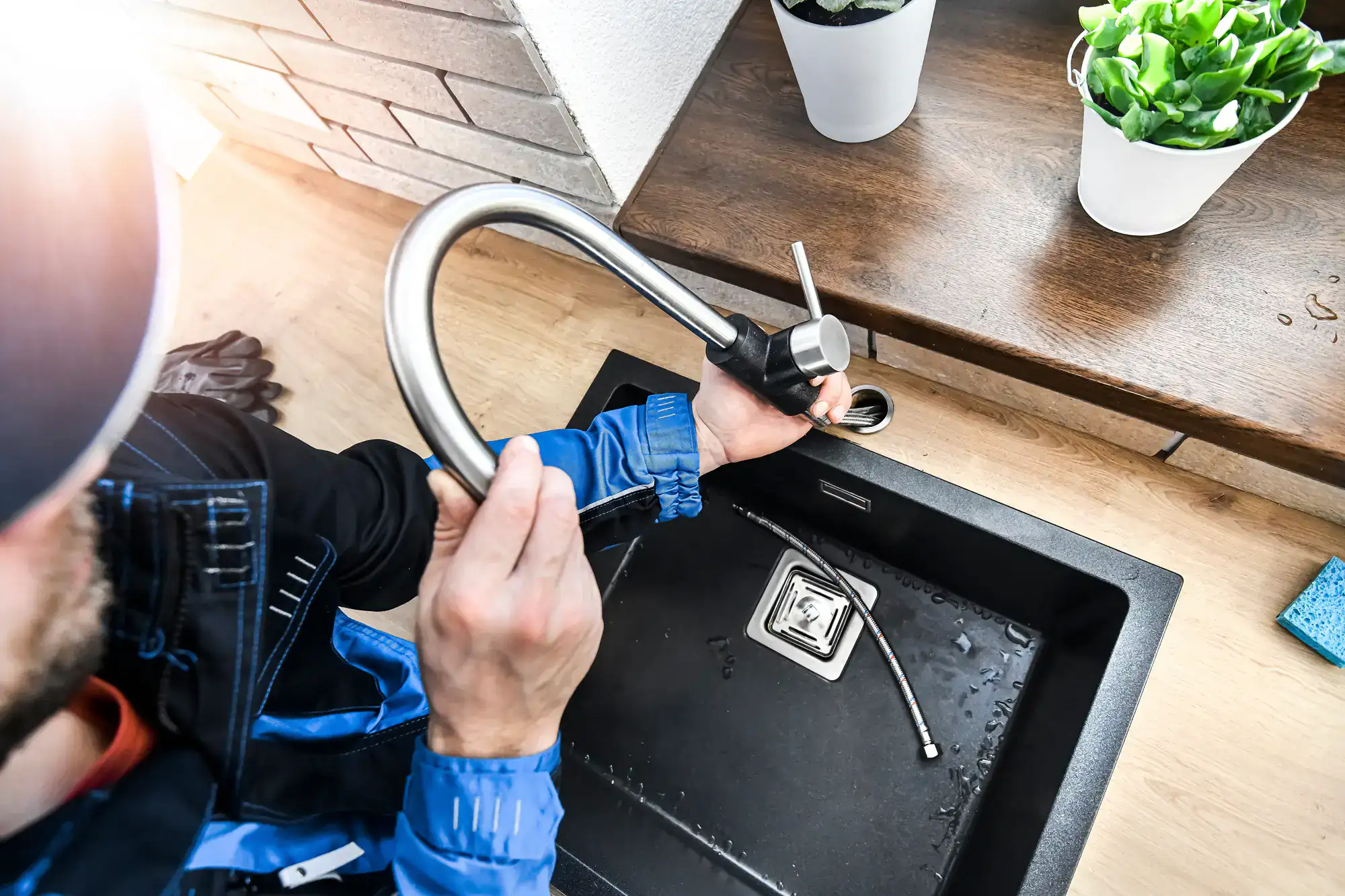
Kitec pipes are usually orange or blue, though sometimes they’re gray or black. The fittings are brass and often stamped with “Kitec” or the manufacturer names like IPEX or PlumbBetter.
Check anywhere you can see exposed plumbing—under sinks, in the basement or crawl space, near your water heater, or in utility rooms. If your home was built or renovated between 1995 and 2007, the chances go up significantly since that’s when Kitec was most commonly installed.
That said, not all colored pipes are Kitec, and not all Kitec is easy to spot. If you’re not sure, we can come out and do a proper inspection. We’ll trace your plumbing system, identify what you’ve got, and let you know if replacement is necessary—no charge for the assessment if you move forward with us.
The fittings fail. When they do, they don’t drip—they burst. You’re looking at flooding, water damage to floors and walls, potential mold issues, and all the chaos that comes with an emergency repair in the middle of the night or while you’re out of town.
Insurance is the other big risk. Many carriers in California have stopped covering homes with Kitec or require immediate replacement within 60 to 90 days of discovery. If you don’t comply, you could lose coverage entirely or face massive deductibles that make a claim almost pointless.
Then there’s resale value. Buyers and their inspectors know what Kitec is, and most won’t touch a house that still has it. Even if they’re willing, lenders often won’t approve financing until it’s replaced. You’re either dropping your price significantly or paying for the replacement yourself before closing.
Most residential Kitec plumbing replacement jobs in Hood, CA take two to three days from start to finish. That includes removing the old system, installing the new piping, testing everything, and completing drywall and paint work.
Larger homes or properties with more complex layouts—like multi-story houses or homes with radiant heating systems—can take a bit longer, maybe four to five days. We’ll give you an accurate timeline during the estimate based on your specific property.
You’ll have limited or no water during the active work hours, so plan accordingly. We work efficiently to minimize disruption, and we’ll coordinate with you on timing if you need to arrange temporary accommodations or adjust your schedule. Once we’re done, your water’s back on and everything’s tested and functional.
For most homes in Hood, CA, a complete Kitec replacement runs between $5,000 and $15,000. The range depends on the size of your home, how much Kitec piping is installed, and how accessible everything is.
A smaller single-story home with straightforward plumbing might land on the lower end. A larger two-story home with Kitec throughout, including radiant heating lines, will cost more. We’ll give you an exact price upfront after we assess your property—no guessing, no “ballpark” numbers that change later.
That price includes everything: removing all the old Kitec, installing new code-compliant piping, testing the system, patching and painting drywall, and cleanup. You’re not getting hit with surprise charges for things we “forgot” to mention. Some customers have told us our final bill came in lower than the original estimate, which doesn’t happen often in this industry—but it does with us when the job goes smoother than expected.
Usually not. Most insurance policies don’t cover the cost of replacing Kitec as a preventive measure—they consider it a maintenance issue or a pre-existing condition.
If your Kitec fails and causes damage, your insurance might cover the water damage itself (depending on your policy), but they typically won’t pay to replace the plumbing system. And once they know you have Kitec, many carriers will either drop your coverage, increase your premiums, or require you to replace it within a set timeframe to keep your policy active.
The smarter move is to replace it before it fails. Yes, you’re paying out of pocket, but you’re avoiding a much bigger bill later—emergency repairs cost significantly more than planned replacements, plus you’re dealing with all the damage and hassle that comes with a burst pipe. You’re also protecting your insurability and your home’s value, which matters if you ever plan to sell or refinance.
Technically, yes—but it’s not a good idea. The fittings are the main failure point because of dezincification, but the pipes themselves aren’t great either. Kitec was recalled in 2005 for a reason, and the entire system has a limited lifespan.
If you only replace the fittings, you’re still left with old Kitec pipe that could develop issues down the road. You’ll also still have Kitec in your home, which means you’re still dealing with insurance problems, resale problems, and the ongoing risk of failure.
Most importantly, partial replacement doesn’t solve your insurance issue. Carriers don’t care if you swapped out some fittings—they want the Kitec gone, period. A complete replacement gives you a clean slate: new materials, restored coverage, eliminated risk, and a system that’s warrantied for the long haul. Doing it halfway just delays the inevitable and costs you more in the end.
Other Services we provide in Hood