
Hear from Our Customers
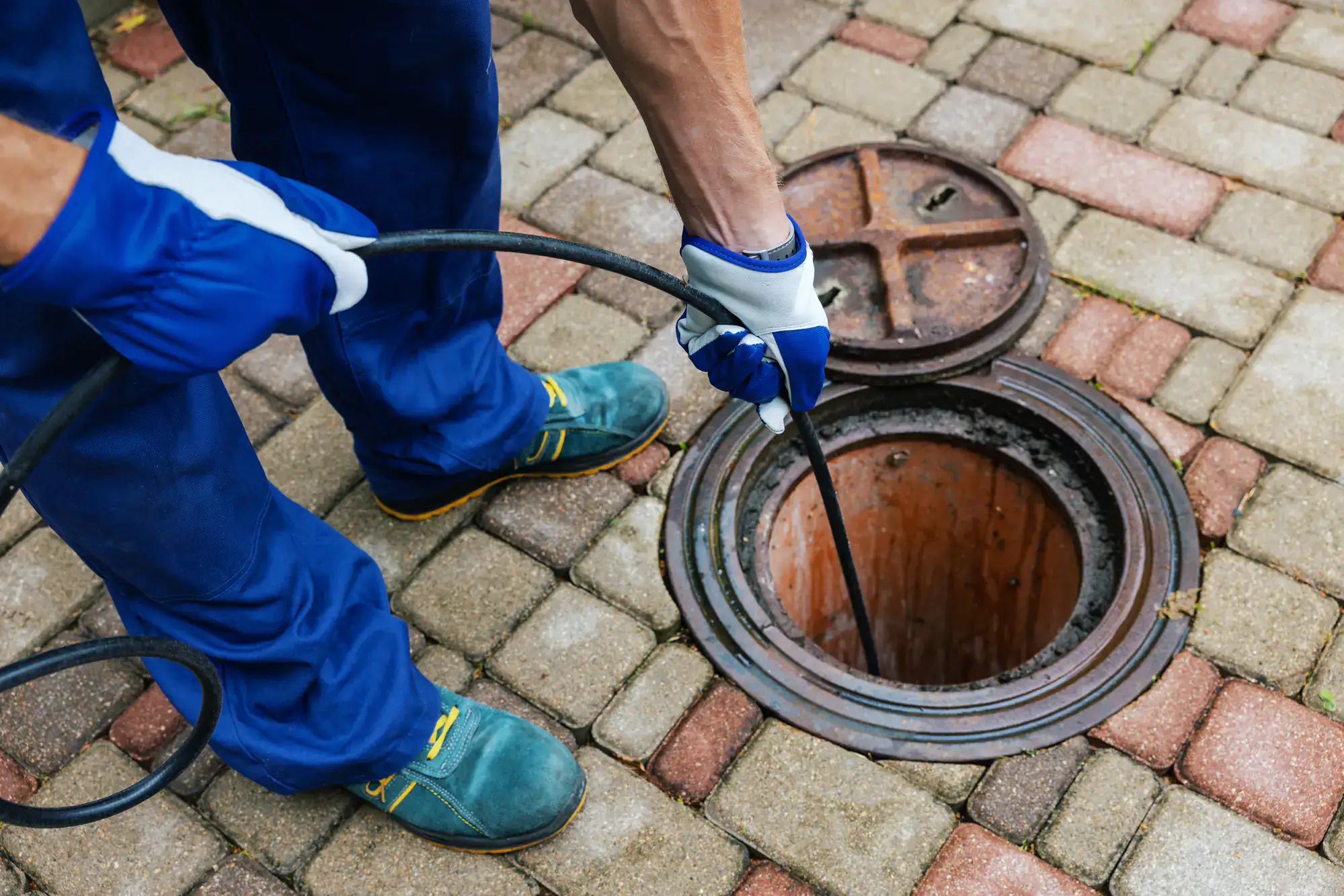
When your drains are still sluggish after everything changed — after SacSewer connected Hood to public sewer, after your septic tank was decommissioned, after you assumed the problem was finally behind you — it’s frustrating. The issue isn’t the new collection system. It’s the lateral lines inside and around your home that were never touched by the conversion. Those pipes spent decades handling waste under septic-era conditions, and they’re carrying the evidence: grease layers, mineral scale from Delta river water, and root tendrils from the pear trees and willows that surround properties all along SR-160.
Hydro jetting removes all of it. Not just a path through the clog — the full buildup from pipe walls, so water flows the way it’s supposed to. For Hood homeowners dealing with recurring slow drains despite a brand-new public sewer connection, that’s the difference between a temporary fix and an actual solution.
The Delta soil here is rich, moisture-retaining, and exceptionally good at feeding root systems year-round. That’s what makes the orchards productive — and what makes tree root intrusion into sewer laterals a persistent baseline condition, not a one-time event. Hydro jetting at up to 4,000 PSI cuts through root intrusions and flushes the debris completely, so you’re not calling a plumber again in three weeks because the roots grew back through what snaking left behind.
Murray Plumbing has been serving Sacramento County and Northern California since 2009. As a family-owned business, we operate on a straightforward model: quote a fair price, show up when promised, do the work right, and don’t add surprises to the bill. Nearly 100 Google reviews — rated 4.7 out of 5 — say the same thing in different words.
Hood is a small community on SR-160, and most Sacramento-area plumbing companies either don’t advertise service here or treat it like an afterthought. We serve Sacramento County actively, which means when you call about a blocked drain or a sewer line backup along the river, you’re not going to be told you’re outside the service area. The drive gets made.
We hold a California C-36 Plumbing Contractor License, verifiable through the CSLB, and carry full insurance and bonding. In a community this size — where you can’t rely on a large neighbor network to vet who shows up at your door — that accountability matters more than it does anywhere else.
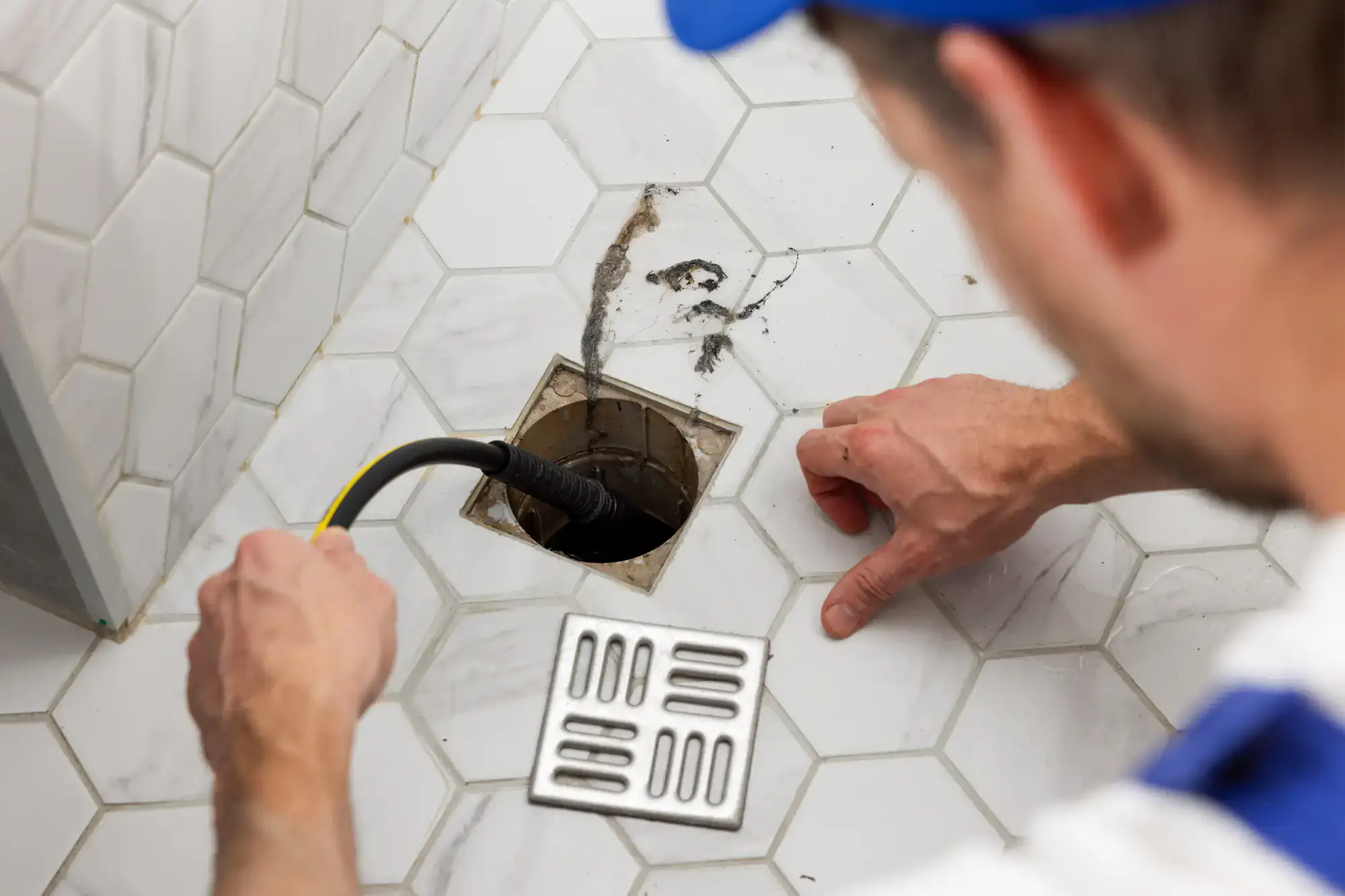
The first thing we do before any hydro jetting is a camera inspection. This isn’t a formality — it’s how we figure out exactly what’s in your pipes and whether they can safely handle high-pressure water. For Hood homes that spent decades on private septic systems before connecting to SacSewer’s public collection system, this step is especially important. Older lateral lines — particularly those with clay or cast iron sections — need to be assessed before pressure is applied. If there’s pre-existing damage that changes the approach, you’ll know before any work begins.
Once the inspection confirms the system is ready, our hydro jetting equipment goes to work. Water at up to 4,000 PSI is directed through the line using specialized nozzles that scour the pipe walls — not just the center of the blockage. Grease, mineral scale from Delta river water, root fragments, silt, and accumulated debris get fully removed, not pushed aside. The difference between this and snaking is significant: snaking clears a path; hydro jetting cleans the pipe.
After jetting, we conduct a second camera inspection. You get to see what the pipe looks like now versus what it looked like before. That documentation is the proof that the job was done — not just a technician’s word for it. The whole process typically takes one to three hours depending on pipe length and what’s inside. Pricing for residential hydro jetting runs $450 to $900 depending on blockage severity and pipe accessibility, and the price we quote before work starts is the price on the final bill.
Ready to get started?
Hydro jetting in Hood isn’t the same job it is in a newer suburban development. The homes here predate the public sewer connection. The soil is Delta peat and alluvium — dense, moisture-retaining, and full of mature root systems from pear orchards and riparian vegetation that have been growing for generations. The water drawn from the Sacramento River and treated at the Hood Water Treatment Plant carries mineral content that, over years, leaves scale inside older pipes. These aren’t abstract risk factors — they’re the specific conditions that explain why lateral lines in Hood need more than a snake.
Our hydro jetting service addresses all of it. The pre-jetting camera inspection identifies root intrusions, grease accumulation, and any pipe sections that need a calibrated approach rather than full pressure. The jetting itself removes the complete spectrum of buildup — grease, roots, mineral deposits, silt, and debris — from the pipe walls, not just the center of the line. The post-service inspection documents the result.
All work is performed under California’s plumbing code standards, and because Hood is unincorporated Sacramento County, any sewer lateral work follows SacSewer’s connection requirements for the collection system installed during the Septic-to-Sewer Program. Our C-36 license covers all of it. We offer emergency hydro jetting around the clock — because a sewer backup on SR-160 at night isn’t something you can manage by waiting until morning.
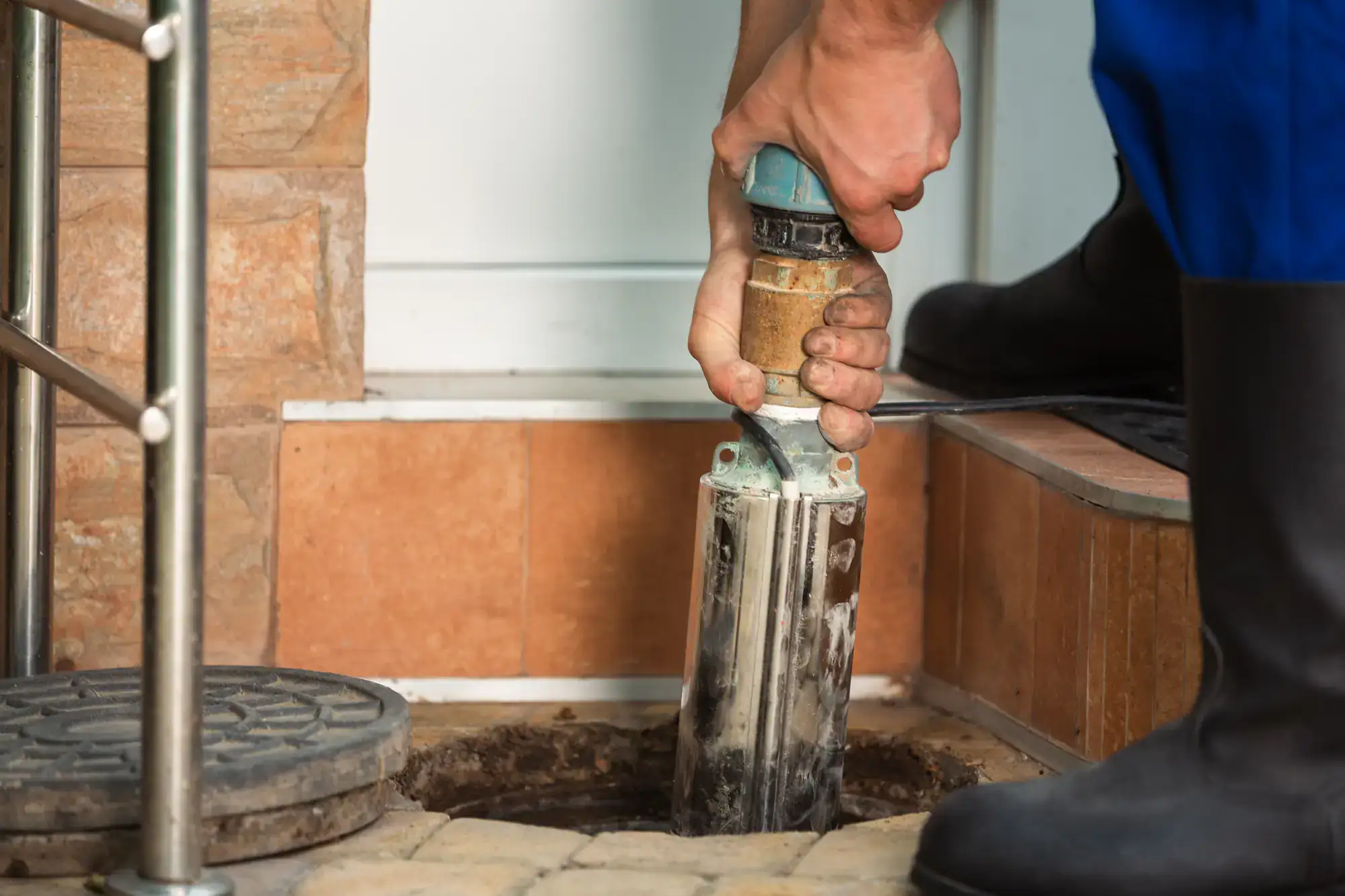
This is one of the most common questions from Hood homeowners after the SacSewer Septic-to-Sewer conversion, and the answer makes sense once you understand what the program actually did. SacSewer installed new collection pipes and manholes and decommissioned your private septic tank — but the lateral lines inside and immediately outside your home were never part of that work. Those pipes are still yours, and they still reflect however many decades of use they’ve accumulated.
Under septic-era conditions, flow dynamics are slower and different from a pressurized municipal system. Grease that settled on pipe walls, mineral scale from Delta river water, and root tendrils that worked their way into lateral joints were all being managed — barely — by the old system. Now that your waste is flowing into a public main, those same pipes are under different pressure and revealing problems that were always there. Hydro jetting clears the lateral lines the conversion didn’t touch, which is why it’s often the right next step for Hood homeowners who expected the new connection to fix everything and found it didn’t.
The clearest signal is whether the problem keeps coming back. If you’ve had the same drain snaked once or twice and it’s slow again within a few weeks, snaking isn’t solving it — it’s just punching a temporary hole through the blockage and leaving the underlying buildup on the pipe walls. That buildup becomes the foundation for the next clog.
In Hood specifically, tree root intrusion is a strong indicator that snaking alone won’t hold. The Delta soil here is dense and moisture-retaining, which means root systems from pear trees, willows, and other riparian vegetation grow aggressively and find their way into lateral joints year-round. Snaking cuts through roots but leaves fragments behind that regrow quickly. Hydro jetting at up to 4,000 PSI removes the root material completely and scours the pipe walls clean, which is why results last significantly longer. If multiple drains in your home are backing up at the same time, that’s a main line issue and hydro jetting is almost certainly the right tool — not a snake.
It depends on the pipe’s condition, not just its age — and that’s exactly why the camera inspection before jetting matters. Some Hood homes have lateral lines with clay or cast iron sections that predate modern PVC plumbing. Those materials can handle hydro jetting when they’re structurally sound, but if there’s pre-existing cracking, corrosion, or joint deterioration, applying full pressure without knowing that first can cause damage that turns a drain cleaning call into a pipe repair.
We conduct a camera inspection before any hydro jetting service. If the inspection shows a section of pipe that needs a calibrated approach — lower pressure, a different nozzle type, or a repair before jetting — that conversation happens before any work begins. For Hood homeowners with homes that were on private septic systems for decades, this step is especially important because those lateral lines may not have been inspected or serviced in years. The inspection protects you and ensures the jetting is applied safely and effectively.
Our residential hydro jetting ranges from $450 to $900, depending on blockage severity and how accessible the pipes are. The quote we provide before work starts is the price on the final bill — no diagnostic fees added after the fact, no charges that appear once the technician is already on-site.
For Hood homeowners who’ve already navigated the costs of connecting to SacSewer’s public system, unexpected plumbing bills are the last thing you need. The transparent pricing model is something our customers mention most consistently in reviews — and some have noted the final bill came in lower than the original estimate. If you’ve been calling someone out to snake the same drain every few weeks at $150 to $350 per visit, the math on hydro jetting starts to look different quickly. One thorough service that removes the root cause — literally, in Hood’s case — typically holds far longer than repeated snaking cycles.
We serve Sacramento County and the broader Northern California region, and Hood is an unincorporated Sacramento County community. We maintain an active Sacramento area presence and have for years. Hood is not outside the service area — the drive down SR-160 gets made.
This matters more in Hood than it does in most places. SR-160 is the only road in and out of town, and most Sacramento-area plumbing companies don’t list Delta river communities in their service coverage. When a sewer line backs up at night or on a weekend, the last thing you want to discover is that the plumber you called doesn’t actually come out this far. We offer 24/7 emergency service, which means a blocked main line at 10 PM on a Tuesday gets the same response as a morning appointment — because for a community on a single two-lane levee highway with no nearby alternatives, that availability isn’t a nice-to-have, it’s the whole point.
For most Hood residential properties, once every one to two years is a reasonable maintenance interval — but the right answer depends on what’s actually in your pipes. Homes surrounded by mature pear trees, willows, or other deep-rooted vegetation near sewer laterals will see root intrusion return faster than homes without significant tree coverage nearby. In those cases, annual hydro jetting keeps the lines clear before roots have a chance to establish and cause a backup.
The seasonal timing matters here too. Delta soil retains moisture through the rainy season — roughly November through April — which drives aggressive root growth in spring as water levels shift. Scheduling hydro jetting in late winter or early spring, before root systems hit their peak growth period, is a practical approach for Hood homeowners with trees near their sewer lines. Homes with heavy kitchen use — particularly during the summer harvest season when agricultural households are cooking at full capacity — may also benefit from more frequent attention to kitchen drain lines where grease accumulates faster than average.
Other Services we provide in Hood