
Hear from Our Customers
When an earthquake hits, your gas line doesn’t get a warning. Neither do you. The difference between a close call and a structure fire is often just one automatic shut-off a valve that trips before gas has a chance to find a spark. That’s the entire point of this installation, and it’s why Hood homeowners are taking it seriously.
Hood’s situation is different from the rest of Sacramento County. The Delta soils along State Route 160 are water-saturated and known for liquefaction meaning the ground beneath your home can shift in ways that upland communities in Elk Grove or Rancho Cordova simply don’t experience at the same level. That kind of ground movement puts stress on gas line connections that were never designed for it. An earthquake shut-off valve cuts the supply automatically, before you even know what happened.
There’s also the Delta Conveyance Project to think about. If heavy construction equipment begins operating near Hood as anticipated, you’ll want a DSA-certified valve one calibrated to a real seismic threshold, not one that trips every time a loaded truck rolls down SR-160. The right valve, installed correctly, gives you protection without the headache of false triggers.
Murray Plumbing was founded in 2009 by Ryan Murray, who holds California C-36 Contractor License #916322 the specific classification required by state law to perform gas line and seismic valve work. That license is public record and verifiable at cslb.ca.gov in about 30 seconds. Ryan’s name is on the license, on the warranty, and on the work itself.
We serve unincorporated Sacramento County communities along the Delta corridor including Hood, Clarksburg, Courtland, and the SR-160 stretch down to Walnut Grove which means we understand how Sacramento County’s Department of Community Development handles permits for rural properties. That’s not the same process as pulling a city permit, and it matters when you’re trying to document an installation for insurance or a future property sale.
With a 4.7 out of 5 rating across 93 Google reviews, the feedback is consistent: on time, clear pricing, and a final invoice that matches or comes in under the original estimate. In Hood and the surrounding agricultural communities where contractor stories travel fast, that track record means something.
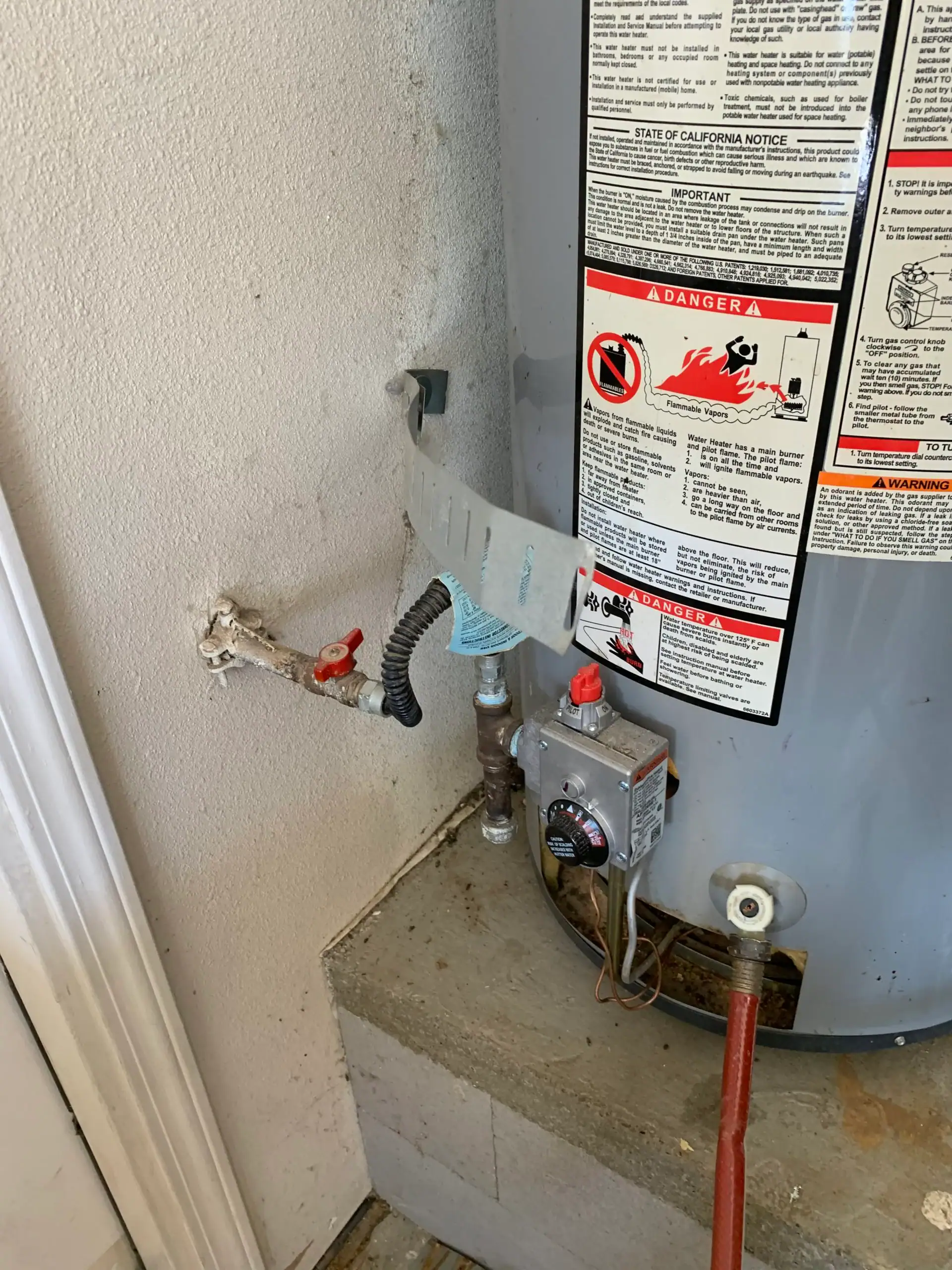
It starts with a free pre-installation assessment. Before any money changes hands, a licensed plumber looks at your gas meter, your piping configuration, and your connection points. For older homes in Hood many of which were built in the mid-20th century with aging steel gas lines this step often surfaces issues that have been sitting undetected for years. You’ll know what you’re dealing with before the work begins.
Once the assessment is done, you get a clear, all-in price: $400–$650 for most residential installations. That covers the DSA-certified valve, licensed labor, Sacramento County permit fees, leak testing, and written documentation. We pull the permit through Sacramento County’s unincorporated area building process not an optional step, but a standard part of every job. That permit creates a legal record with the county that follows the property.
After installation, we walk you through the post-trip protocol what to do if the valve trips during a seismic event, why you shouldn’t reset it yourself before a licensed plumber inspects the lines, and how to contact PG&E to report the event. Most installers skip that conversation. We don’t, because for a Hood homeowner who’s 15 miles from downtown Sacramento on SR-160, knowing what to do in the first 30 minutes after an earthquake matters.

Ready to get started?
Every earthquake valve installation through Murray Plumbing includes a DSA-certified seismic shut-off valve not a generic product ordered online, but the California-standard certified device that satisfies Sacramento County permit requirements and insurance documentation standards. DSA-certified valves are calibrated to trigger at approximately 0.2g of horizontal ground acceleration. That threshold is well above what normal truck traffic on SR-160 or nearby agricultural equipment produces, which means you get real seismic protection without nuisance trips.
The installation also includes a full gas line inspection at the meter and connection points, which matters especially for Hood’s older housing stock and for properties with agricultural outbuildings that have extended gas line runs. More connection points mean more potential failure locations during a seismic event and a thorough inspection before the valve goes in is how you catch those issues before they become emergencies.
Permit documentation is part of every job, filed through Sacramento County’s Department of Community Development for unincorporated area properties like those in Hood. That paperwork is your proof of a legal, inspected installation and it’s what your insurance carrier or a future buyer’s agent will ask for. A written workmanship warranty comes with every installation, and we maintain 24/7 emergency availability, meaning that if a Delta earthquake trips your valve at 2 a.m., you have a licensed C-36 plumber to call not a voicemail.
It’s a fair question, especially with the proposed Delta Conveyance Project potentially bringing significant boring equipment and tunneling activity close to Hood. The short answer is that a properly calibrated, DSA-certified valve is designed to avoid exactly that kind of false trigger. These valves are set to trip at a specific seismic threshold approximately 0.2g of horizontal ground acceleration which is meaningfully higher than the vibration produced by heavy construction equipment, large trucks on SR-160, or agricultural machinery operating nearby.
Where homeowners run into false trigger problems is when they’ve installed a non-certified valve purchased online or through an unlicensed contractor. Those valves aren’t held to the same calibration standards and can be far more sensitive than they should be. A DSA-certified valve installed by a licensed plumber gives you the protection you need from an actual seismic event without shutting off your gas every time a loaded truck rolls past your property.
For most residential properties in unincorporated Sacramento County including Hood and the surrounding Delta communities earthquake valve installation through Murray Plumbing runs between $400 and $650, all in. That price includes the DSA-certified valve, licensed labor, Sacramento County permit fees, leak testing after installation, and written documentation of the work. There’s no separate line item for the permit or the paperwork it’s one price.
Before any work begins, you get a free pre-installation assessment so you know the exact number upfront. Customers consistently report that the final invoice comes in at or below that original estimate not above it. For Hood homeowners on a fixed agricultural income or managing a farm property with multiple gas connections, knowing the price won’t shift between the quote and the invoice is worth a lot. If the assessment turns up additional issues with aging gas lines or meter connections, those are discussed openly before any decision is made.
Yes gas line work in unincorporated Sacramento County, including earthquake shut-off valve installation, requires a building permit issued through the Sacramento County Department of Community Development. Hood is unincorporated county territory, which means it operates under county jurisdiction rather than a city building department. The permitting process is different from what you’d encounter in Sacramento proper or Elk Grove, and contractors who aren’t familiar with that distinction sometimes skip the permit or file it incorrectly.
We pull the Sacramento County permit as a standard part of every installation it’s included in the price, not an add-on. That permit creates a legal record of the installation with the county, which matters in two specific situations: when you file an insurance claim that involves gas damage, and when you sell the property and need to disclose improvements. An unpermitted gas modification is a liability that follows the home, not just the current owner.
Hood sits on Sacramento River Delta soils water-saturated alluvial deposits that behave very differently from the firmer ground you’d find in foothill communities like El Dorado Hills or Folsom. During a seismic event, saturated Delta soils can liquefy, meaning the ground temporarily loses its structural integrity and shifts in ways that put direct stress on underground gas line connections and meter piping. A gas line that might survive the same earthquake in an upland community can rupture in Hood because the soil movement is more severe and more unpredictable.
The USGS has specifically identified the Sacramento-San Joaquin Delta as a region of elevated seismic concern, noting that the hazards here are both significant and not fully understood. Add to that the existing levee infrastructure challenges along the Sacramento River CalMatters has documented a serious funding gap for levee repairs in the Delta and you have a compound risk scenario that makes gas safety measures more urgent here than in most other Sacramento County communities. An automatic gas shut-off valve is one of the few protections you can put in place before an event, not after.
The most important thing is to not reset the valve yourself until a licensed plumber has inspected your gas lines. It’s a natural instinct to want to restore heat or get the stove working again quickly especially in the middle of the night after a felt earthquake but resetting the valve before the lines are checked can introduce gas into a system that may have a leak or a damaged connection. That’s the scenario that turns a manageable situation into a dangerous one.
The correct sequence is: leave the valve in the tripped position, call PG&E to report the event, and contact a licensed C-36 plumber to inspect the gas lines before any reset is attempted. We’re available 24/7 for exactly this kind of call. For Hood homeowners who are 15 or more miles from the nearest urban service center along SR-160, having a plumber you can reach at any hour and who knows the Delta road network well enough to get to you is the practical difference between a fast resolution and a long, stressful wait.
No PG&E does not install seismic gas shut-off valves. Their responsibility ends at the meter. Everything on the customer’s side of that meter, including the installation of an earthquake shut-off valve, is the homeowner’s responsibility and requires a licensed plumbing contractor. This is a common point of confusion, and it sometimes leads homeowners to assume the utility has already handled it when they haven’t.
In Hood and the surrounding Delta communities, this distinction matters because some older homes along SR-160 have never had a seismic valve installed at all the assumption being that PG&E or a previous owner took care of it. If you’re not sure whether your home has one, a quick look at your gas meter will tell you. A seismic shut-off valve is typically a small device mounted inline near the meter with a visible reset button or indicator. If you don’t see one, it’s not there. Our free pre-installation assessment includes a check of your current meter setup and can confirm whether you have a certified valve in place or whether you’re working without one.
Other Services we provide in Hood